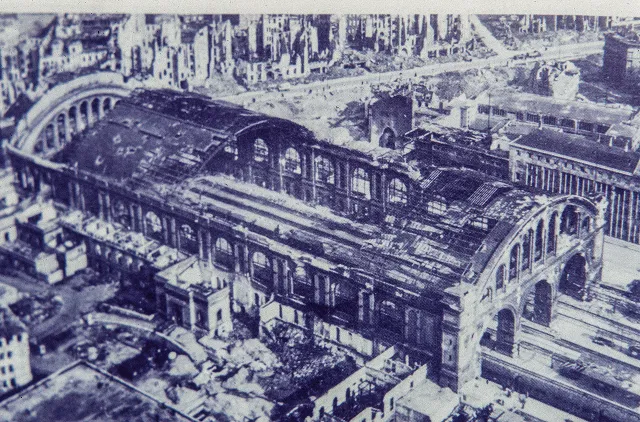
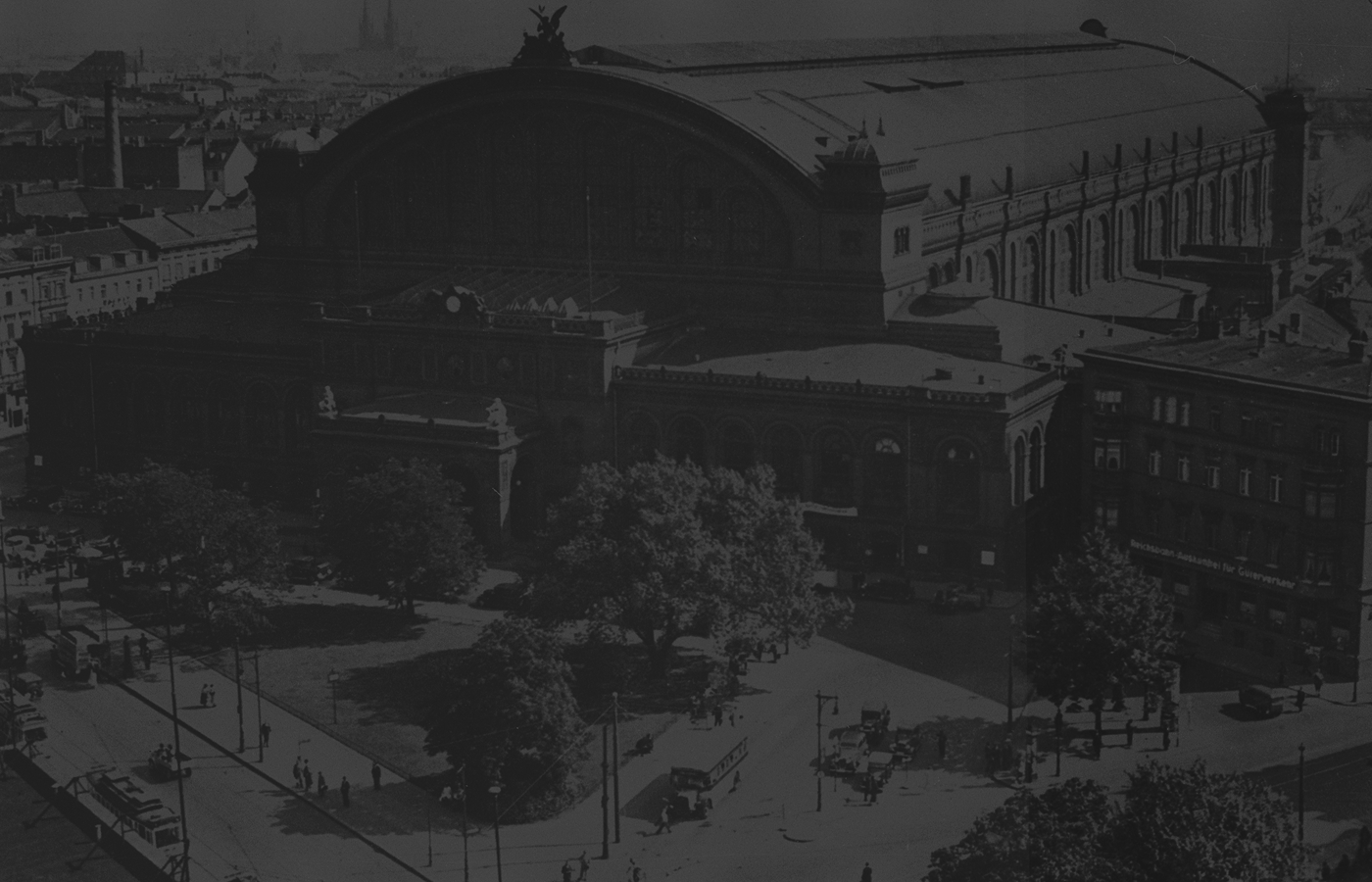
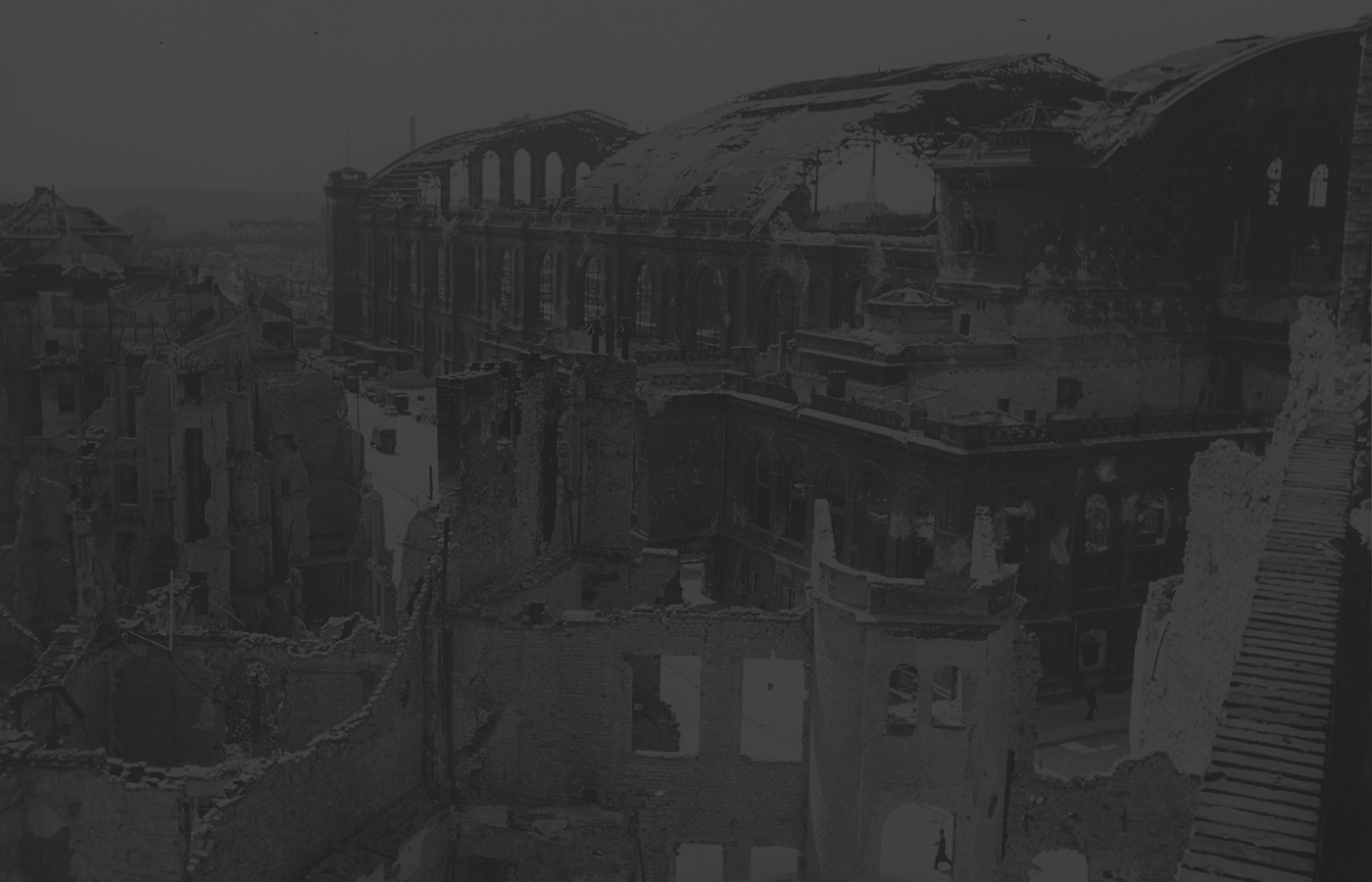
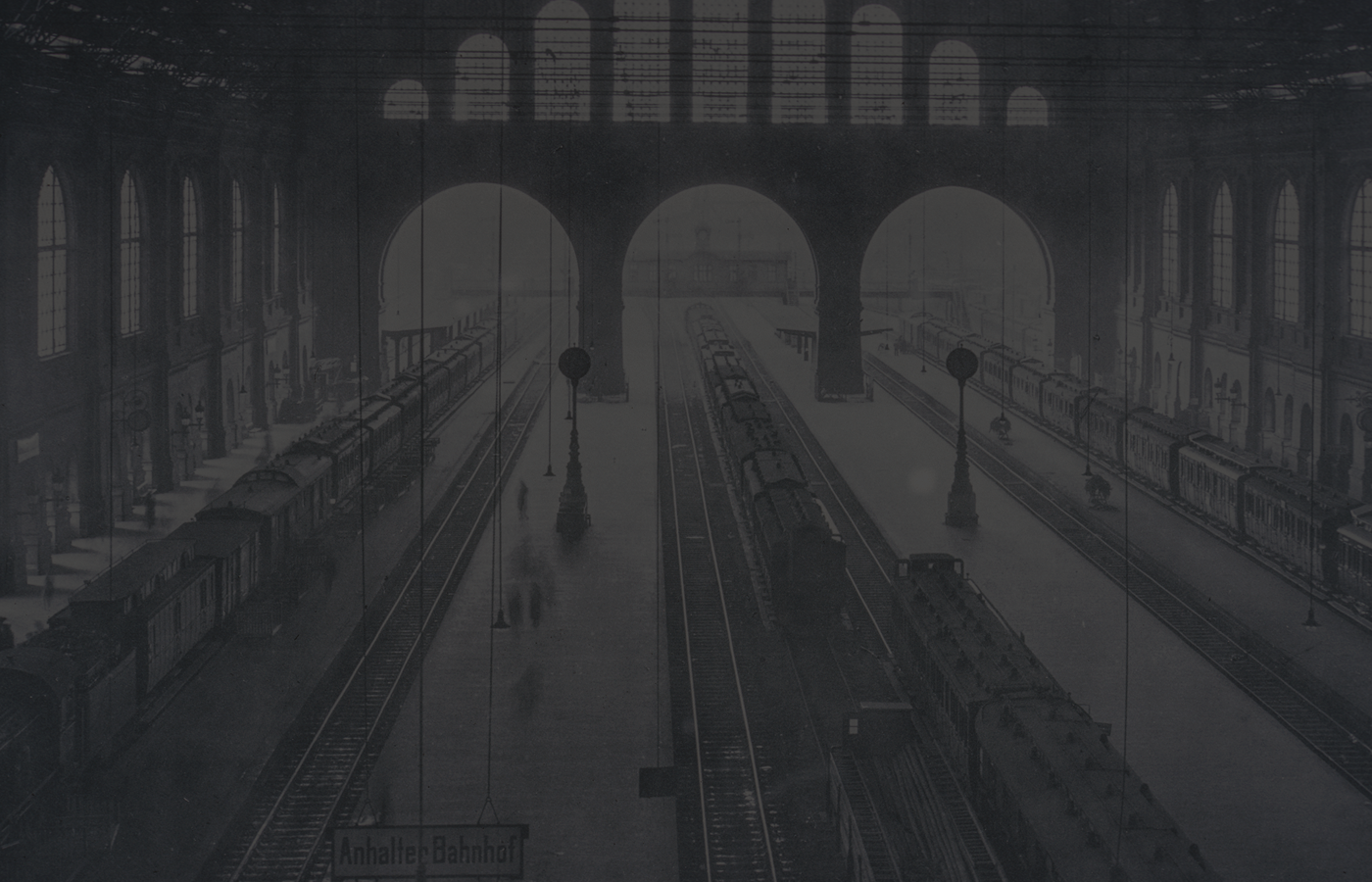
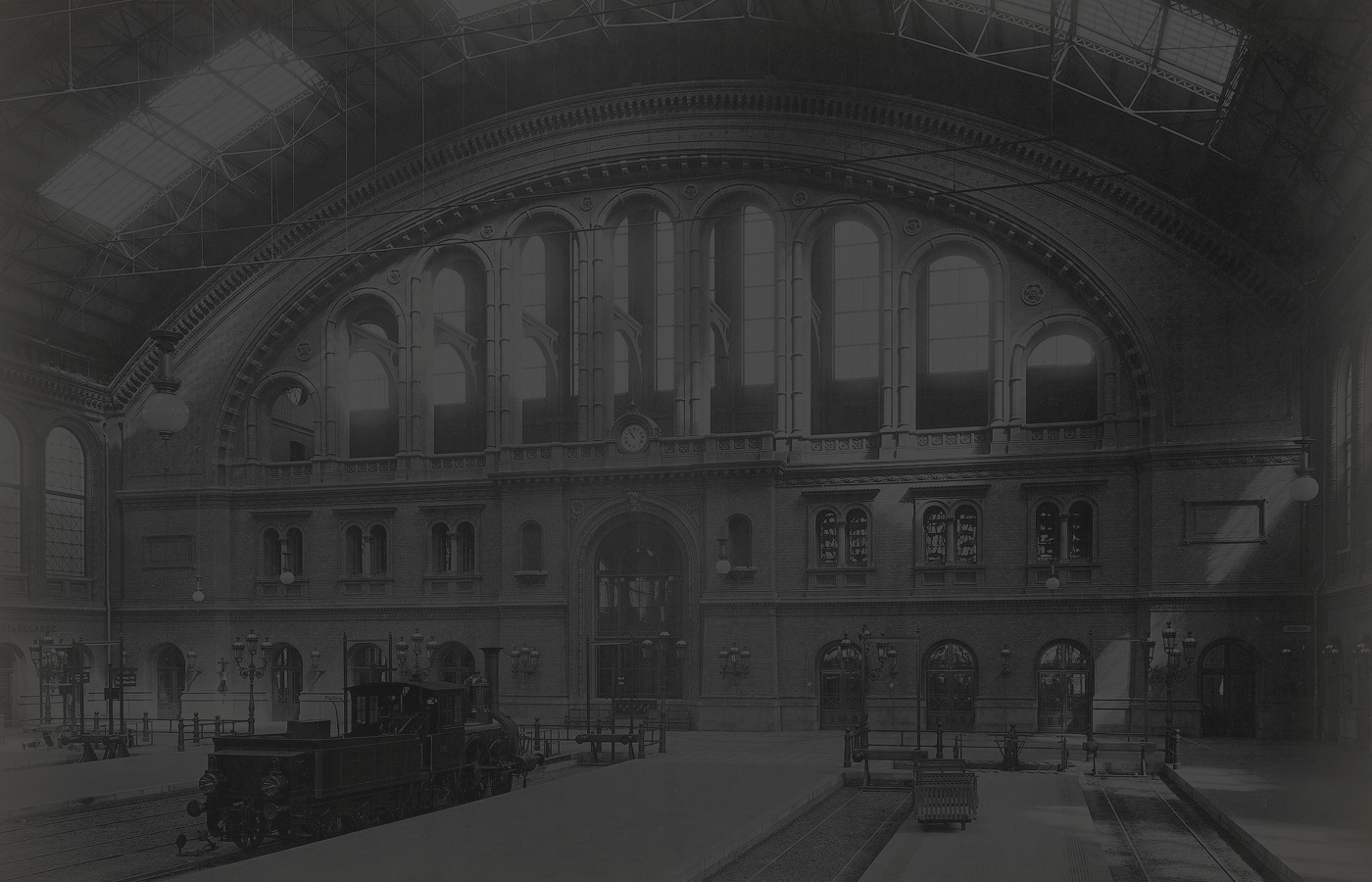
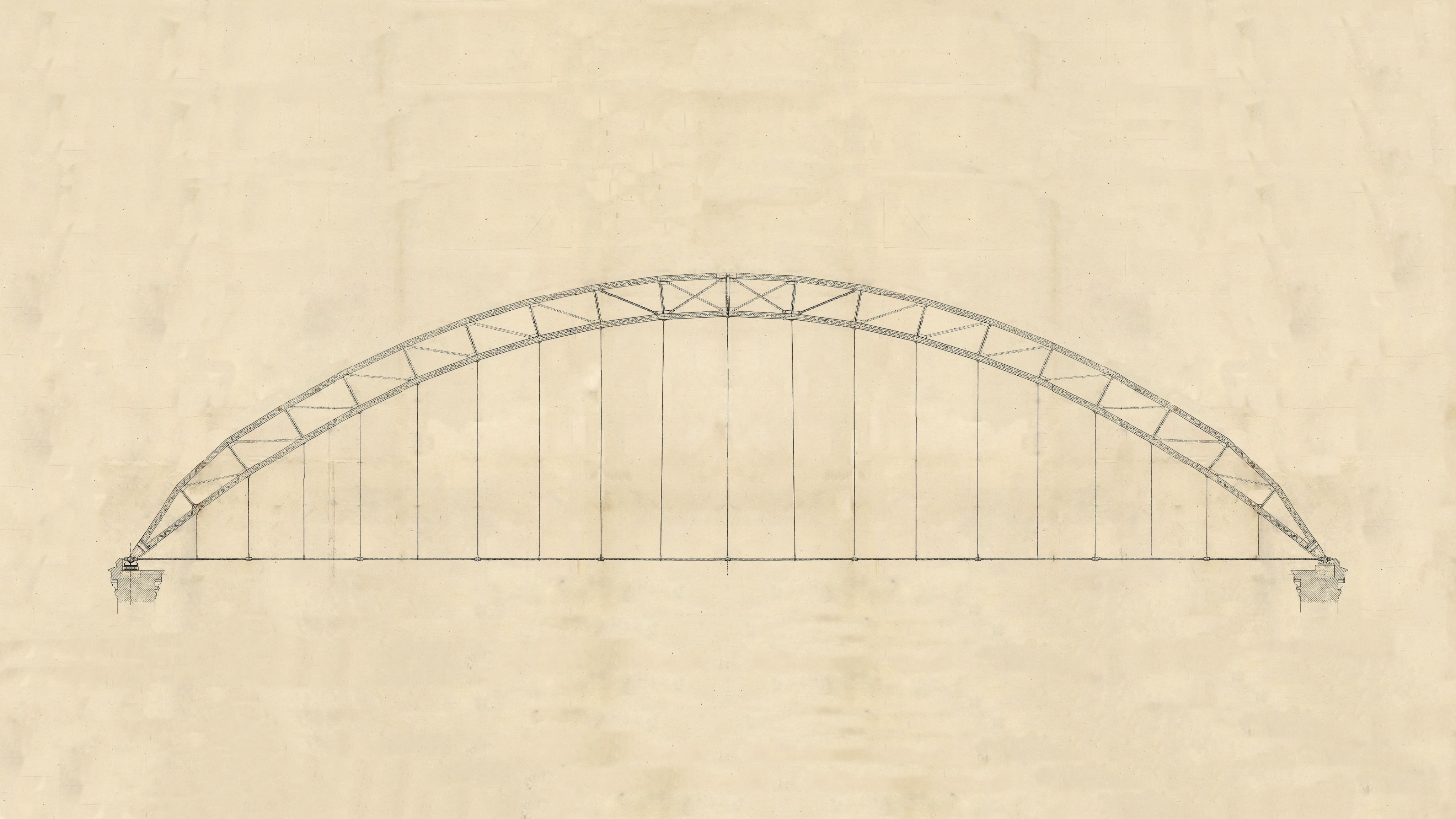
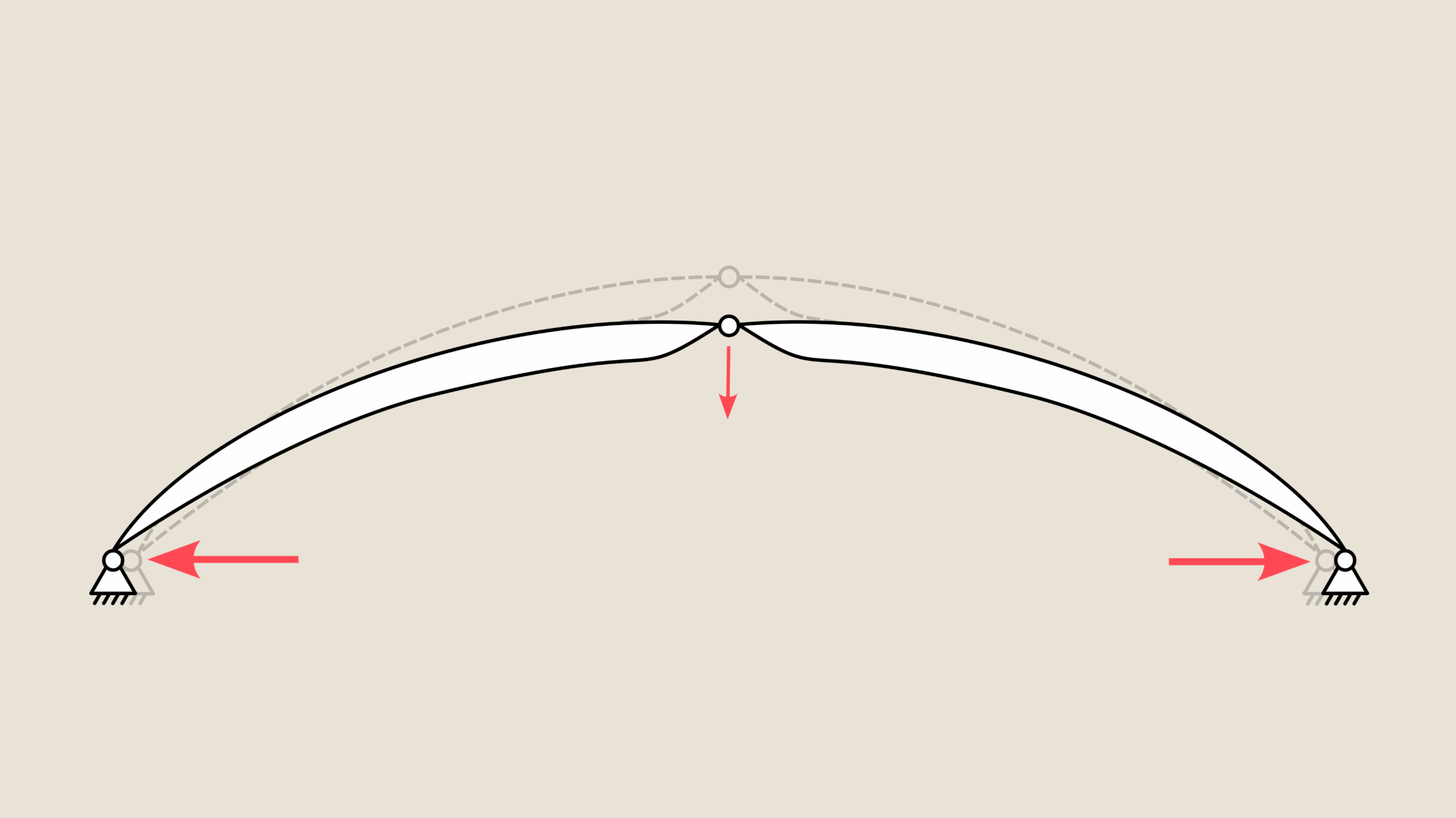
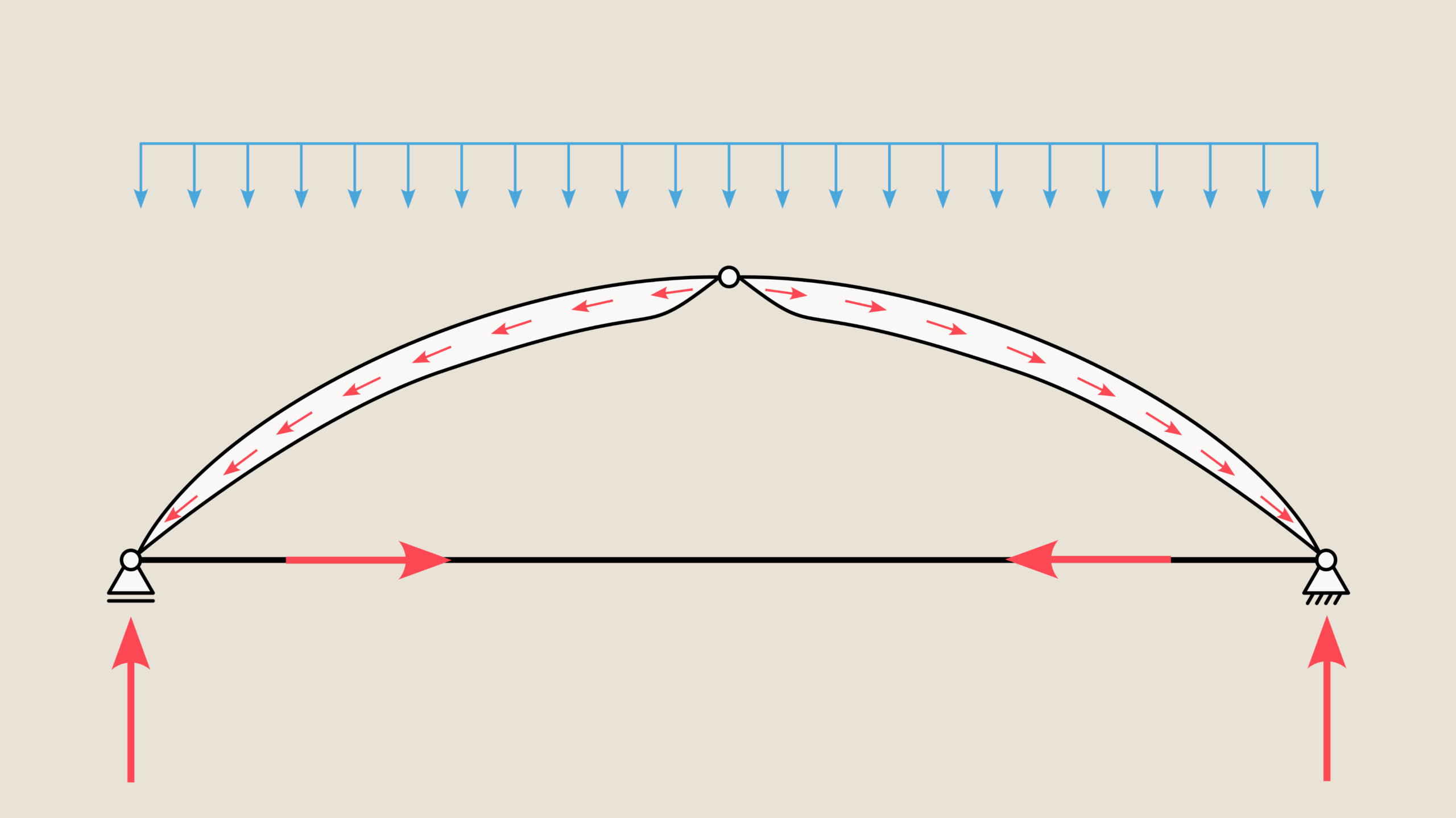
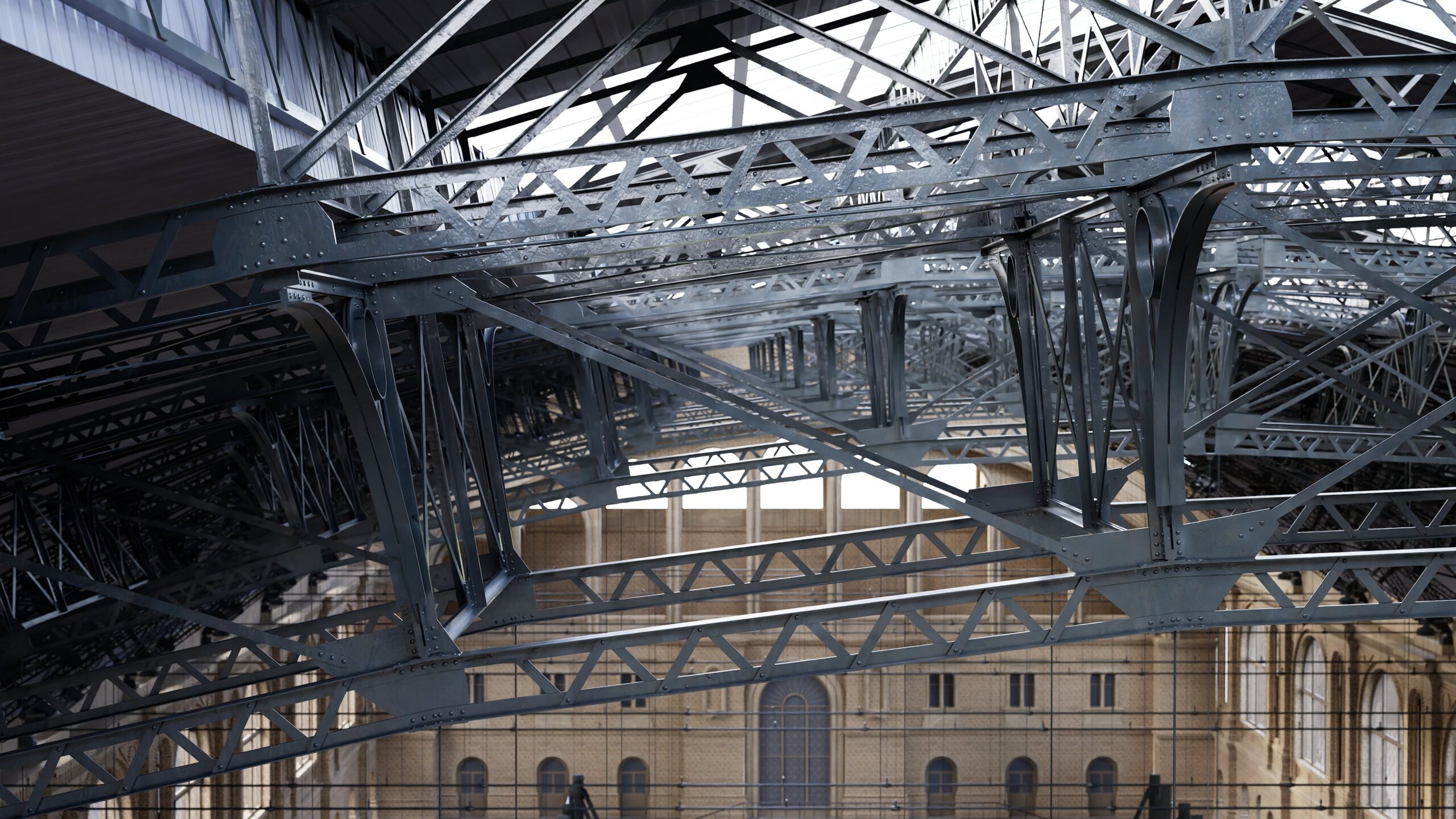
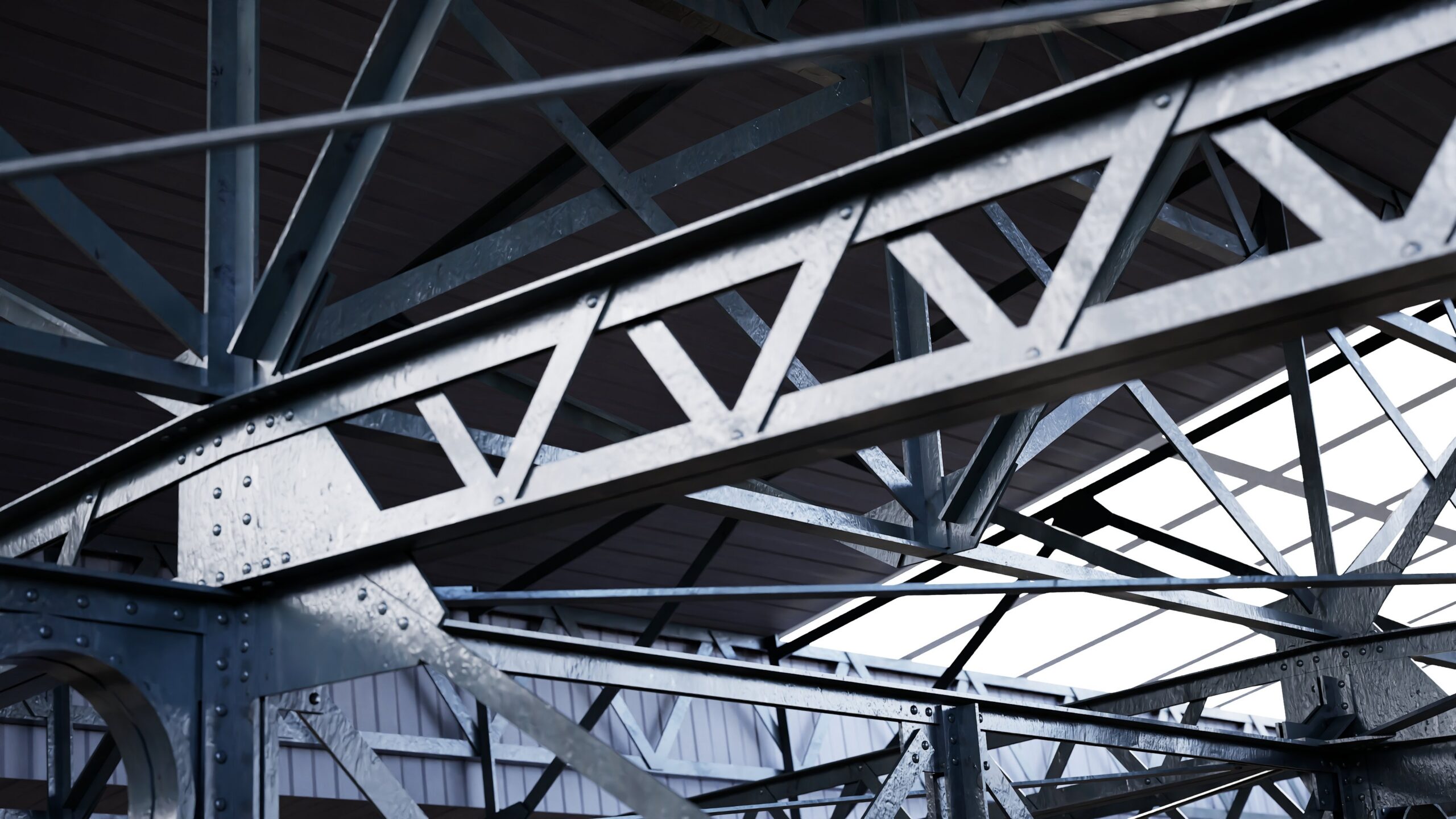
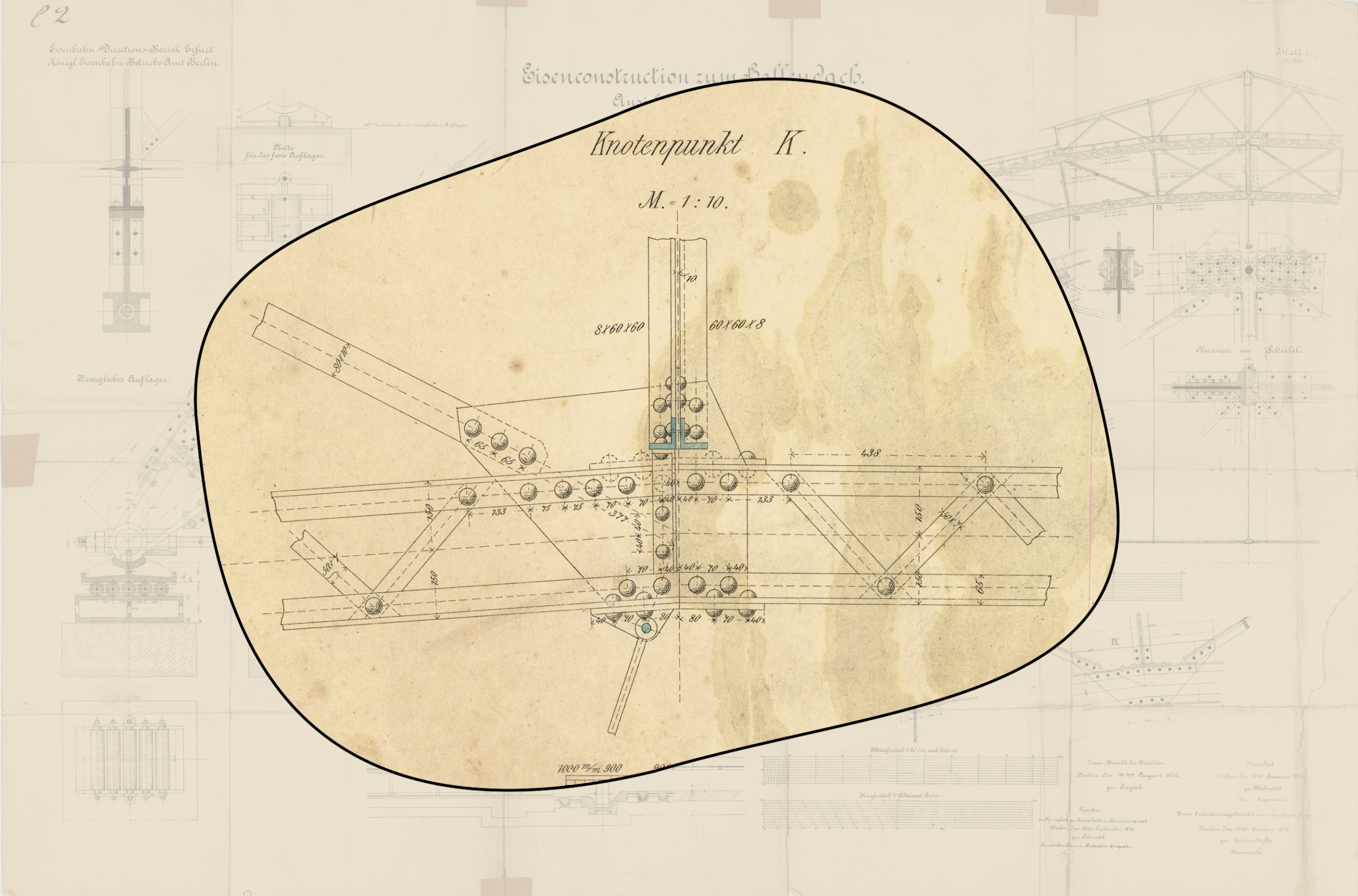
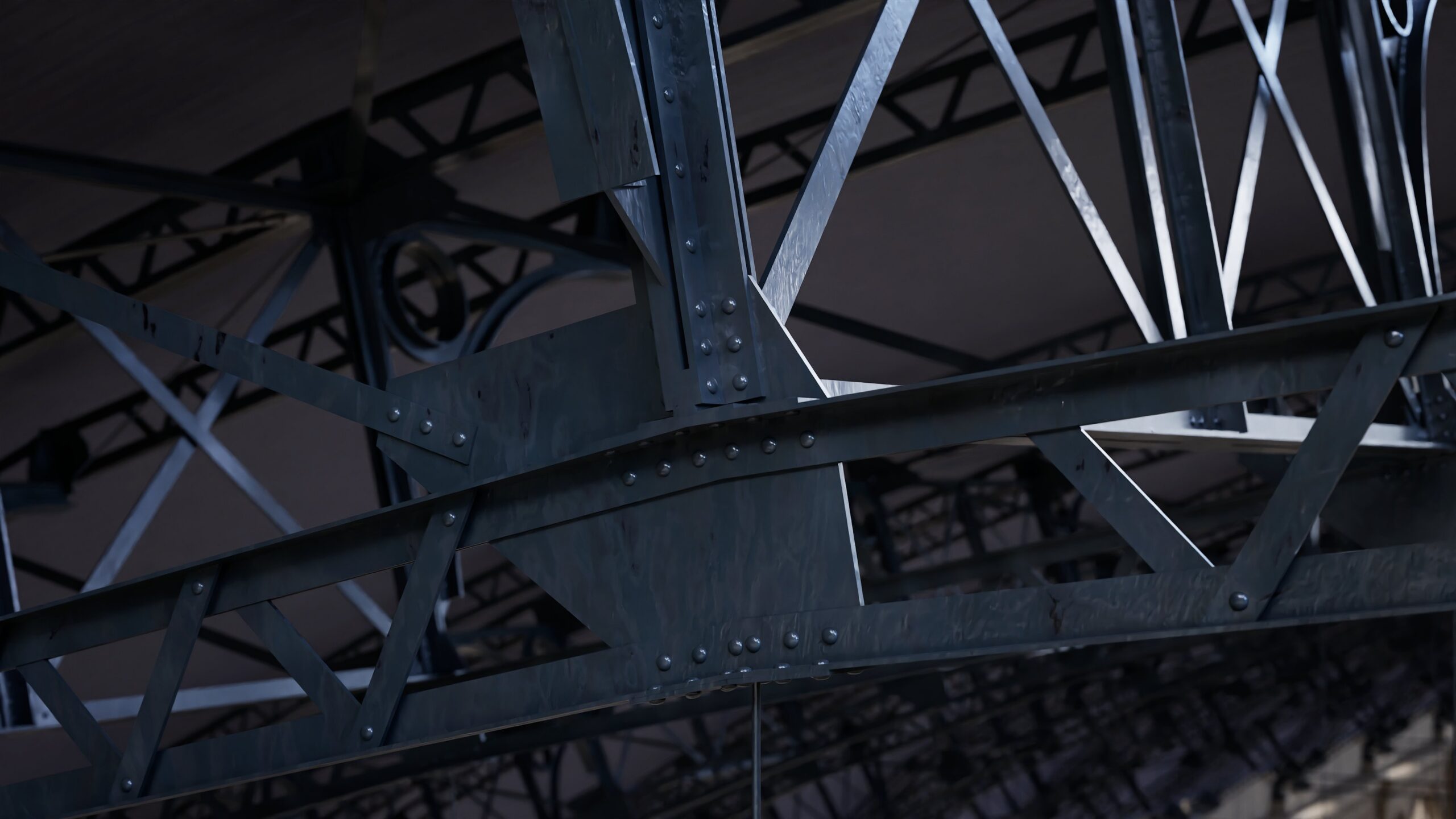
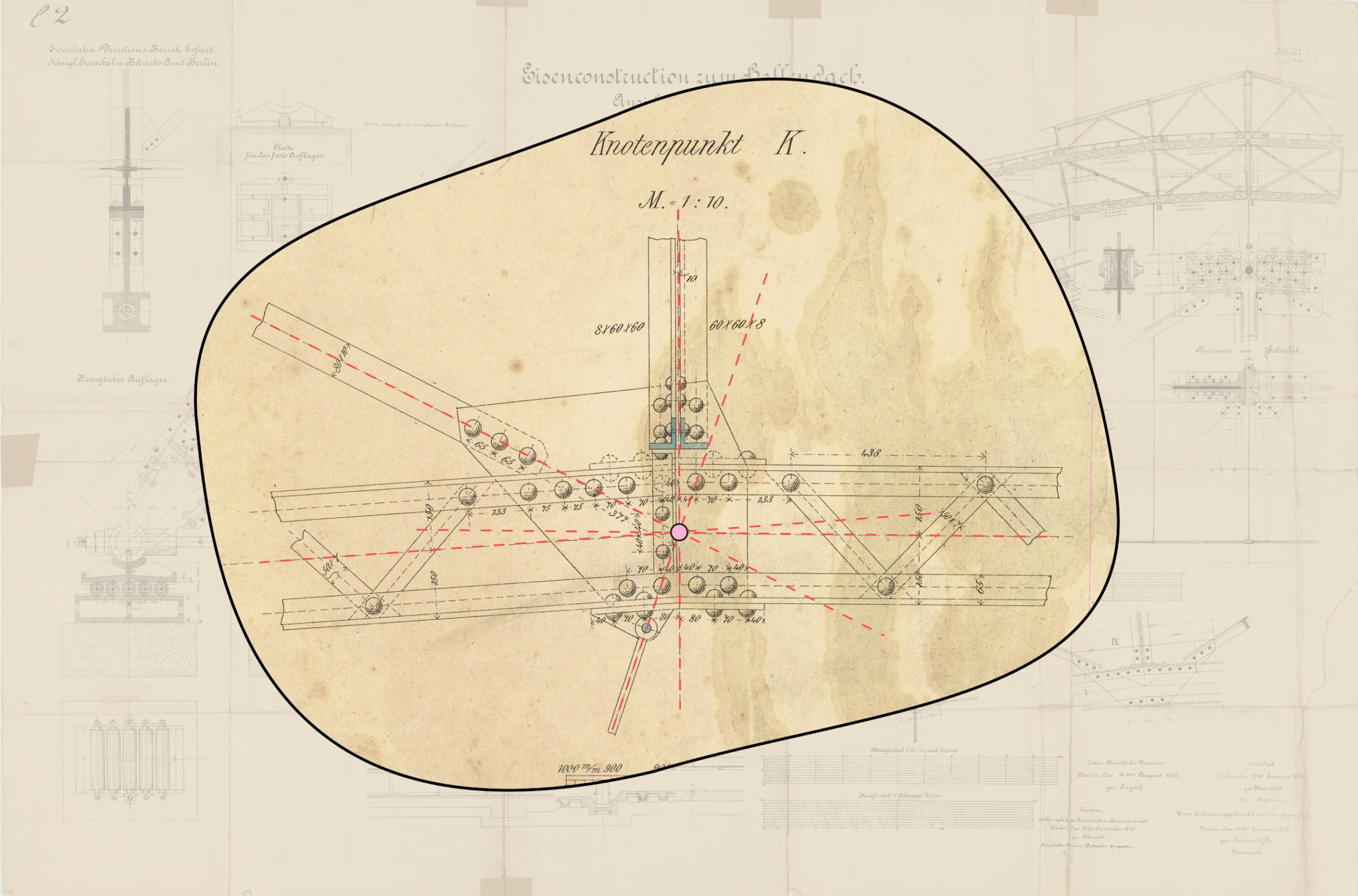
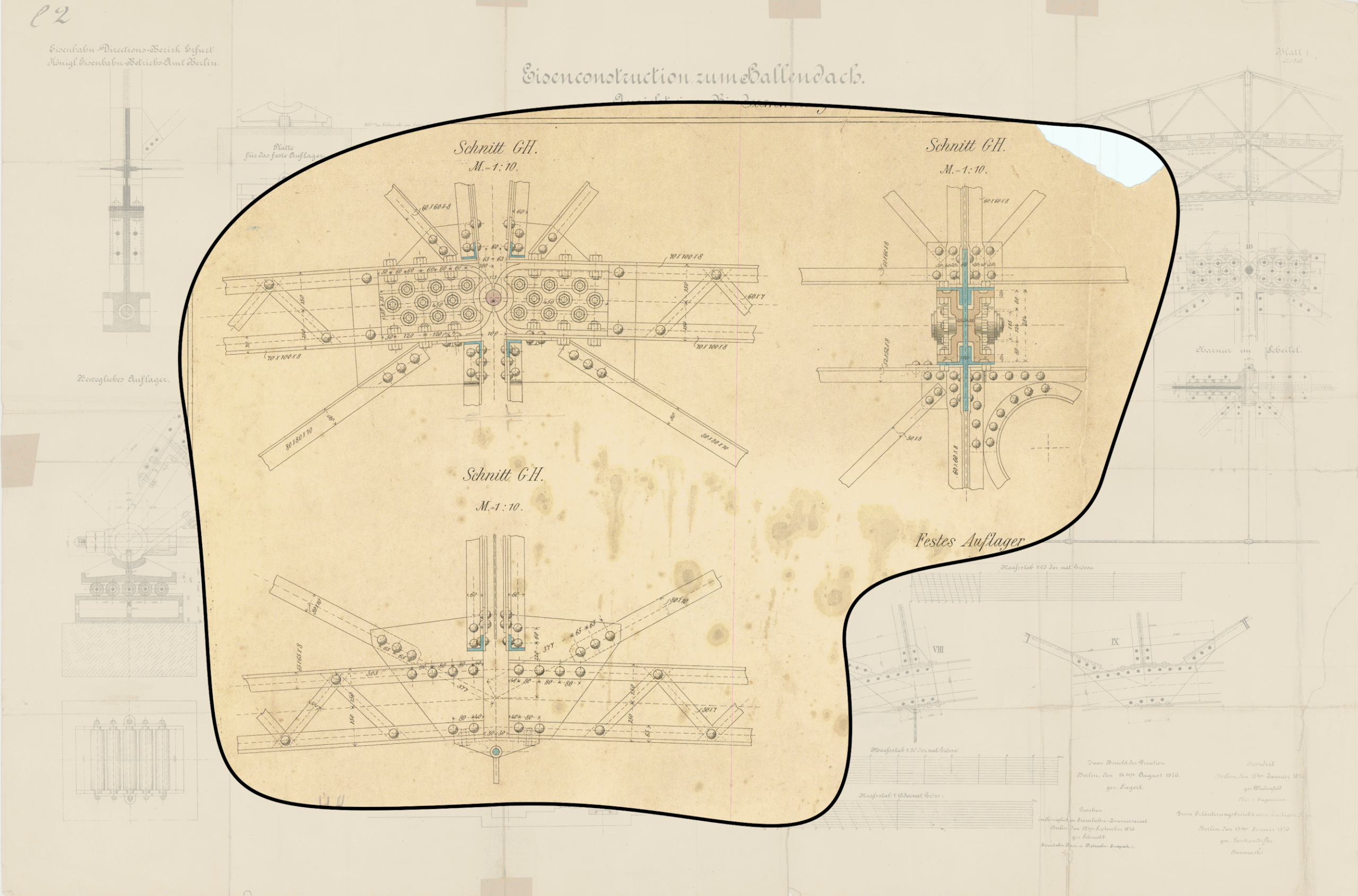
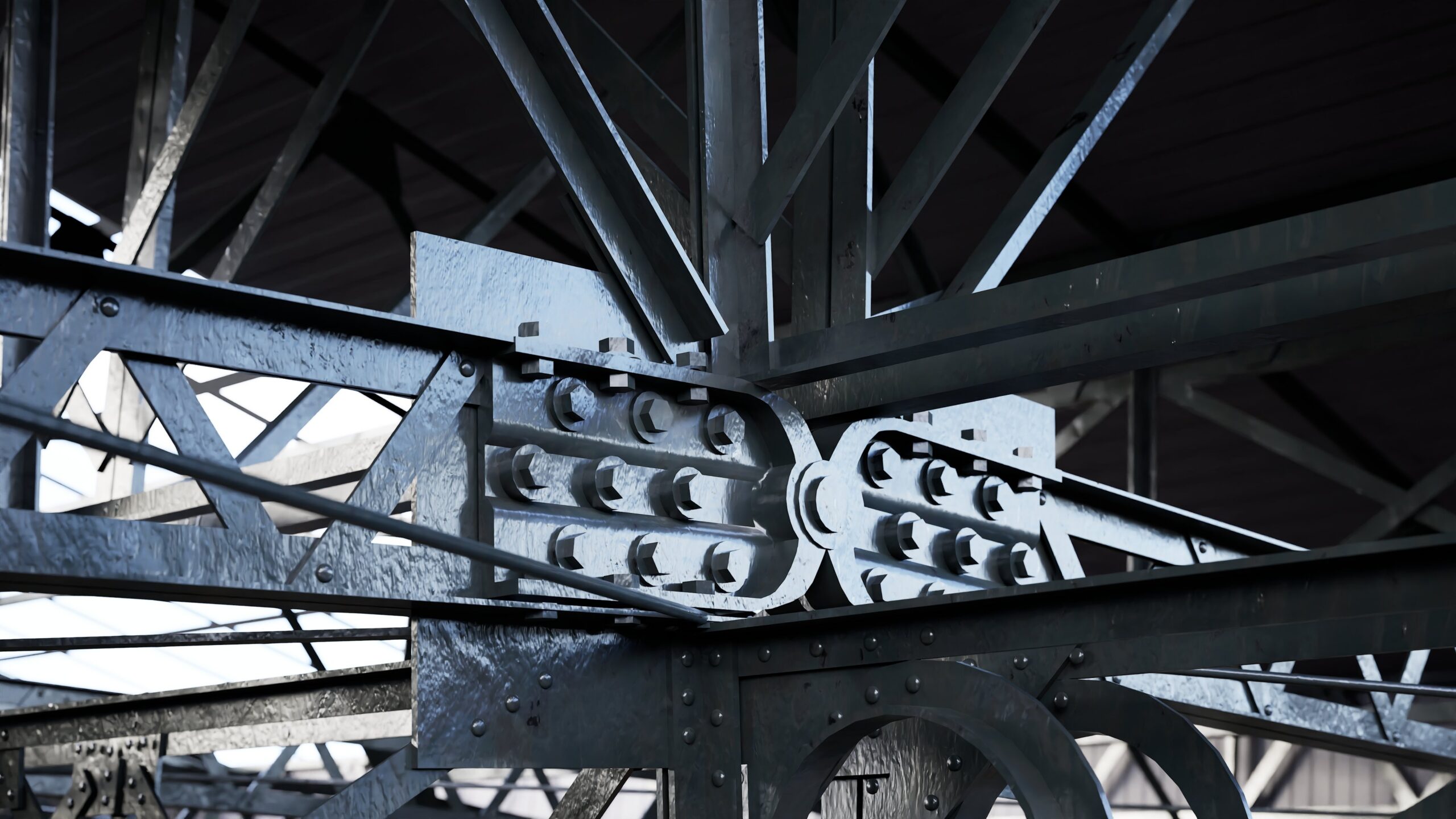
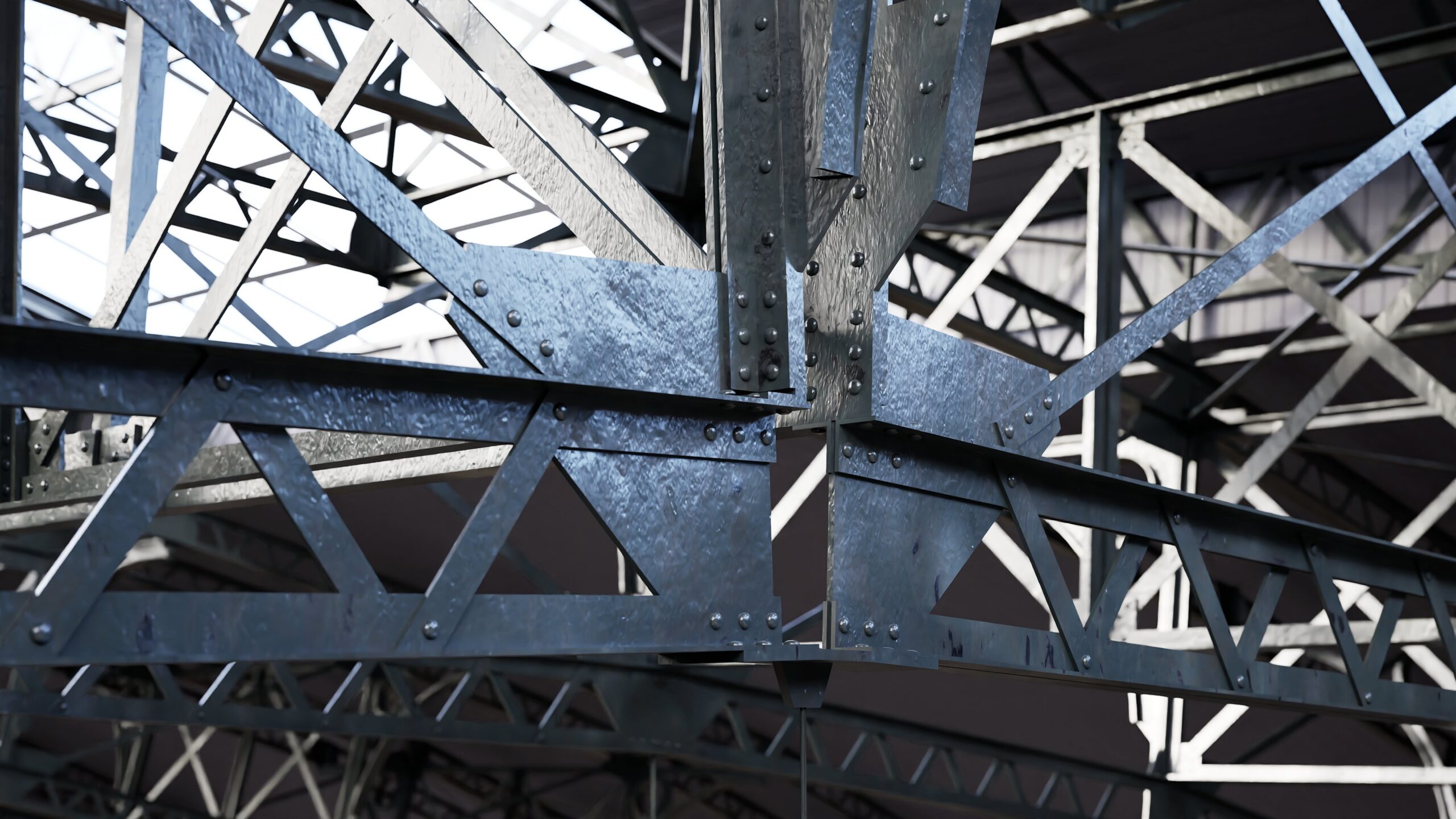
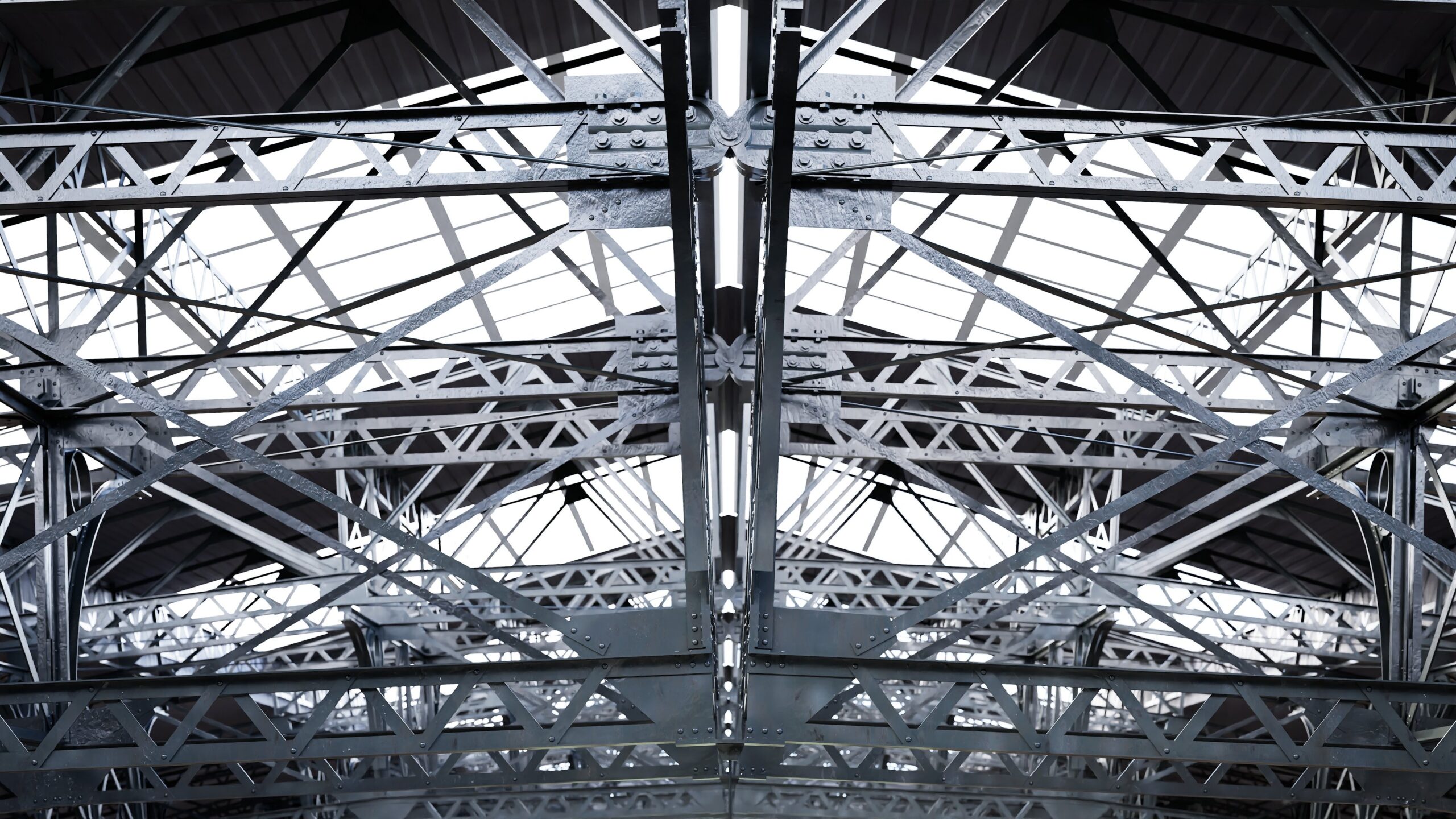
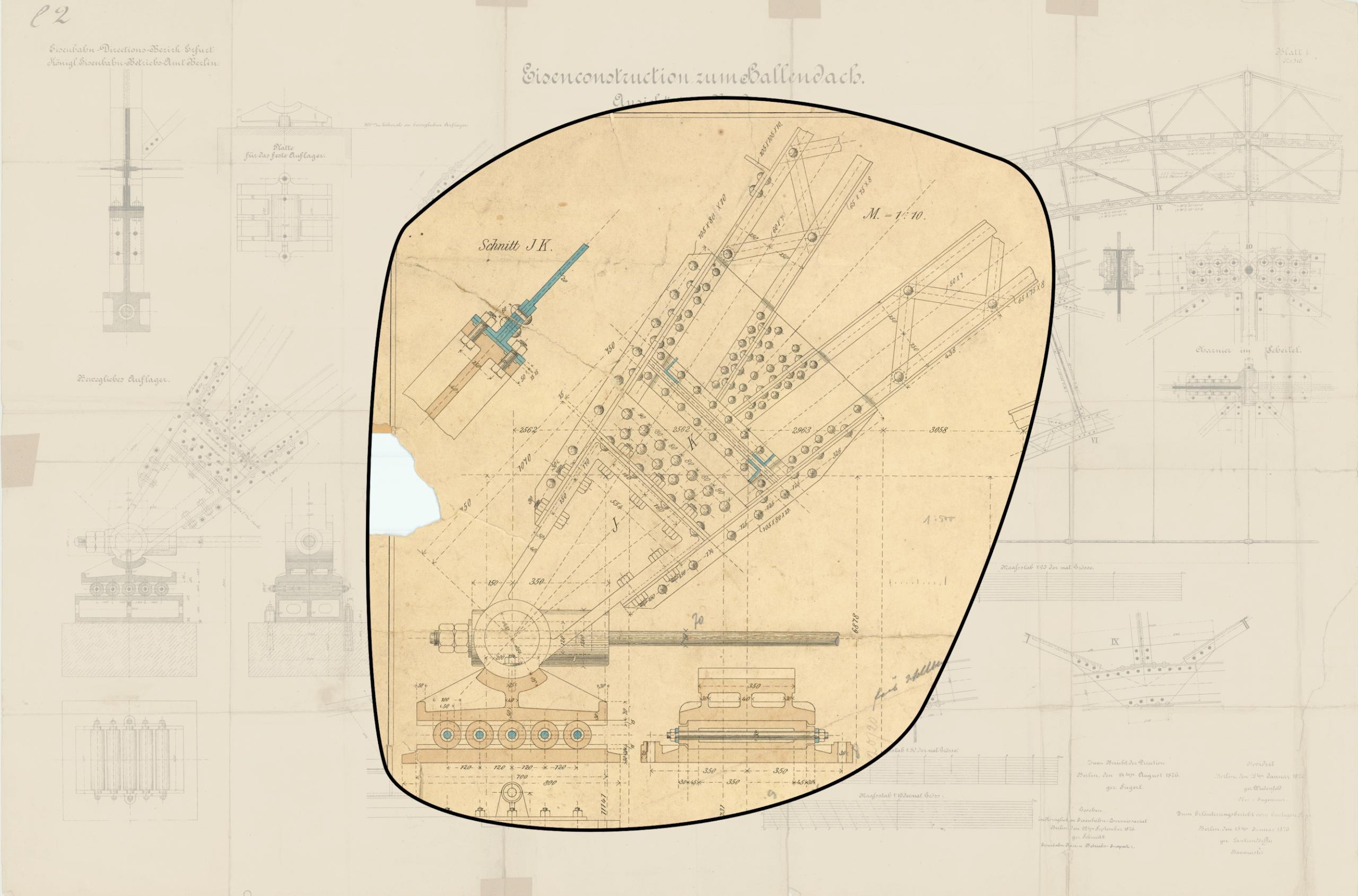
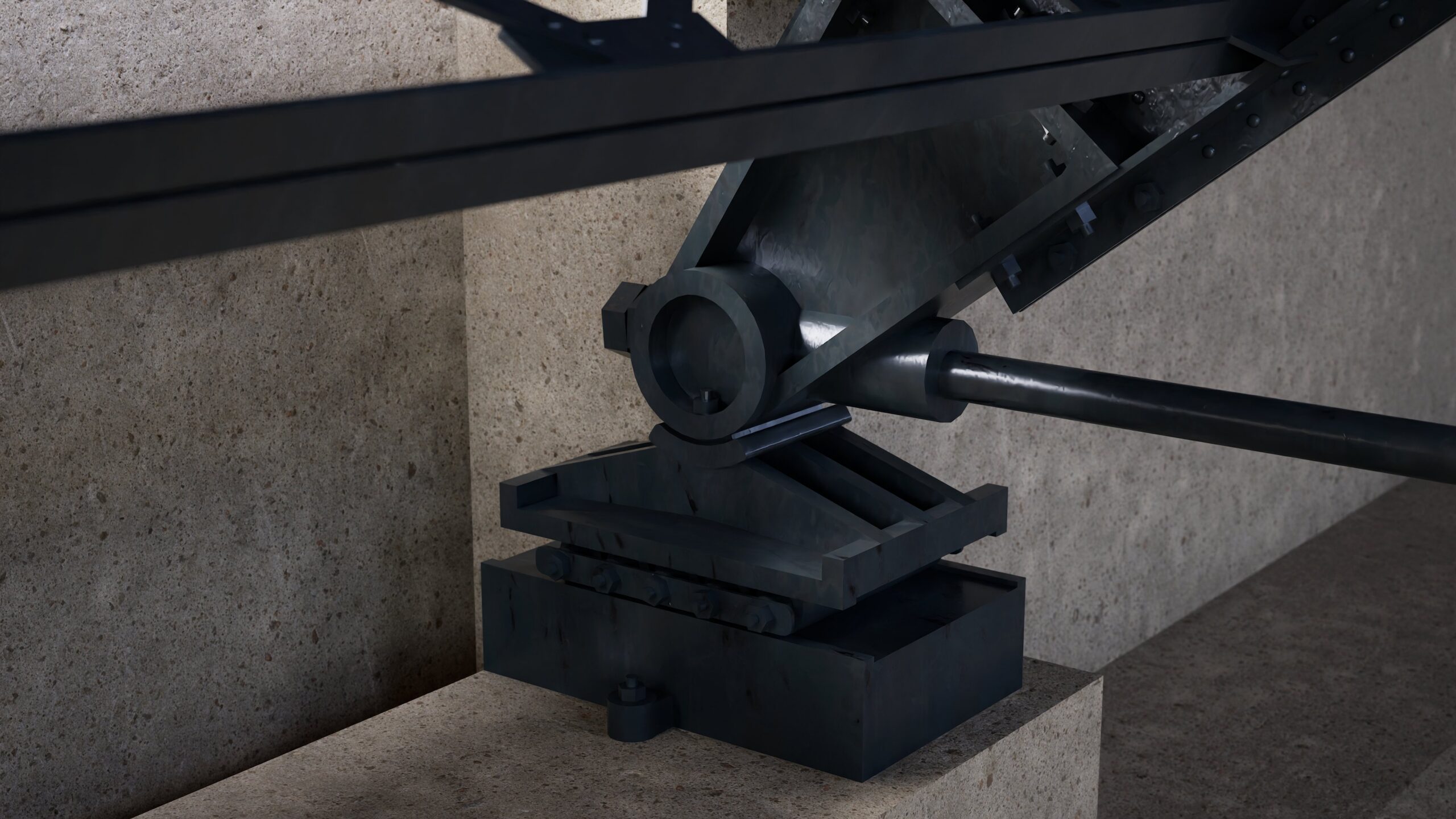
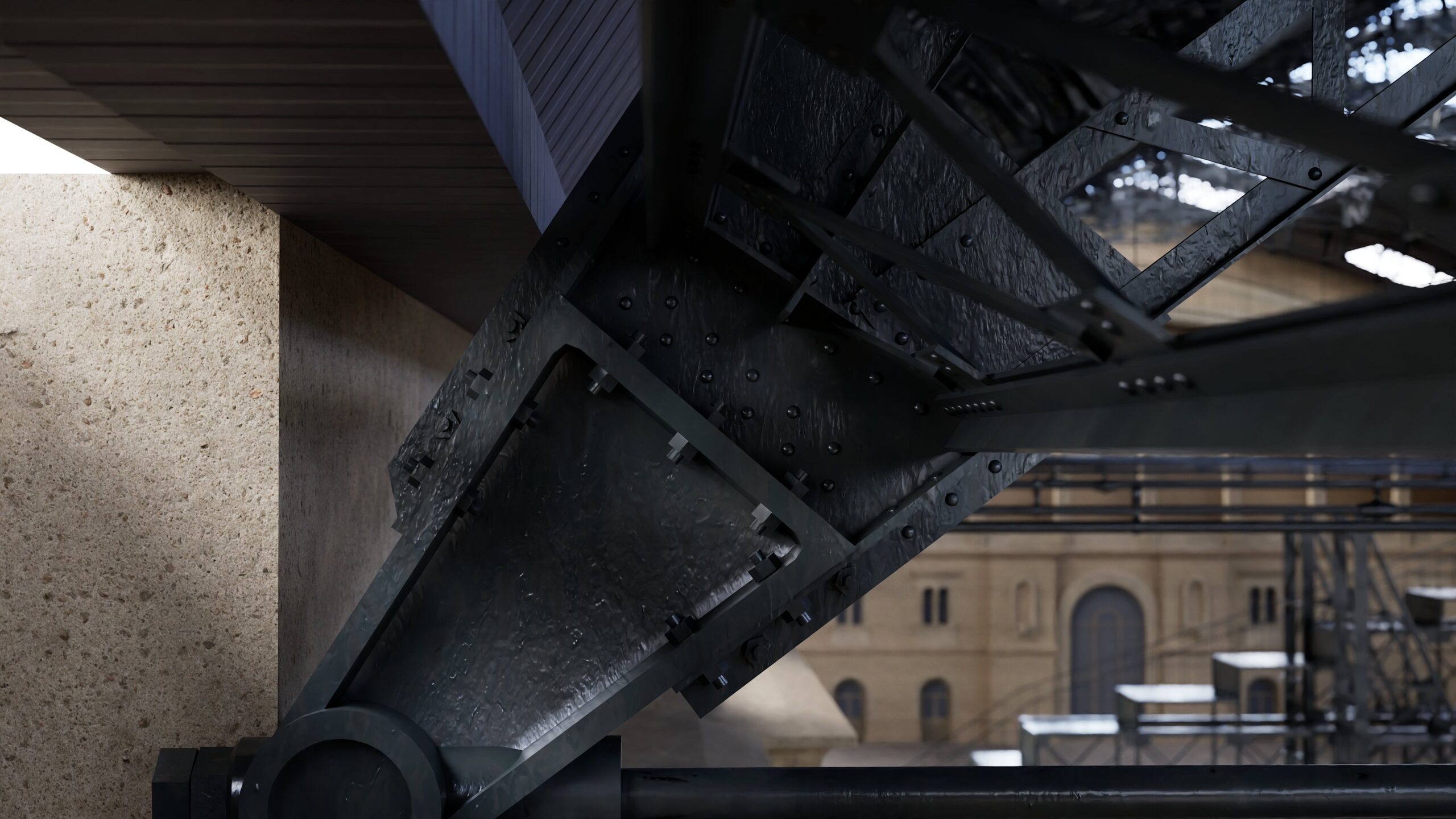
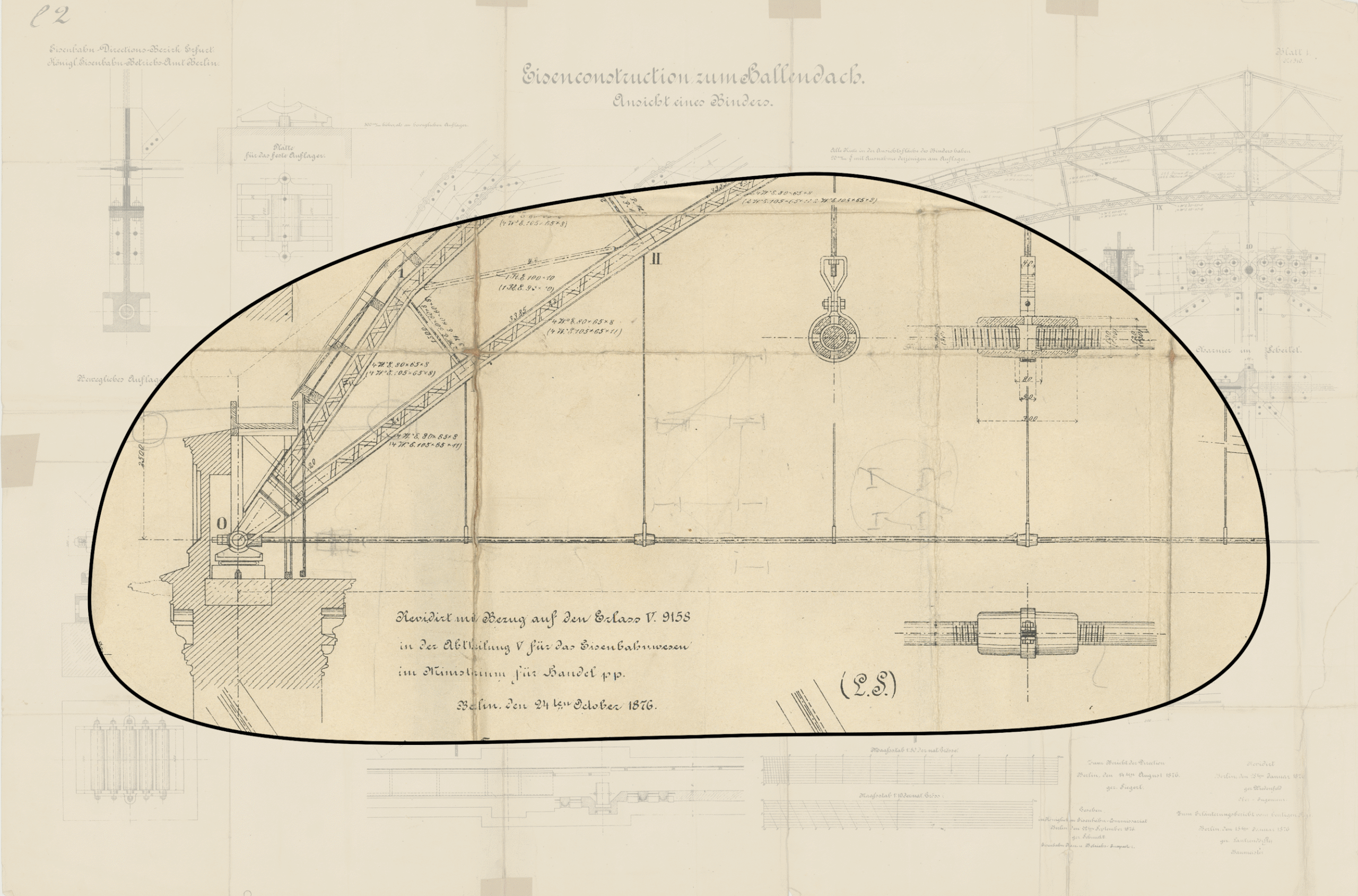
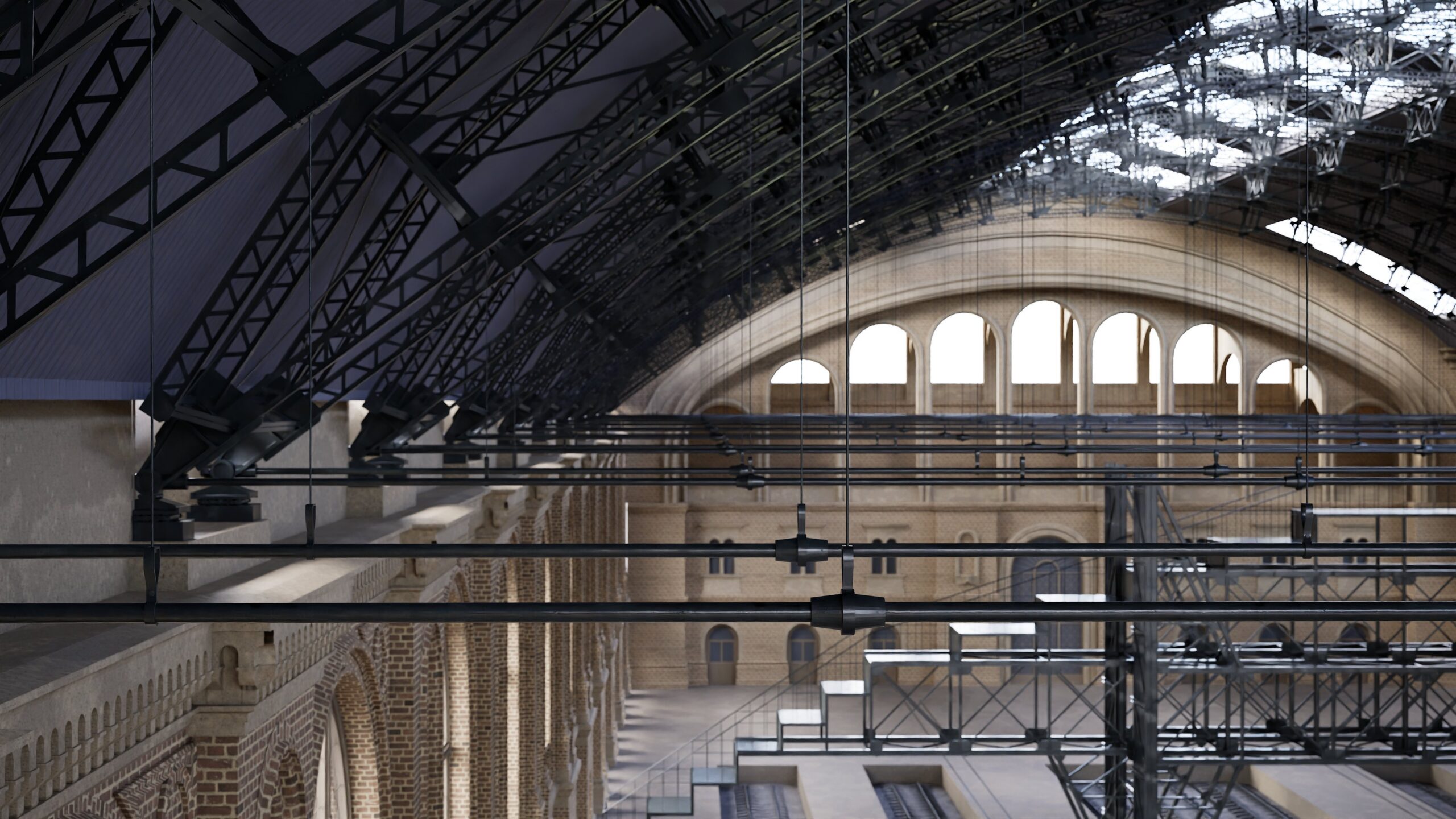
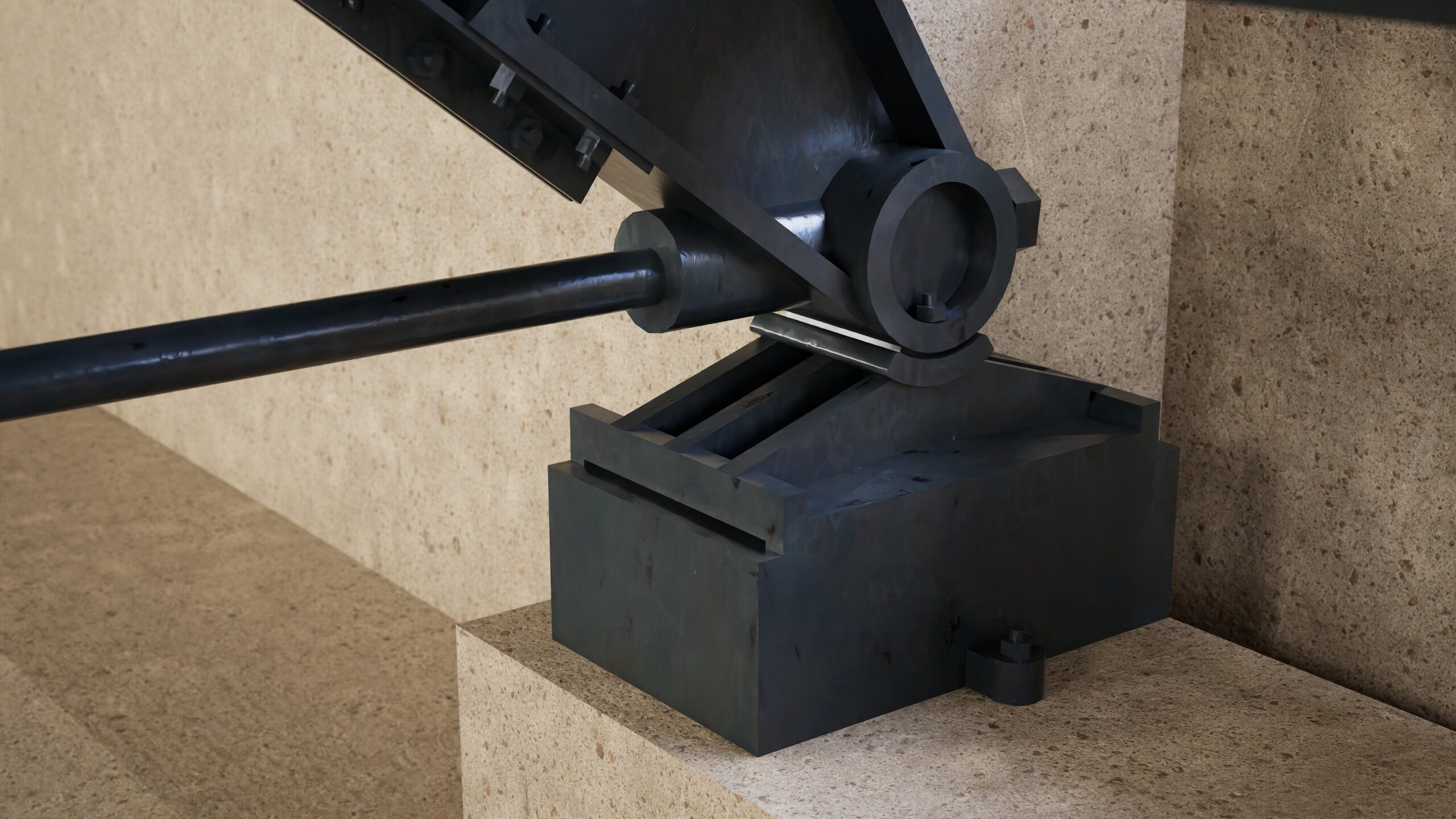
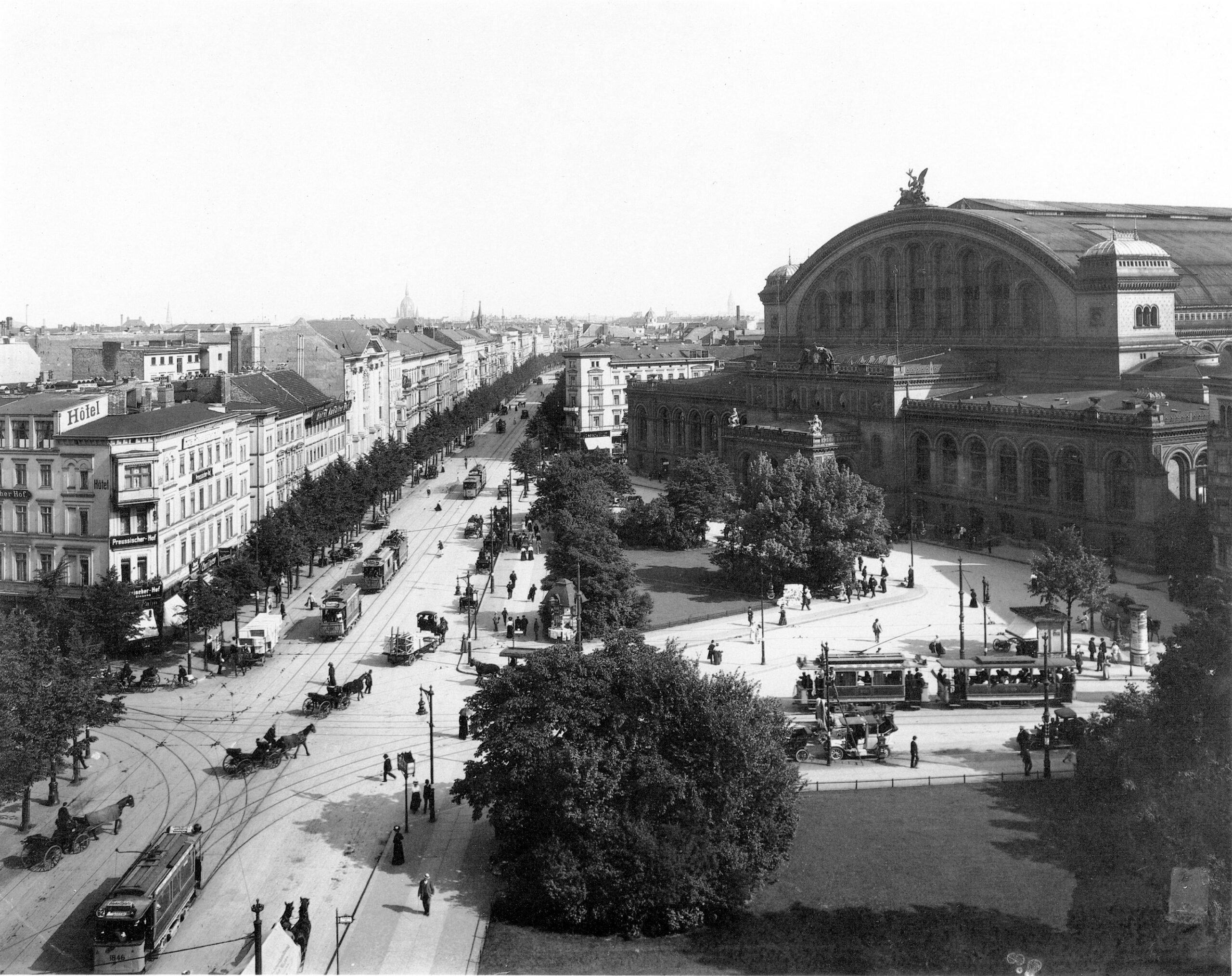
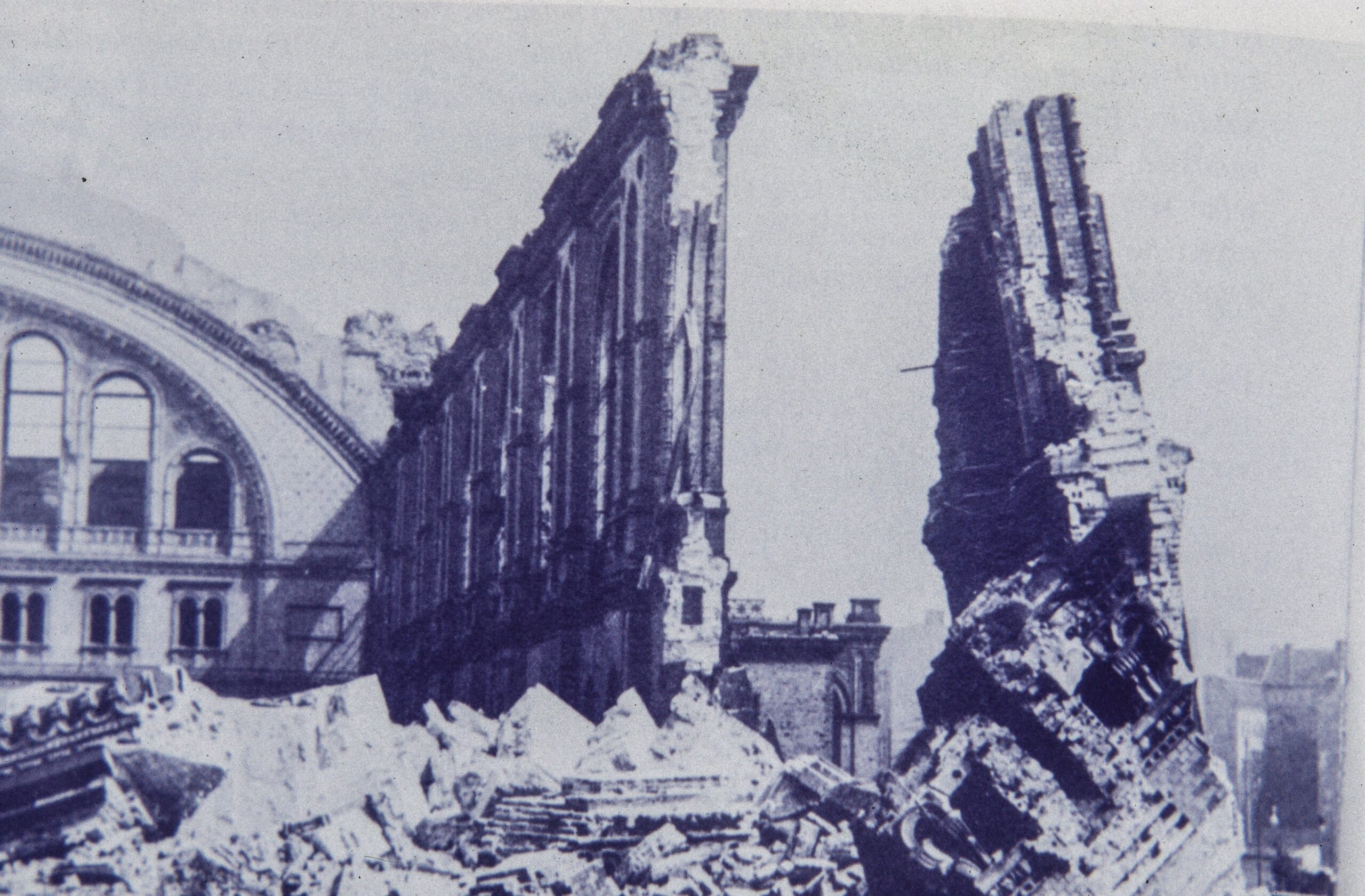
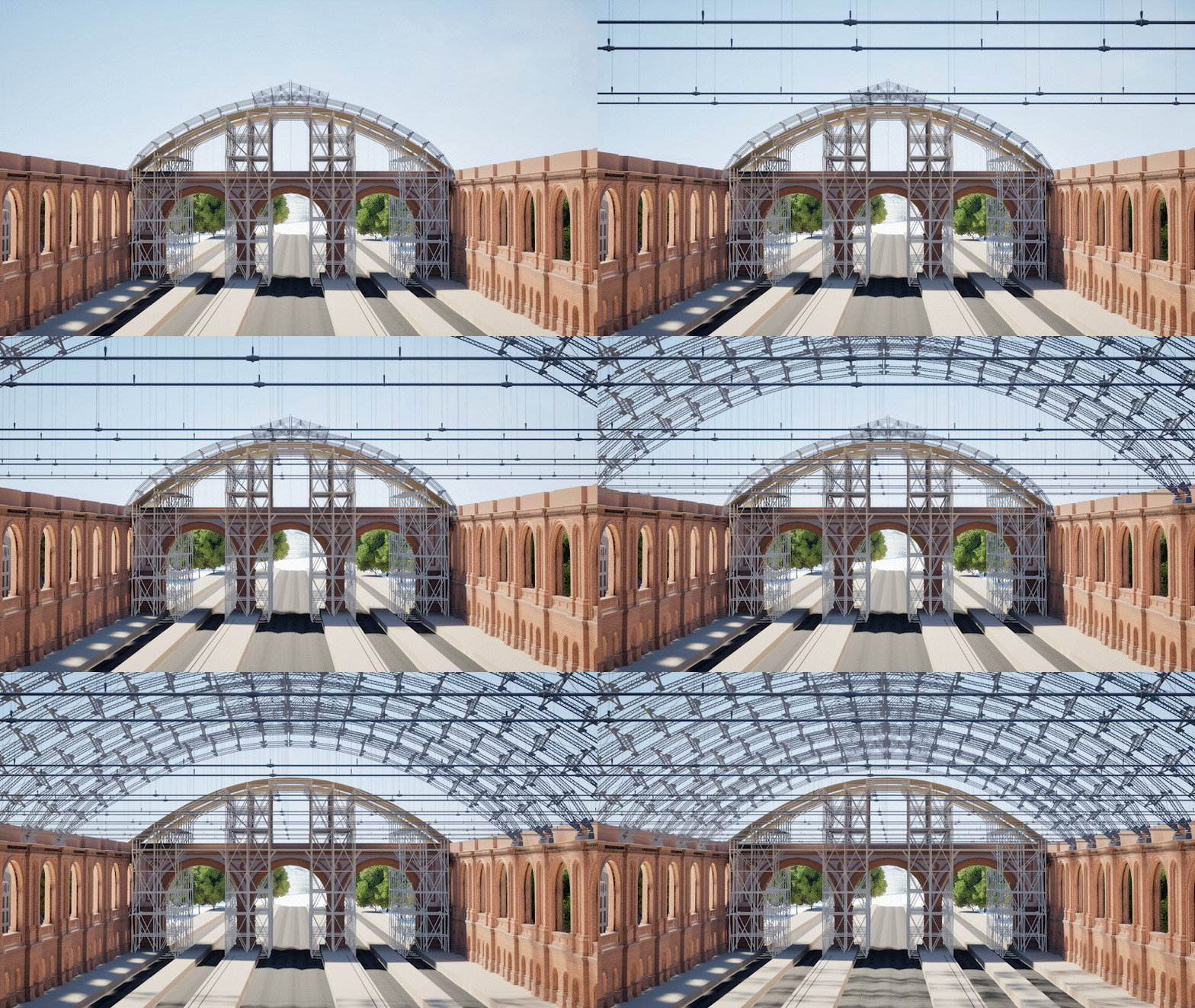
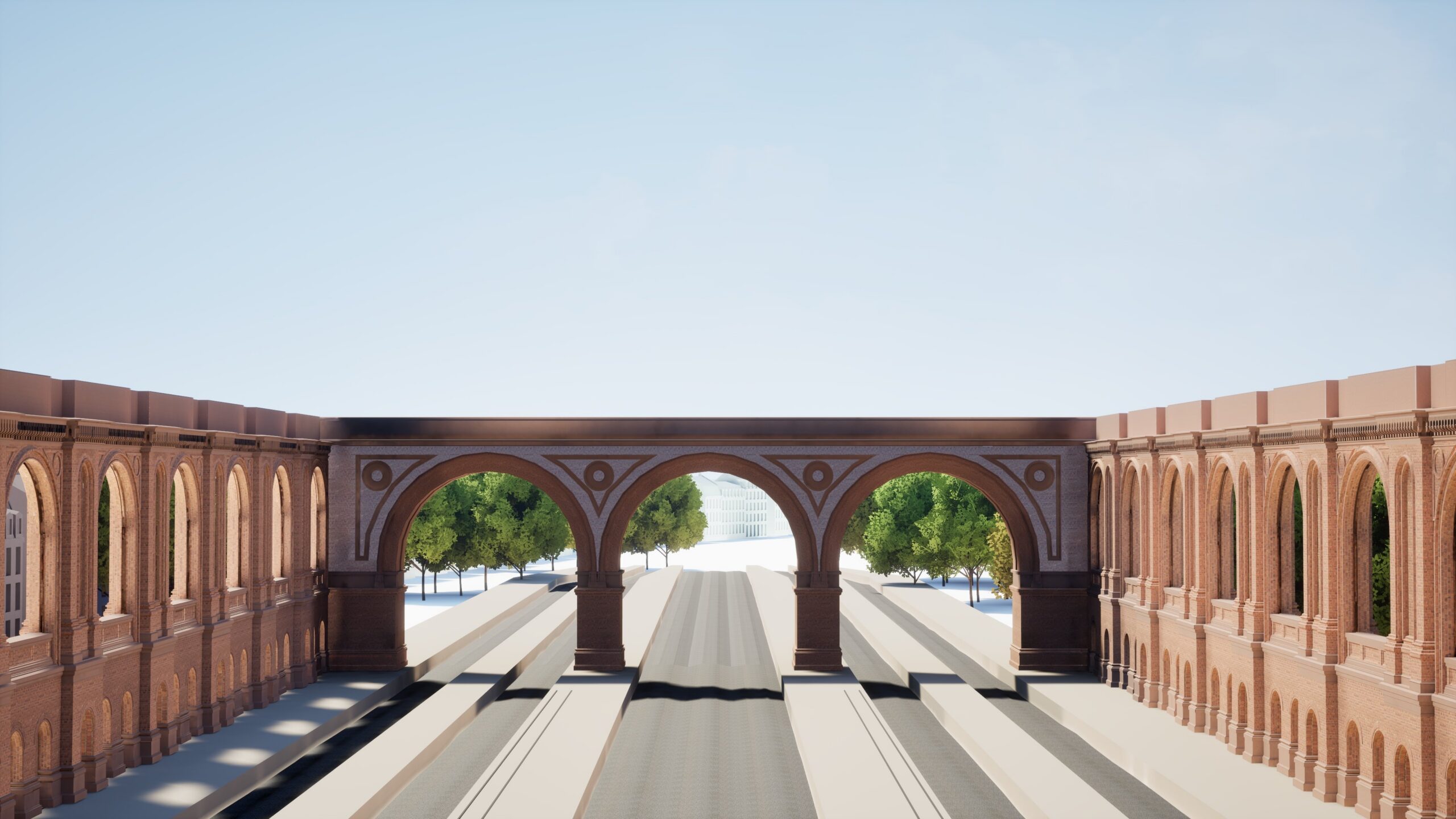
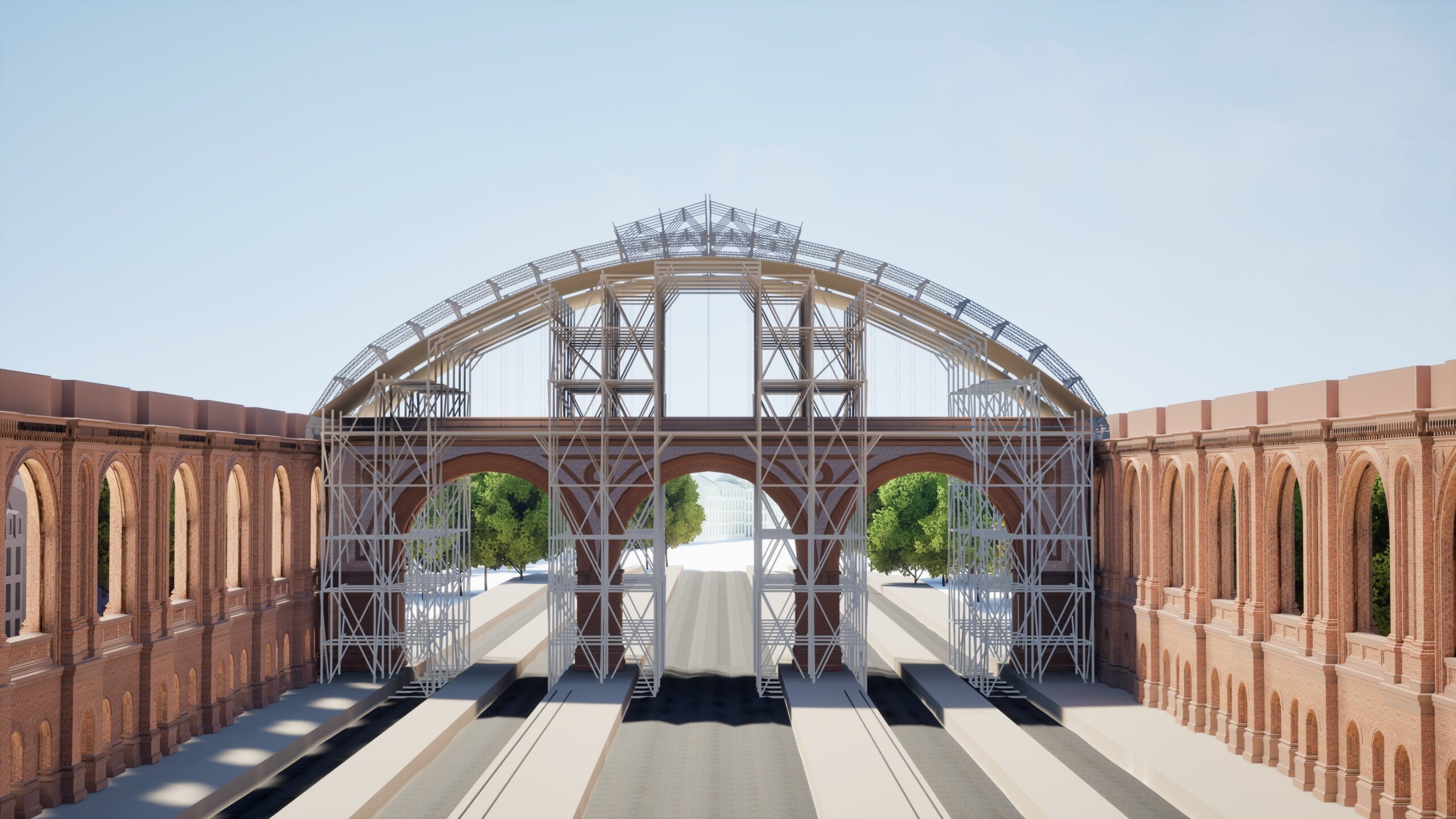
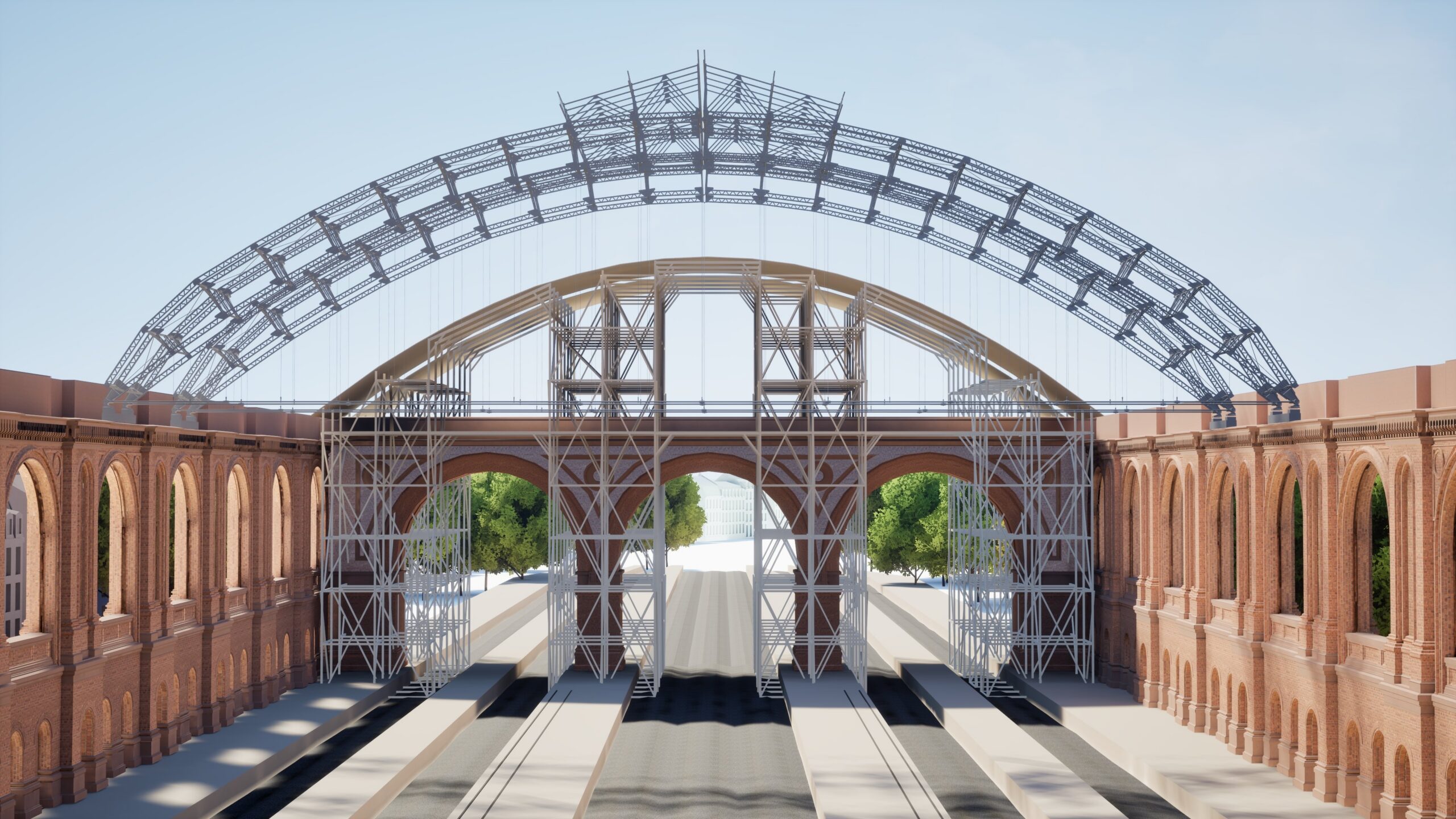
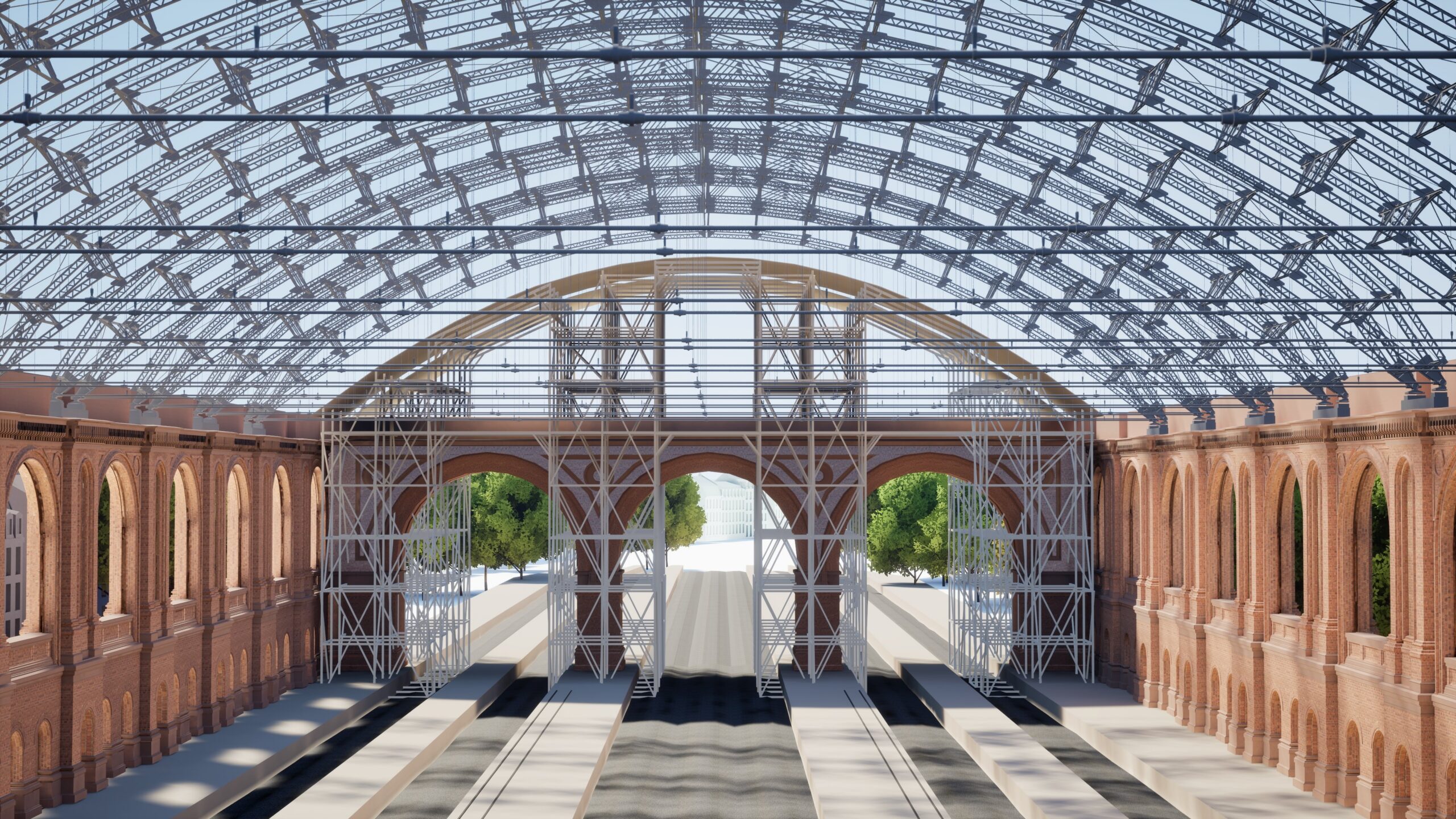
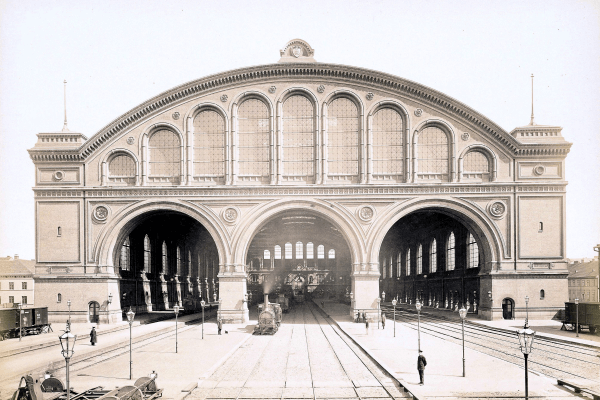
Anhalter Bahnhof:
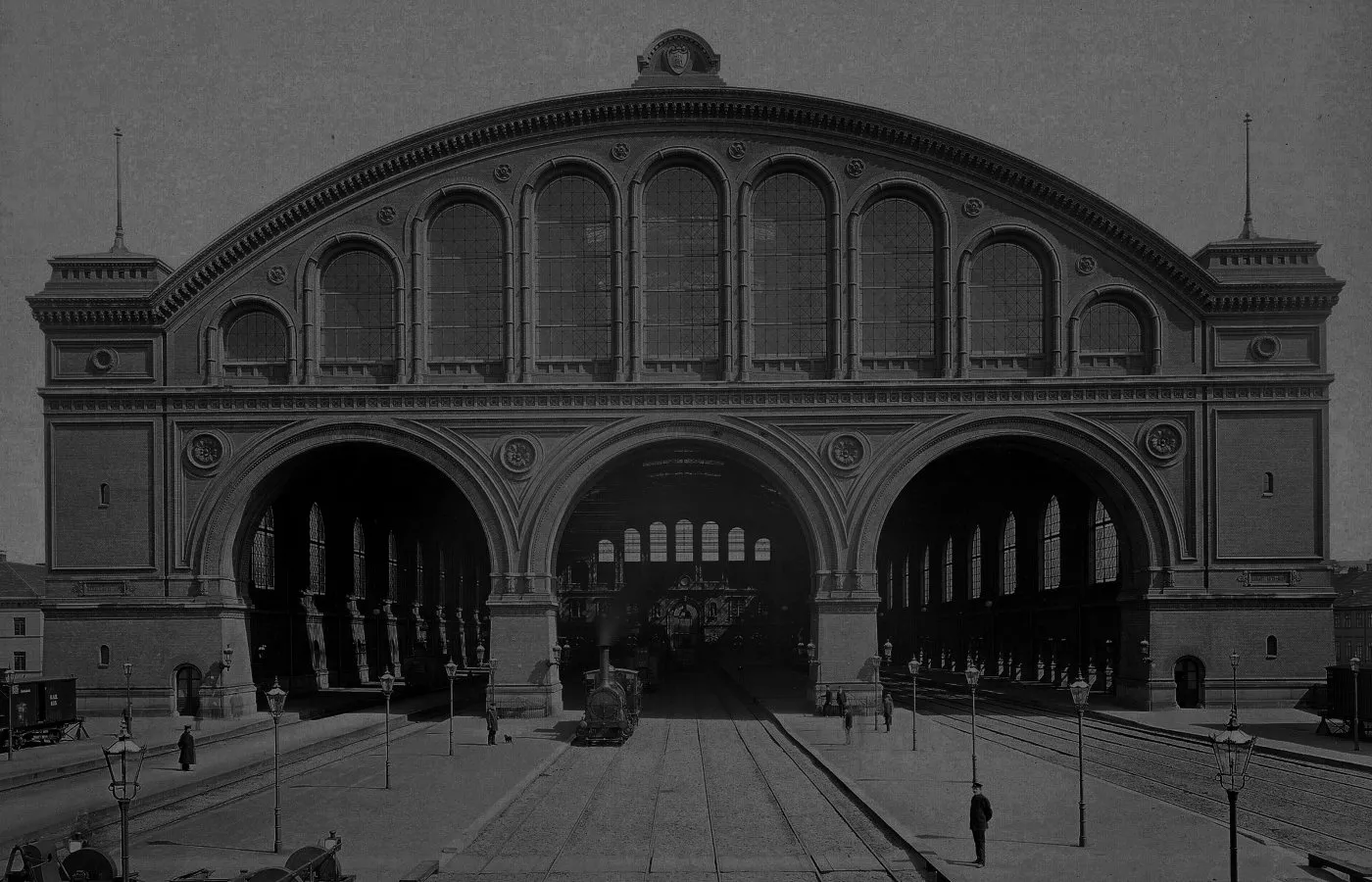
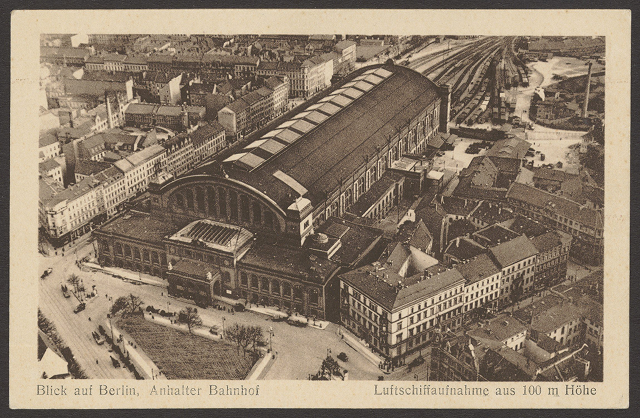
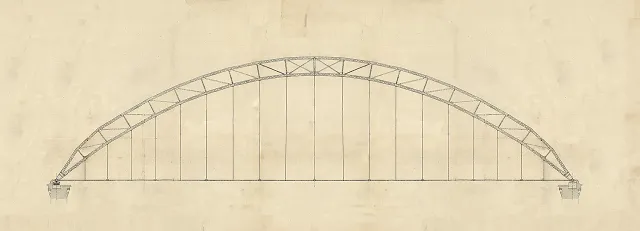
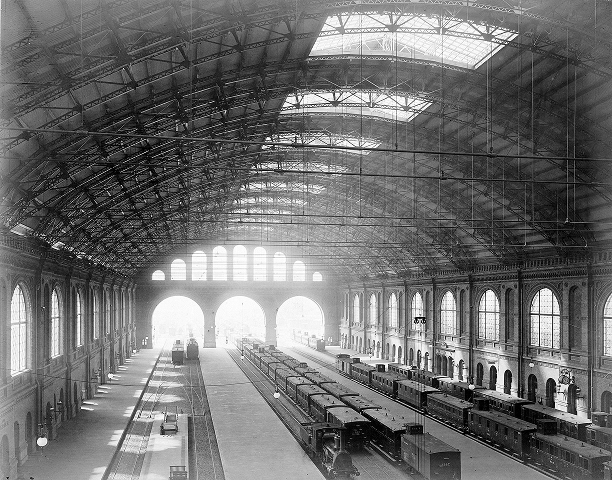
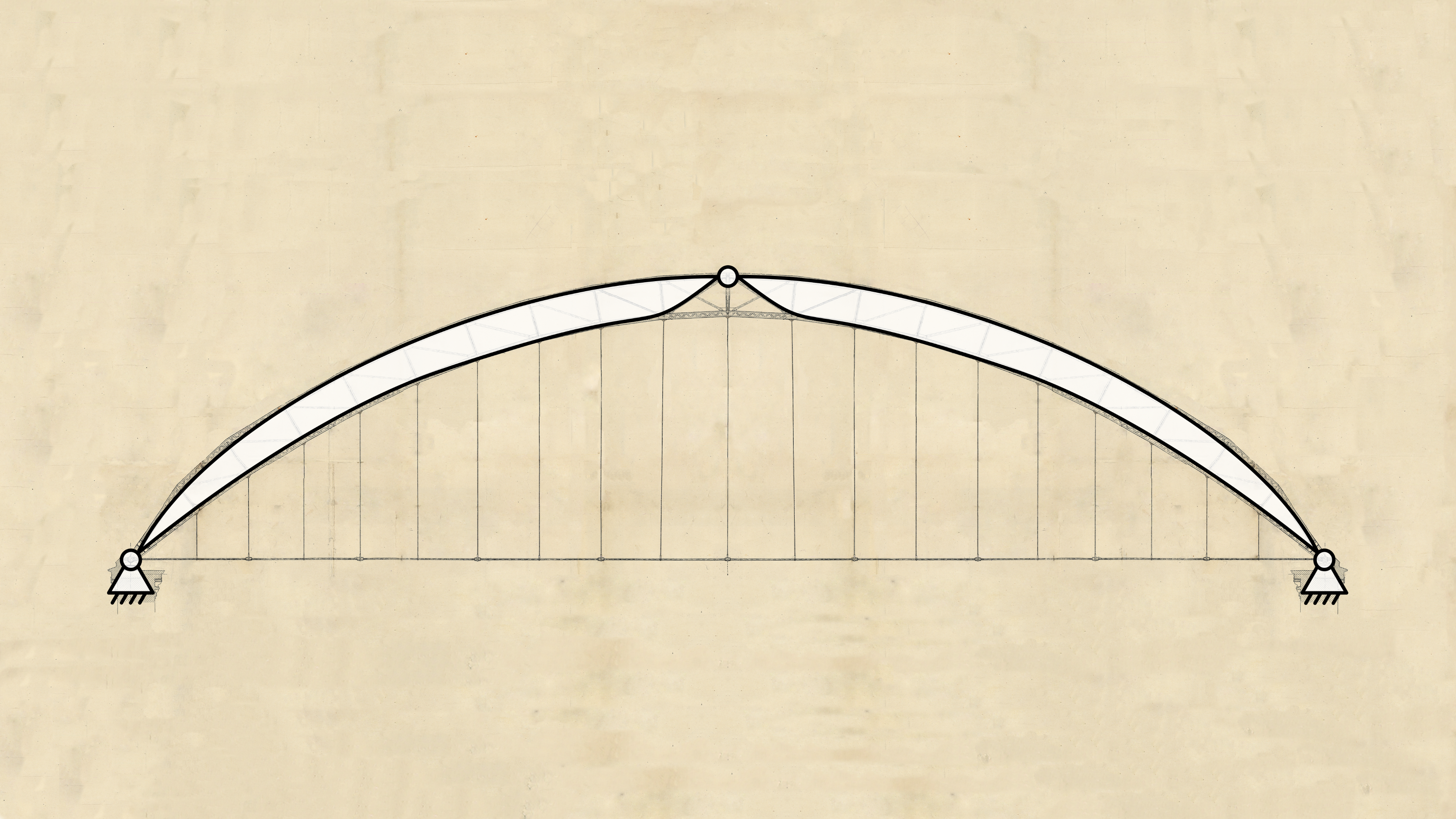
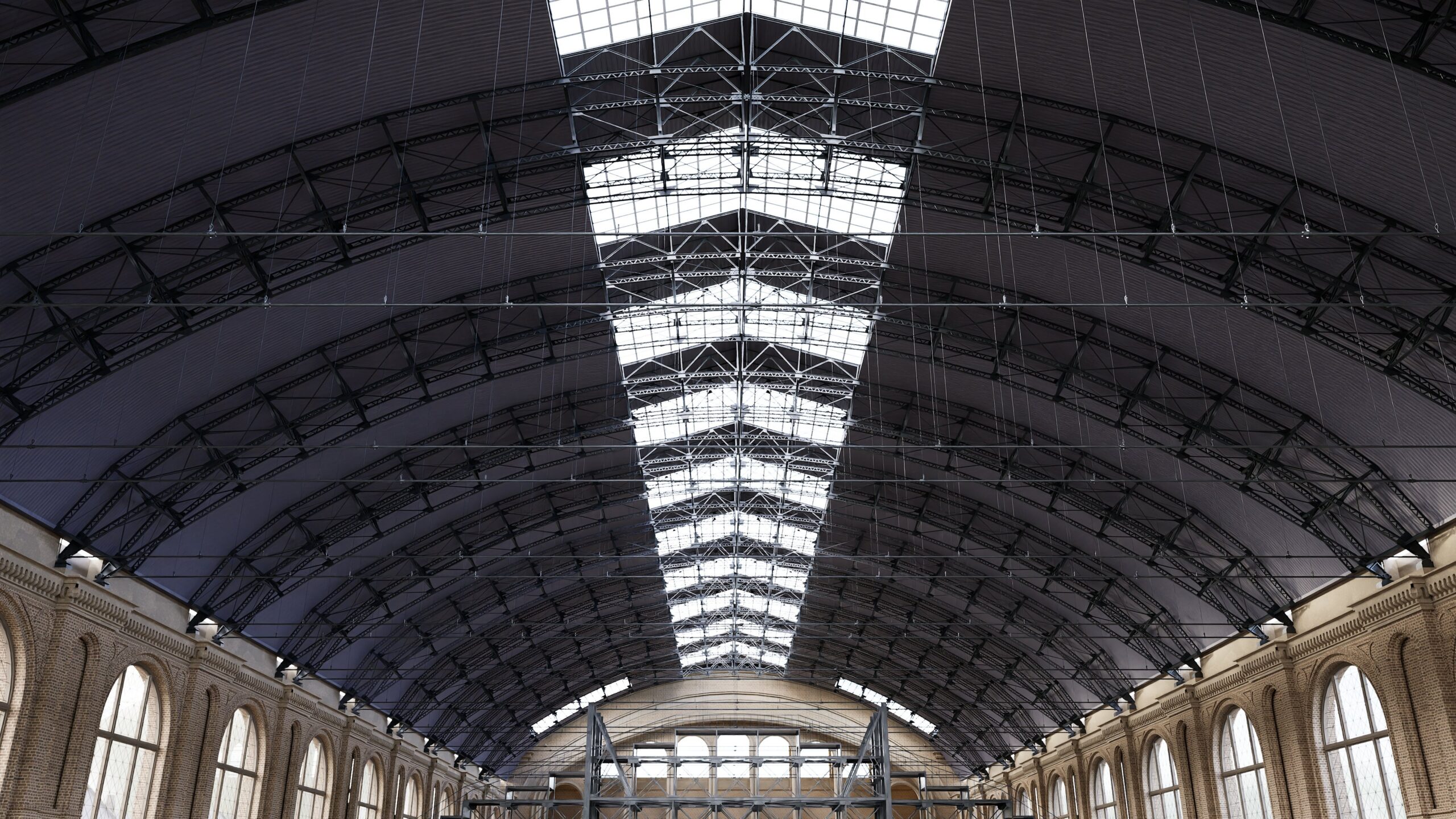
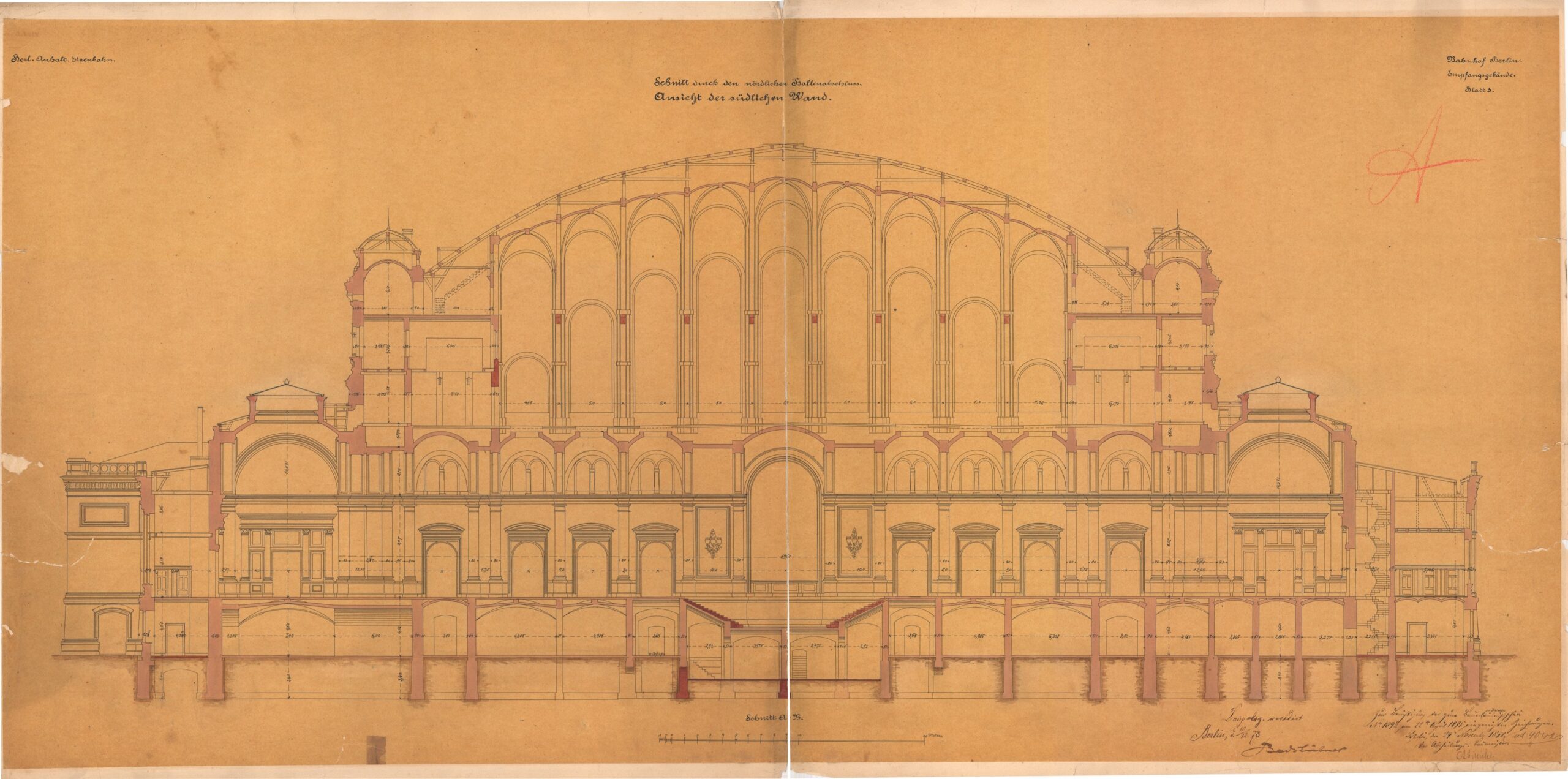
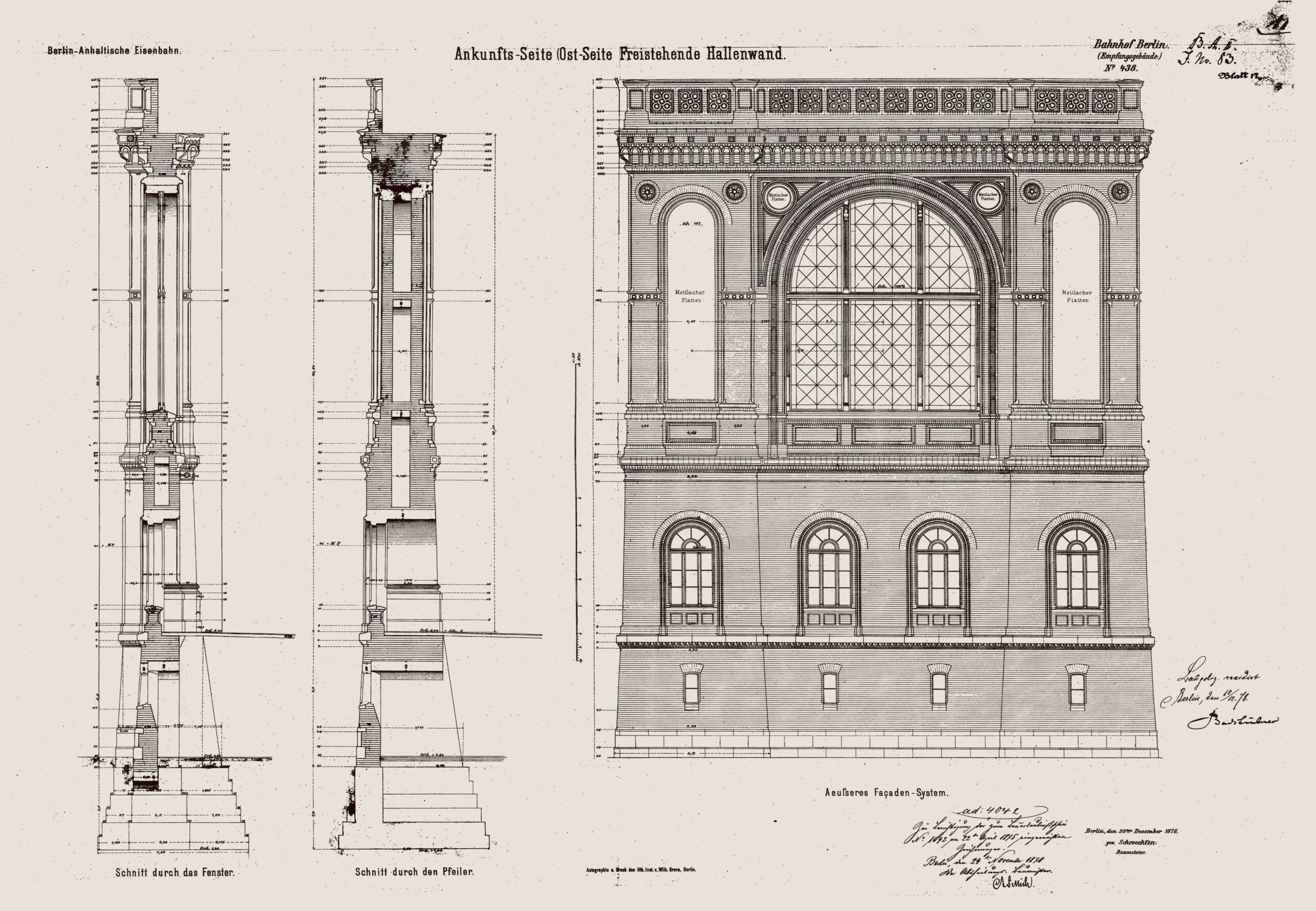
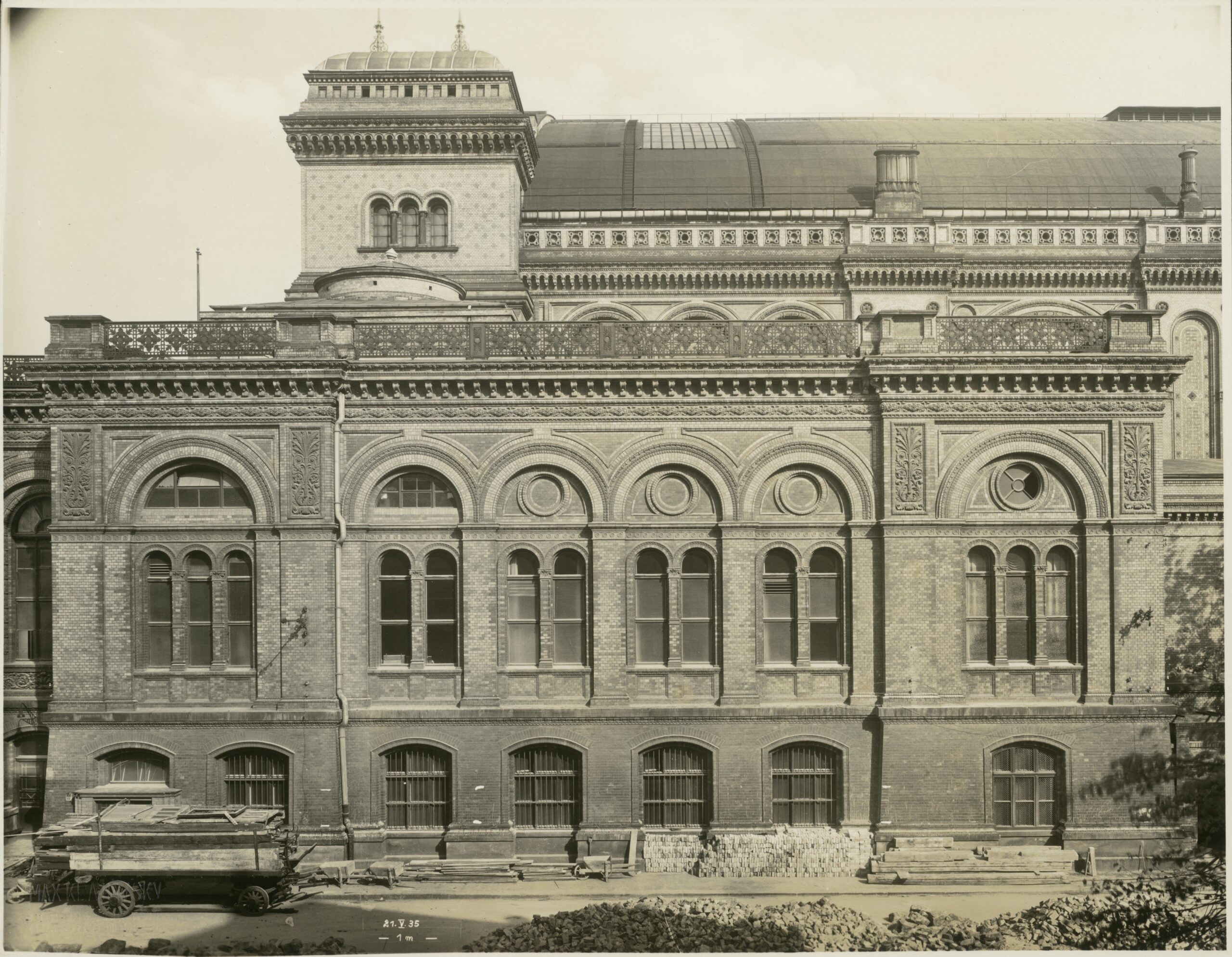
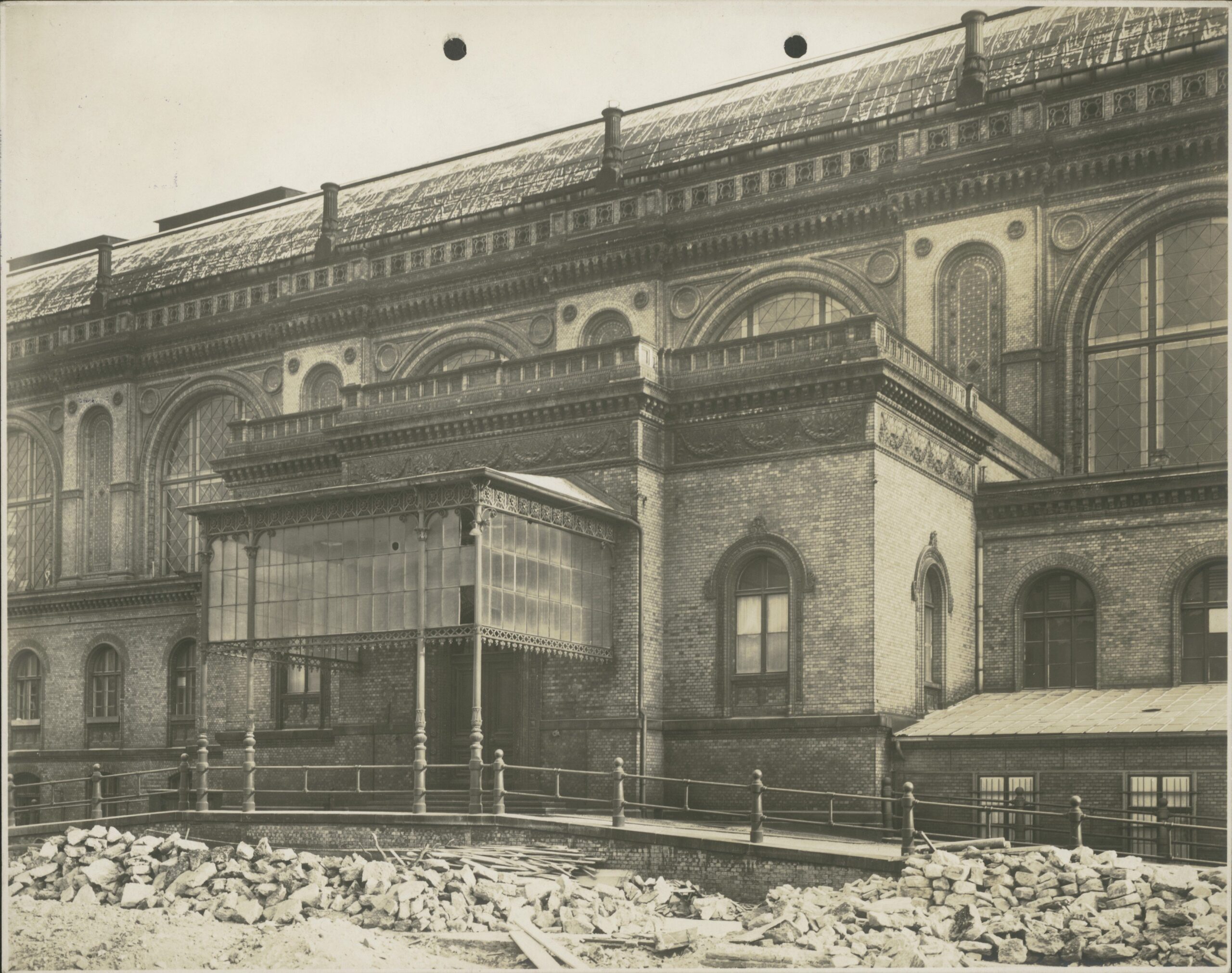
Large-scale structures like Berlin’s “Anhalter” train station tell stories not only of technical innovation and urban significance, but also of the often overlooked labor of those who built them.
Despite the use of modern lifting technology during its construction, many materials such as bricks and mortar still had to be transported by hand. The “slaking” of lime – physically demanding and health-risking task – was usually left to laborers who, under precarious conditions, relied on night shifts to supplement their meager wages. These and other tasks on construction sites often remained invisible, even though they formed the true foundation for monumental buildings like the “Anhalter” train station.
The example of the “Anhalter” train station illustrates what applies to countless structures worldwide: the history of building is also a history of physical hardship, social inequality, and a lack of recognition for the many who contributed to such major projects. While working conditions, safety standards, and social protections have improved for domestic workers, the situation for temporary and migrant laborers around the world remains characterized by exploitation, unsafe conditions, and low pay. (see UN reports on modern slavery and labor exploitation).