- Historical Background
- History of use
- Ownership History
- Architectural Features
- With the goal of developing water-free cooling systems for future generations of power plants, dry cooling gained increasing importance during the 1960s and 70s This took place against a backdrop of global water scarcity and growing environmental requirements—the aim was to use no or less water for the cooling process and, in particular, to ensure that no warm water was returned to the ecosystem.
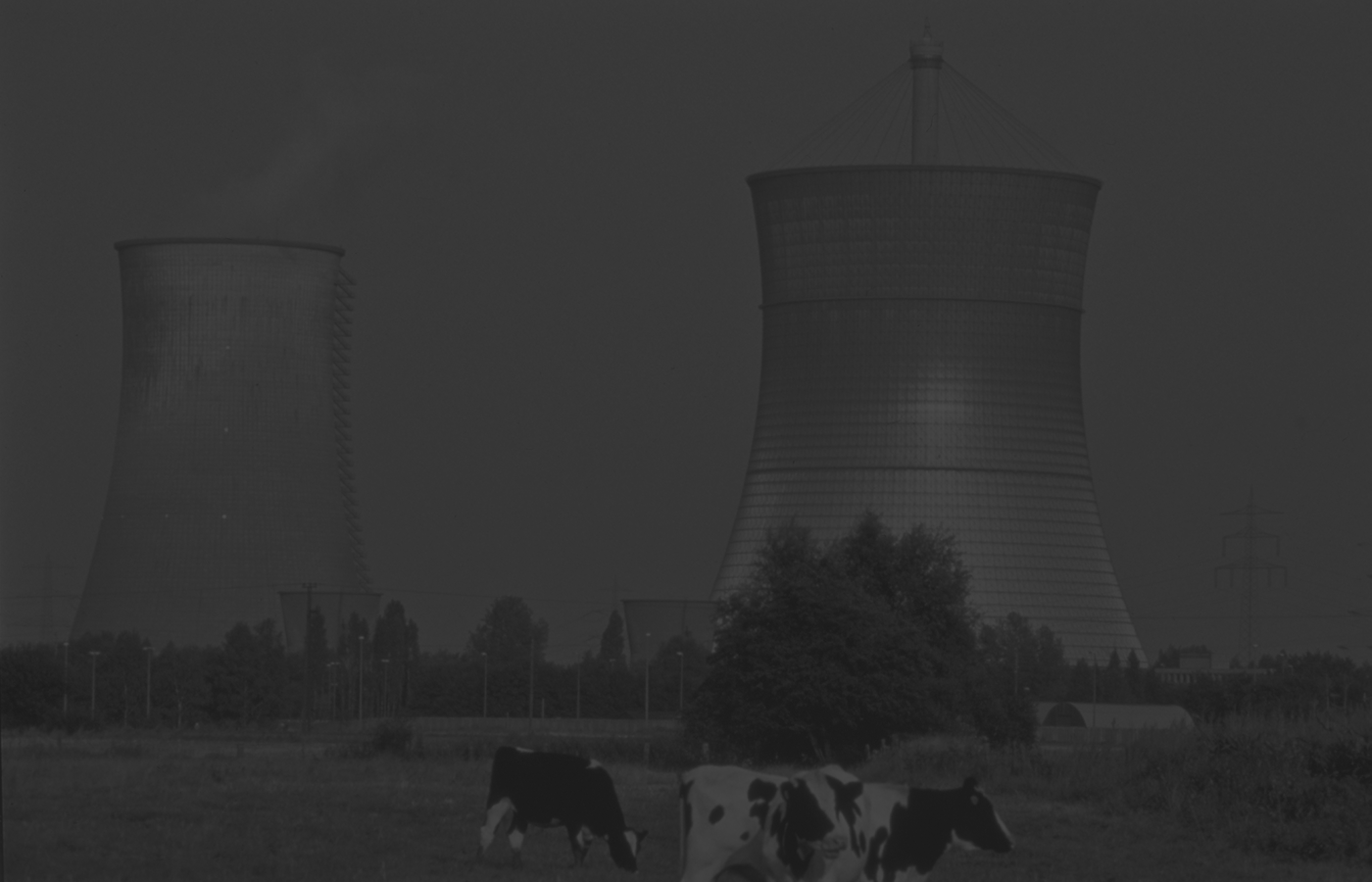
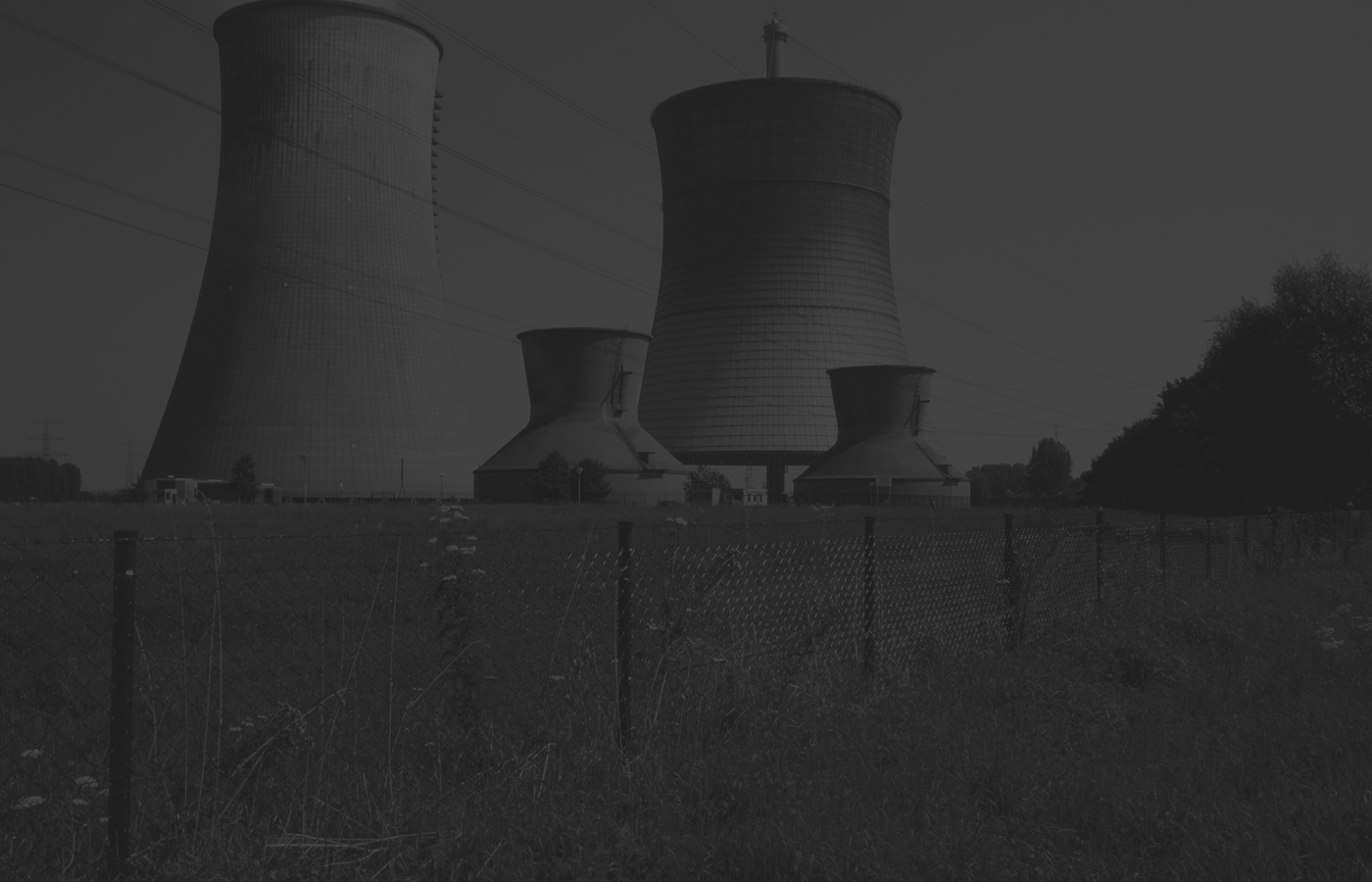
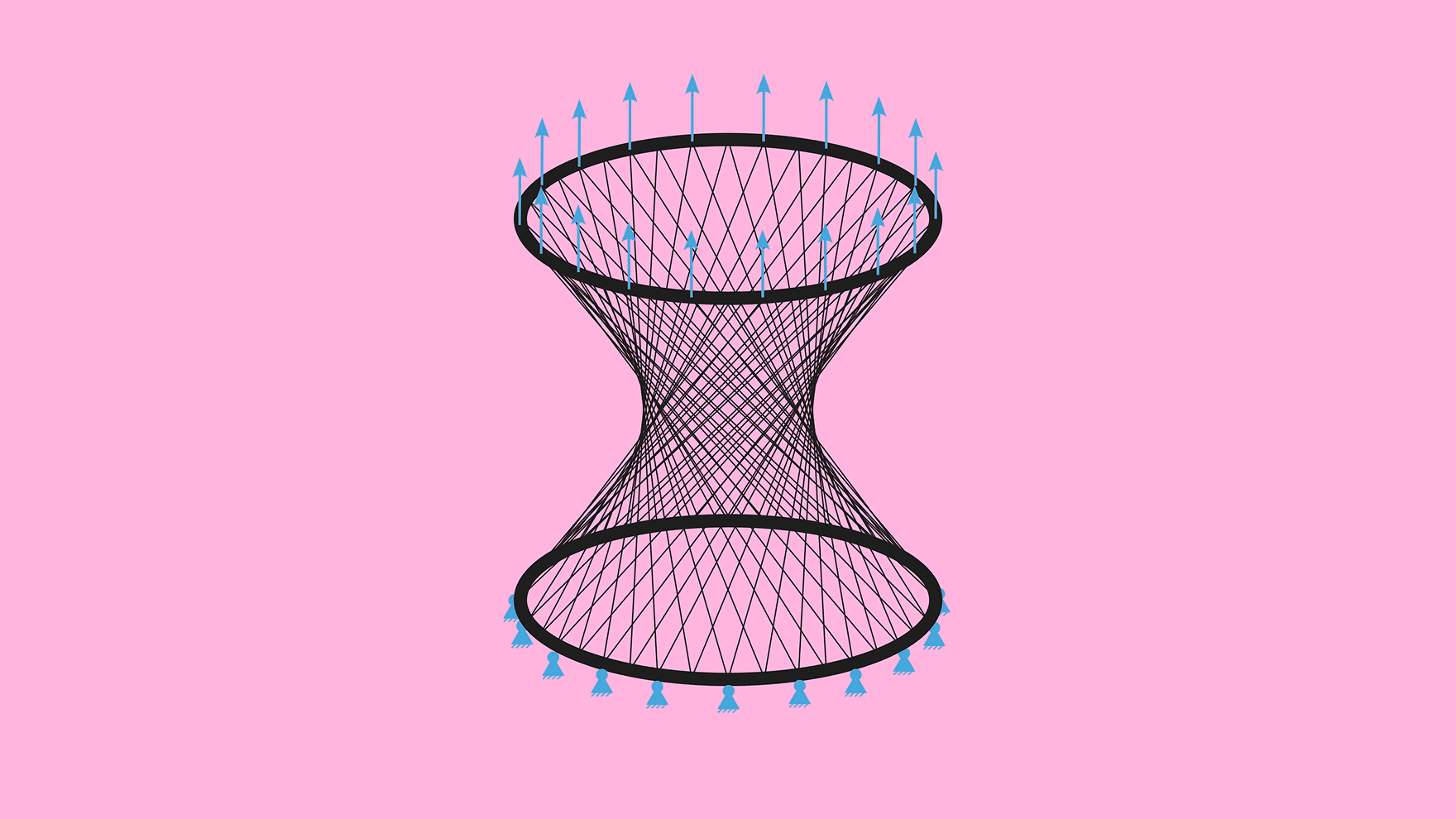
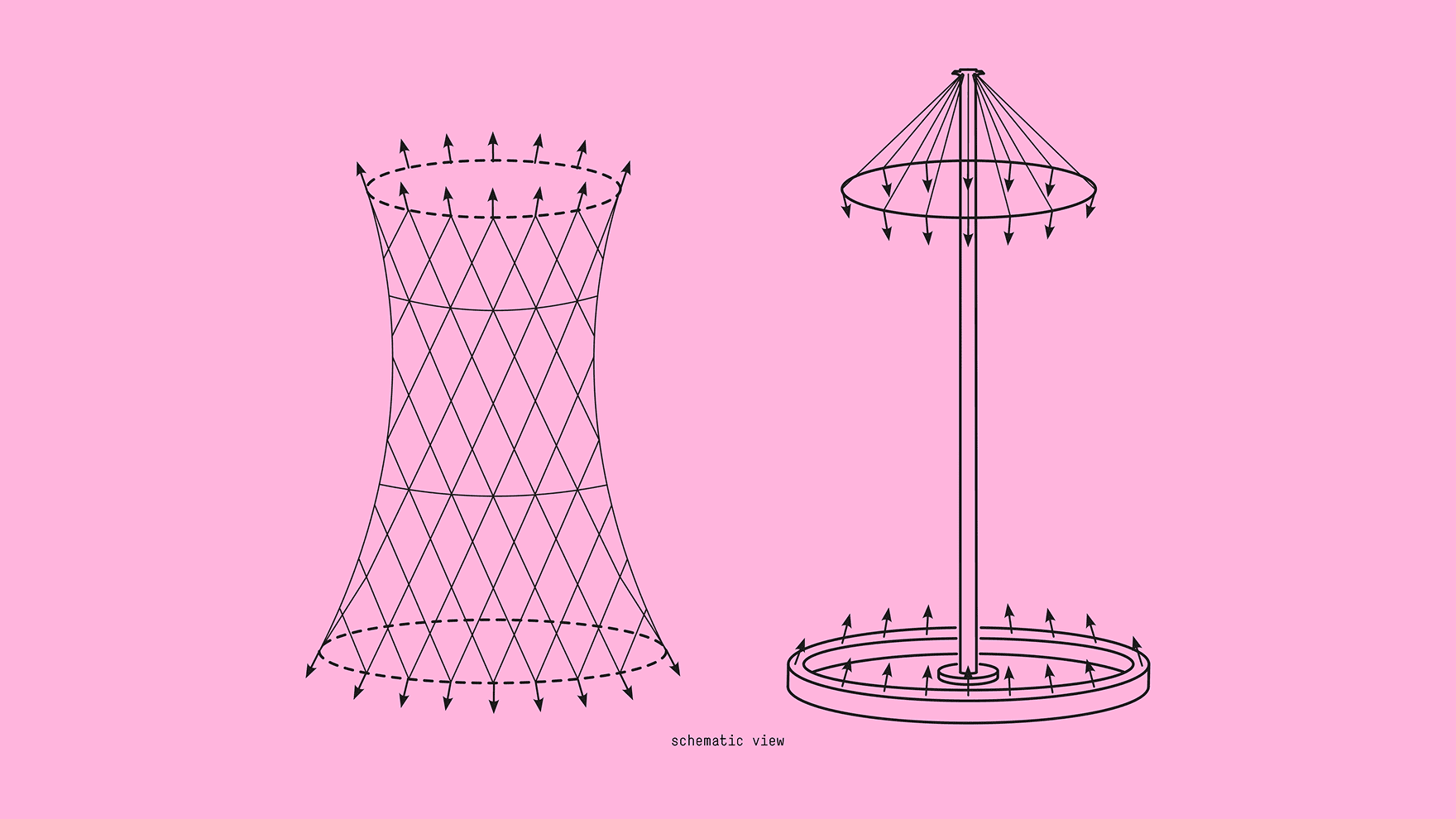
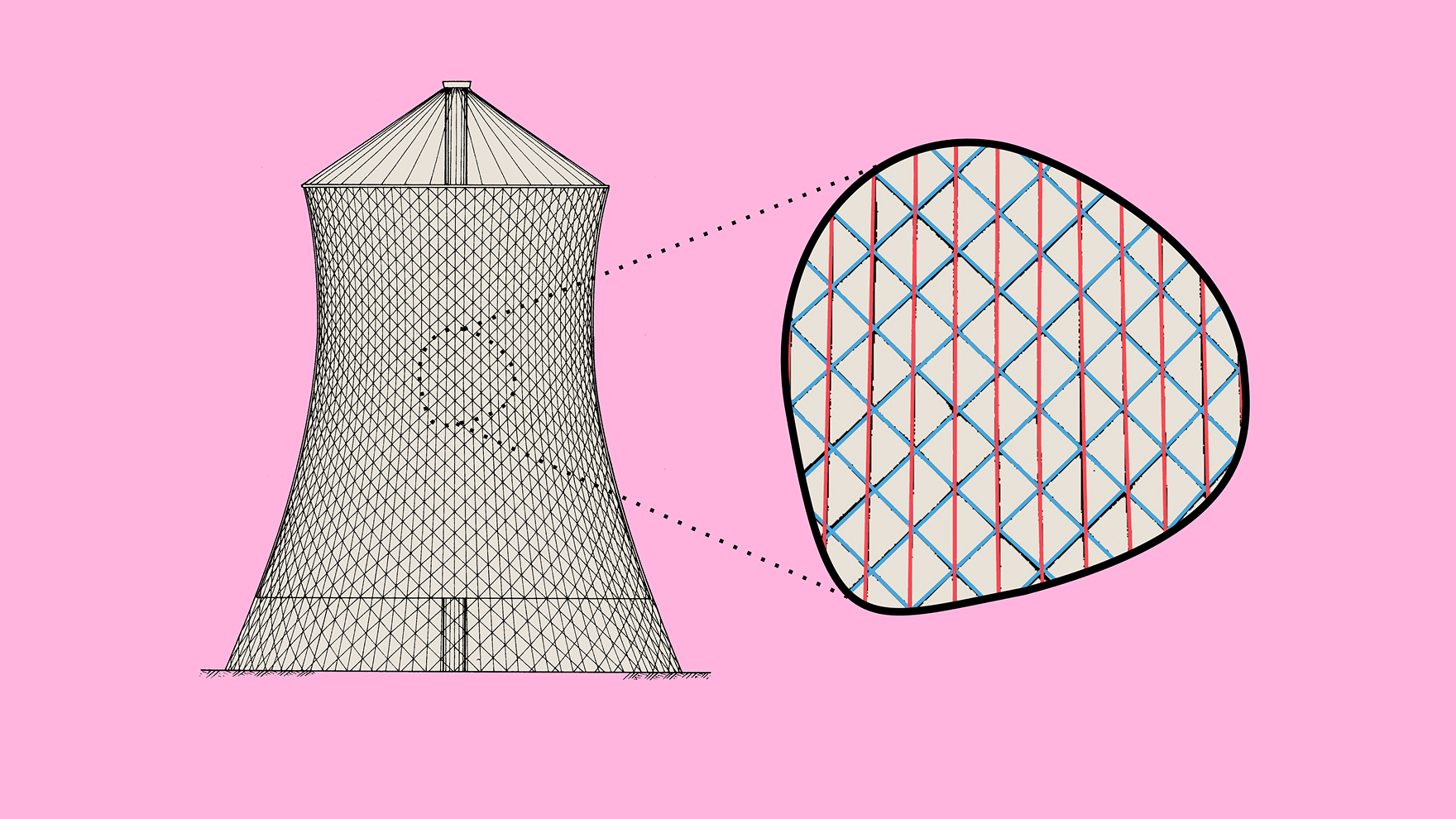
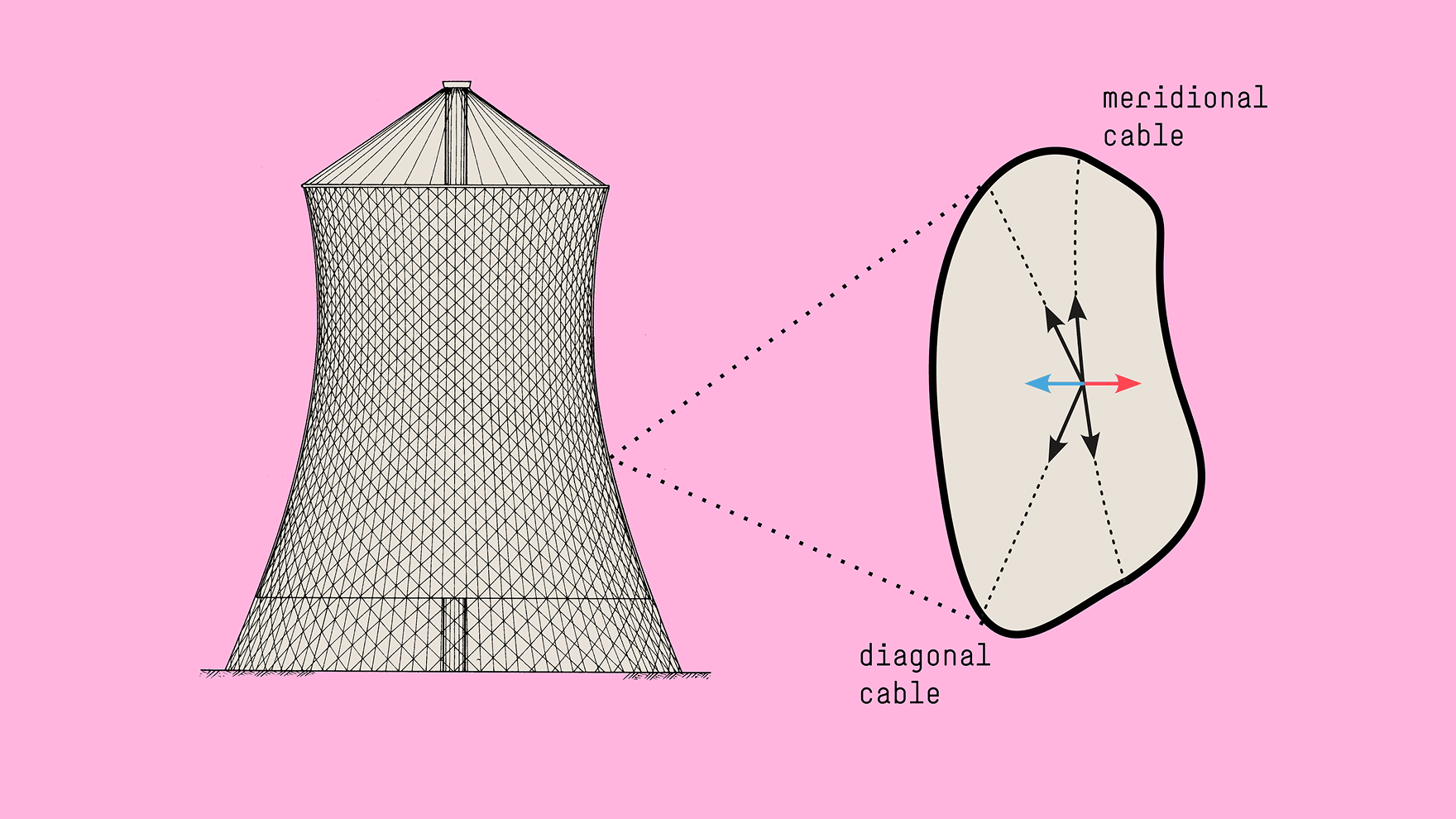
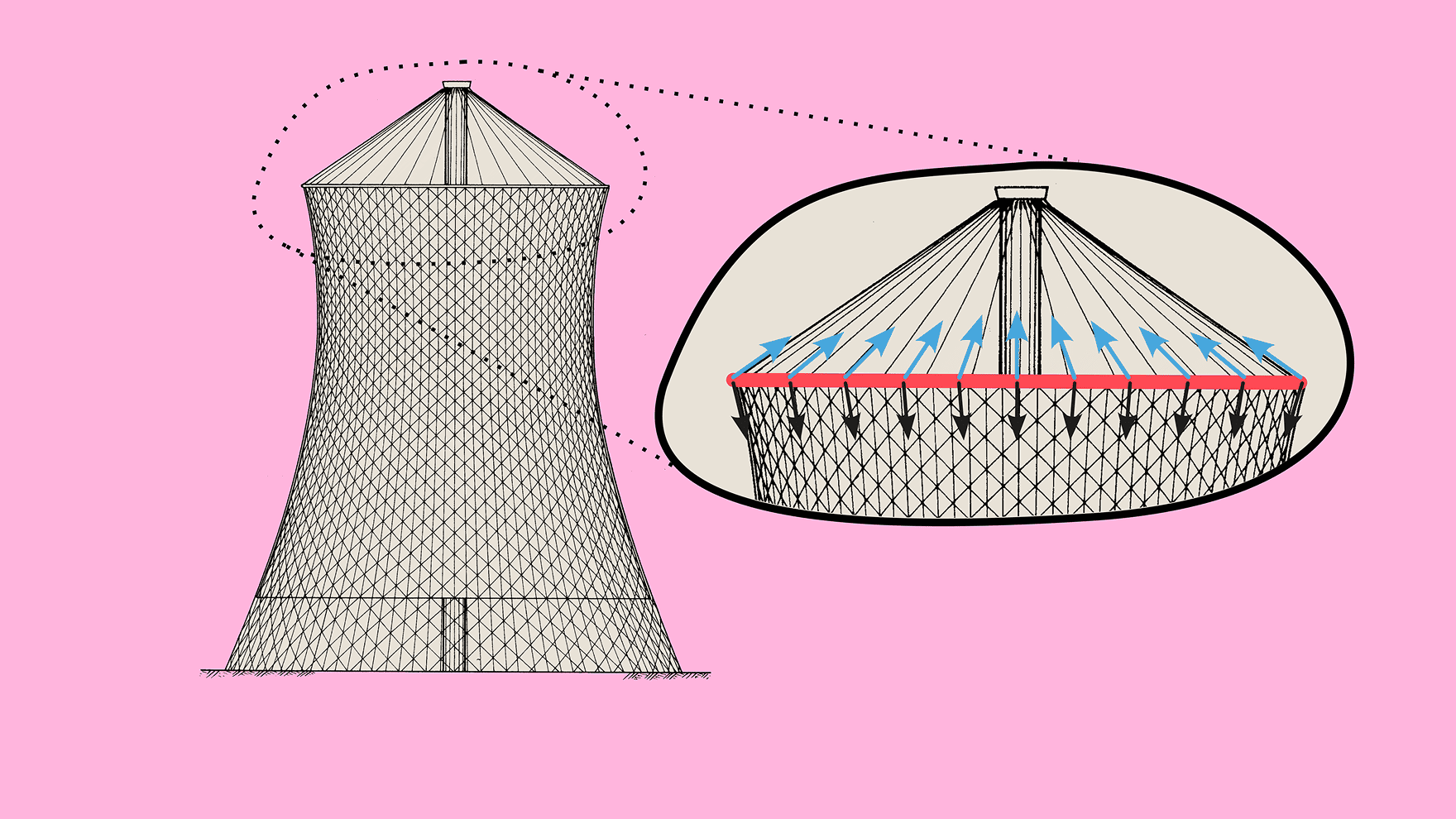
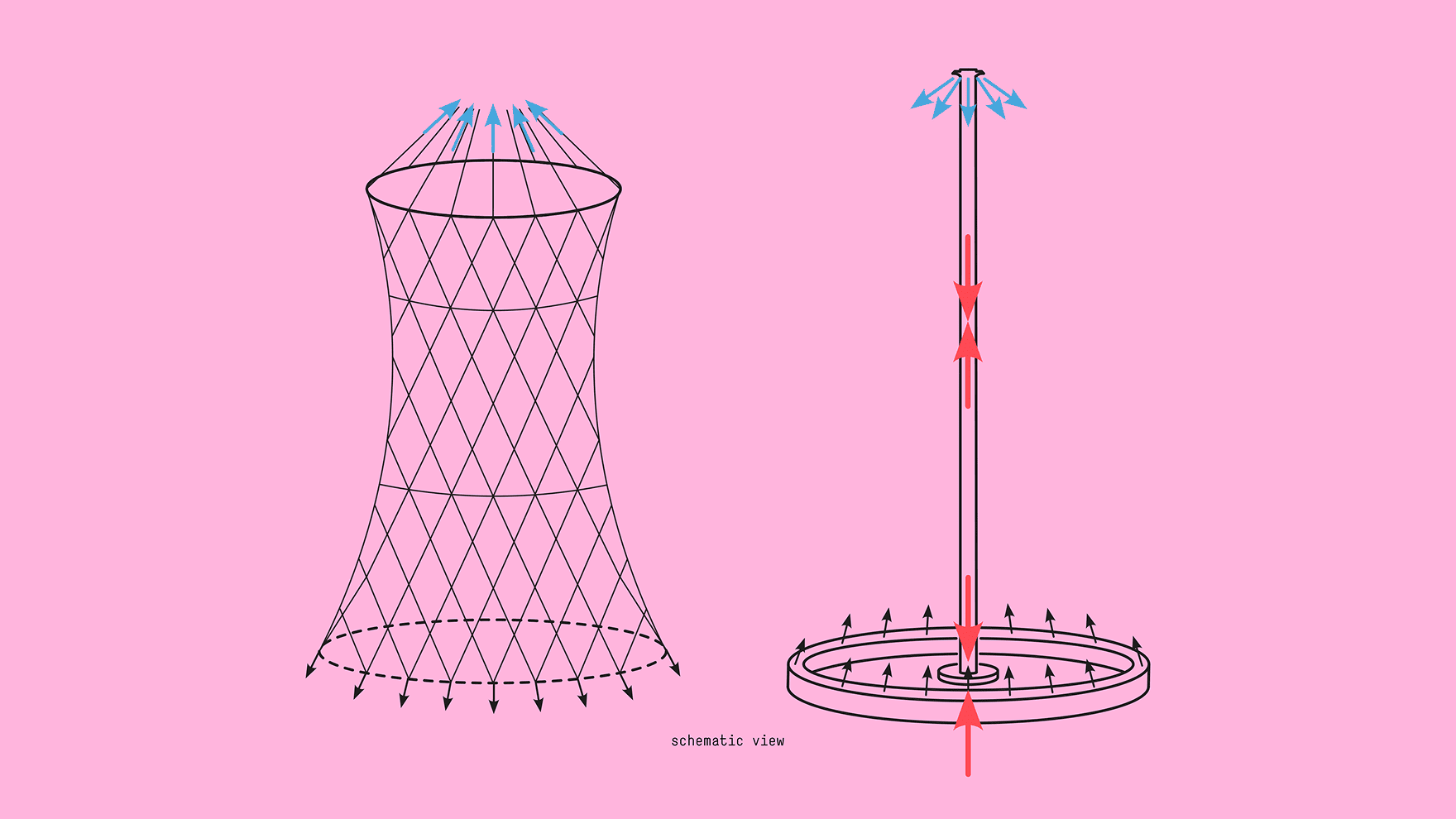
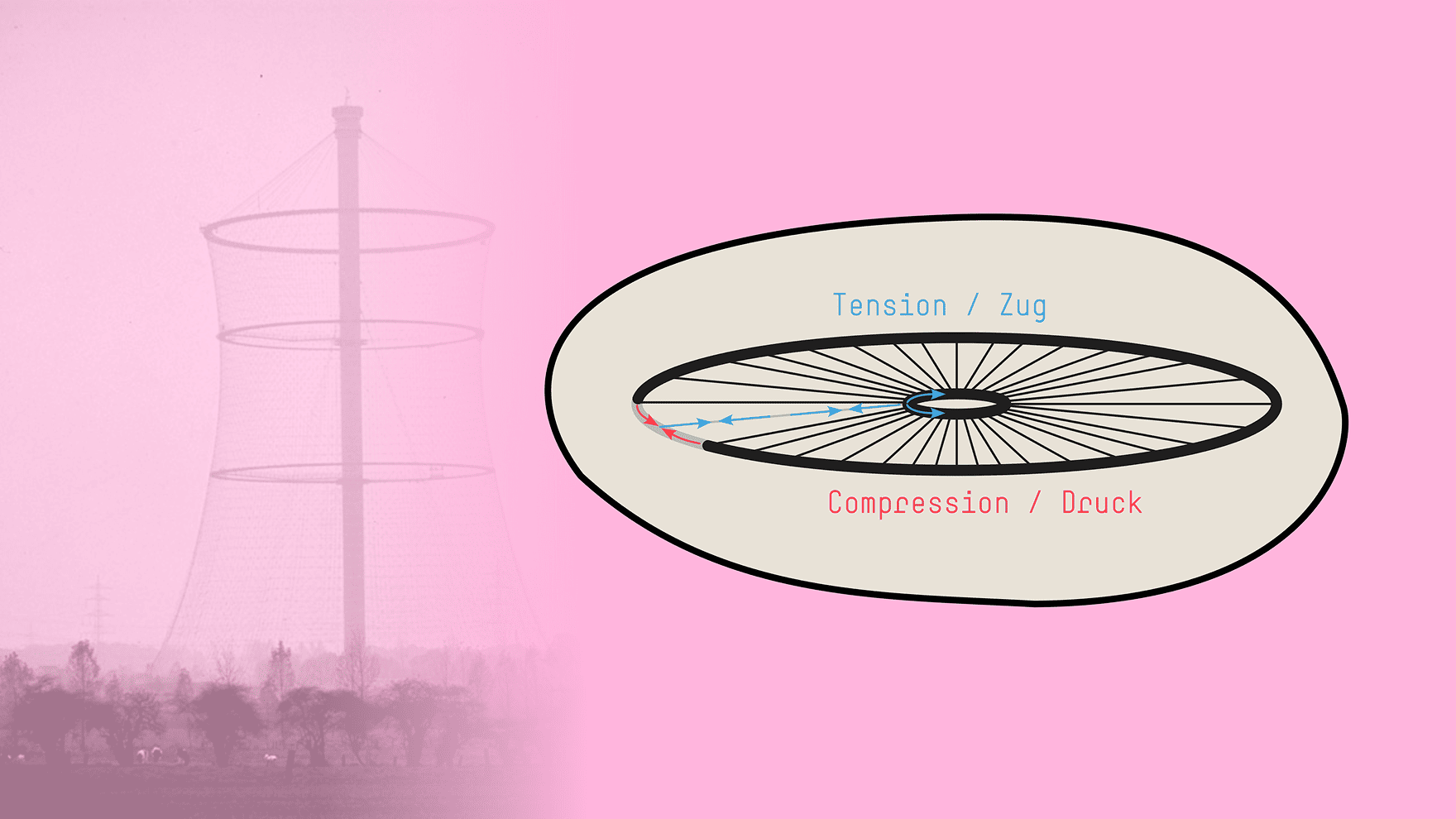
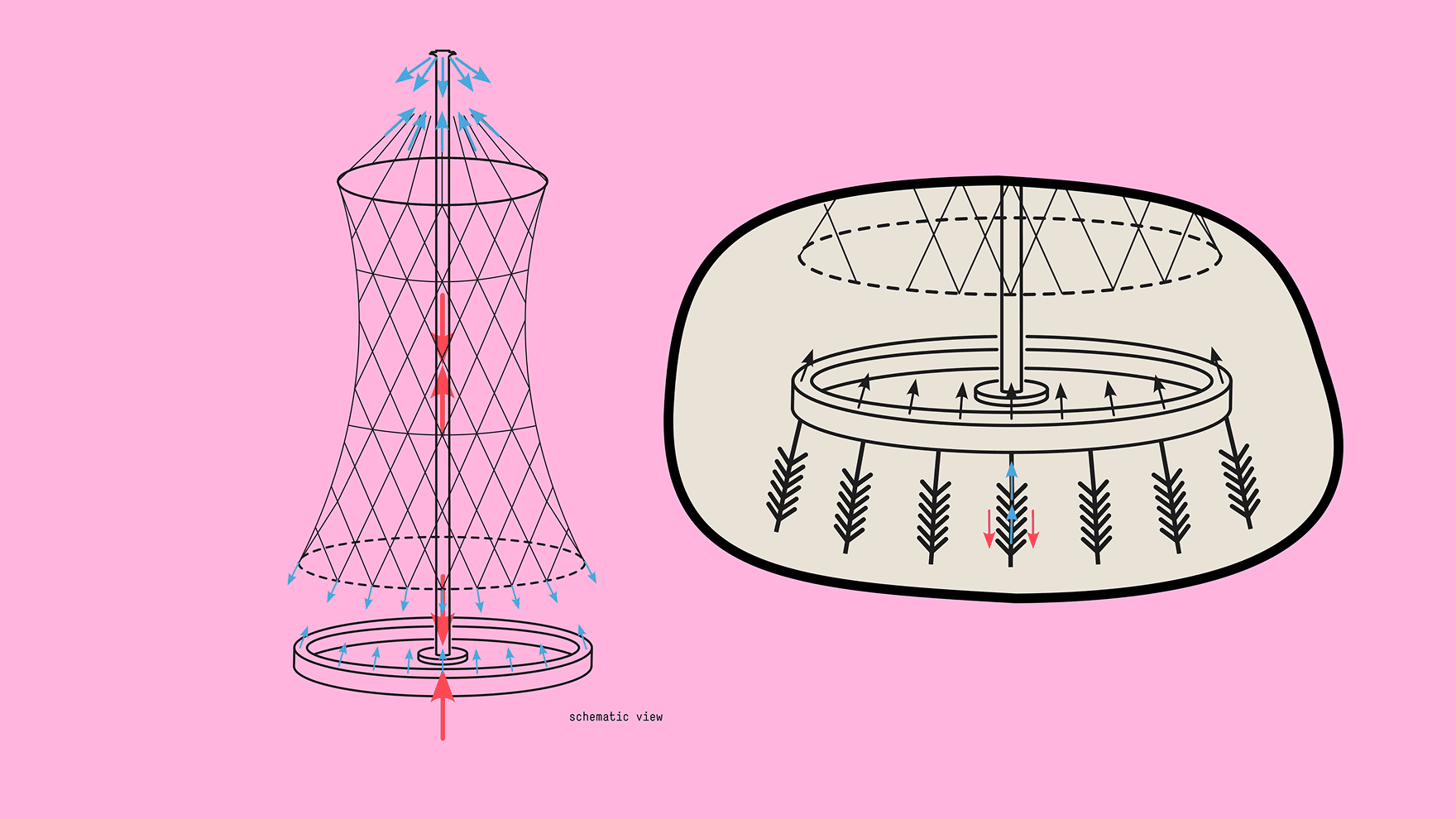
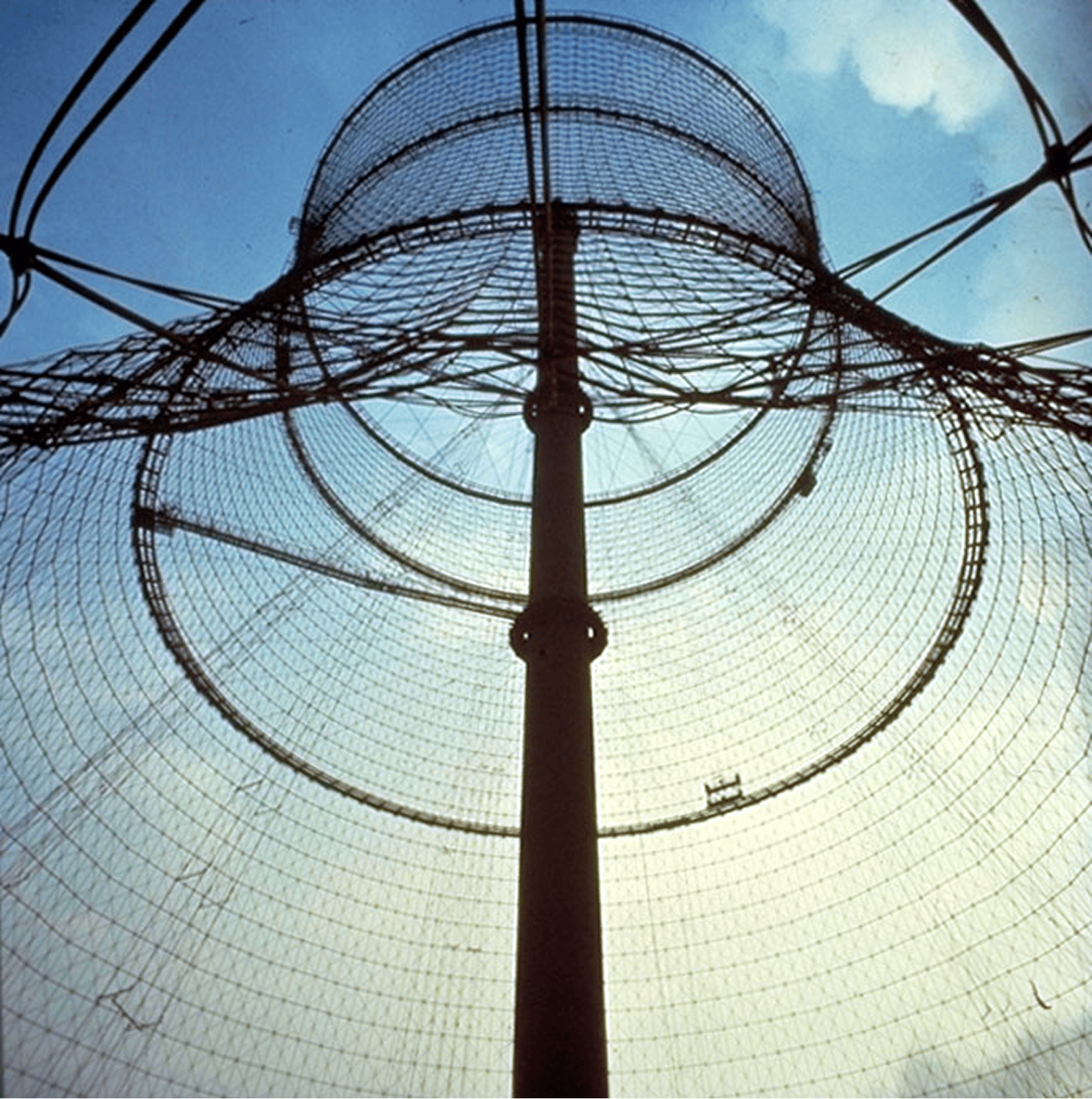
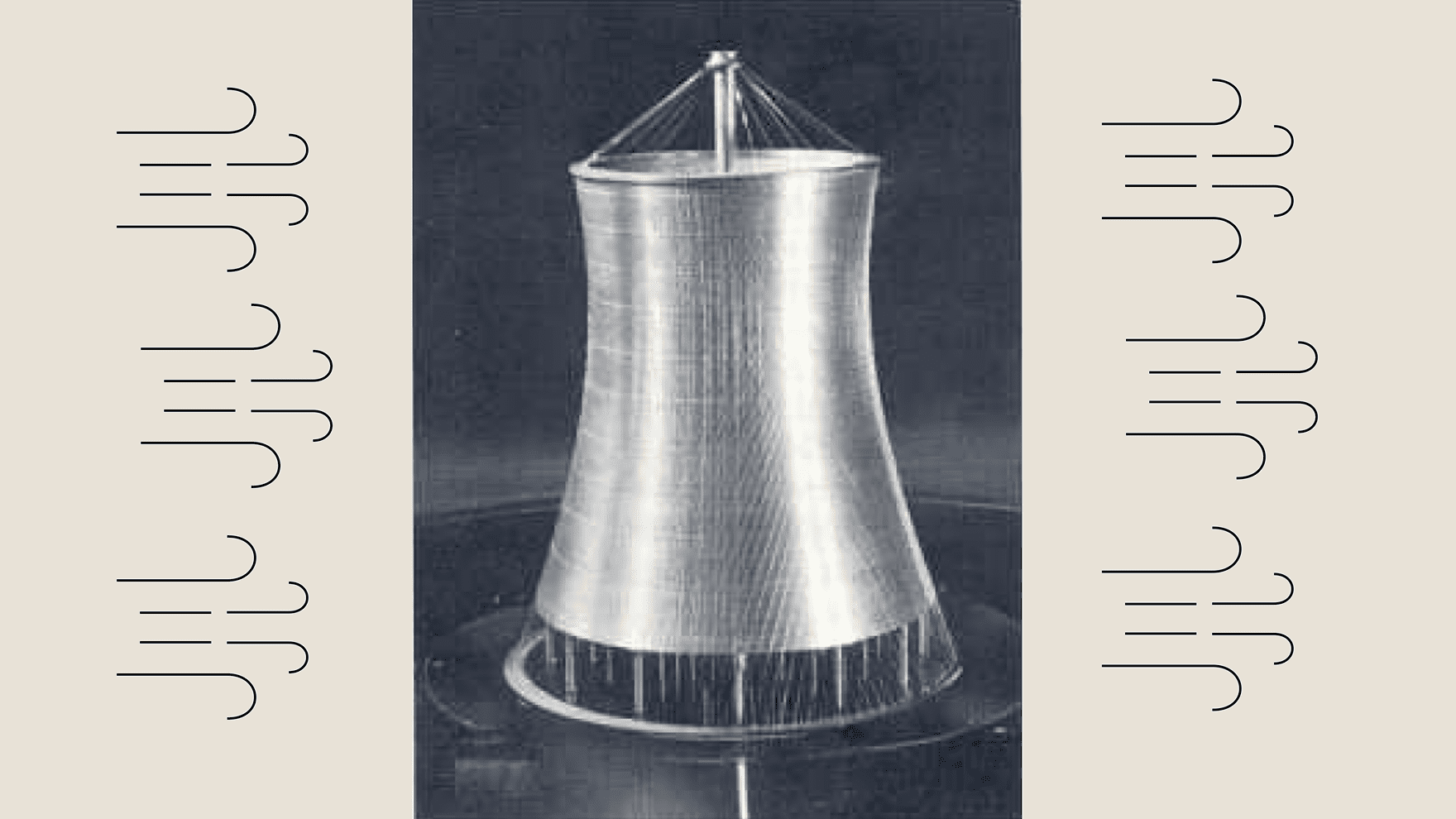
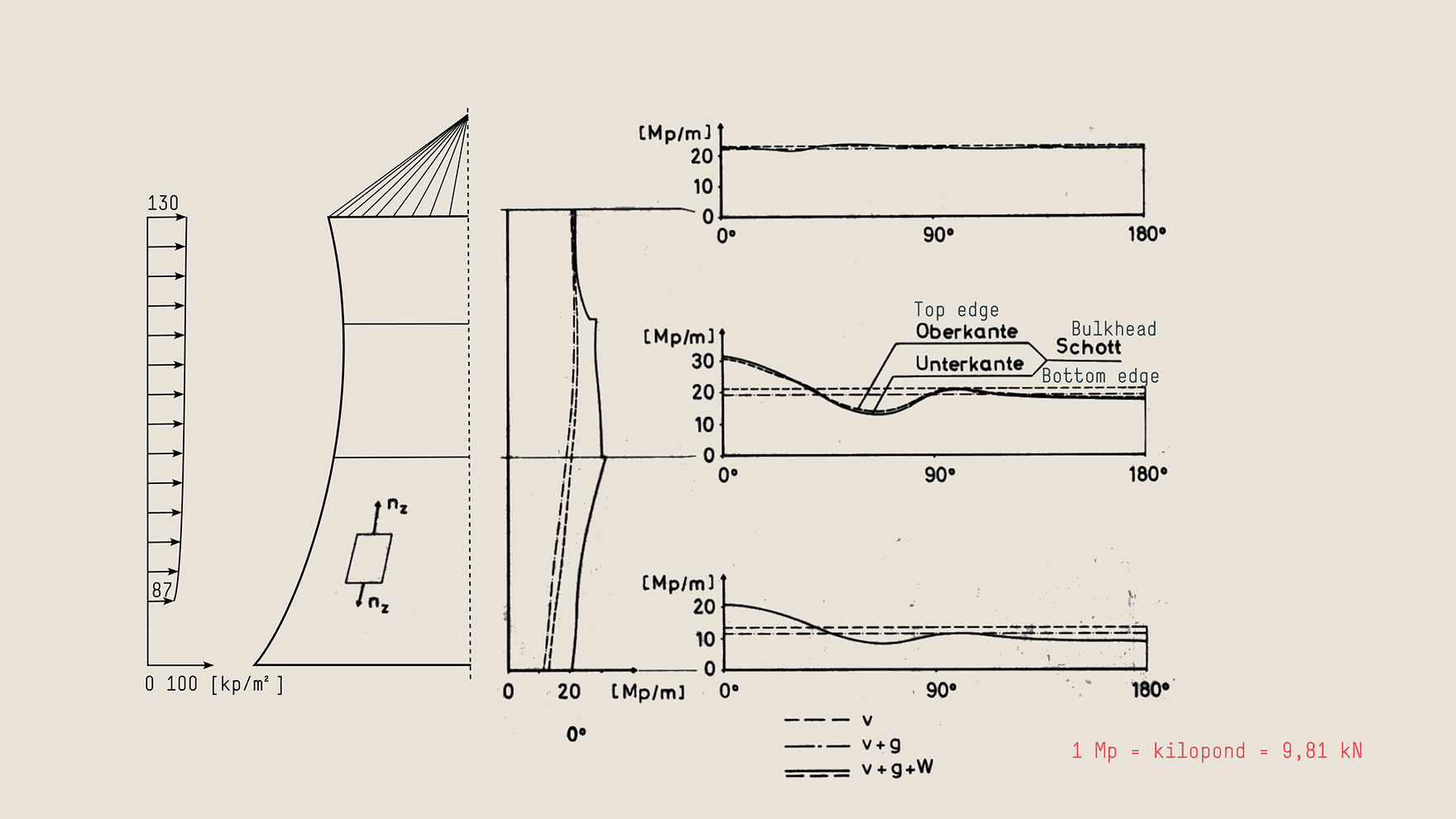
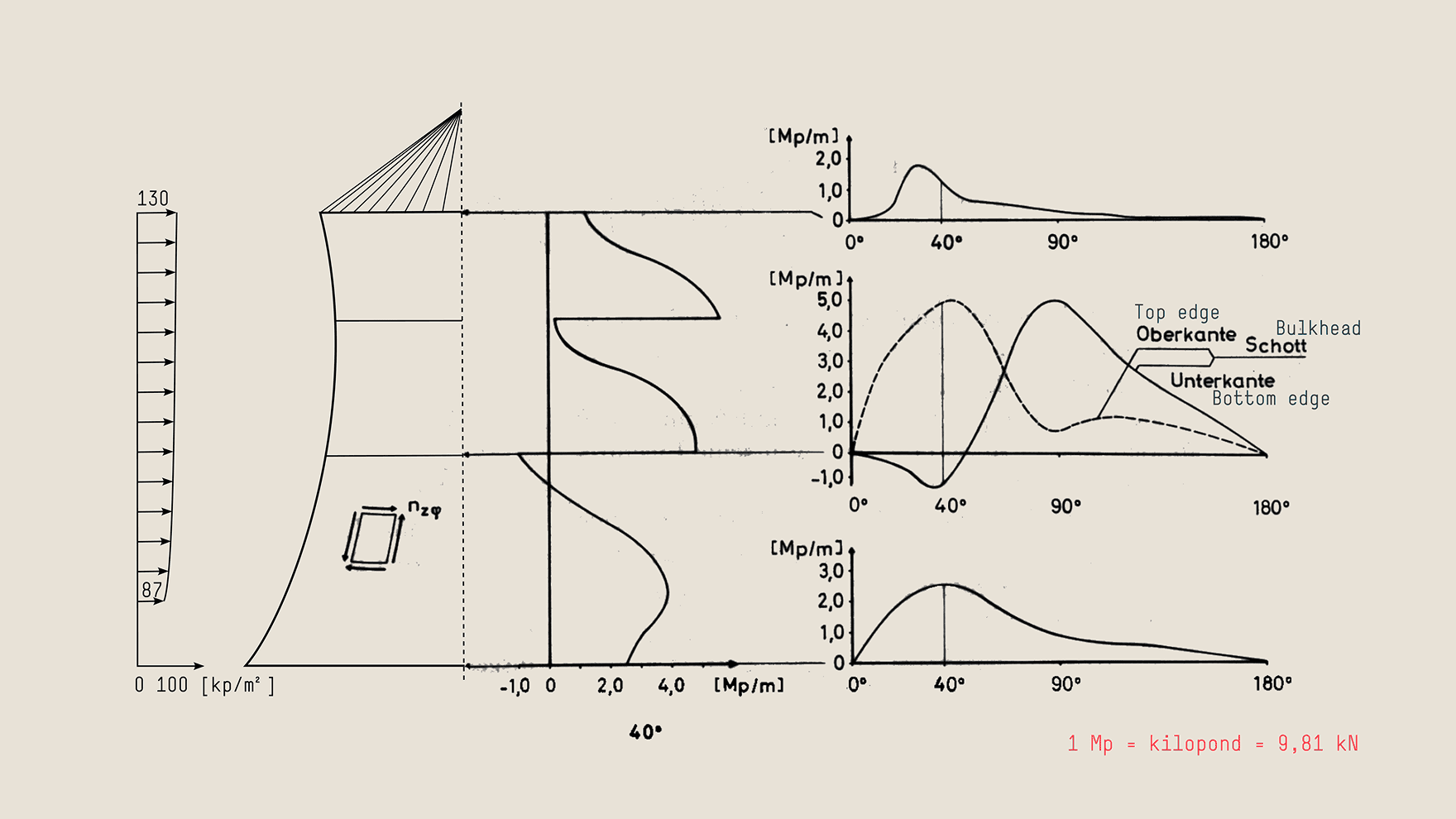
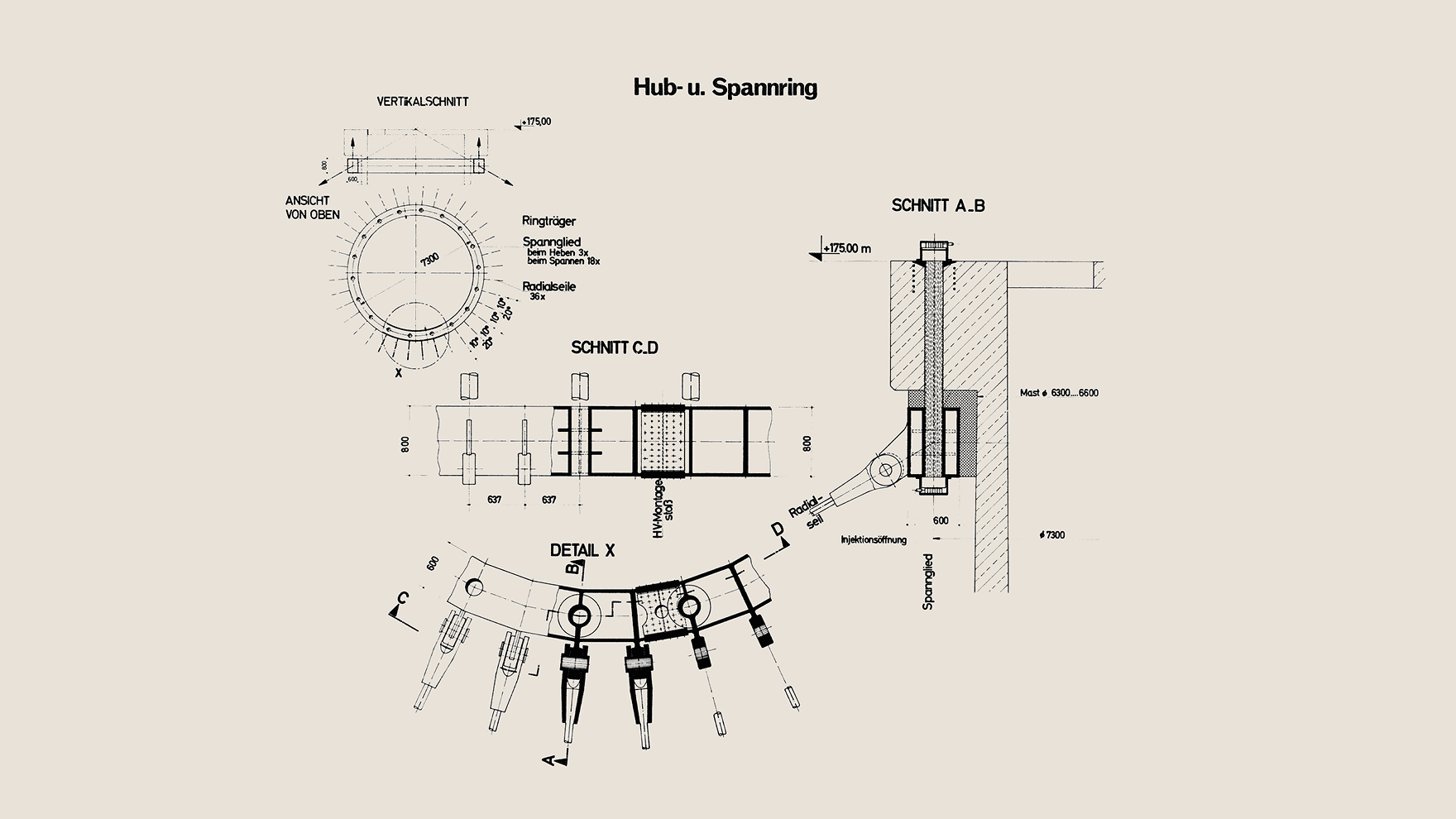
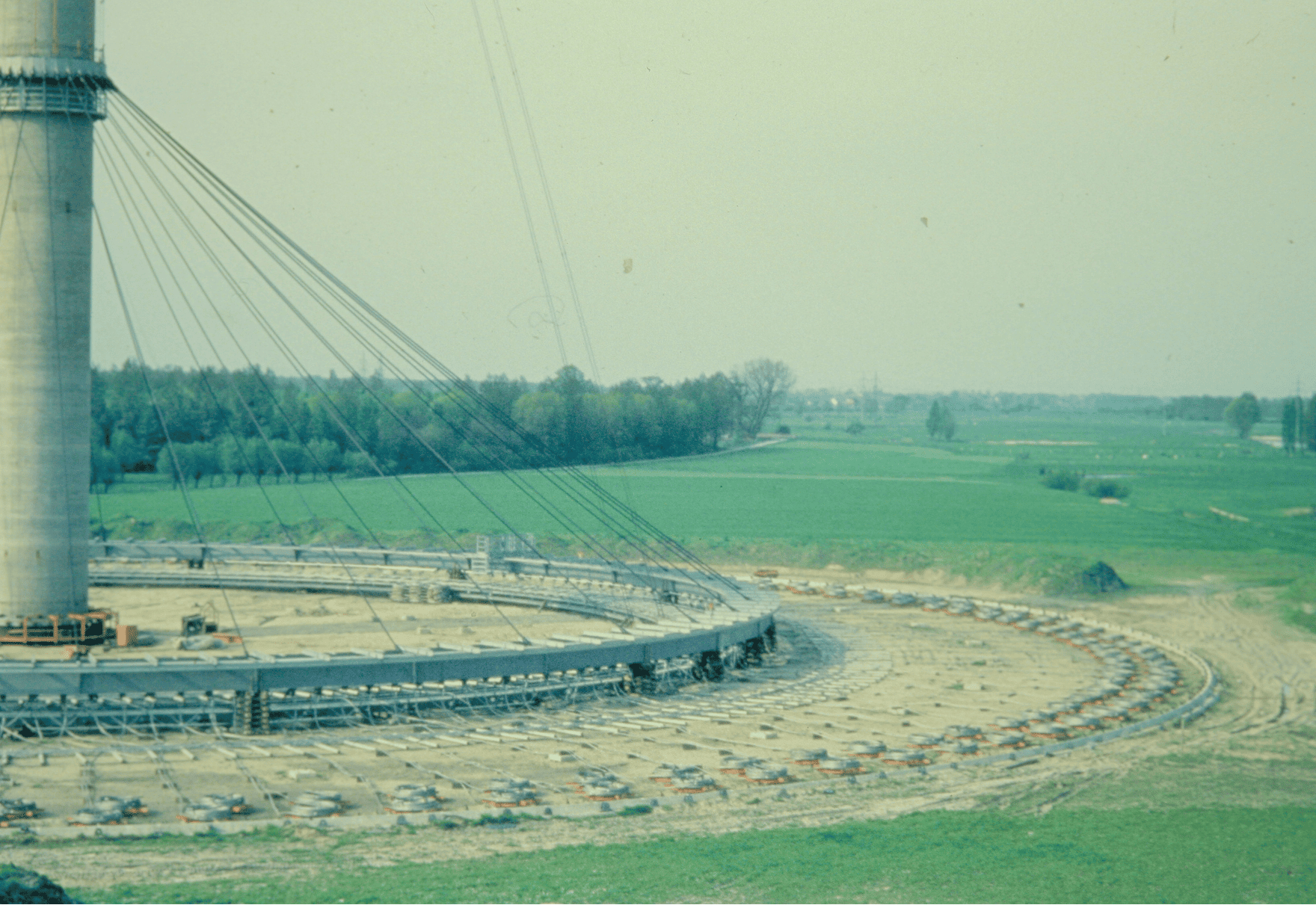
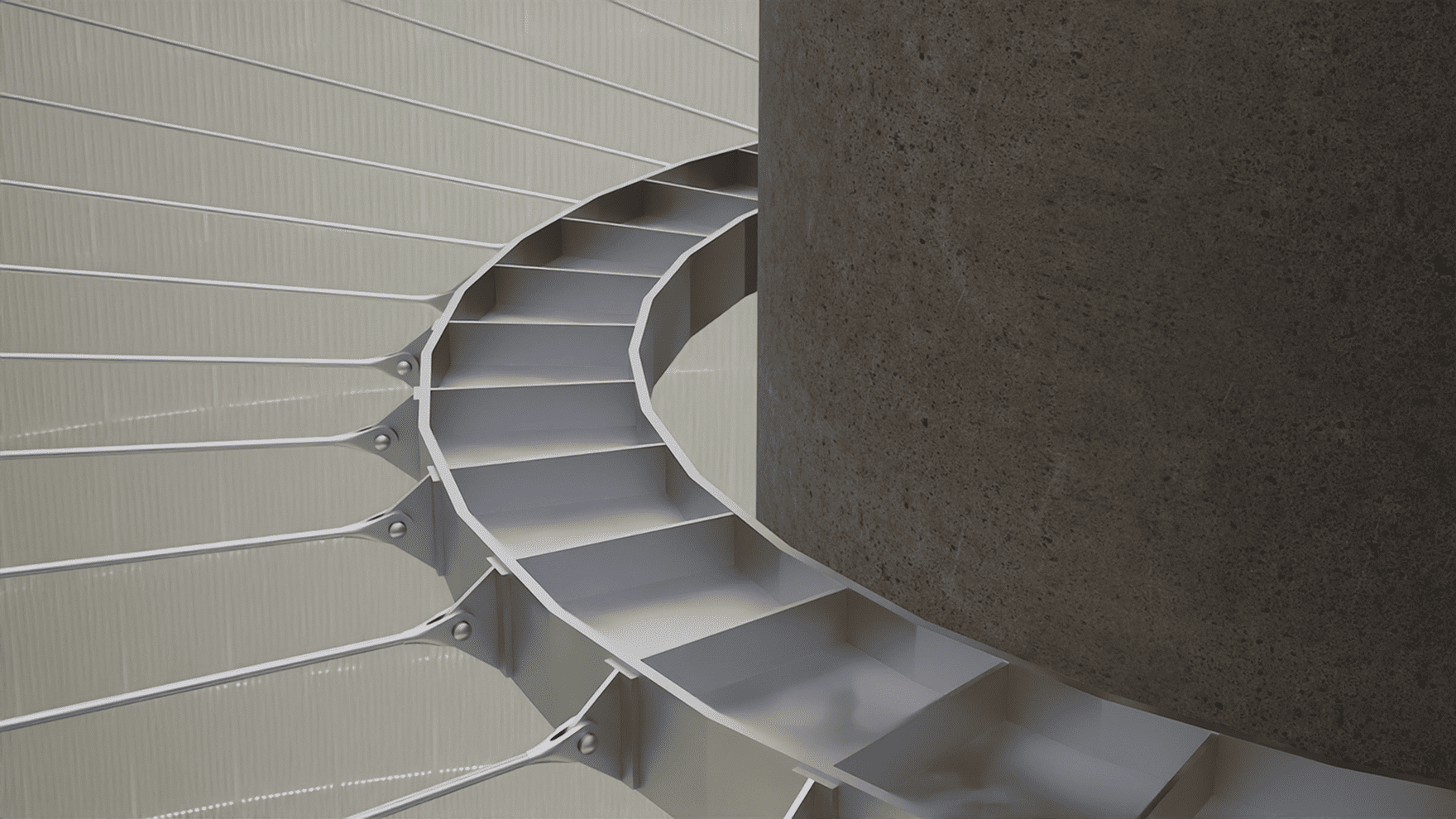
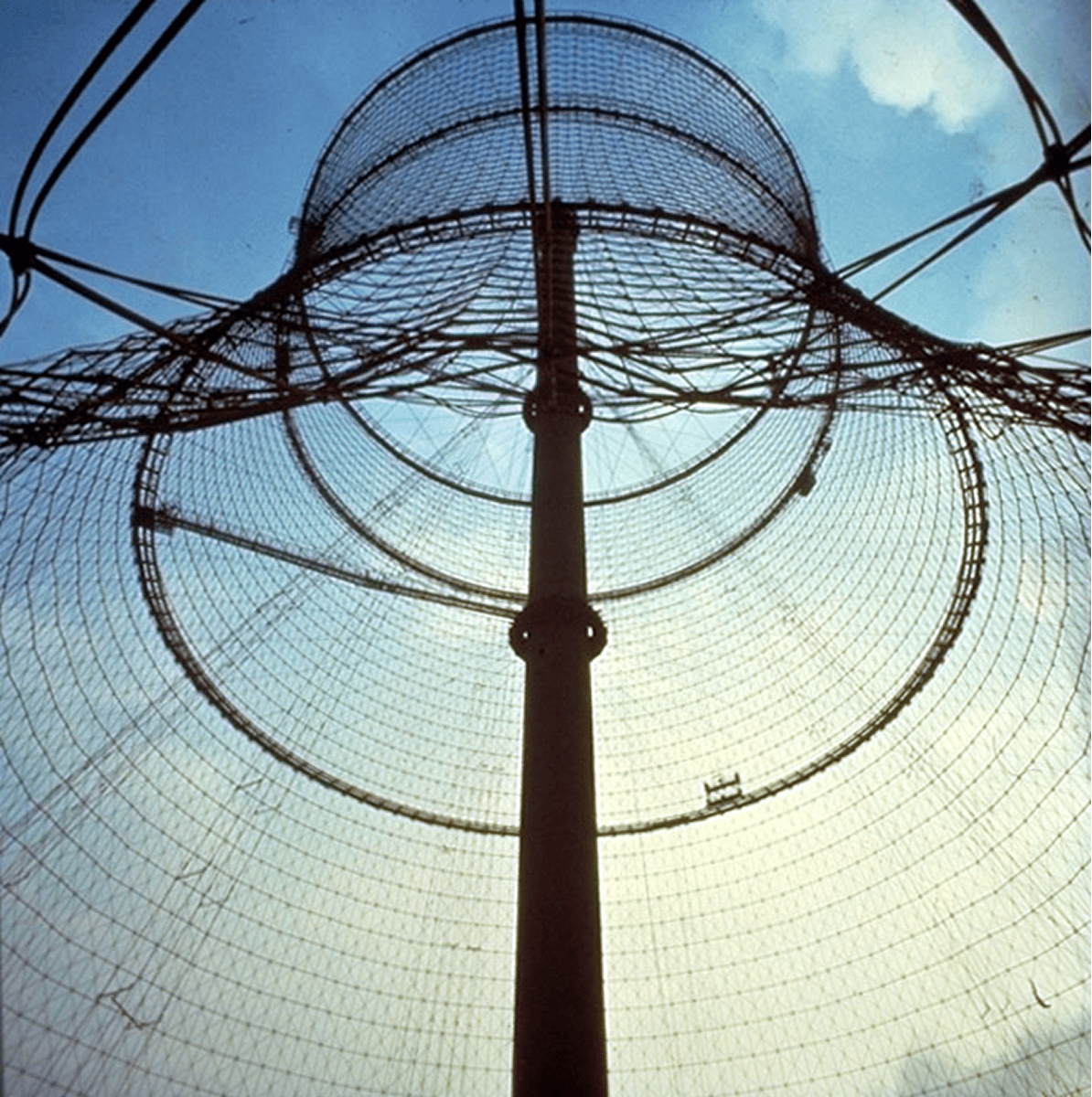
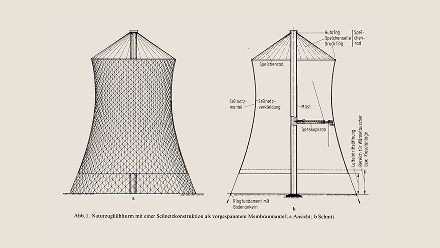
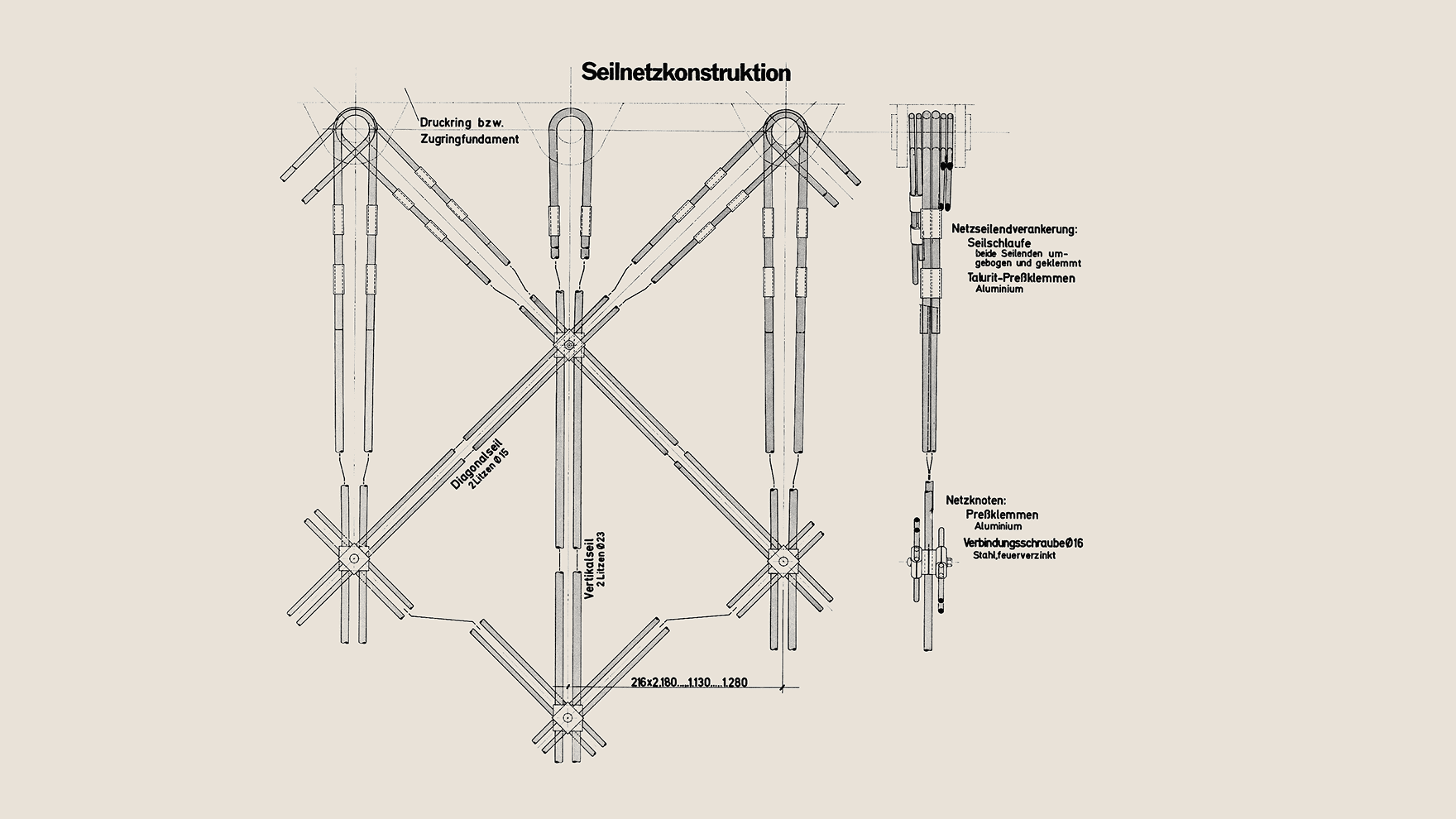
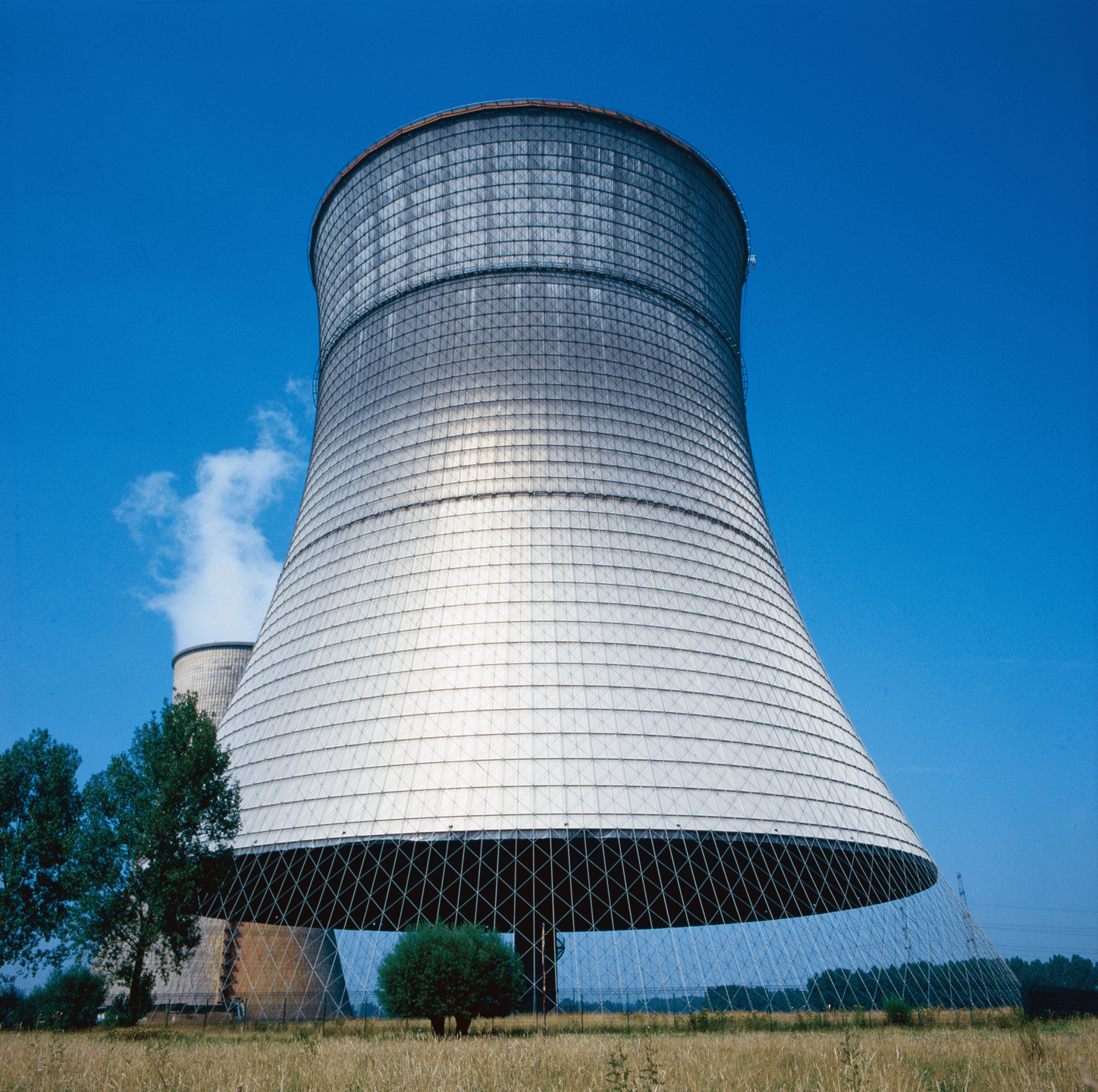
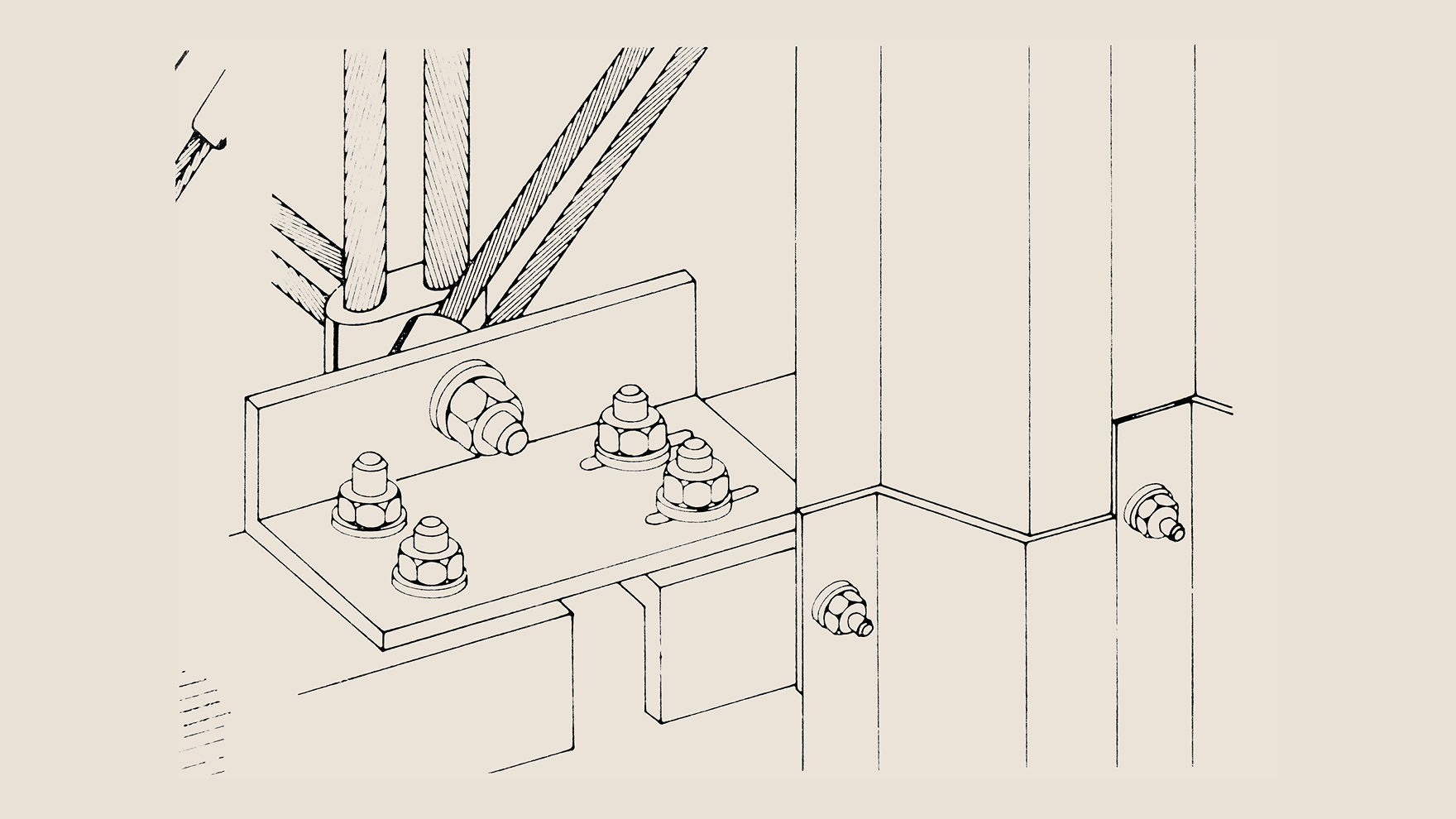
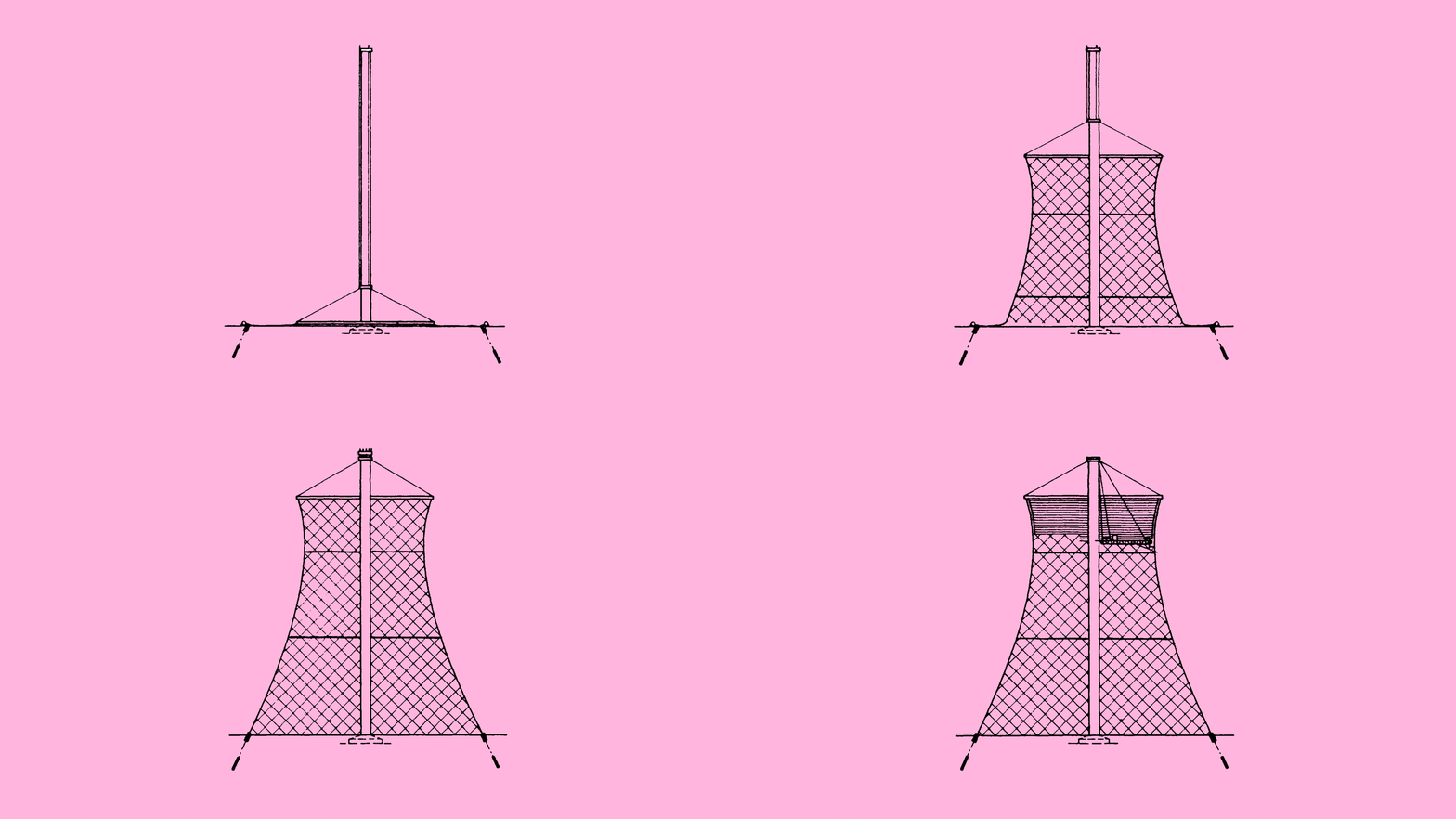
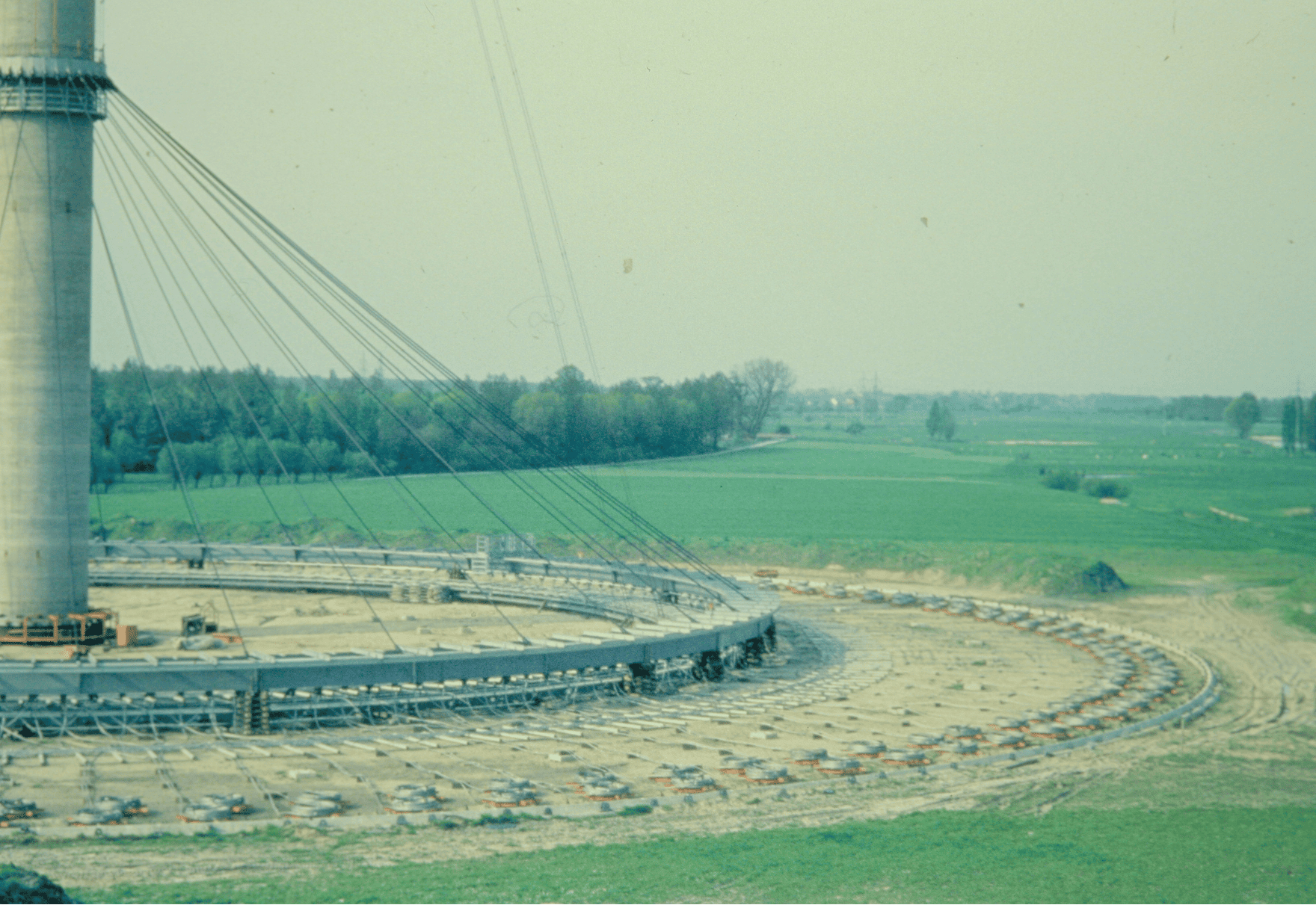
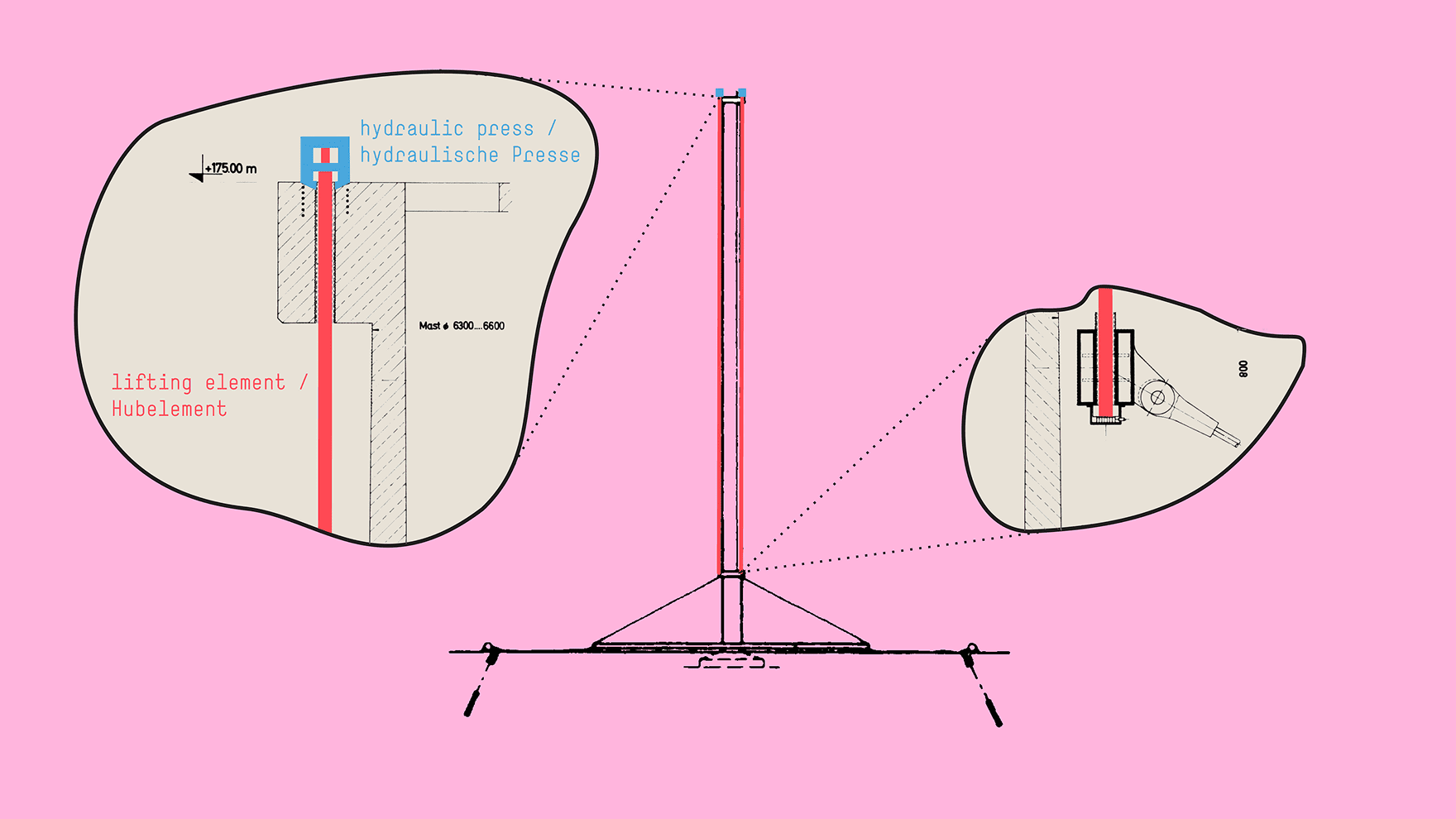
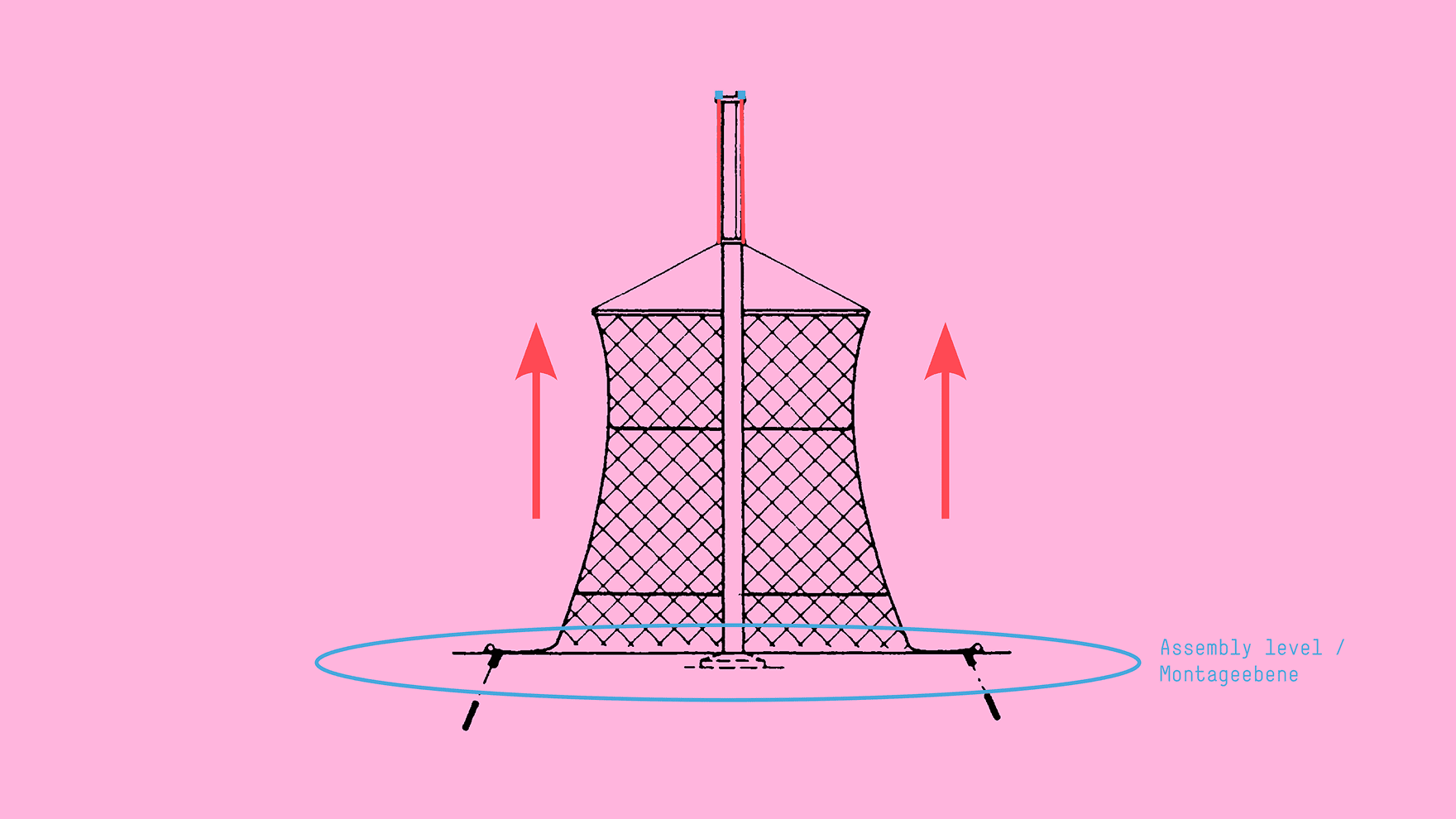
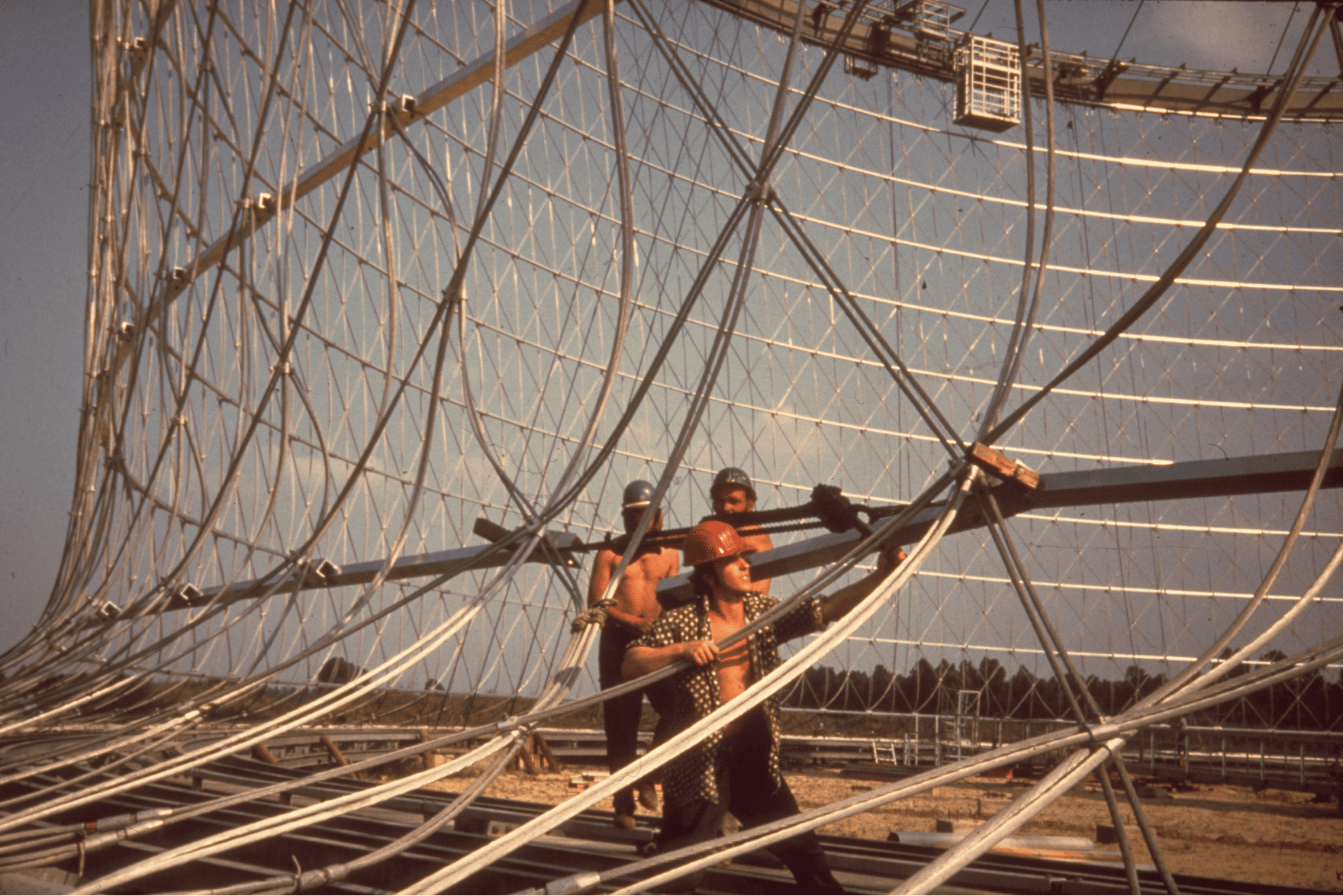
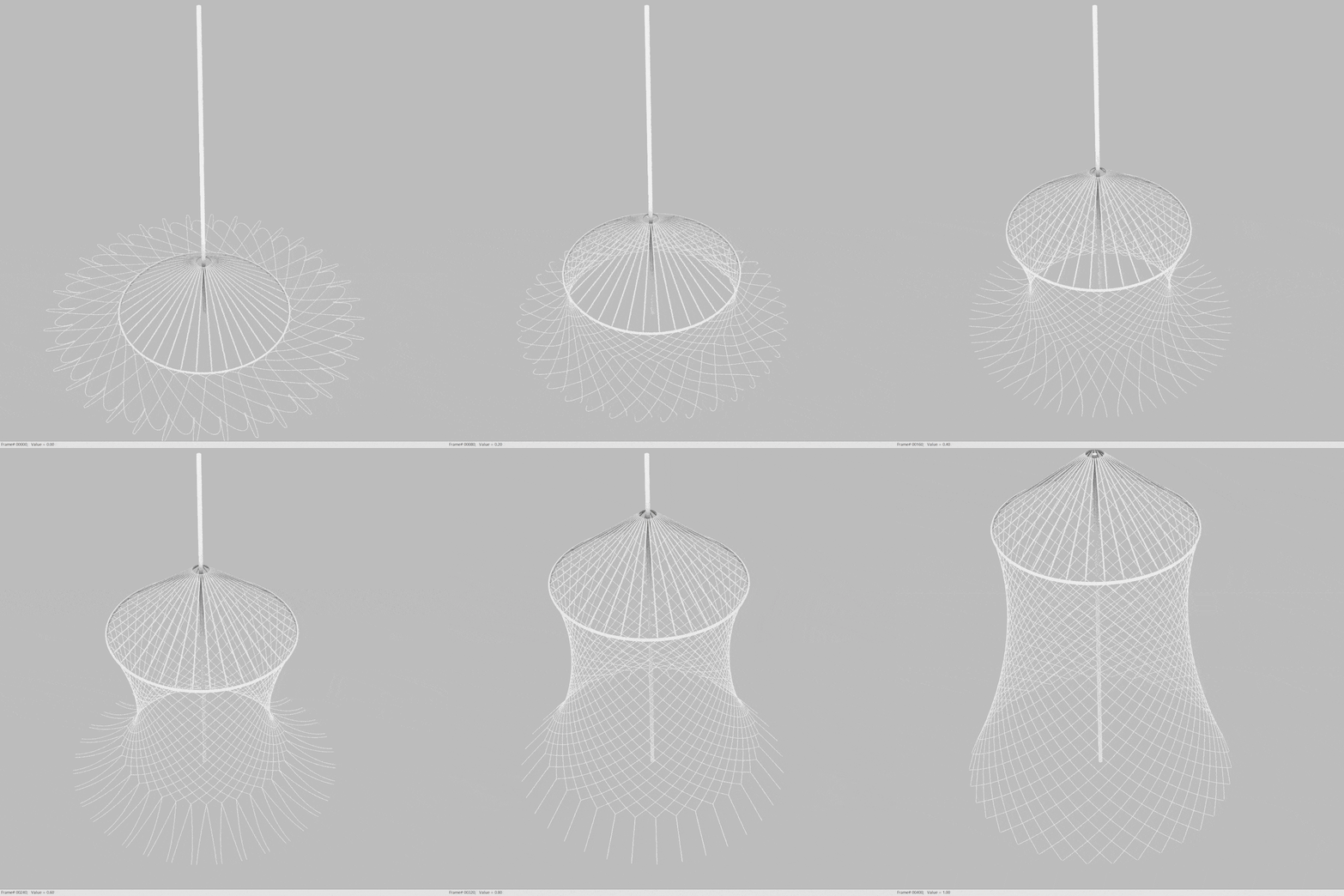
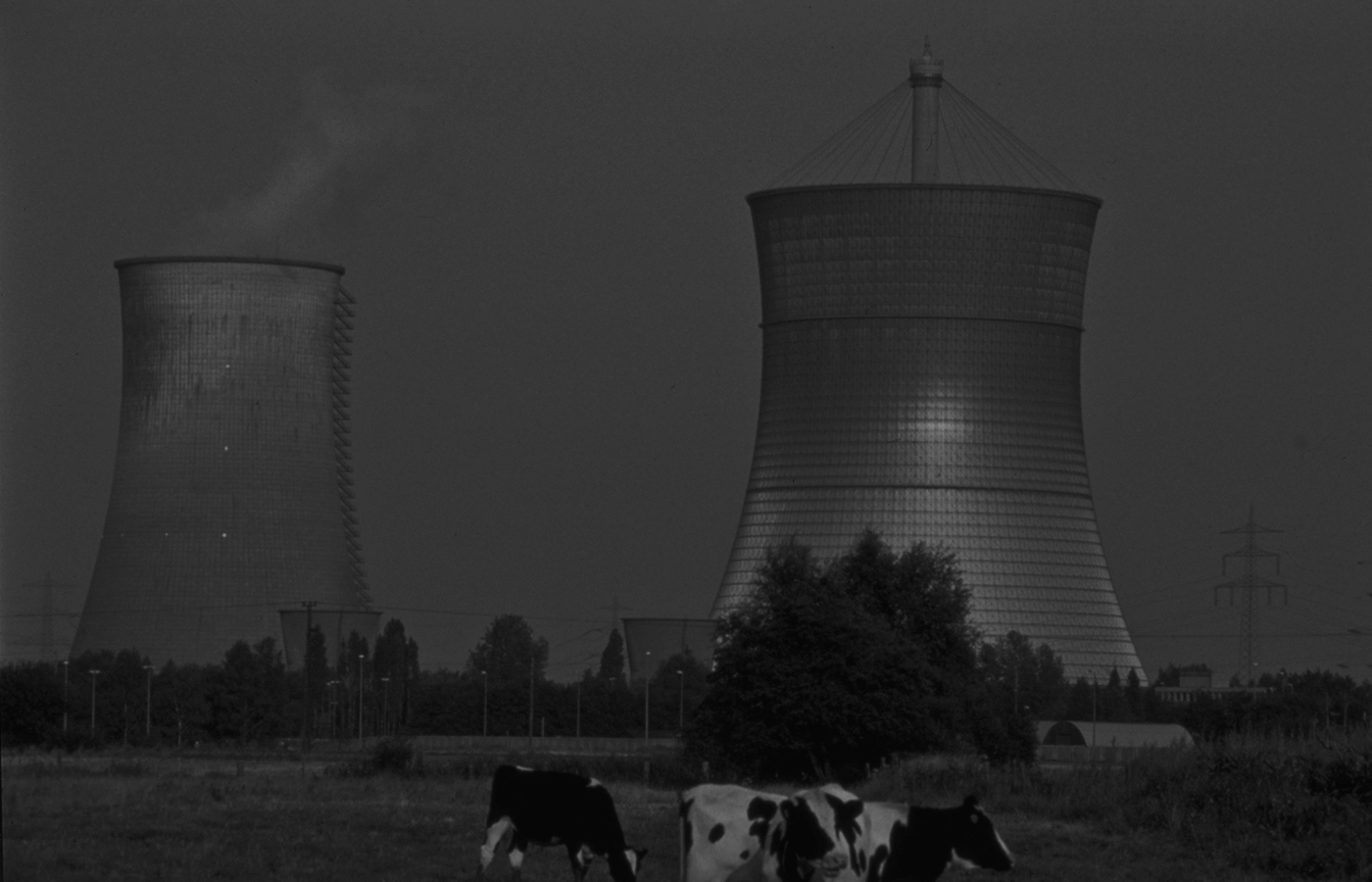
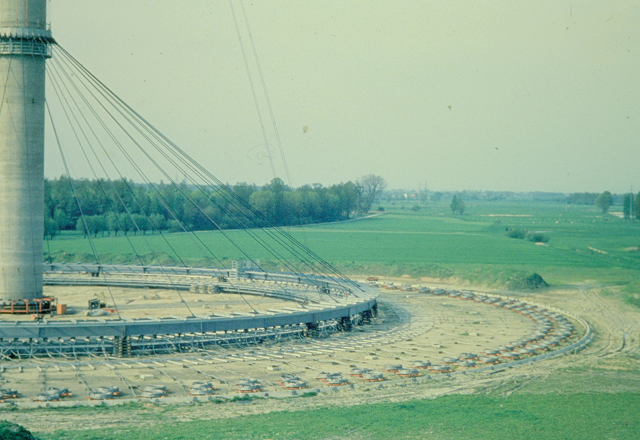
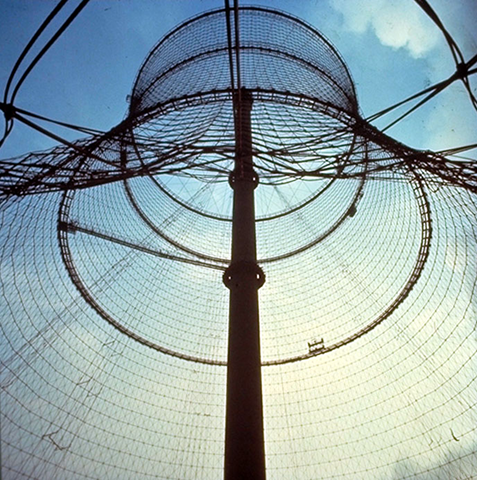
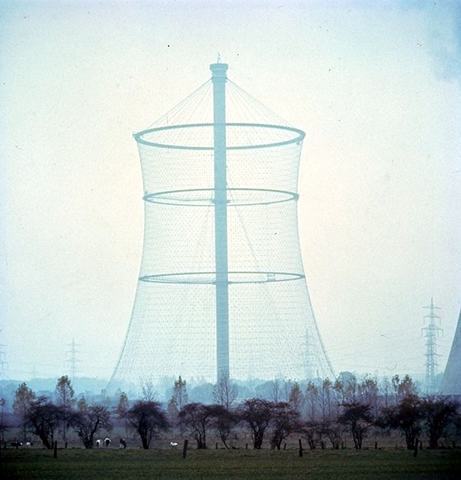
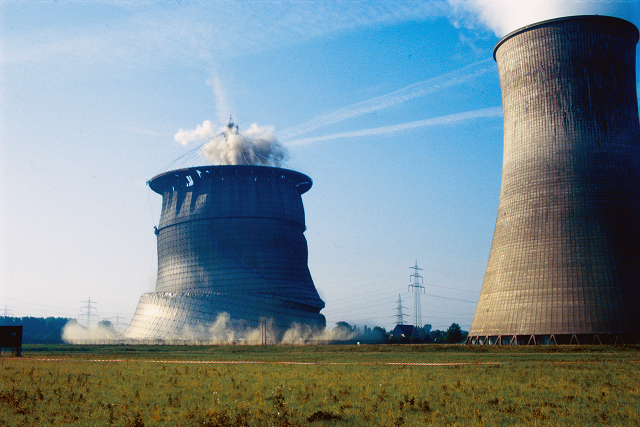
Since dry cooling systems inherently require significantly larger structural volumes, traditional reinforced concrete shells reached their economic and technological limits. The cable-net cooling tower emerged as a response to this shift: a novel, prestressed cable-net membrane enabled a lighter and significantly taller tower structure for the first time - The cable net cooling tower served as a prototype for waste heat dissipation from the Hamm-Uentrop high-temperature nuclear power plant (THTR 300) from 1986 to 1989. With its shutdown the tower also lost its function. Widespread use remained limited, as dry cooling loses efficiency at high ambient temperatures and involves considerable technical complexity. In Germany, this method remained a one-time experiment with the cable net cooling tower. Nevertheless, the prestressed cable net structure provided a feasible solution for tower heights and diameters of up to 300 m for the first time.
- The construction was commissioned by “Hochtemperatur-Kernkraftwerk GmbH” - an operating company with the participation of several energy suppliers, in particular “Vereinigte Elektrizitätswerke Westfalen”. As this was a technologically pioneering pilot project, the state of North Rhine-Westphalia also supported the project financially.
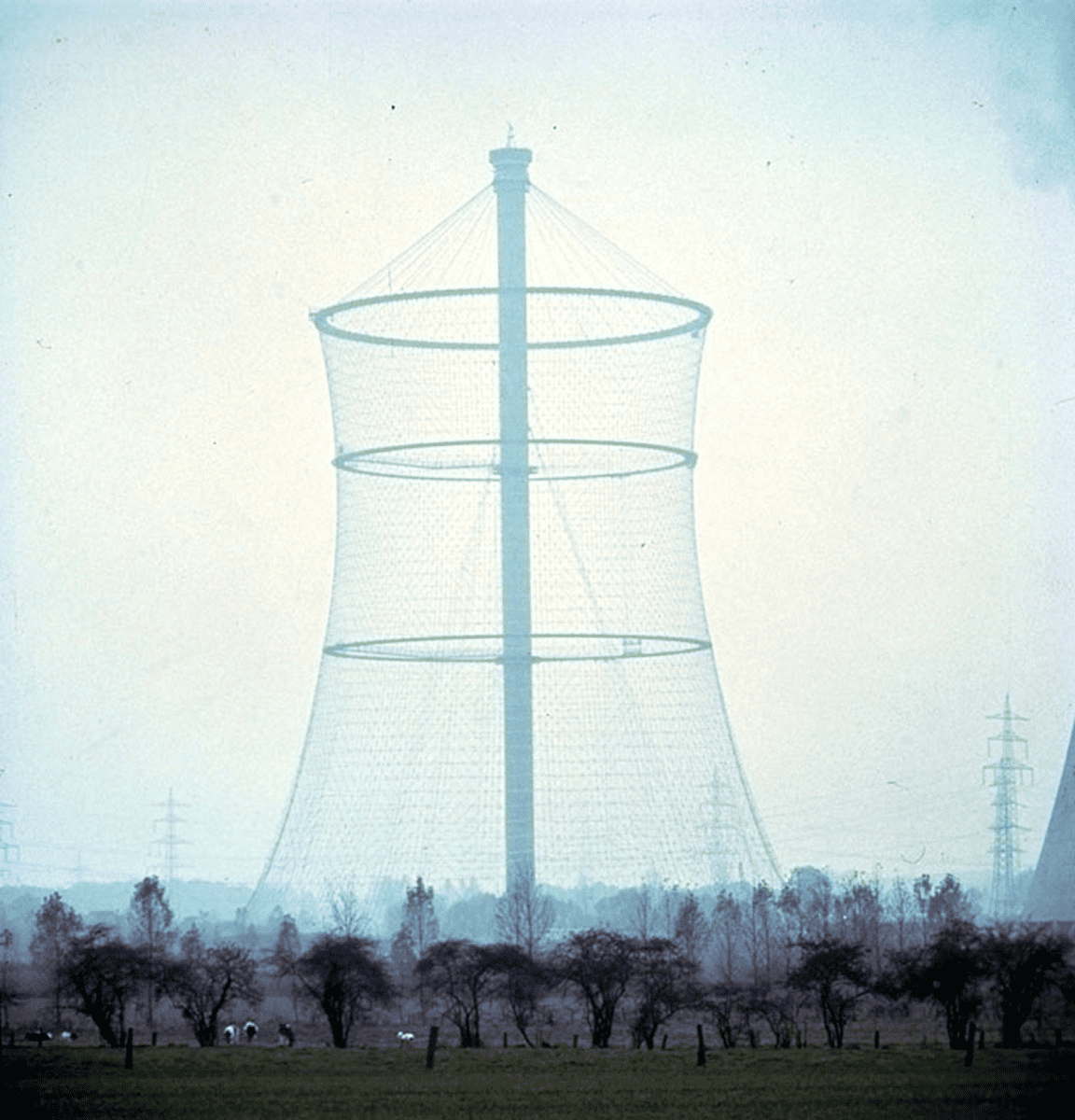
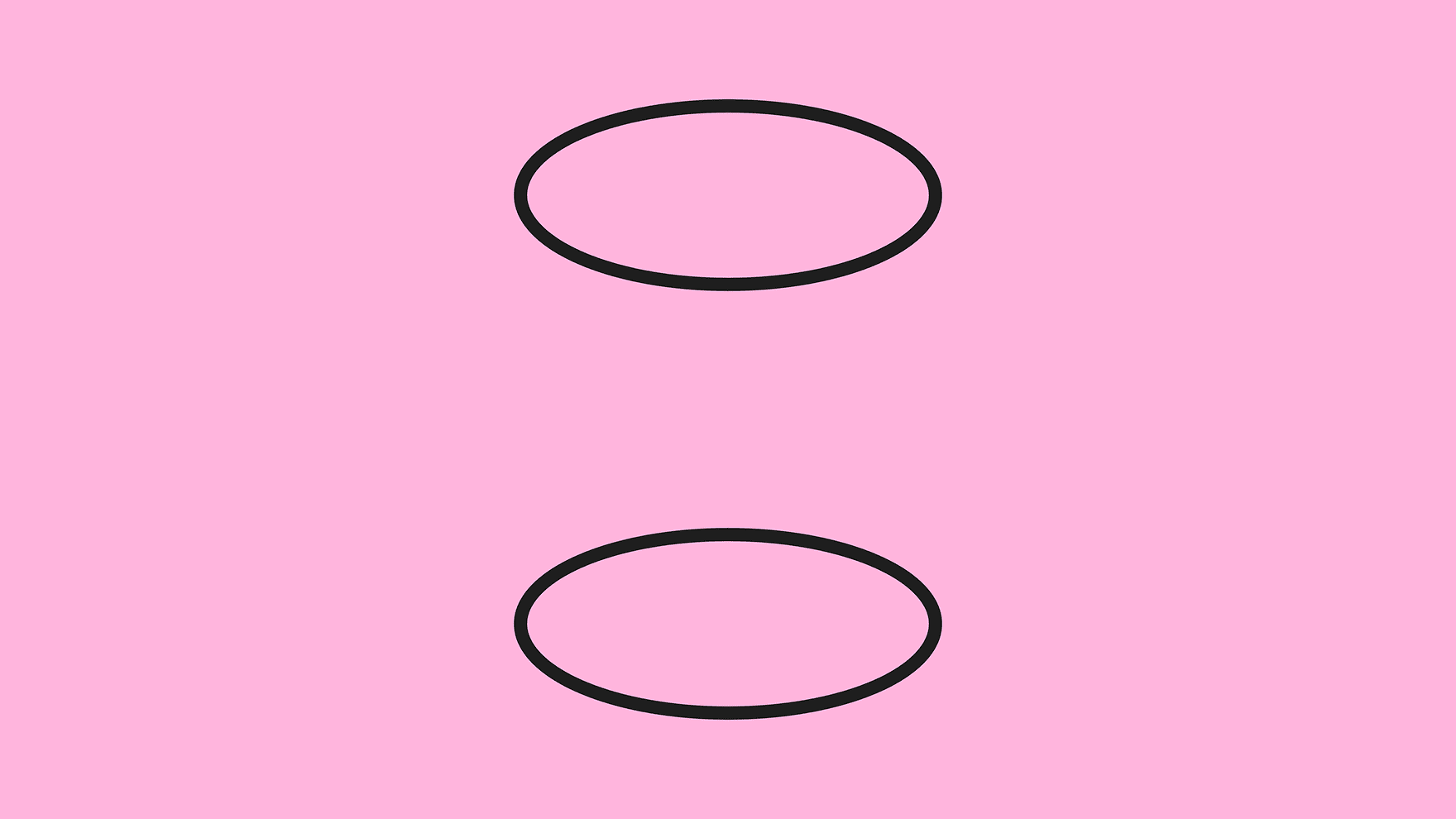
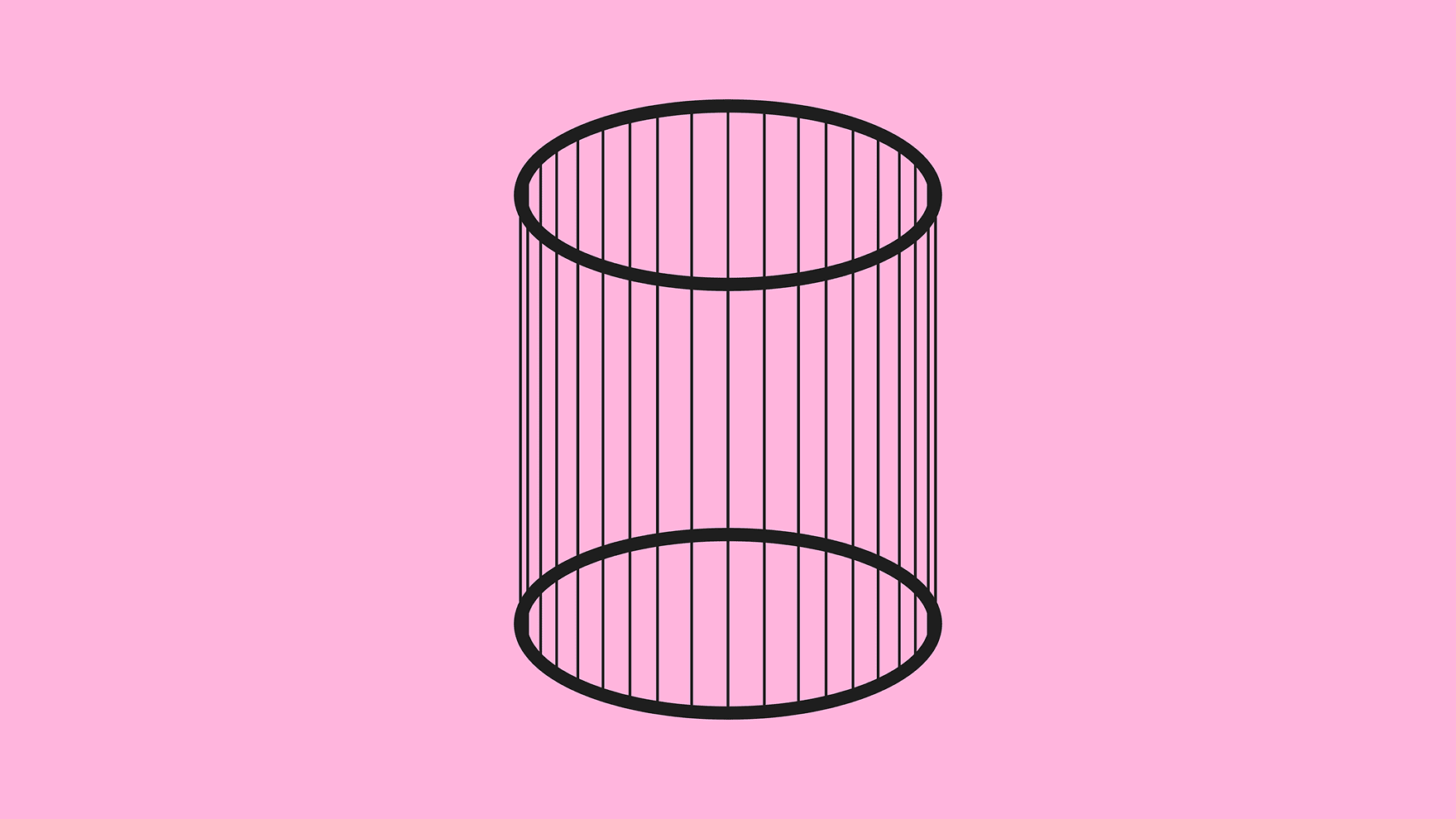
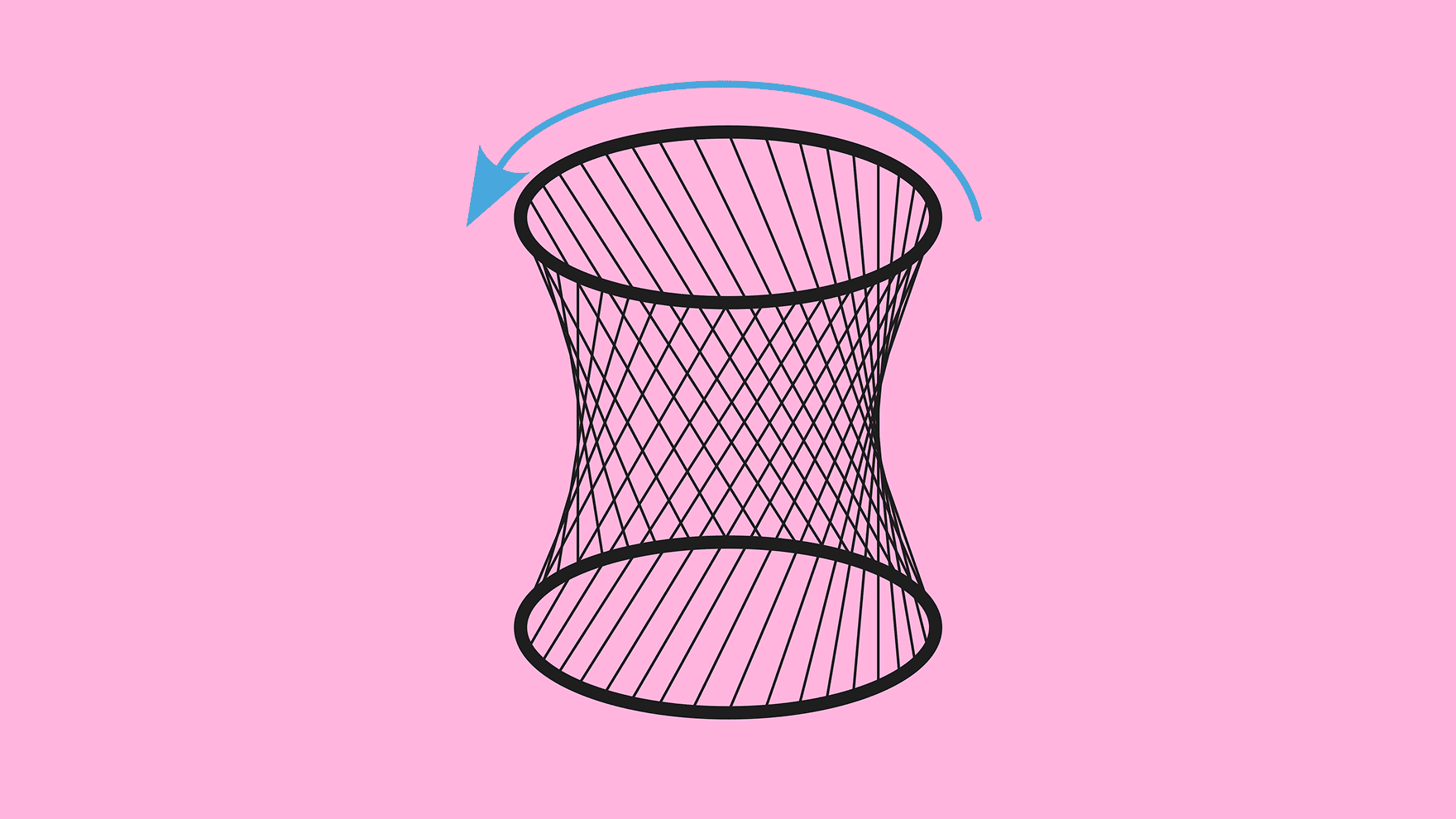
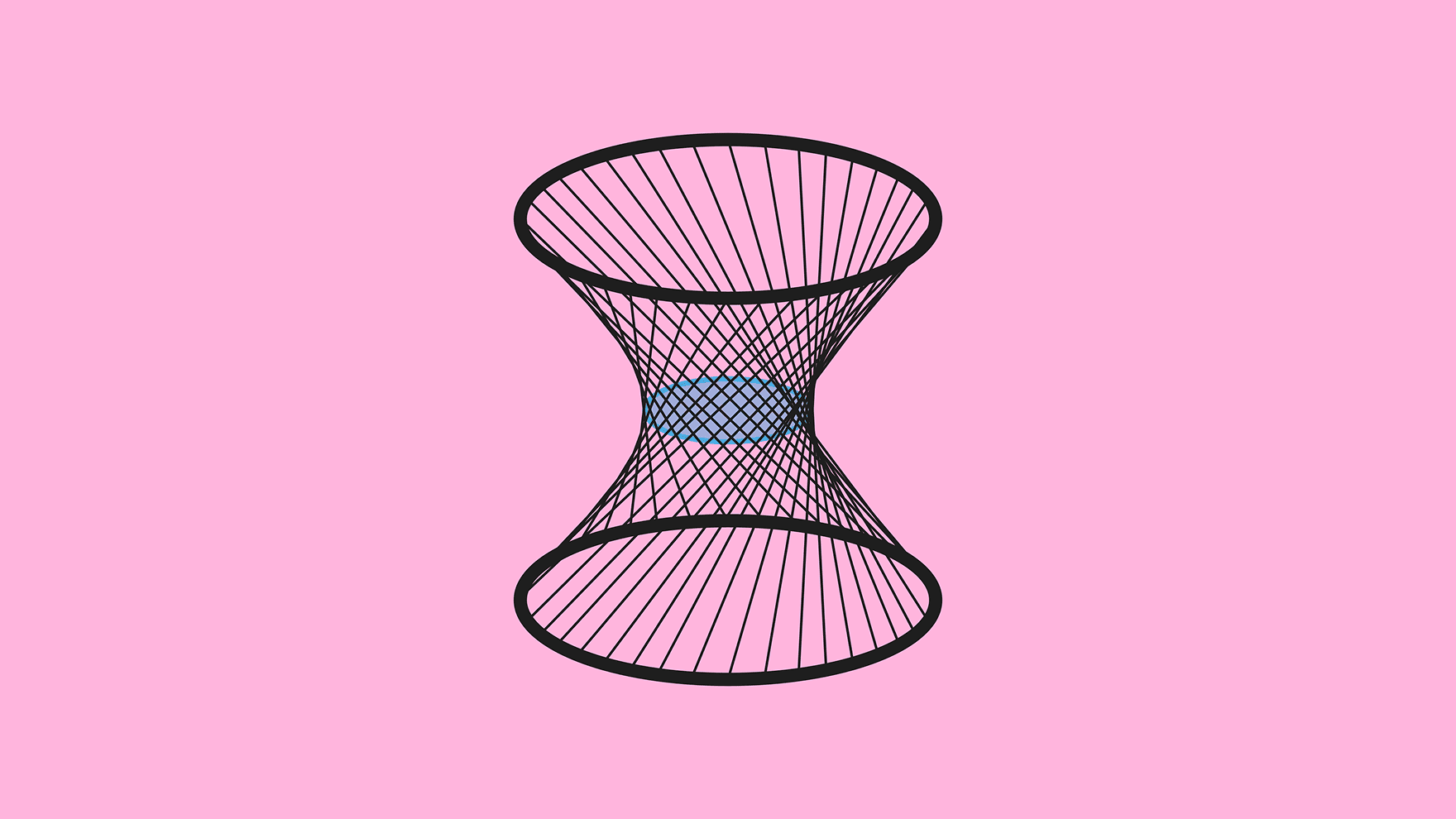
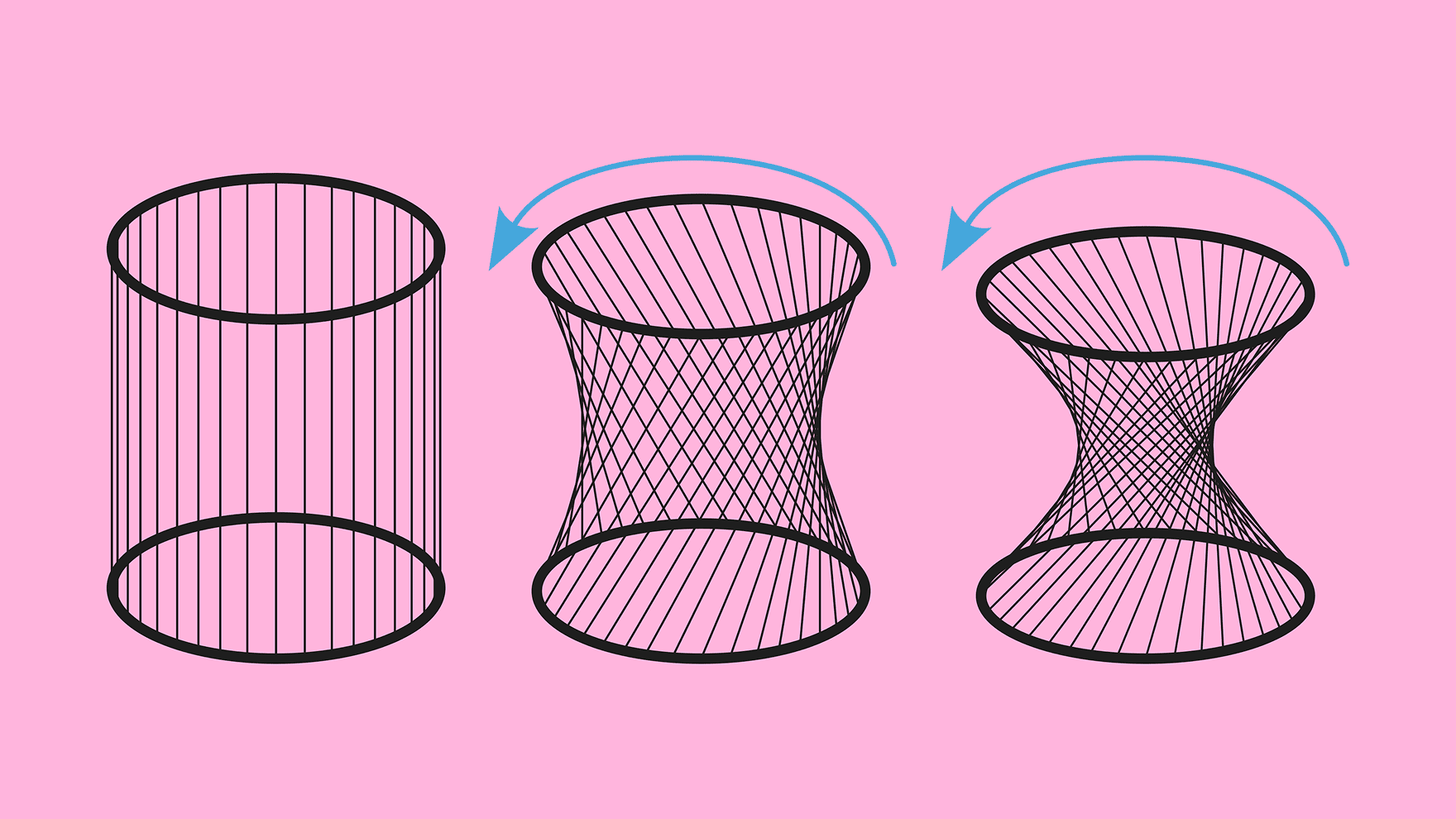
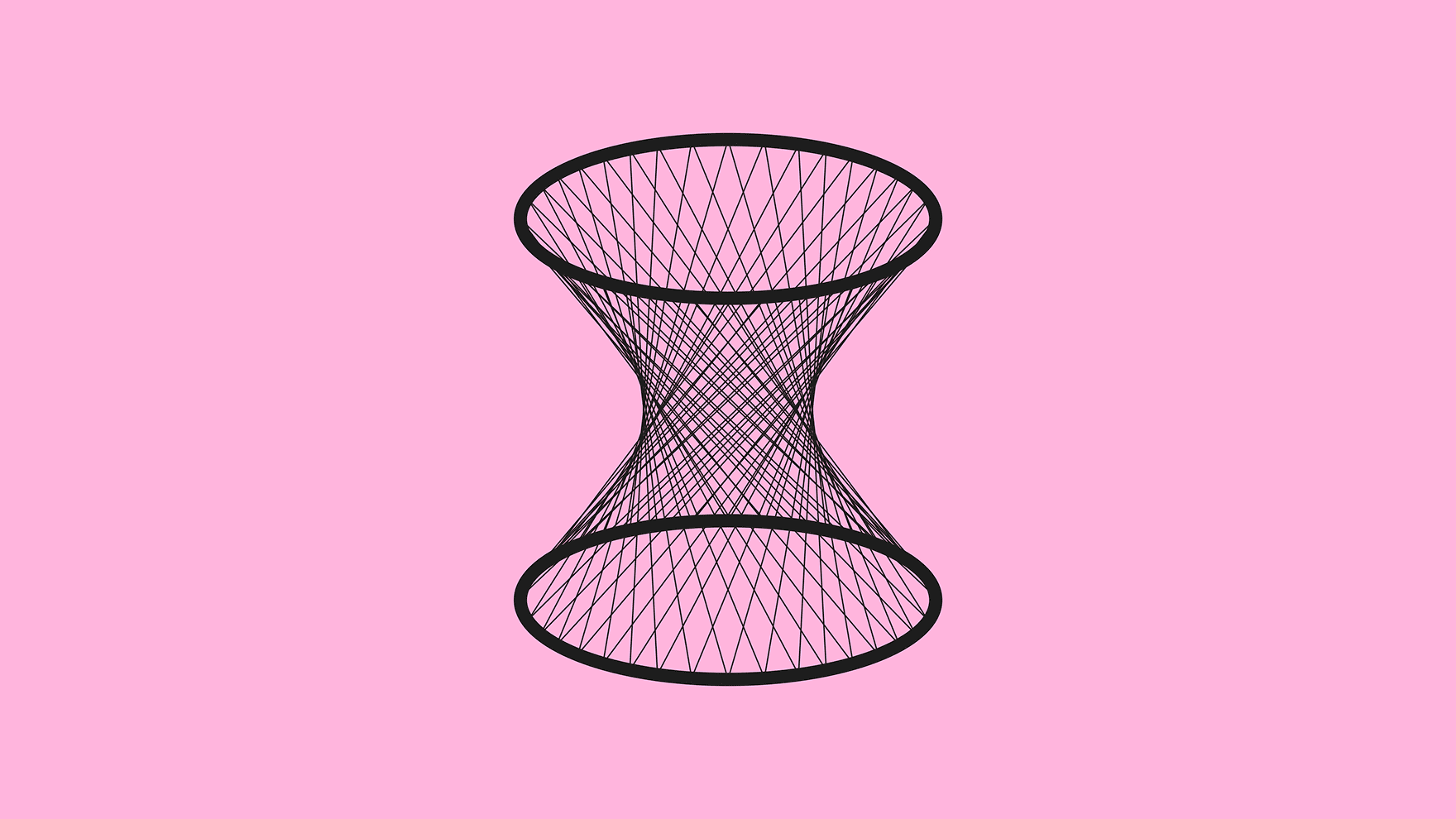
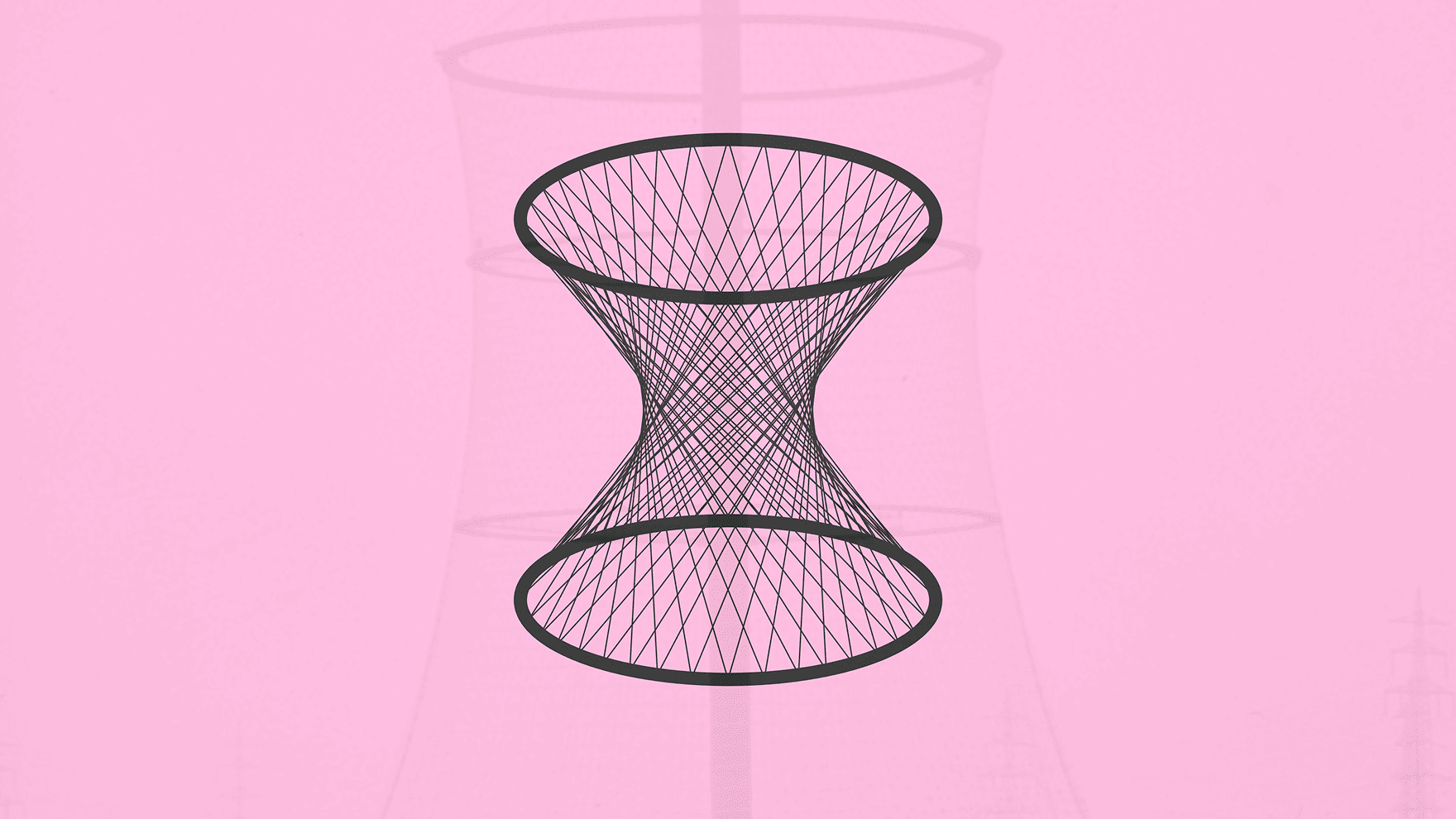
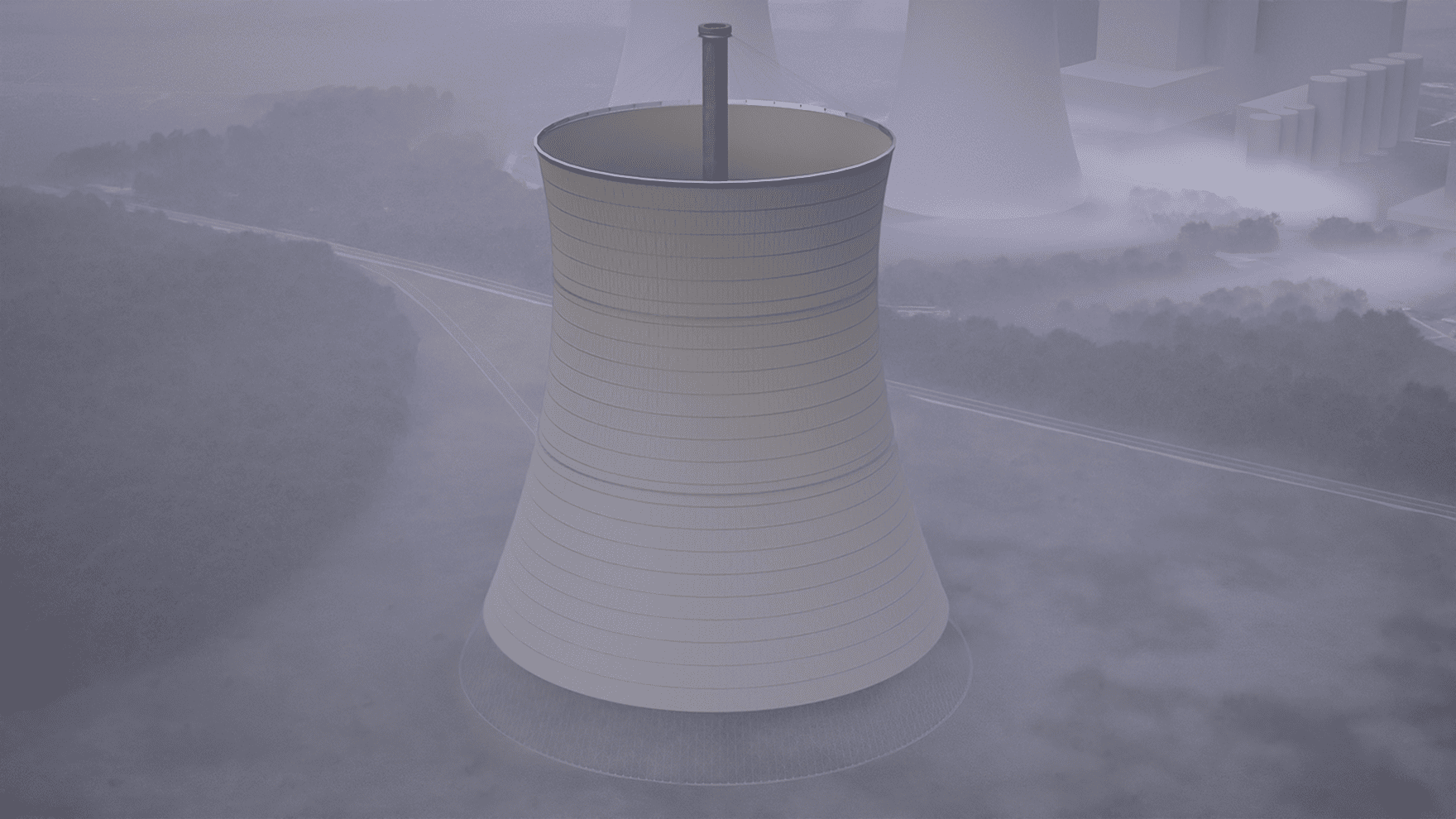
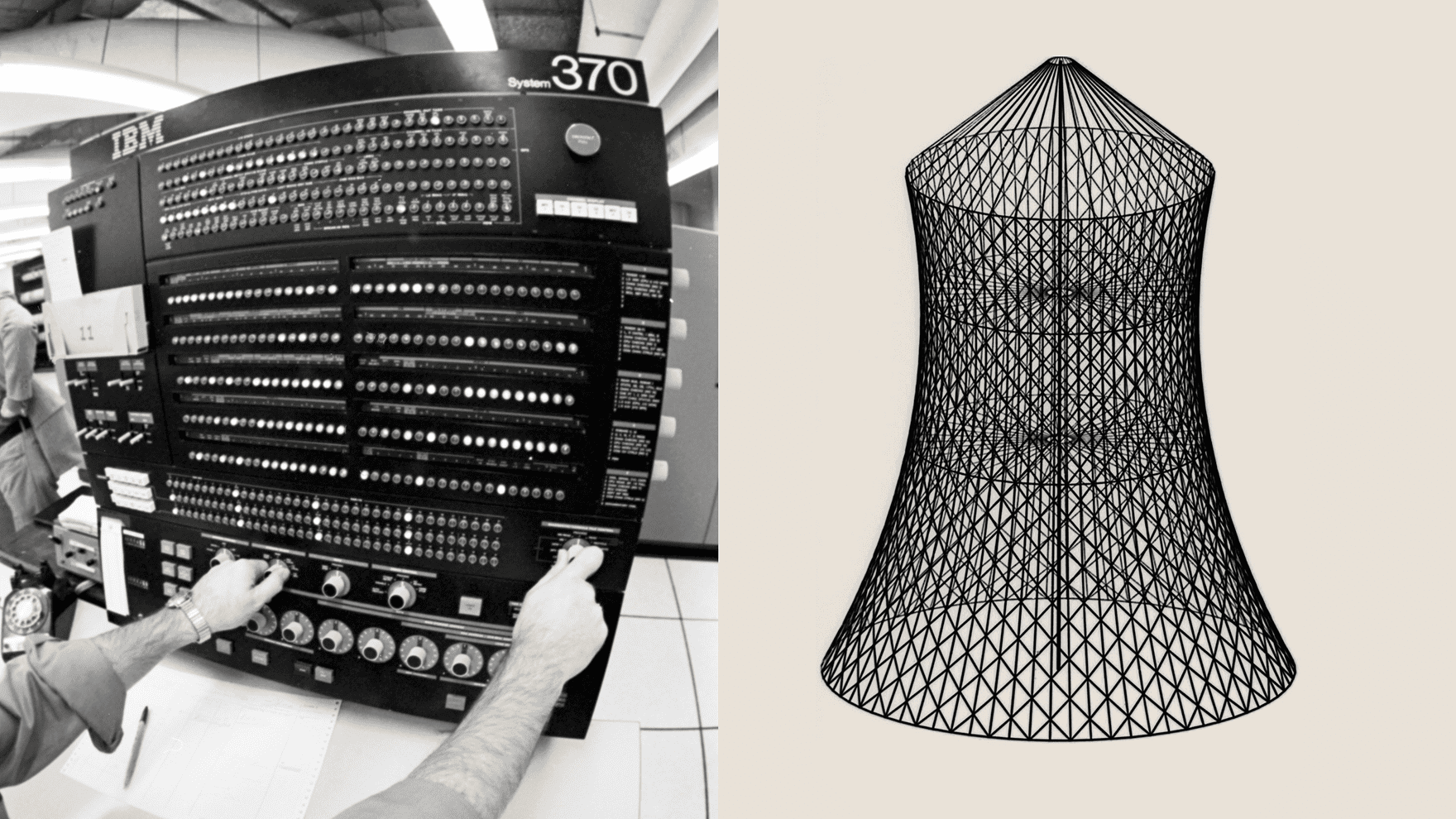
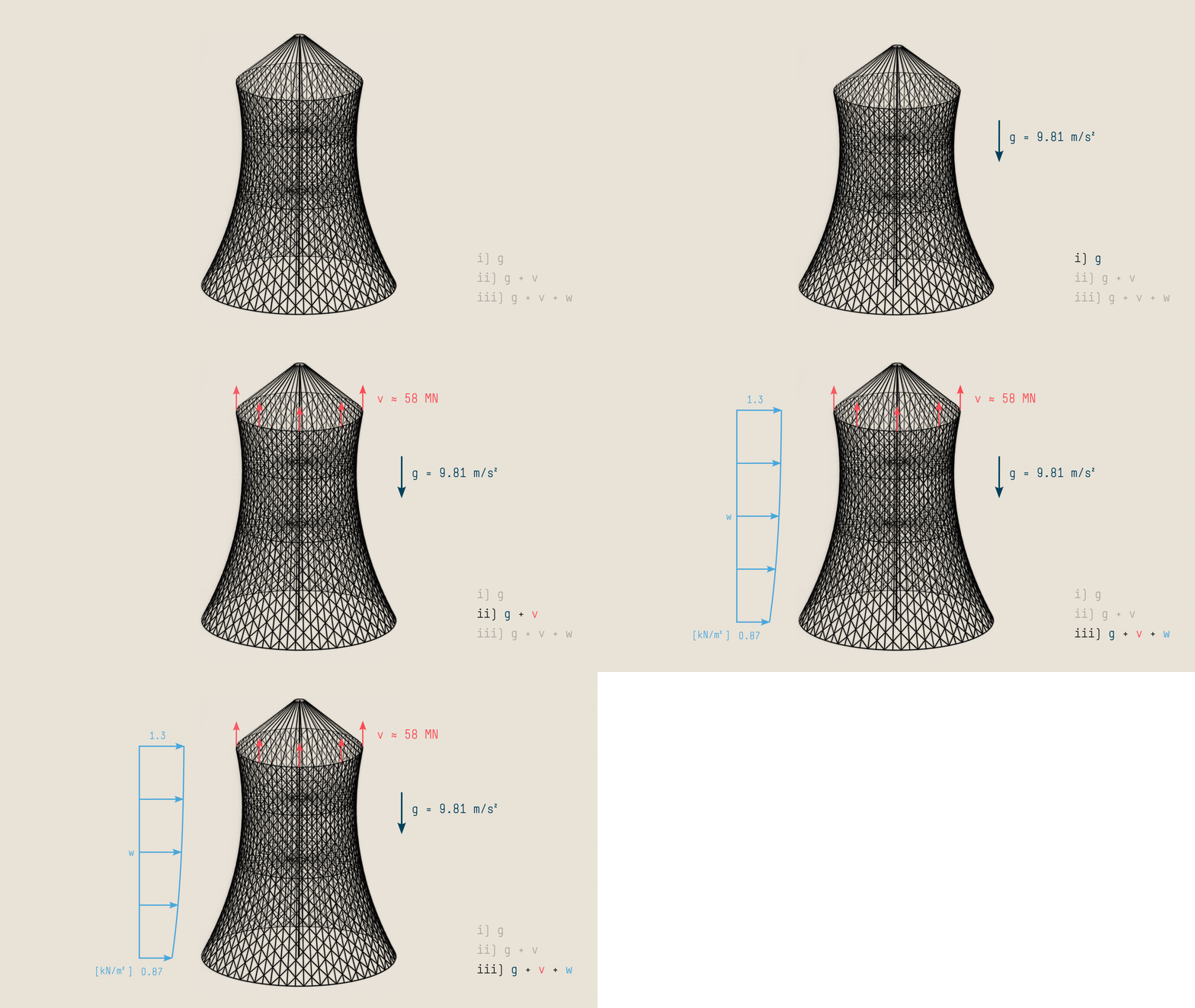
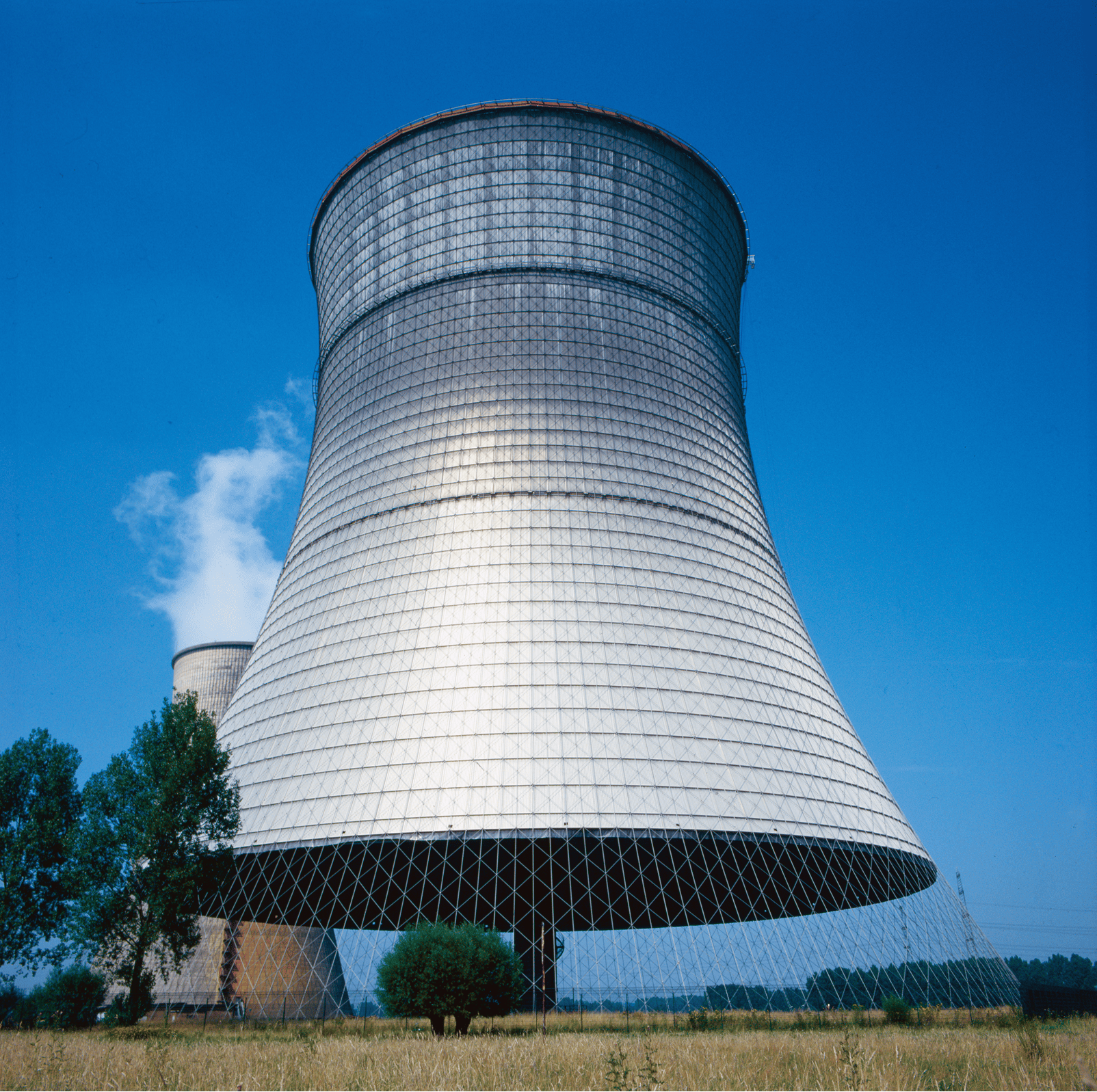
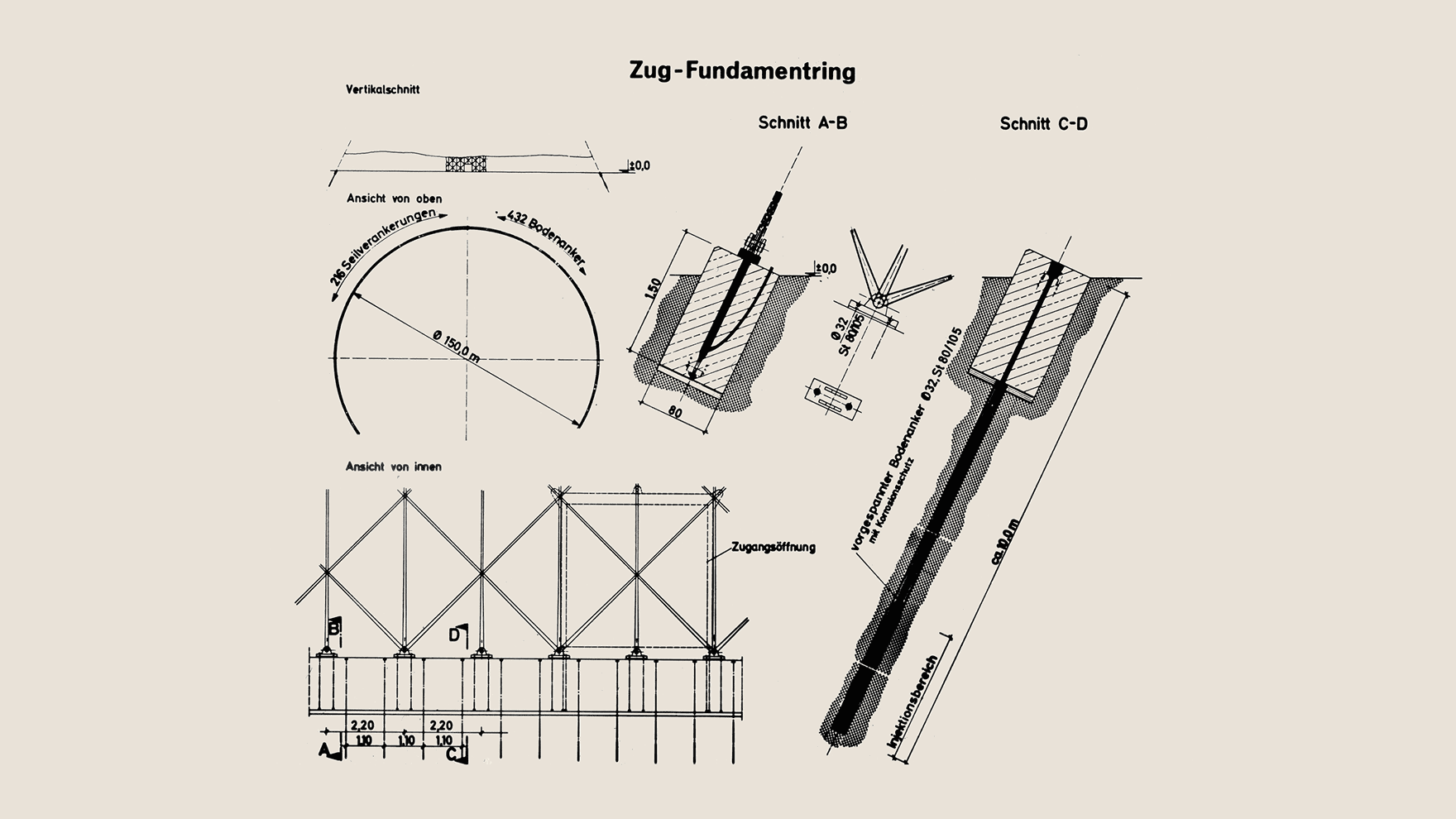
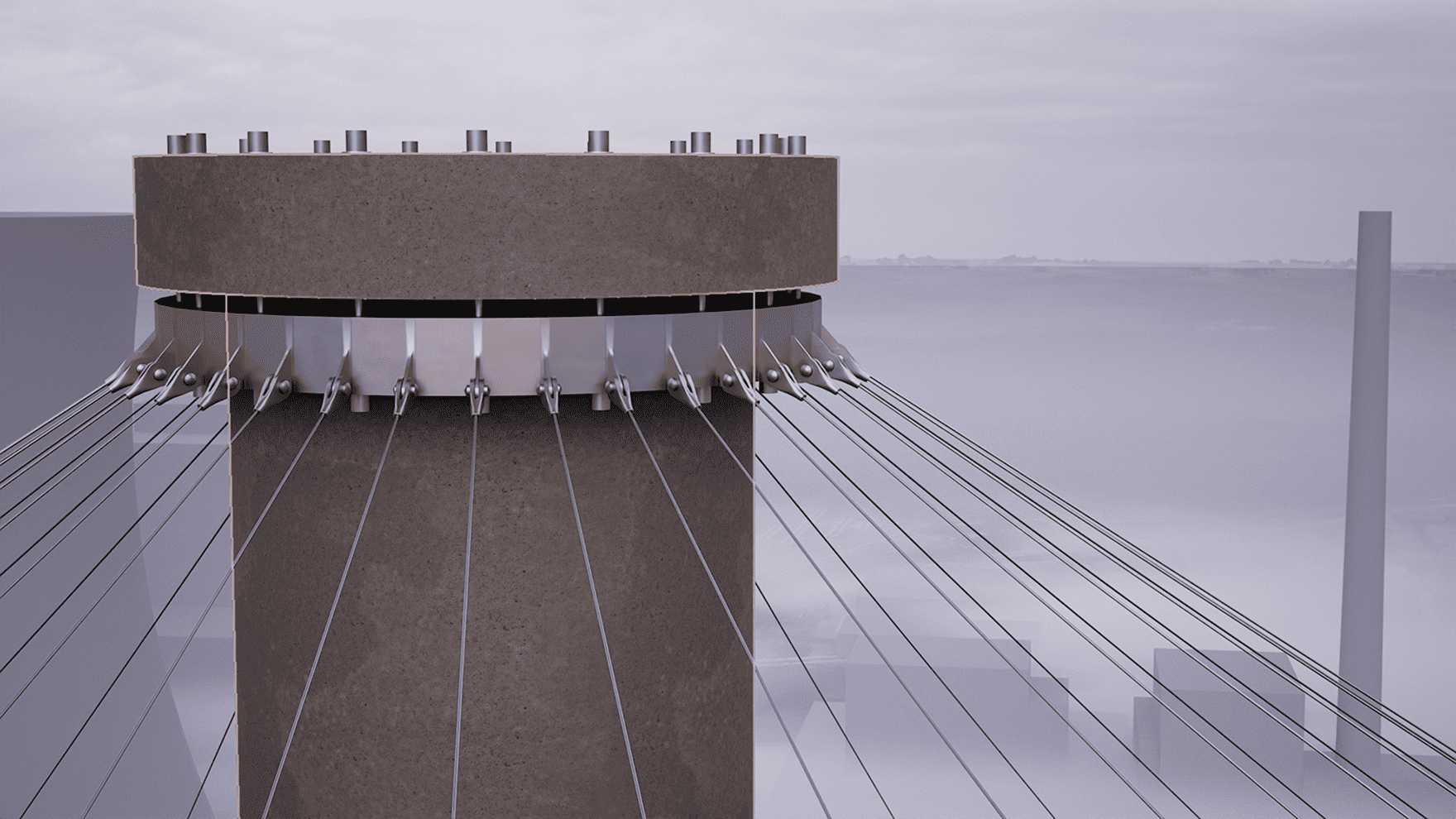
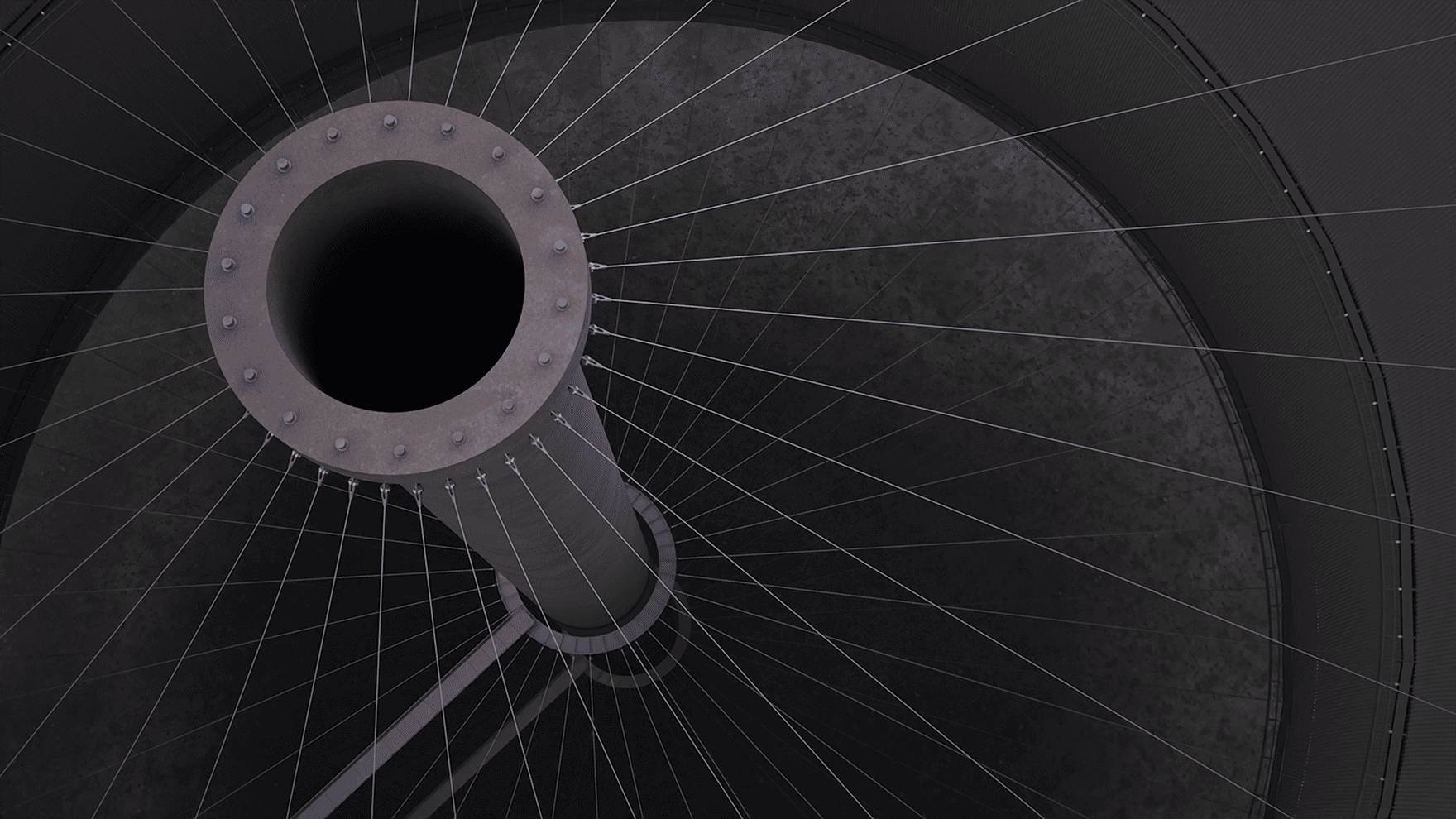
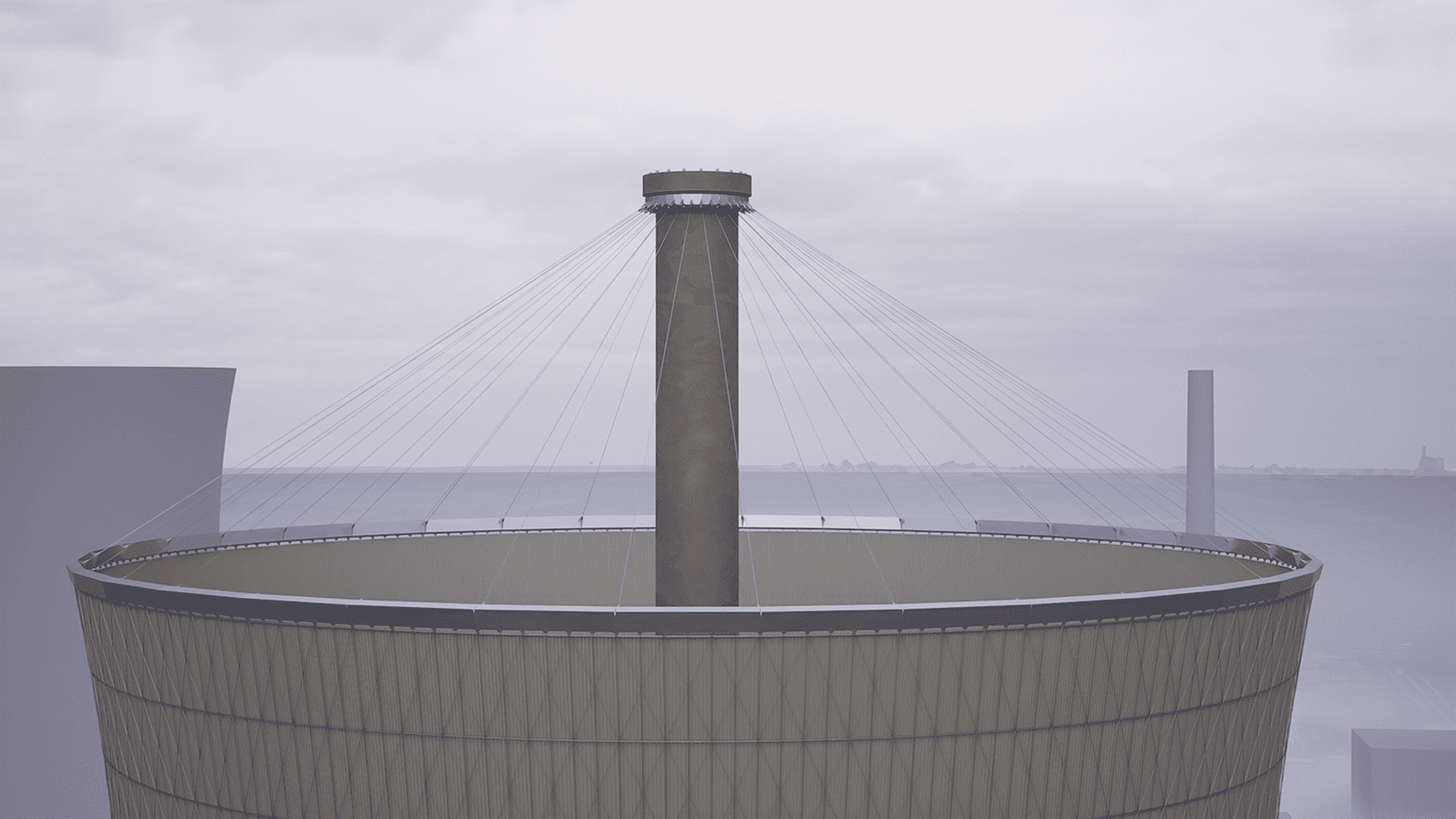
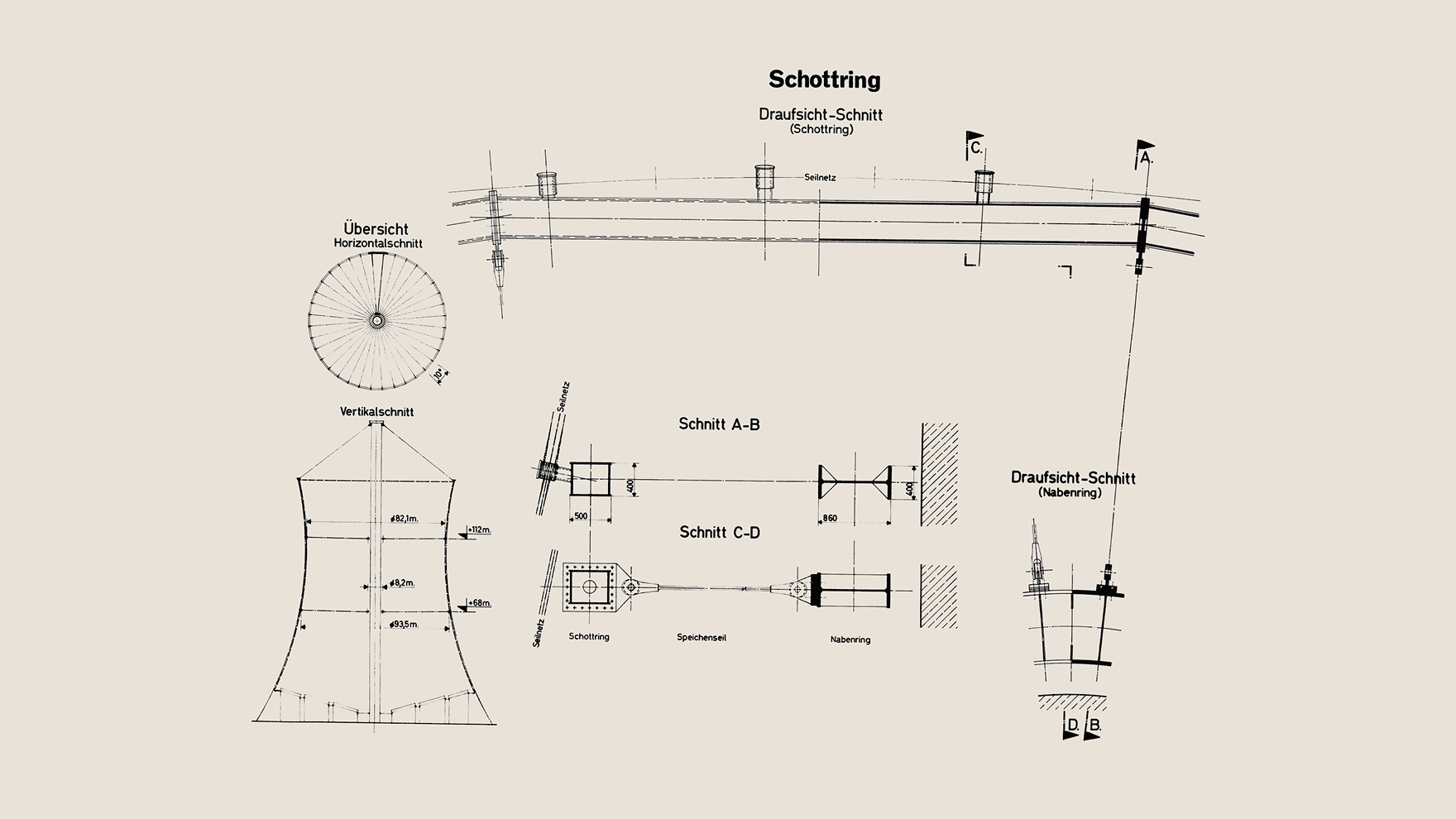
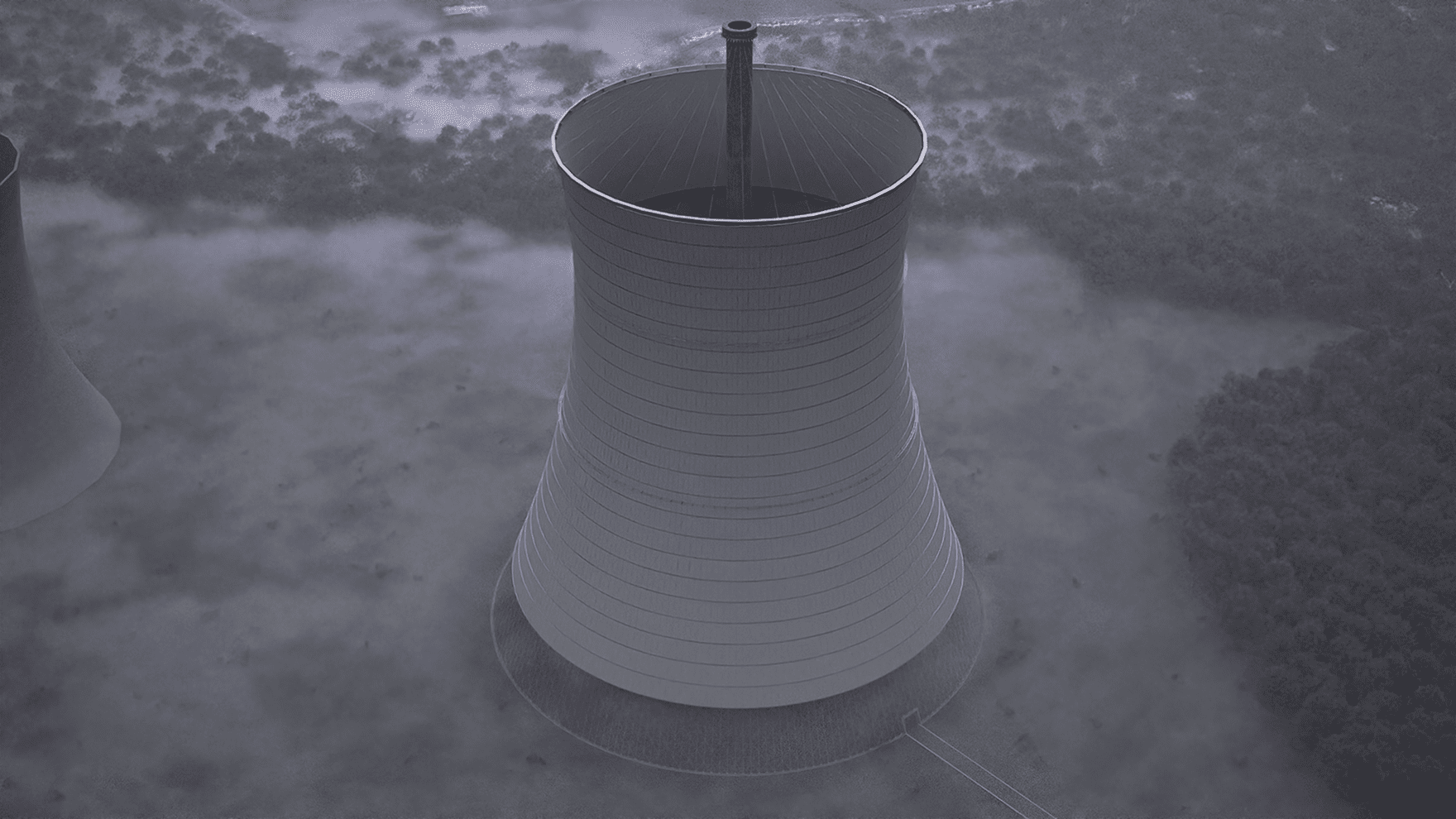
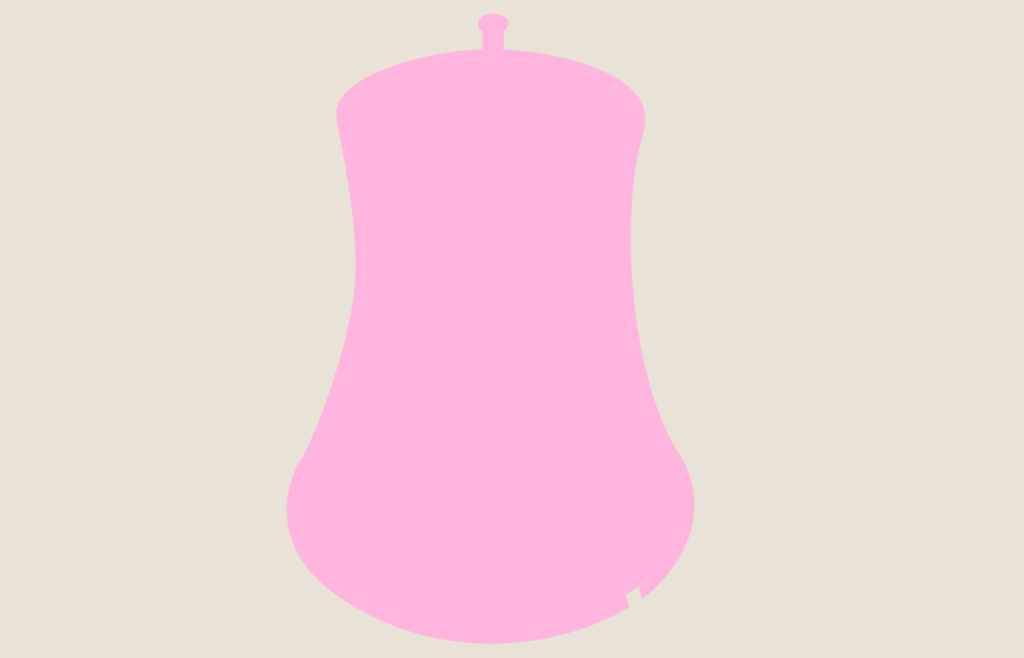
- In particular, the shape of the cable net cooling tower—a rotational hyperboloid—is functionally justified because it supports the chimney effect and thus air cooling. Geometrically, it results from a state of equilibrium of the prestressed net structure.
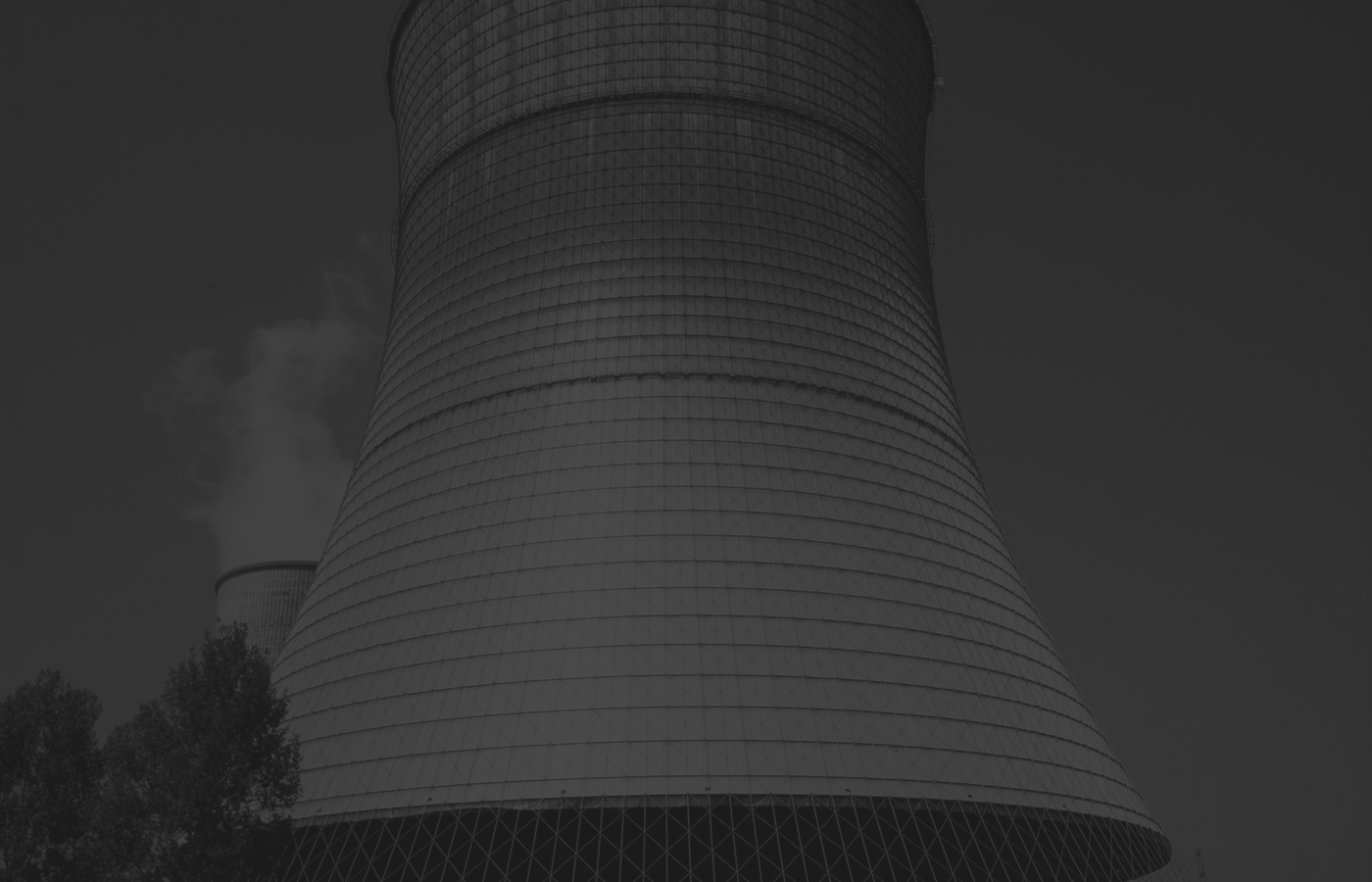
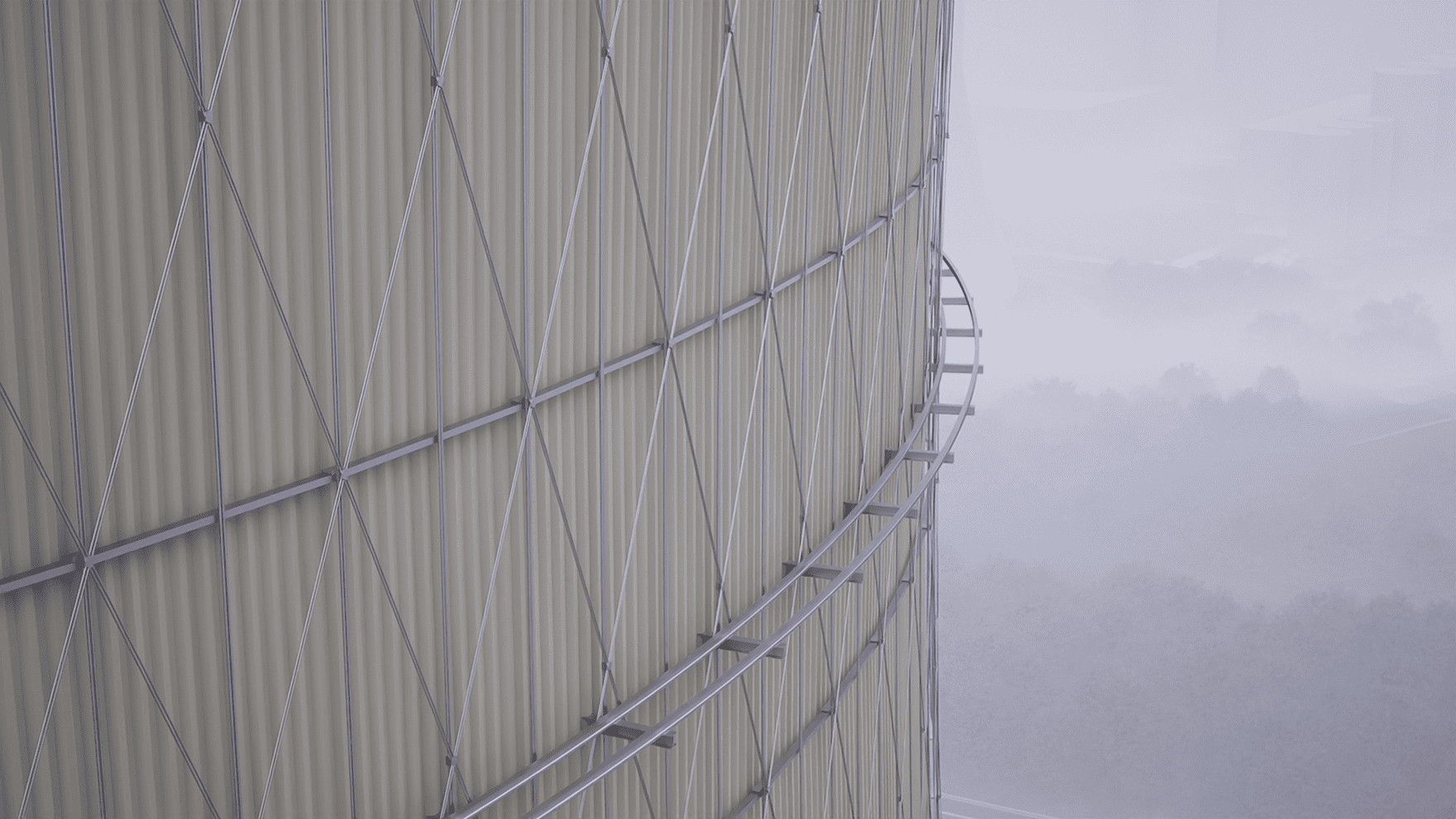
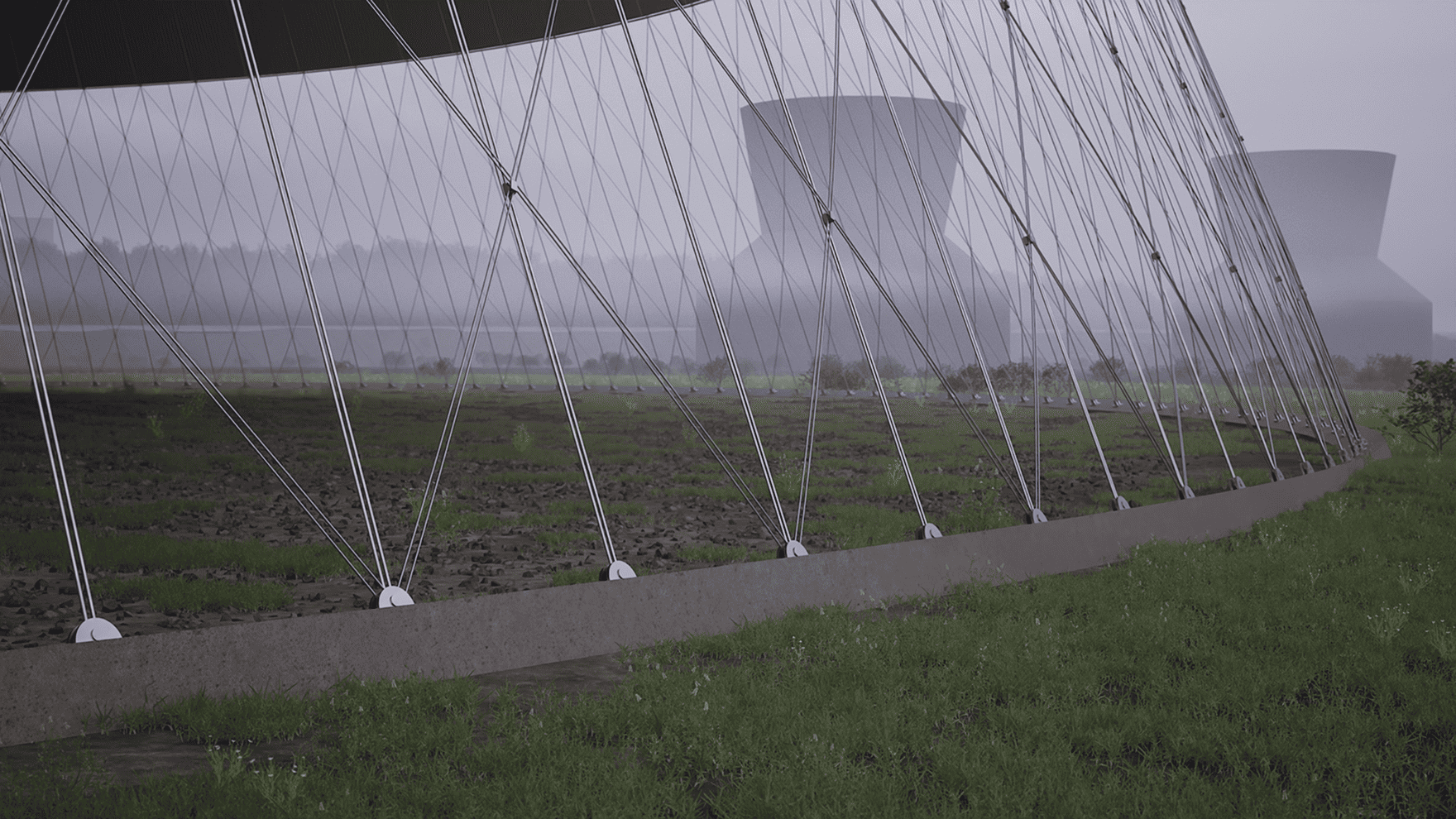
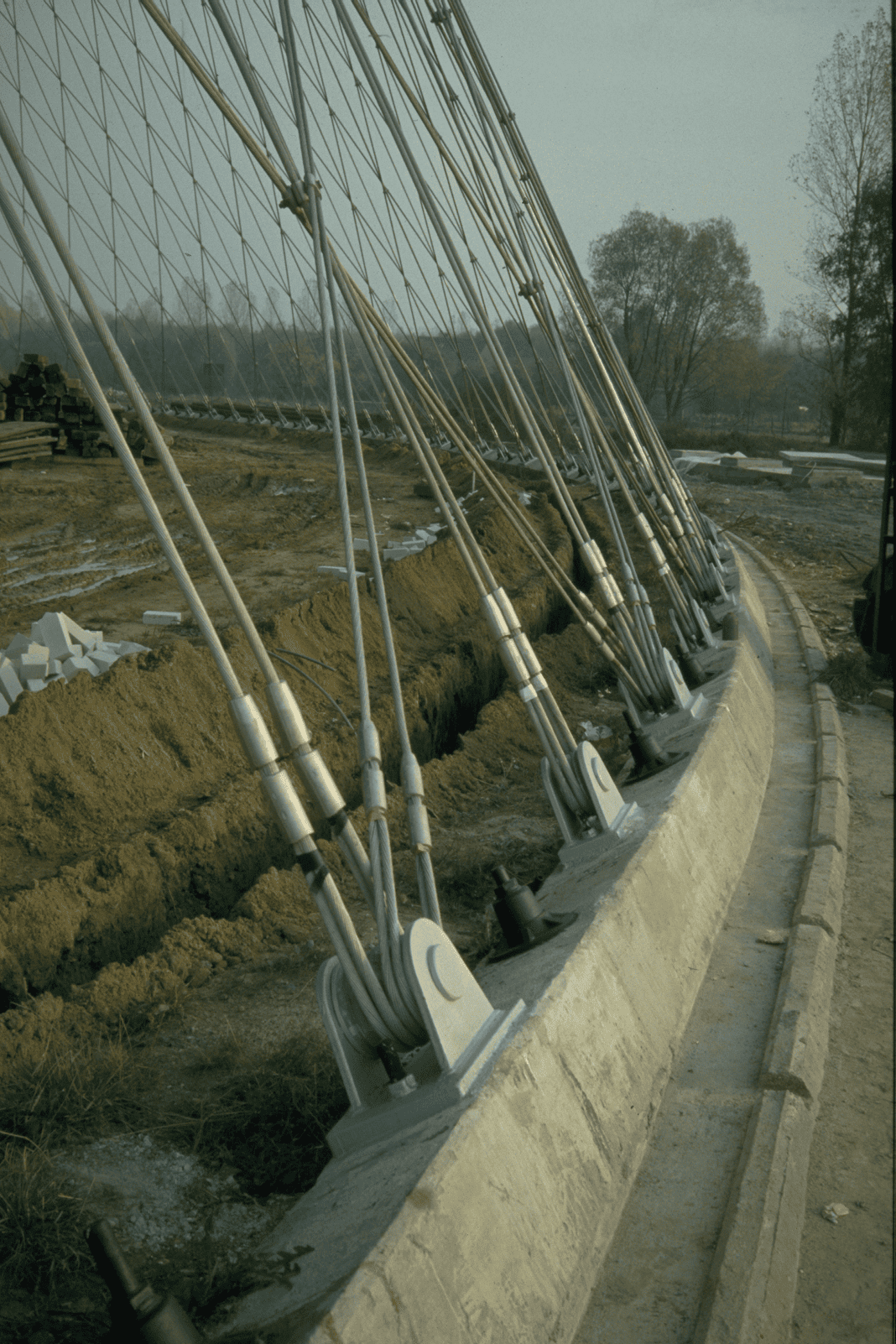
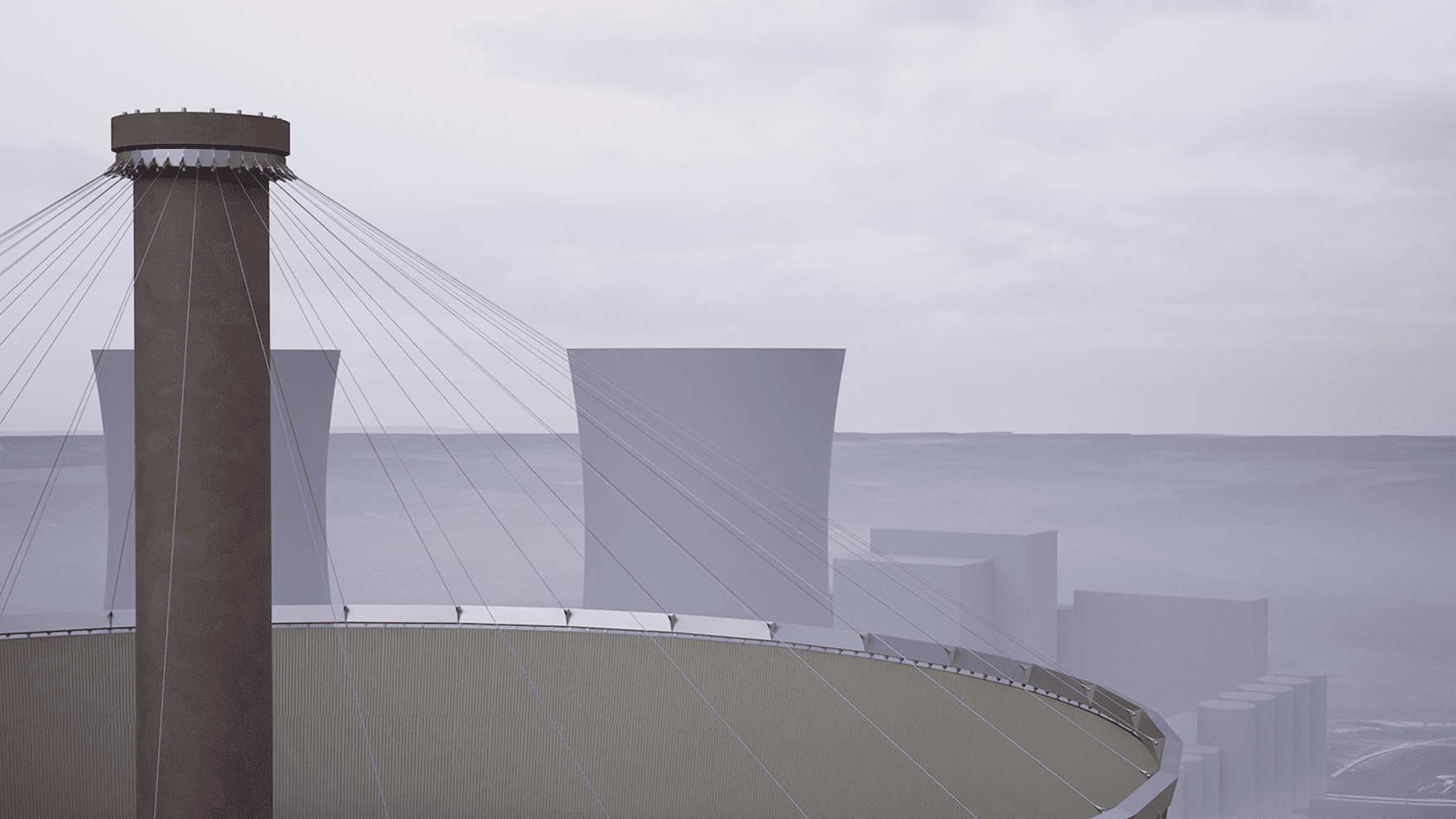
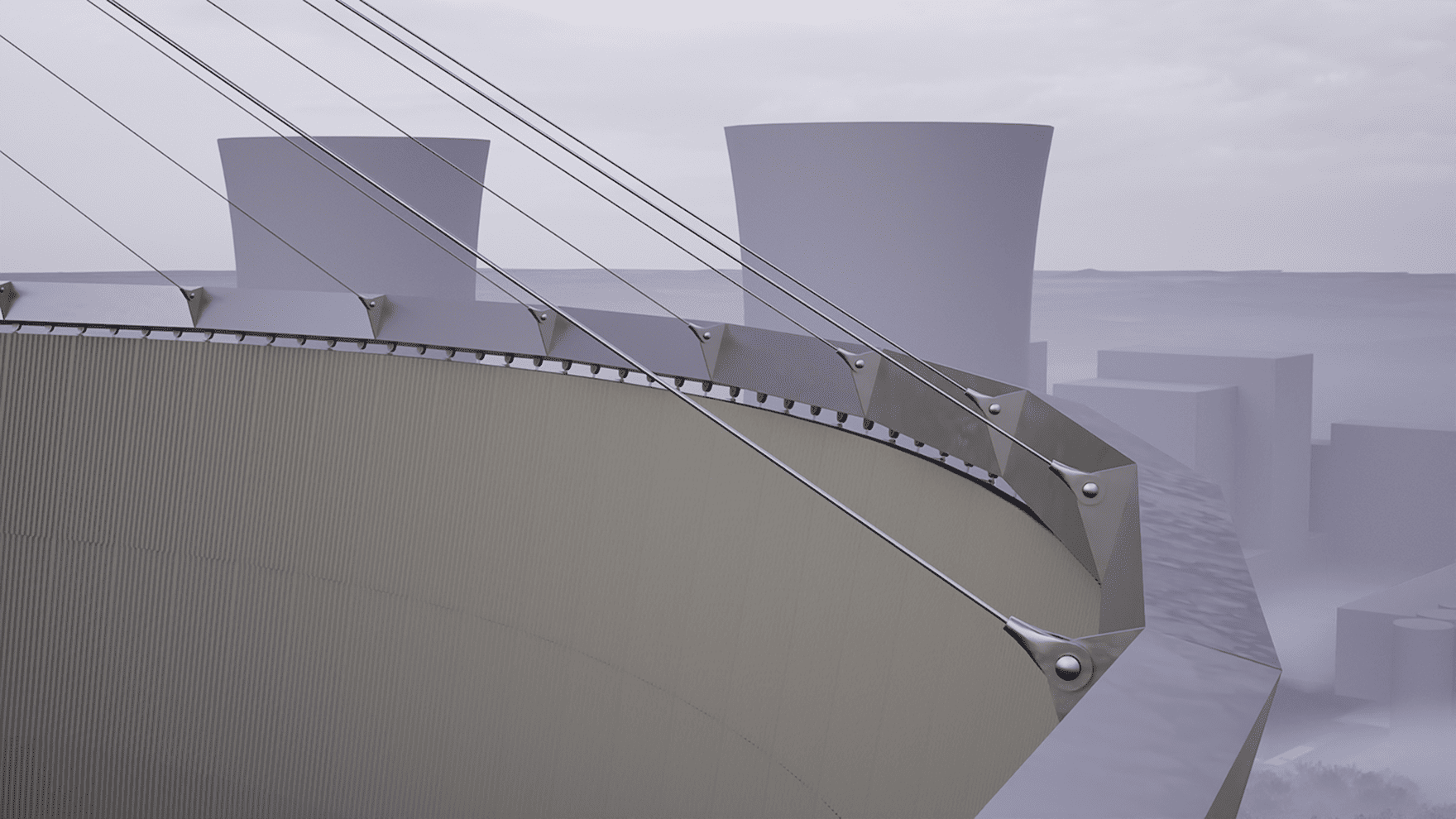
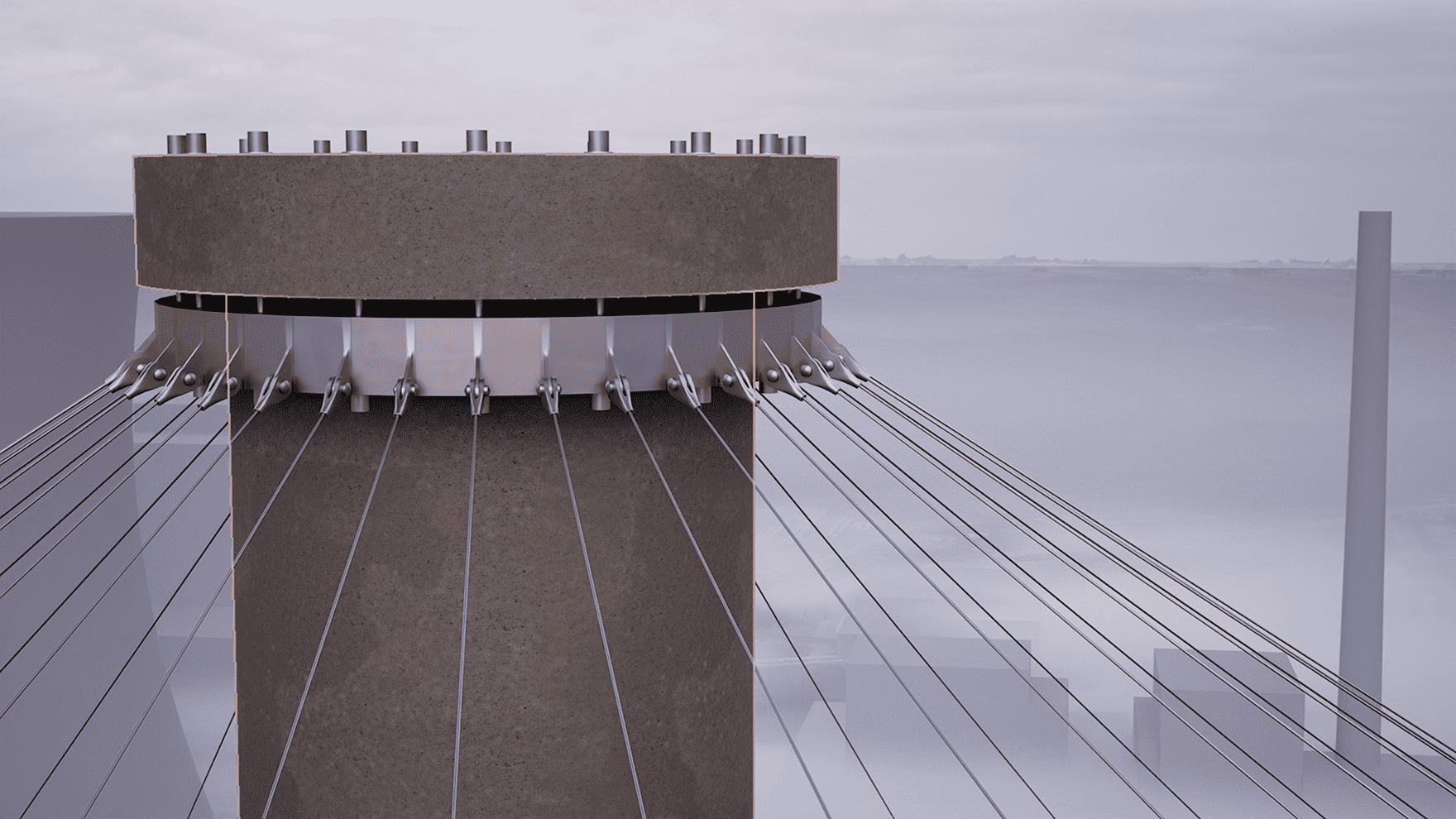
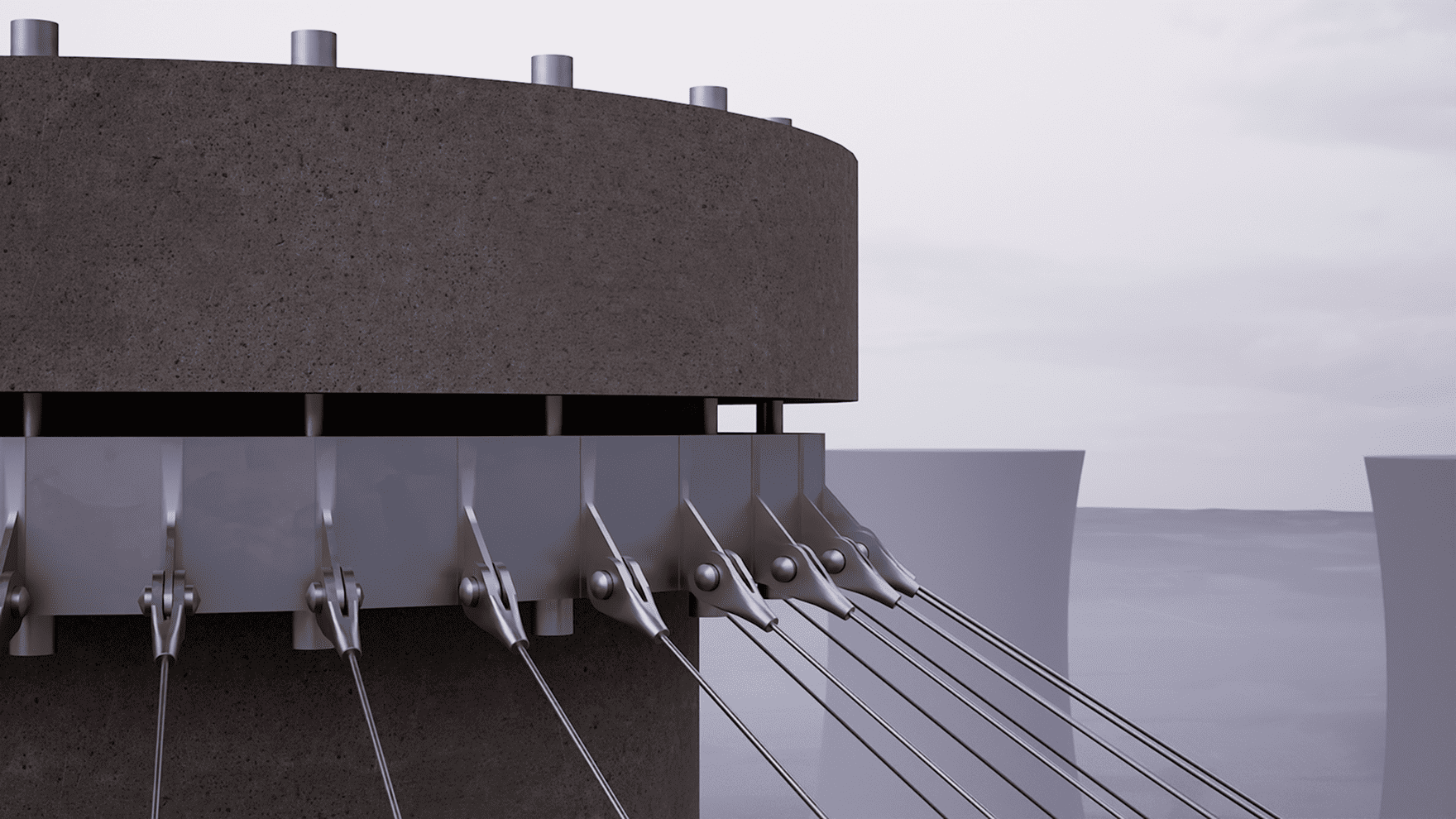
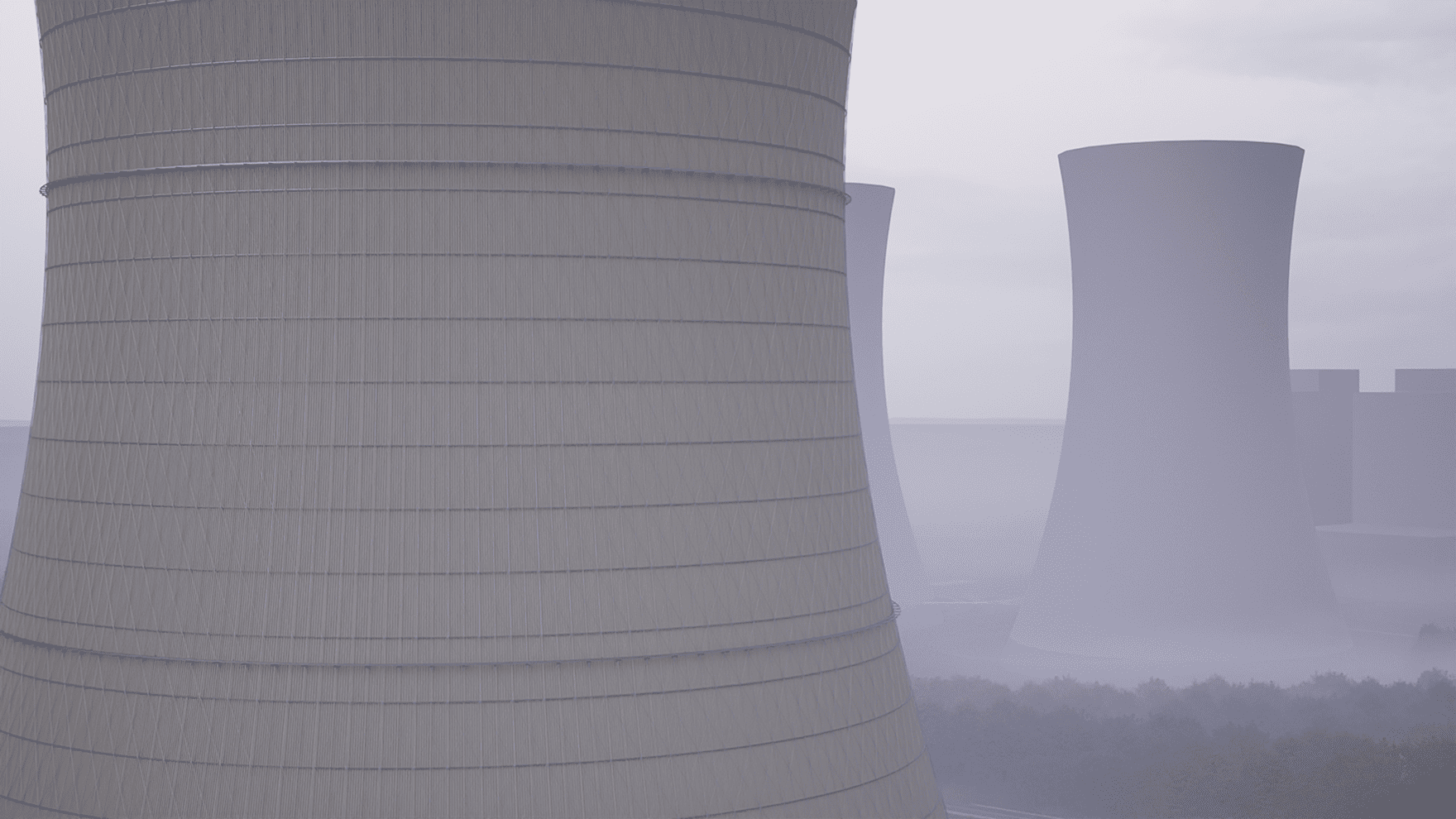
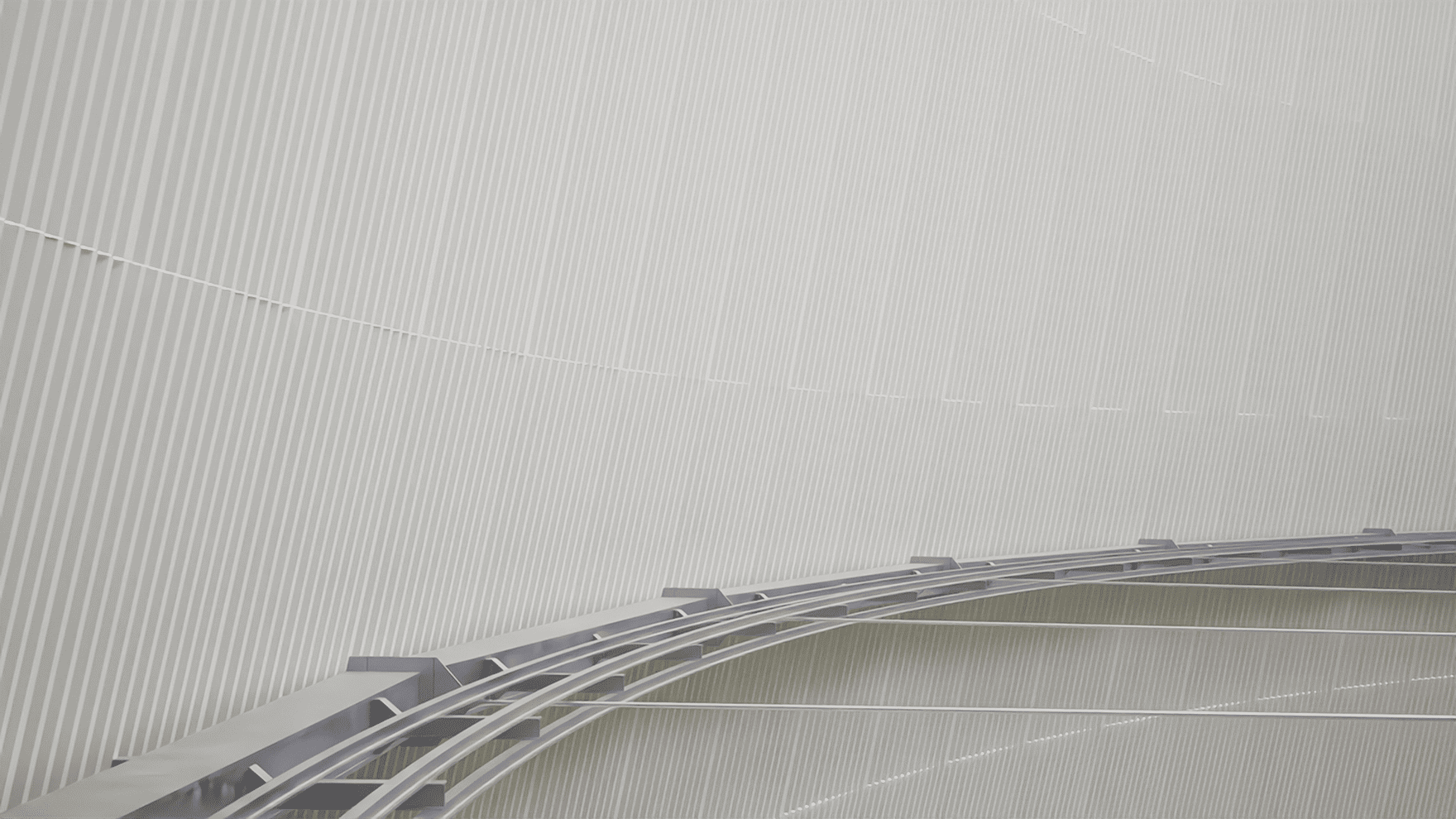
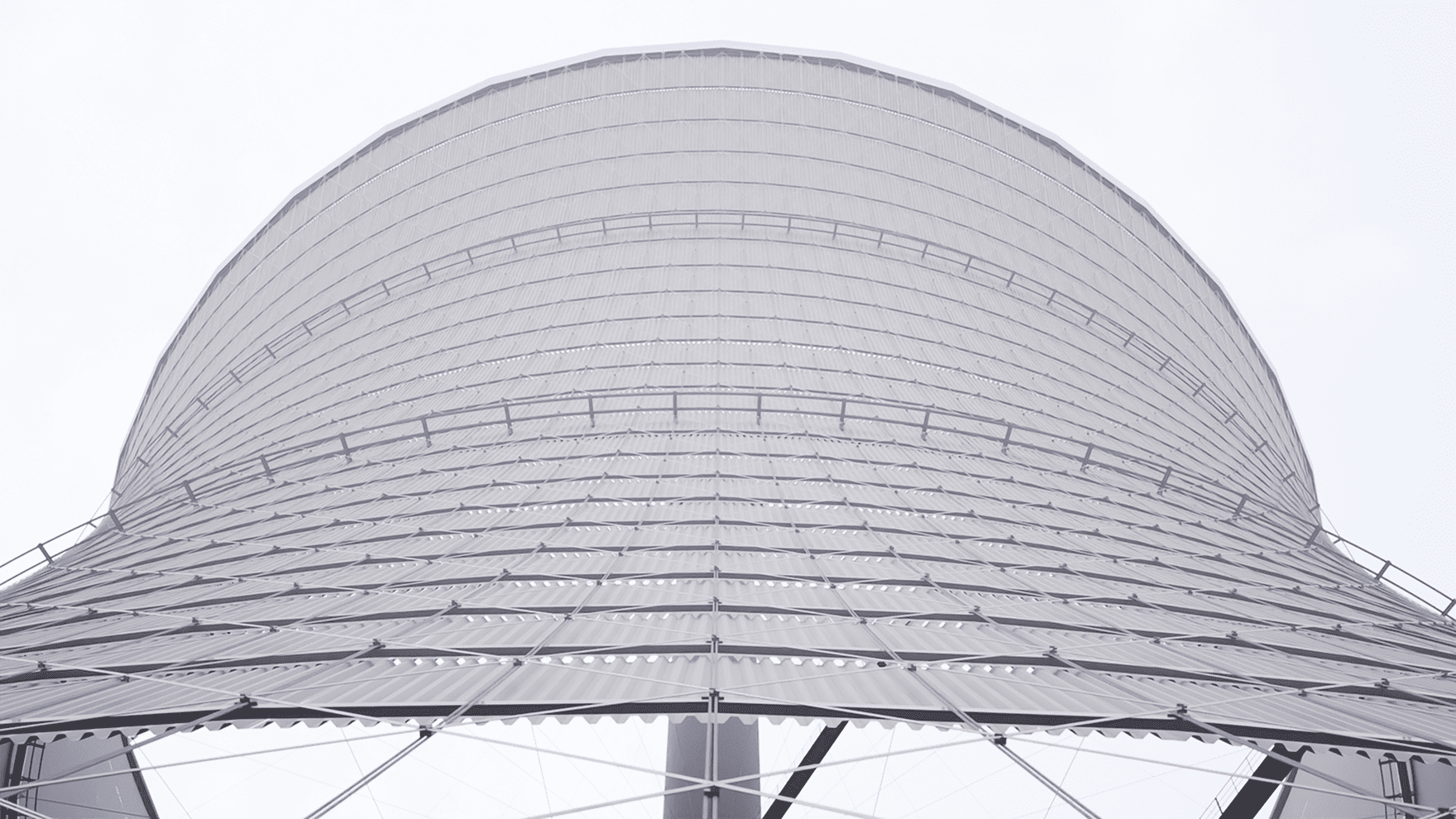
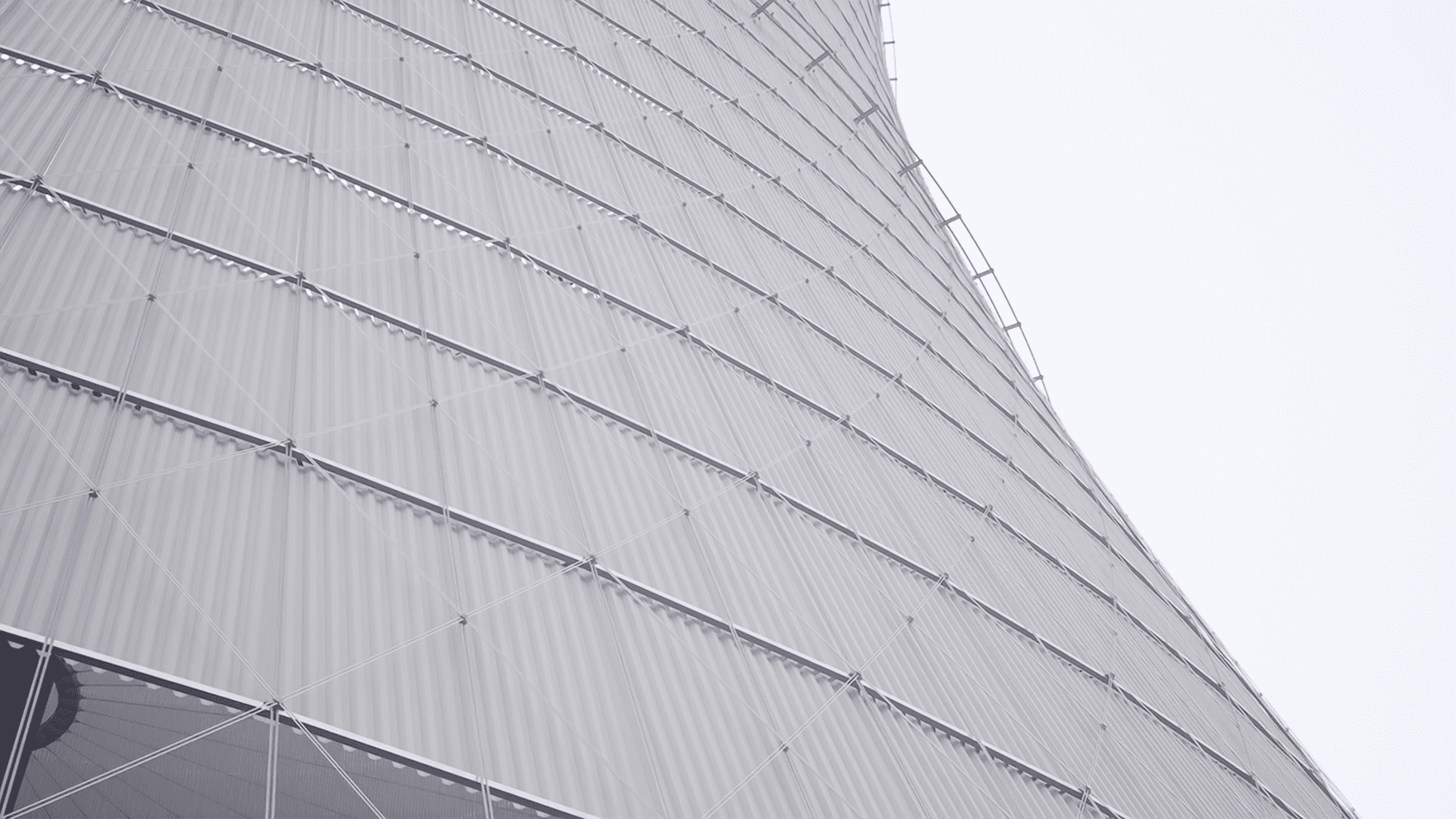
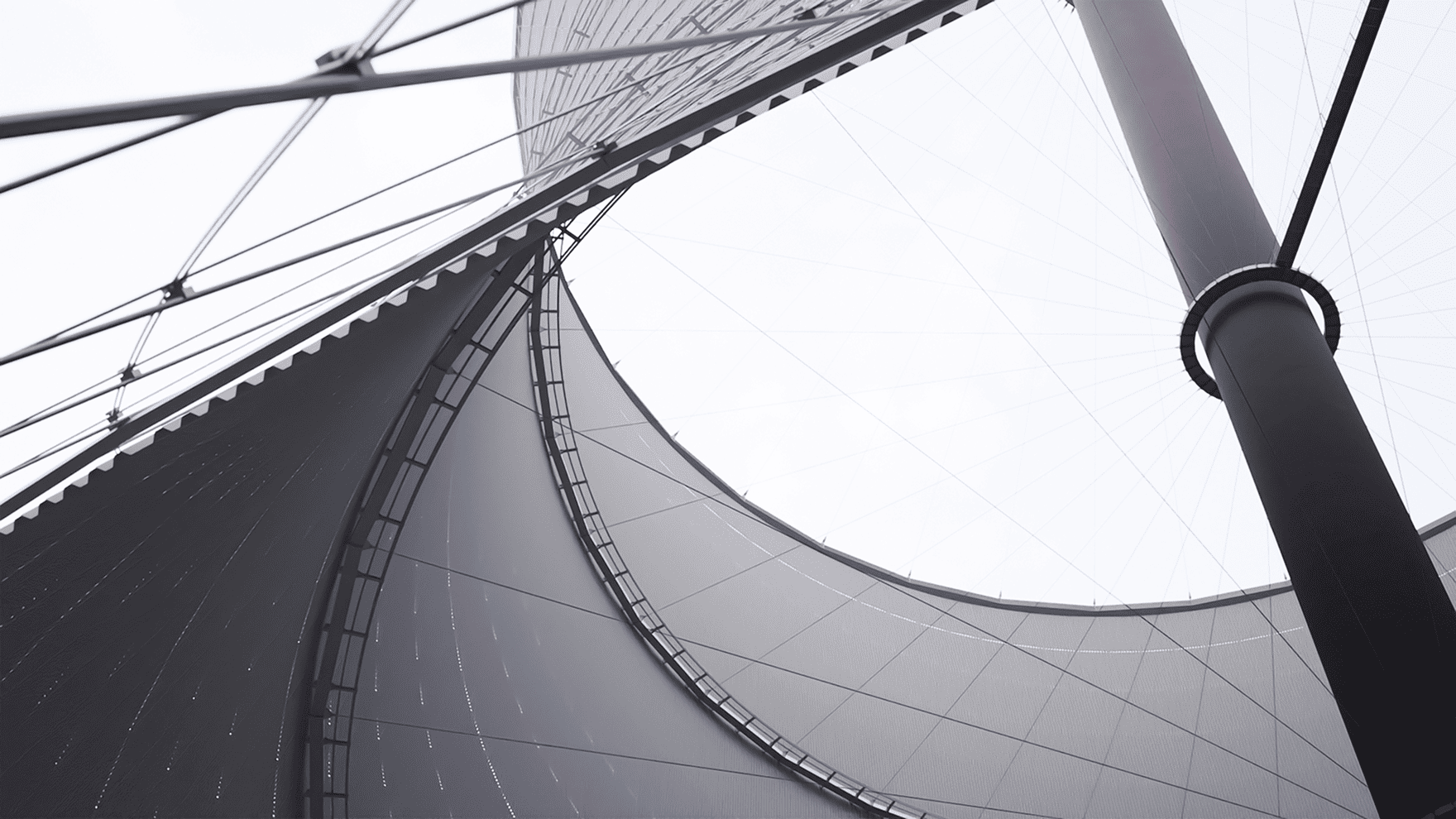
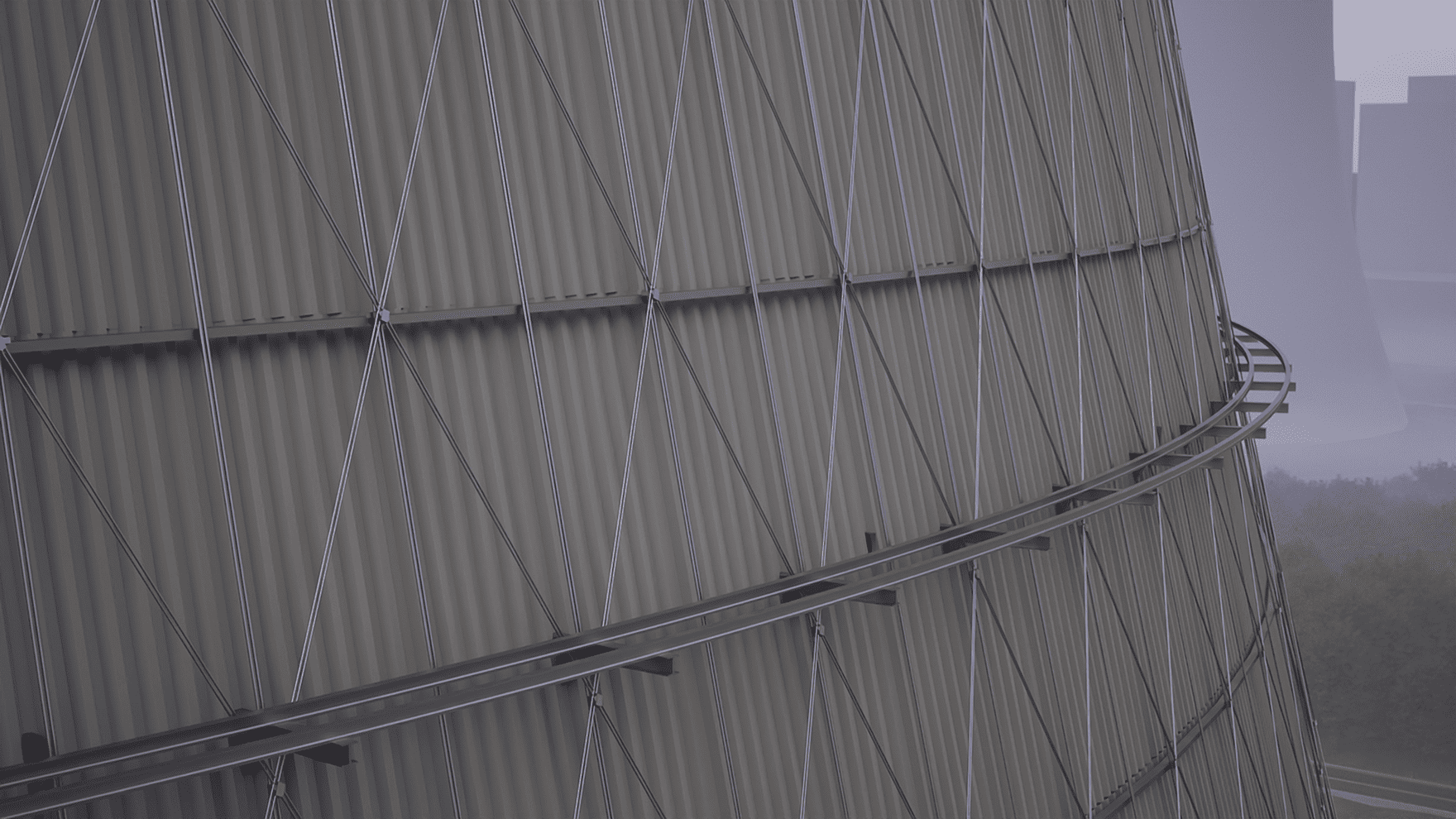
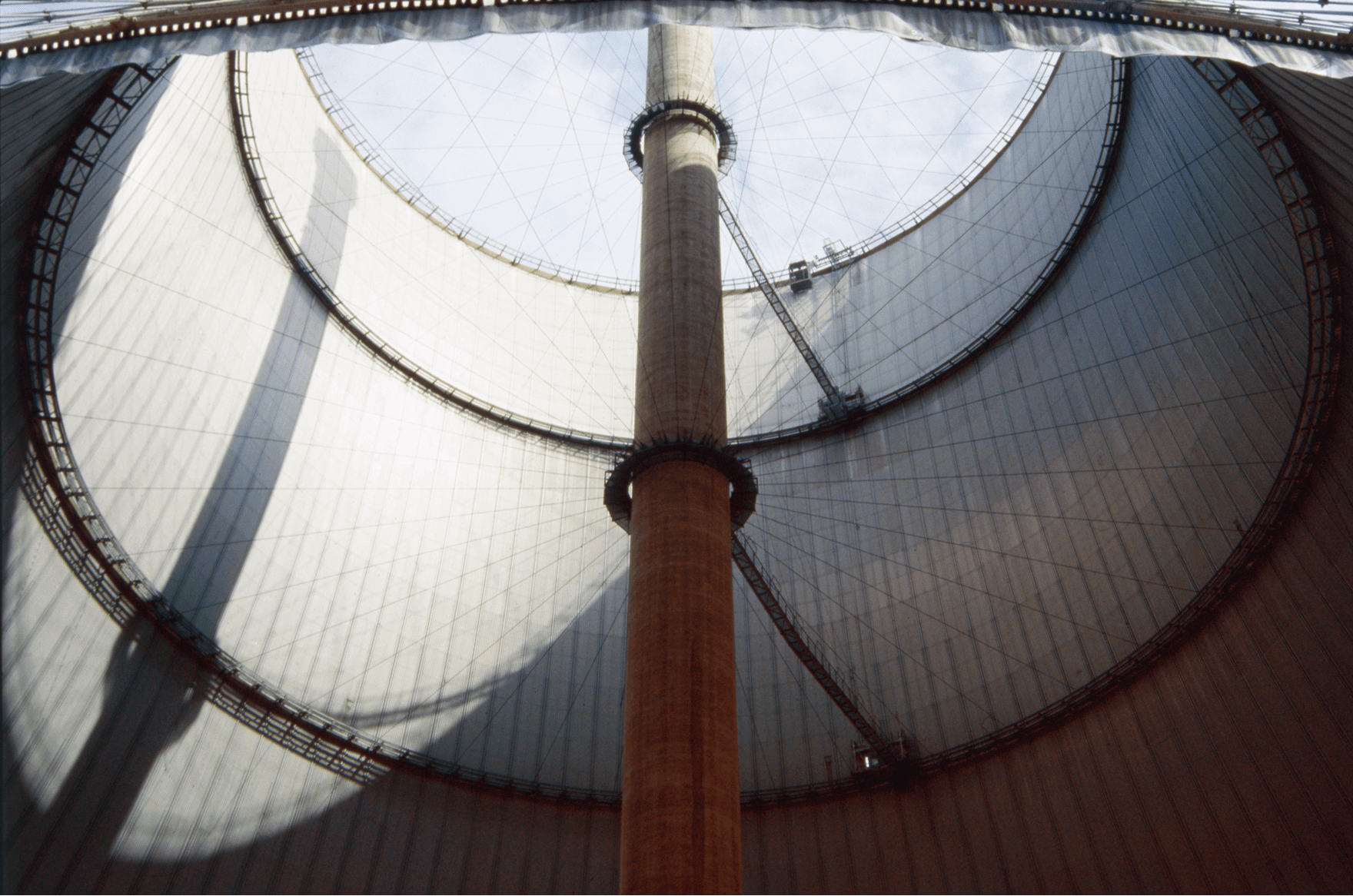
The huge shape could easily have appeared clumsy and flat if the tower's cladding had not been placed on the inside, giving structure and definition to the external cable net.
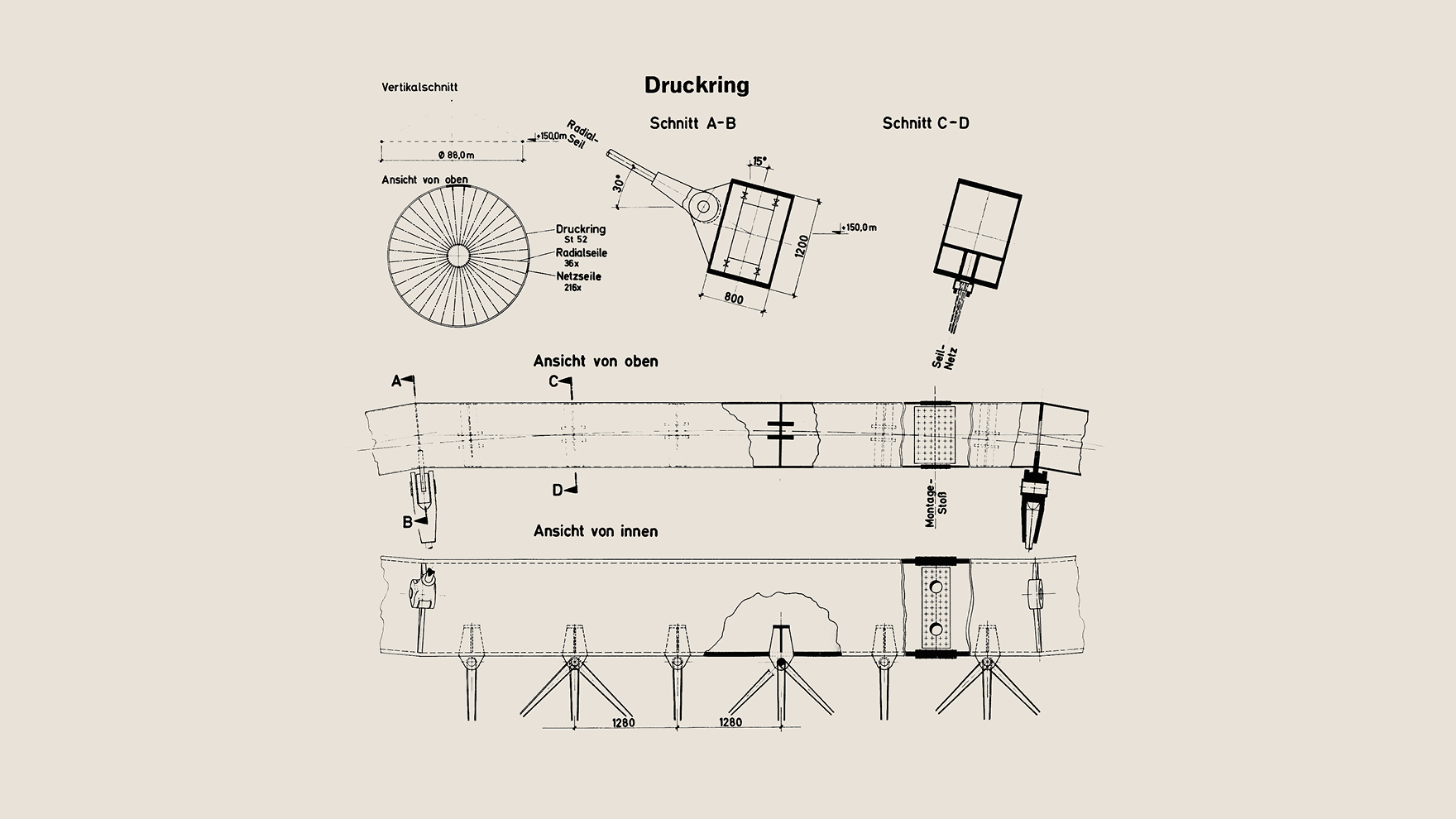
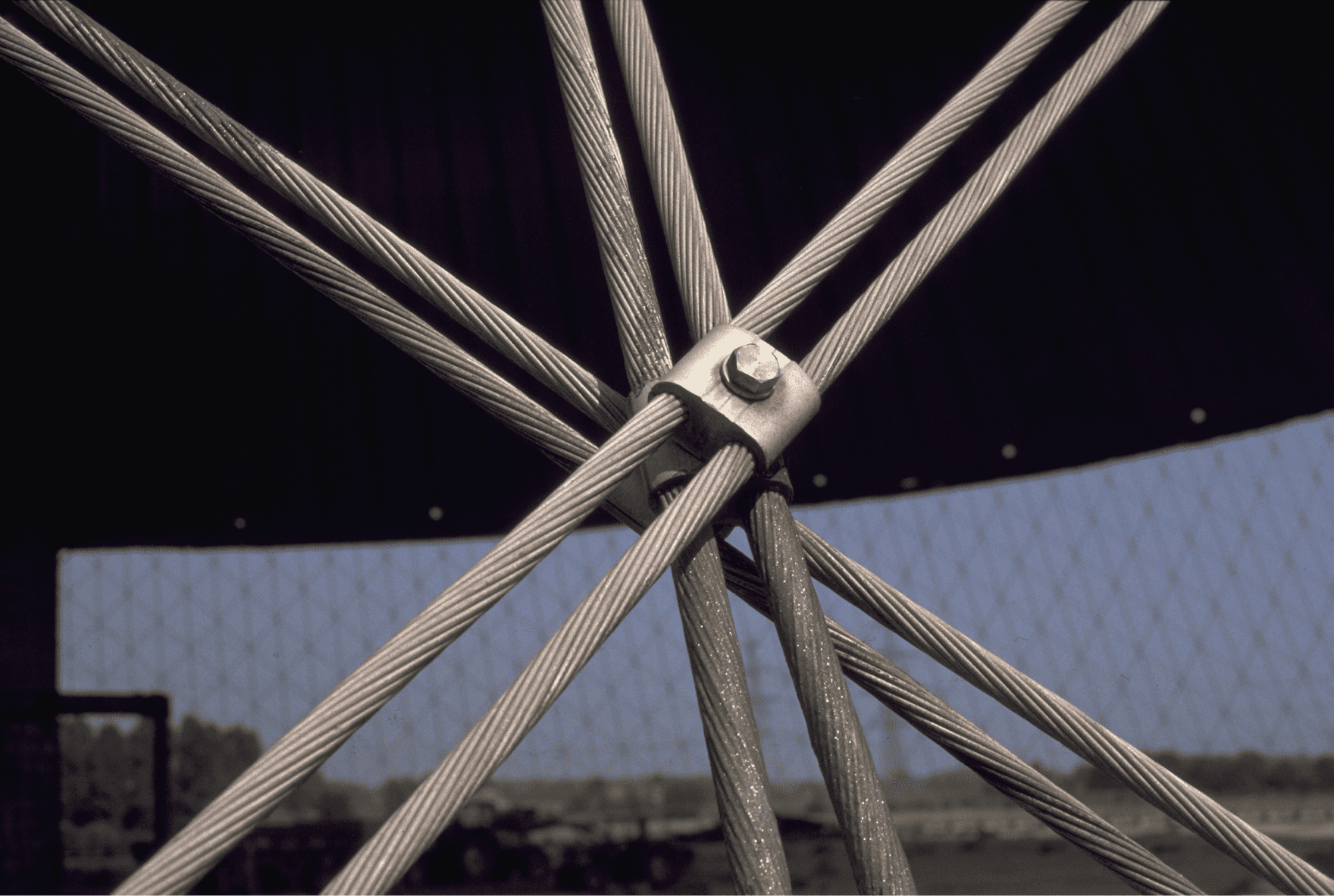
Visibly, the cable net creates technical legibility and an “honest” design language that develops a strong presence without any design embellishments.