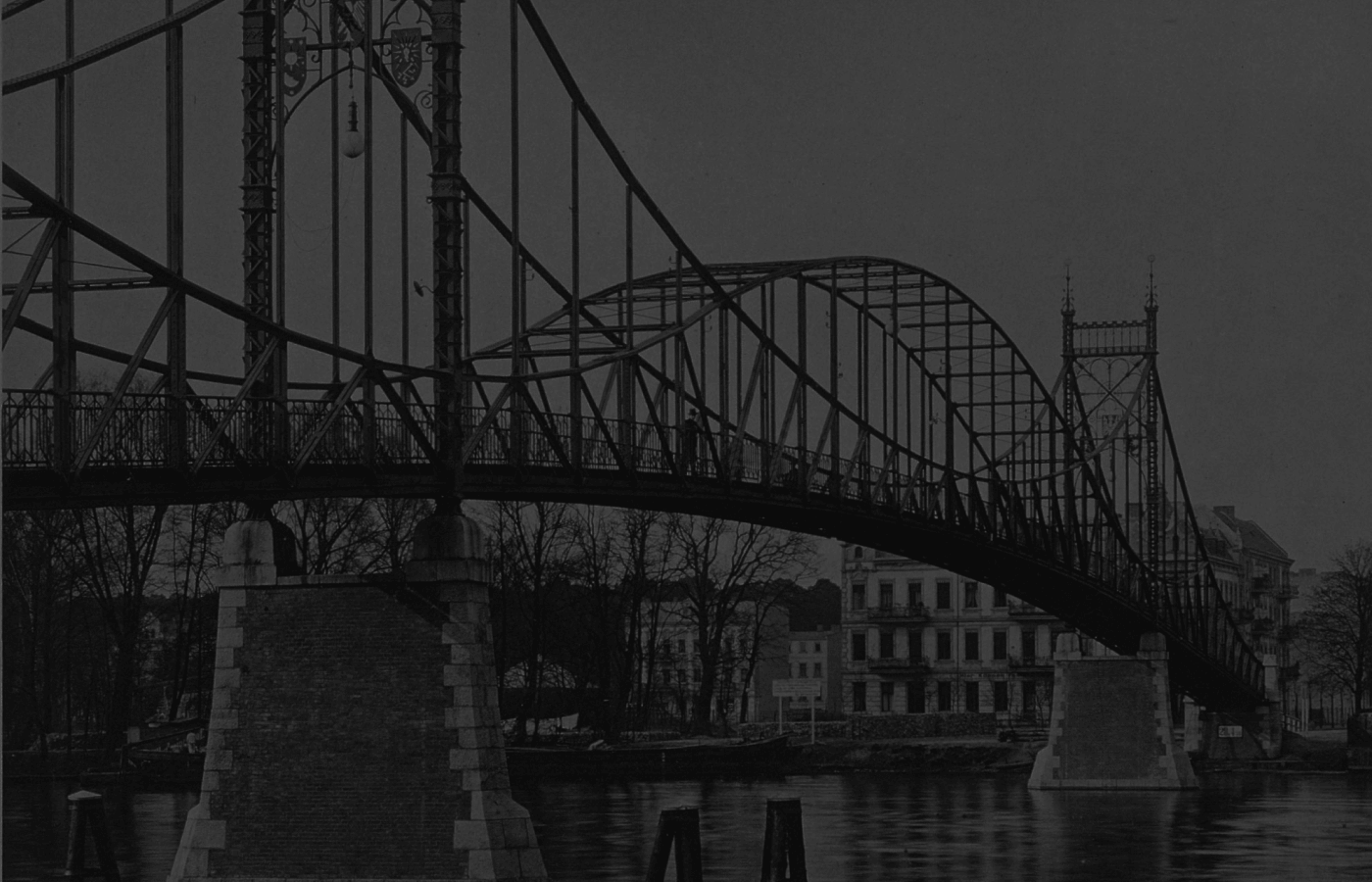
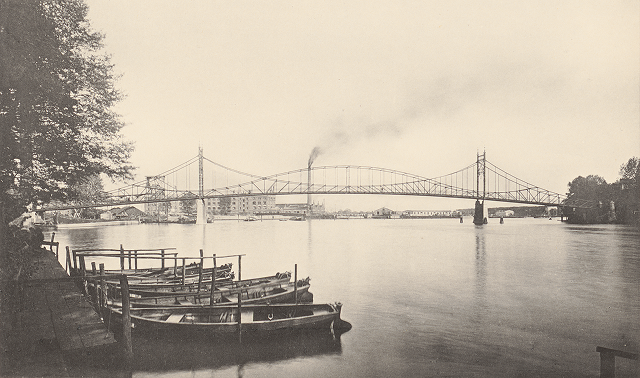
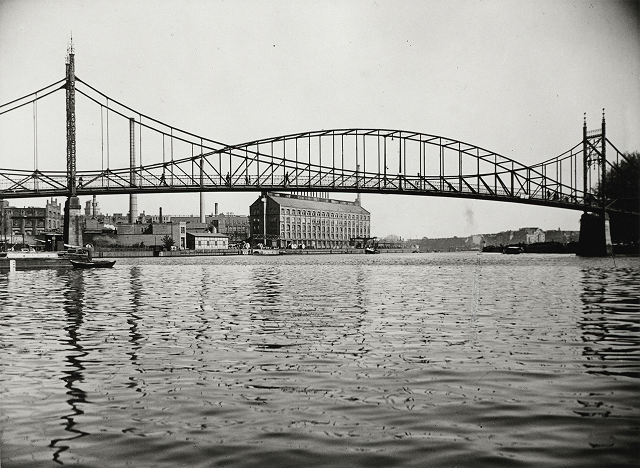
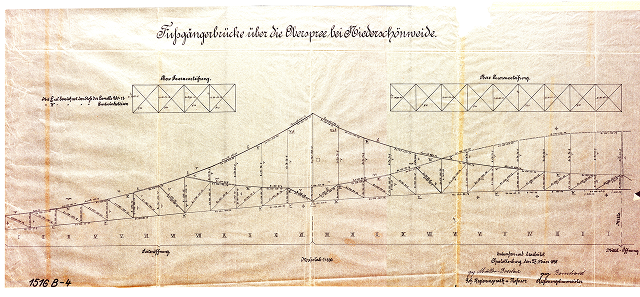
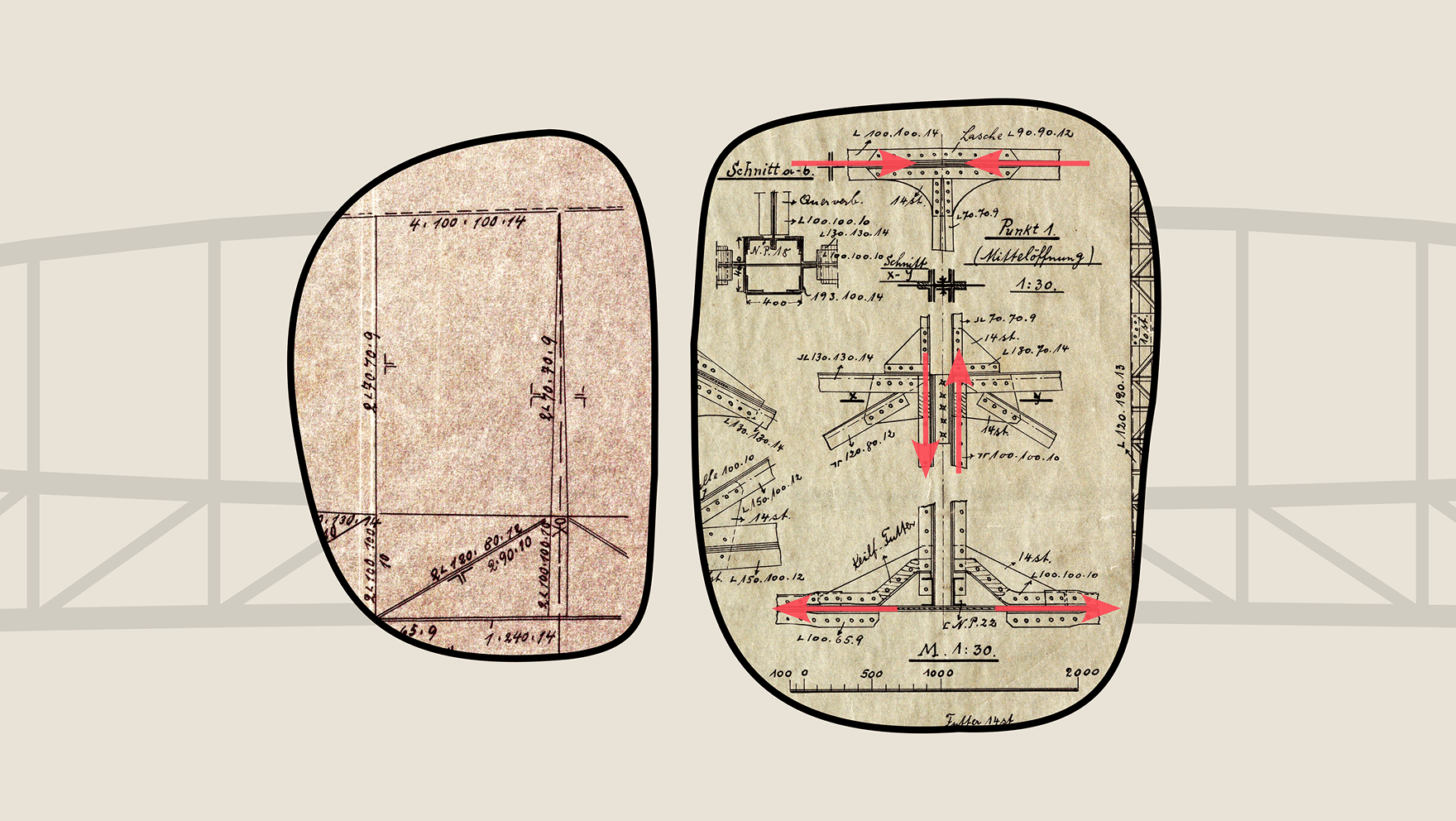
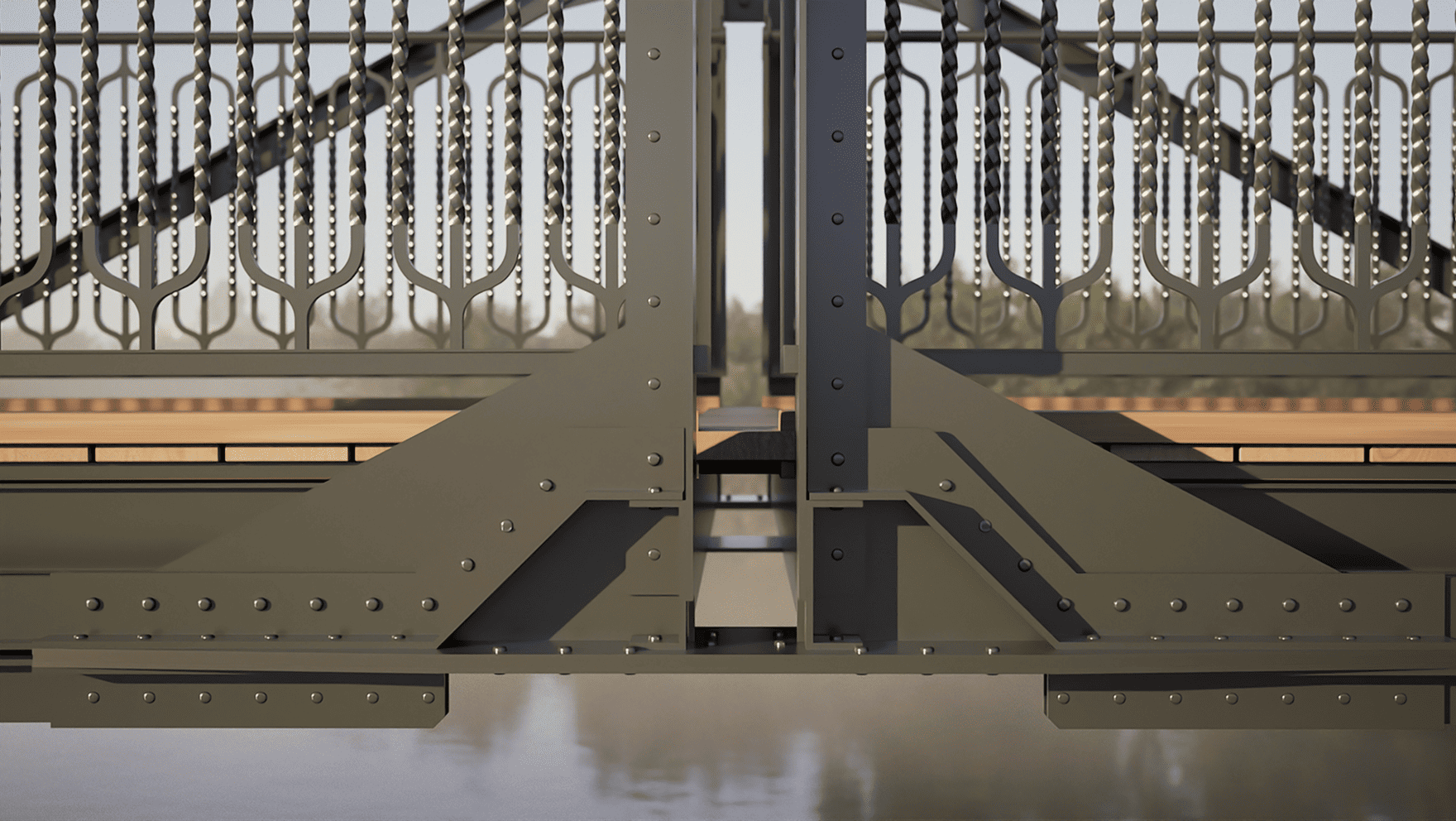
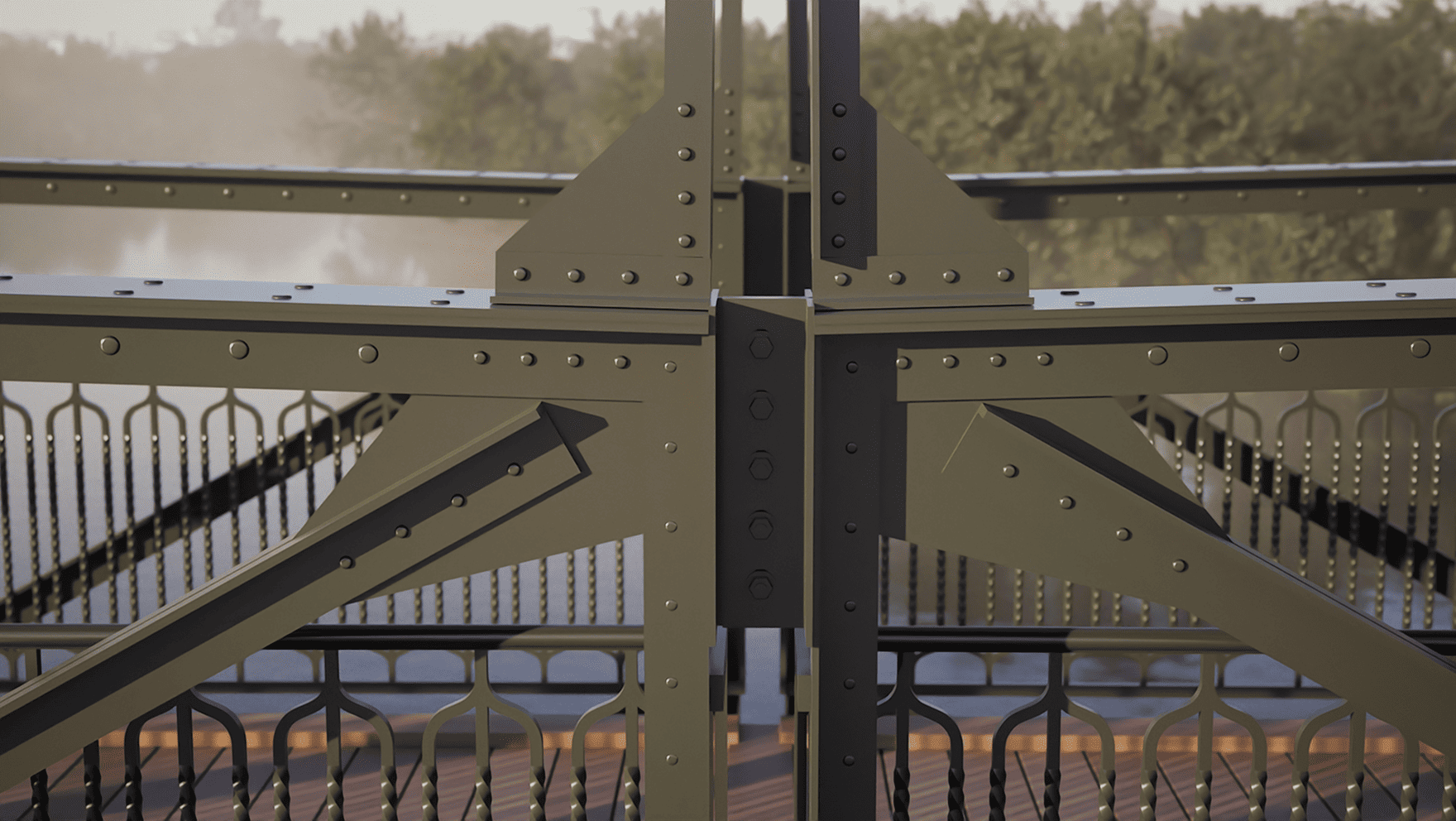
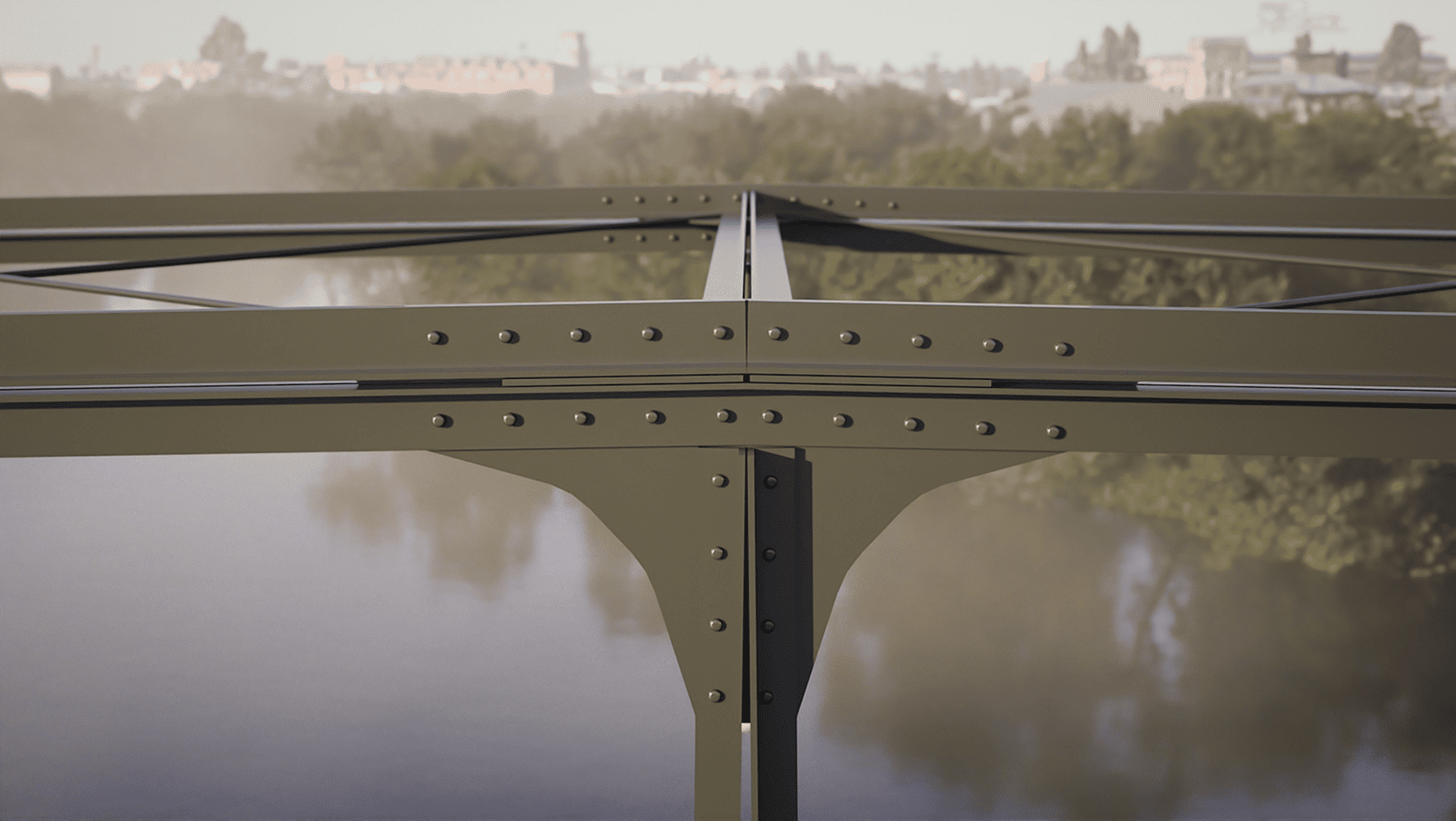
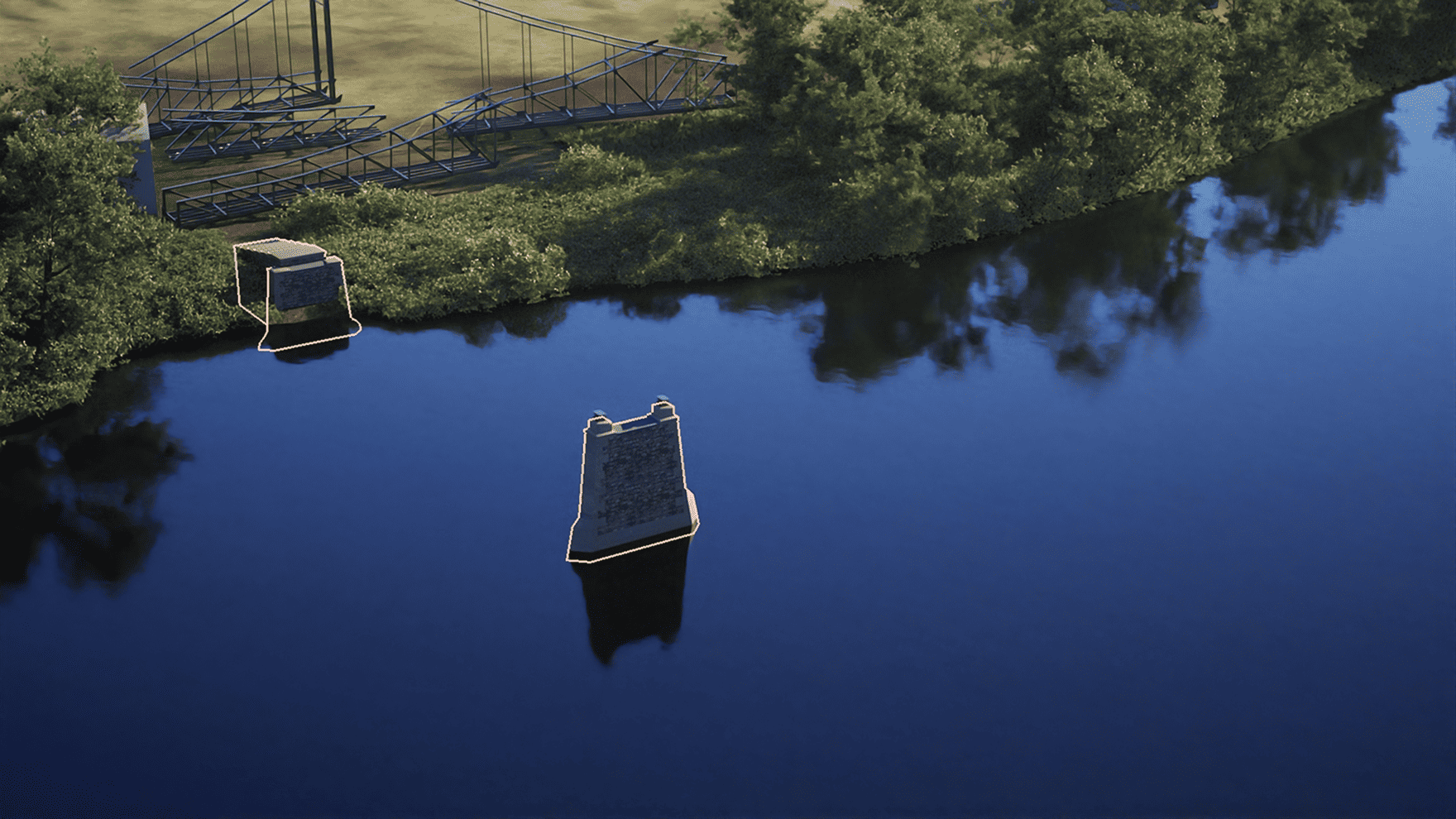
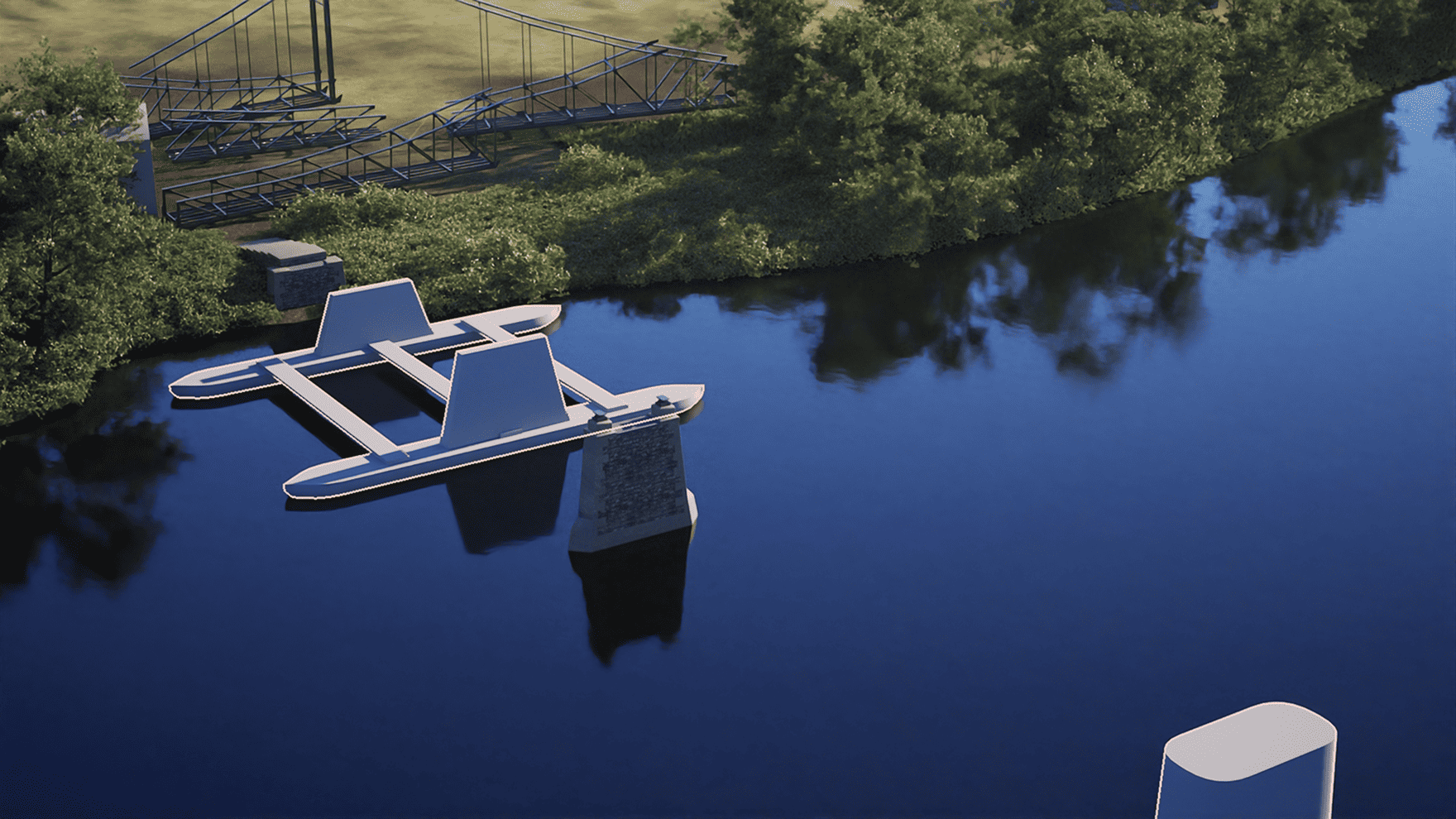
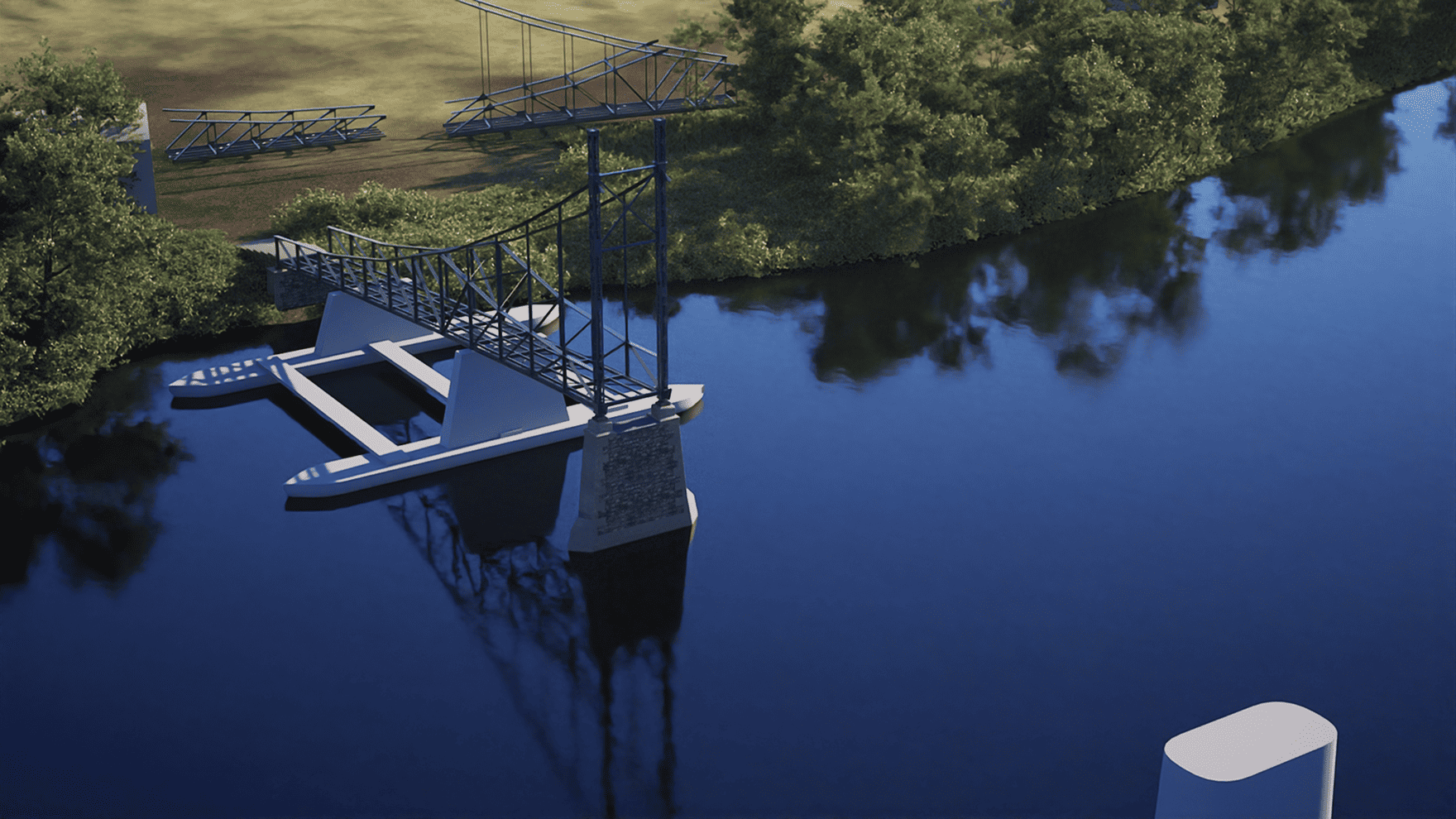
Kaisersteg:
To speak of great engineers is also to speak of power, visibility, and the question of whose contributions are remembered.
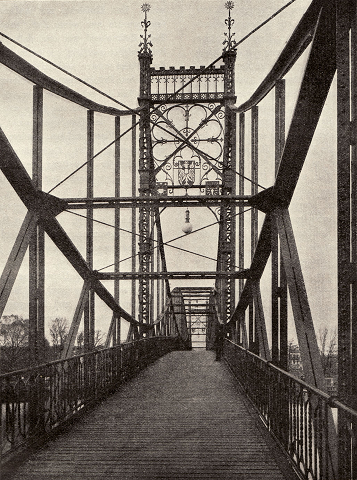
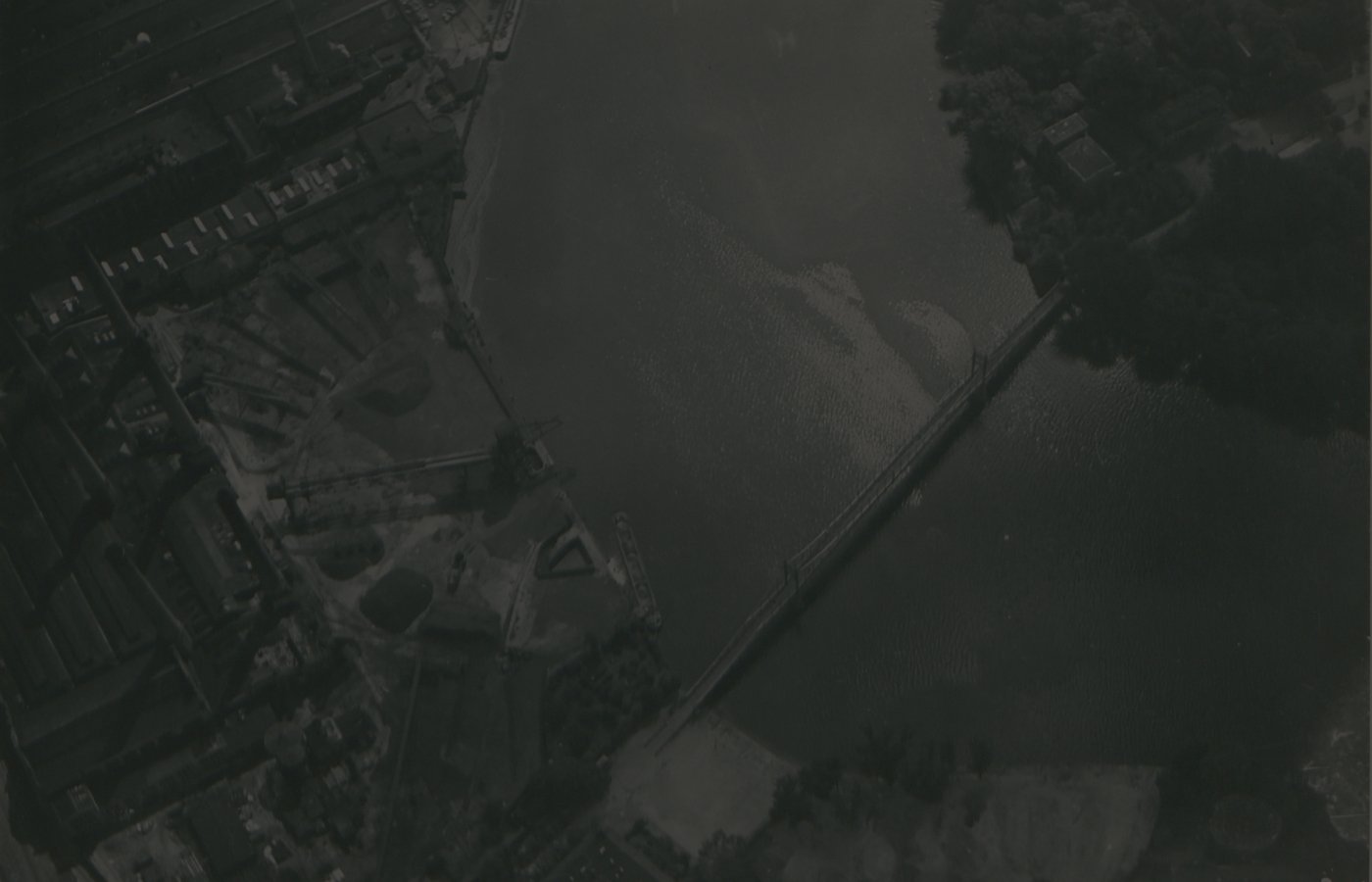
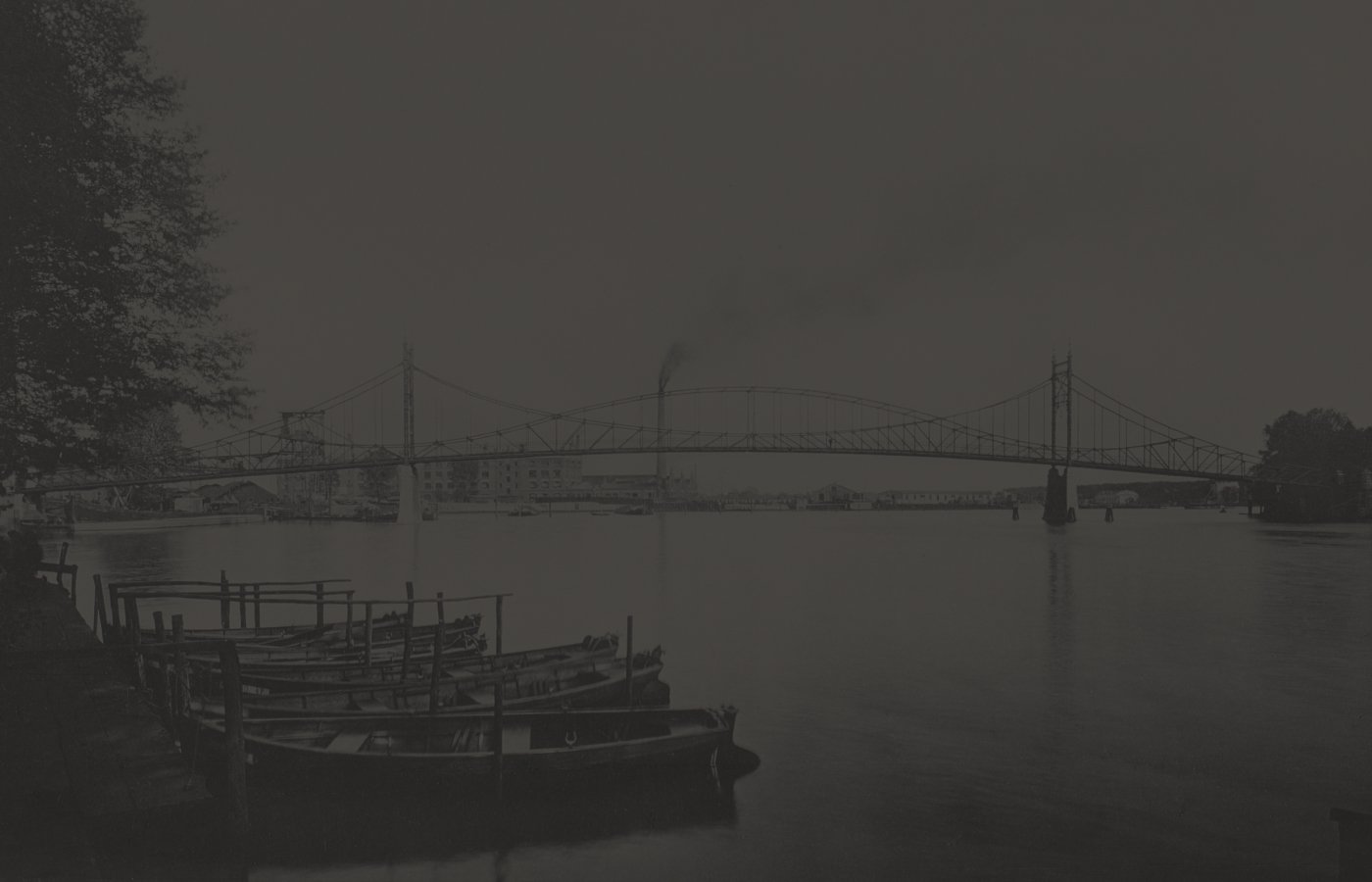
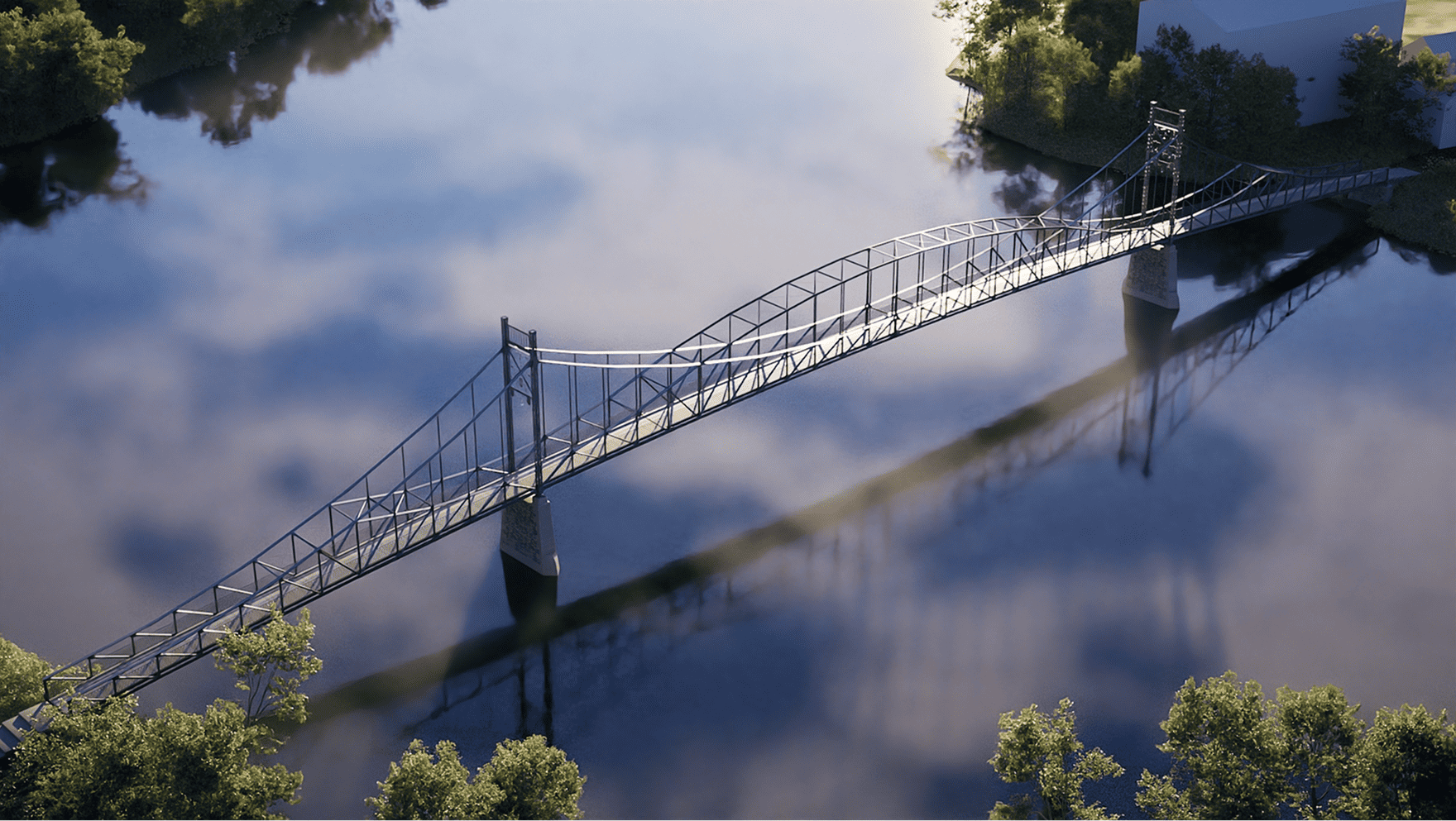
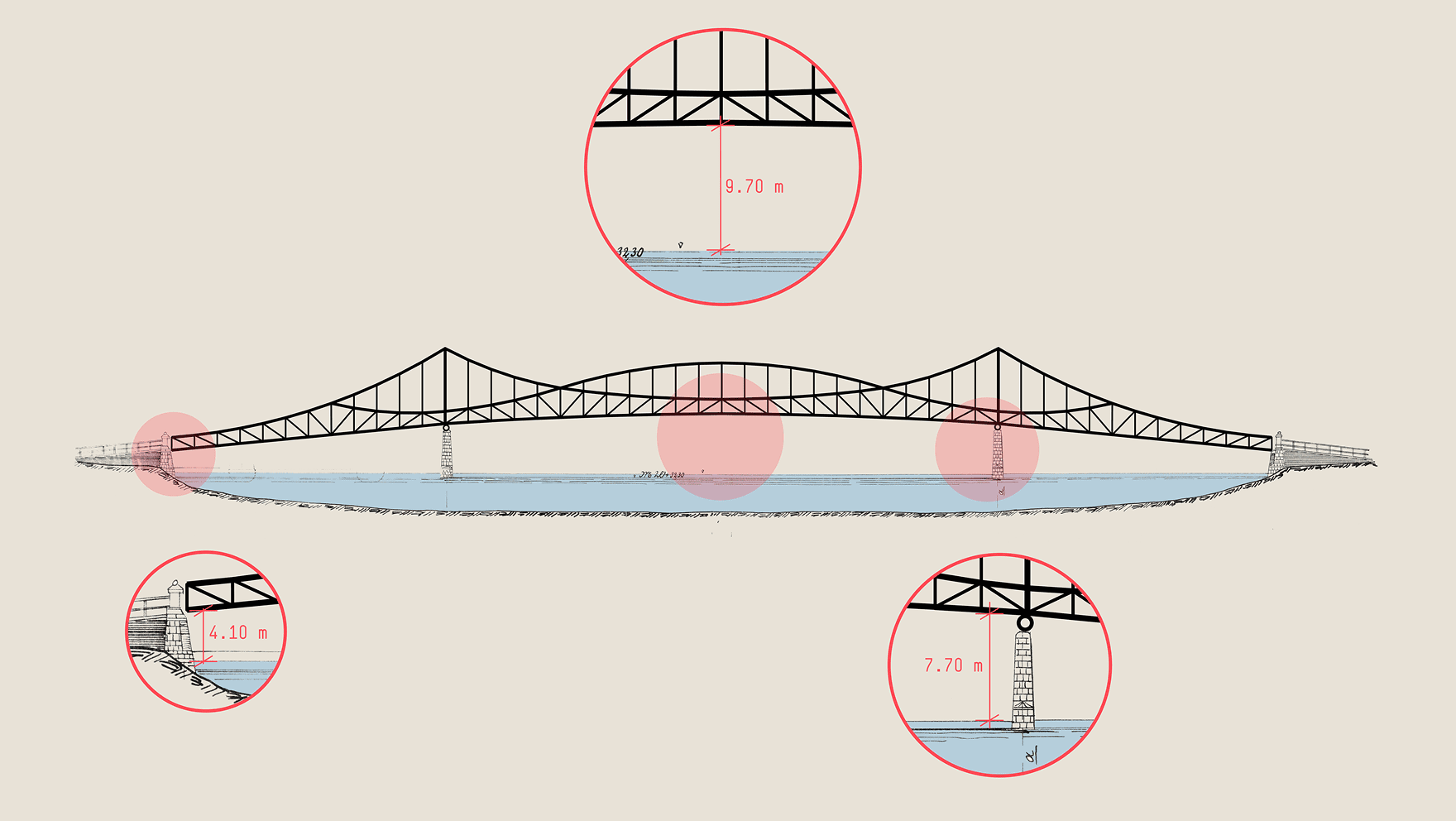
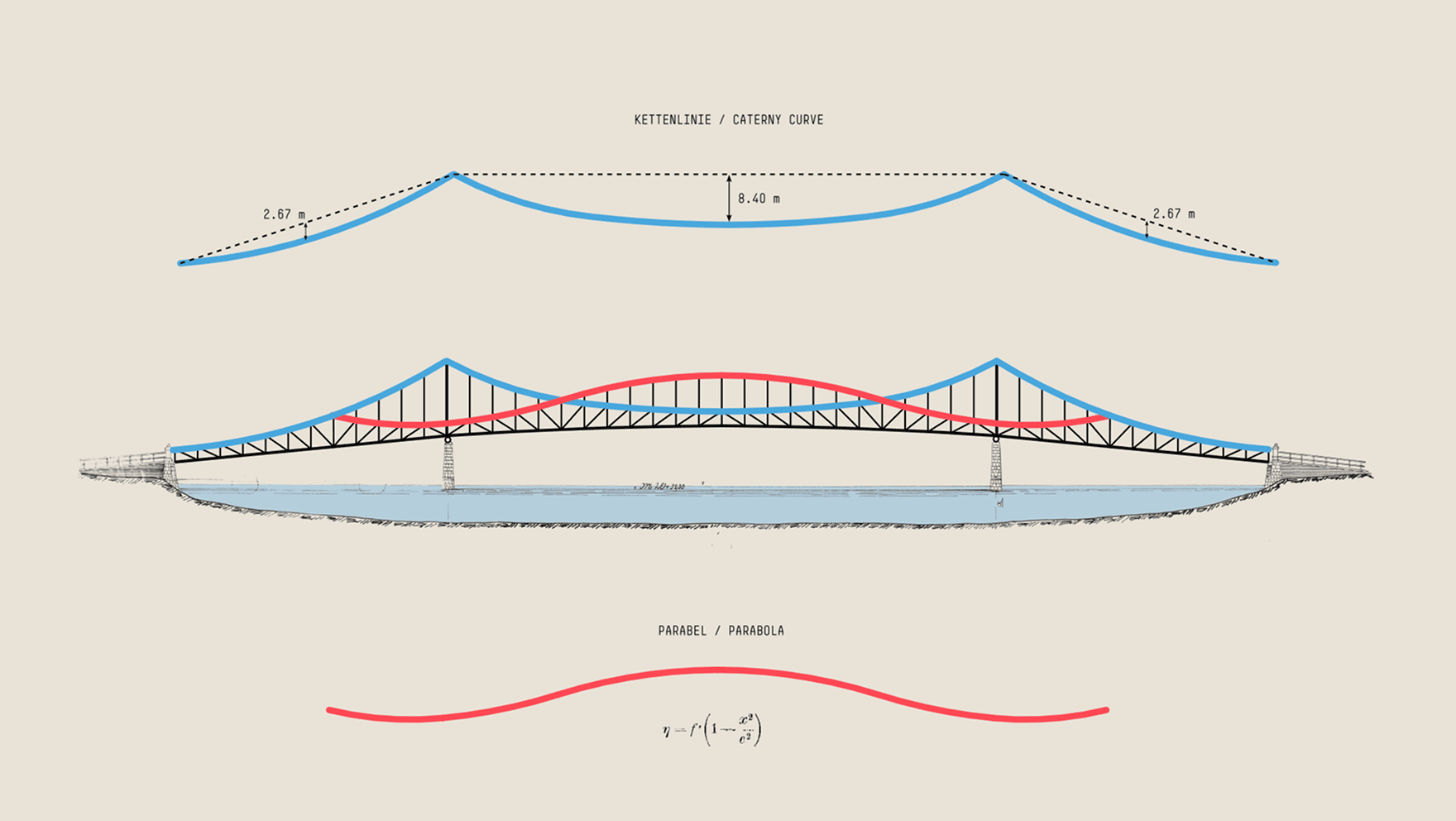
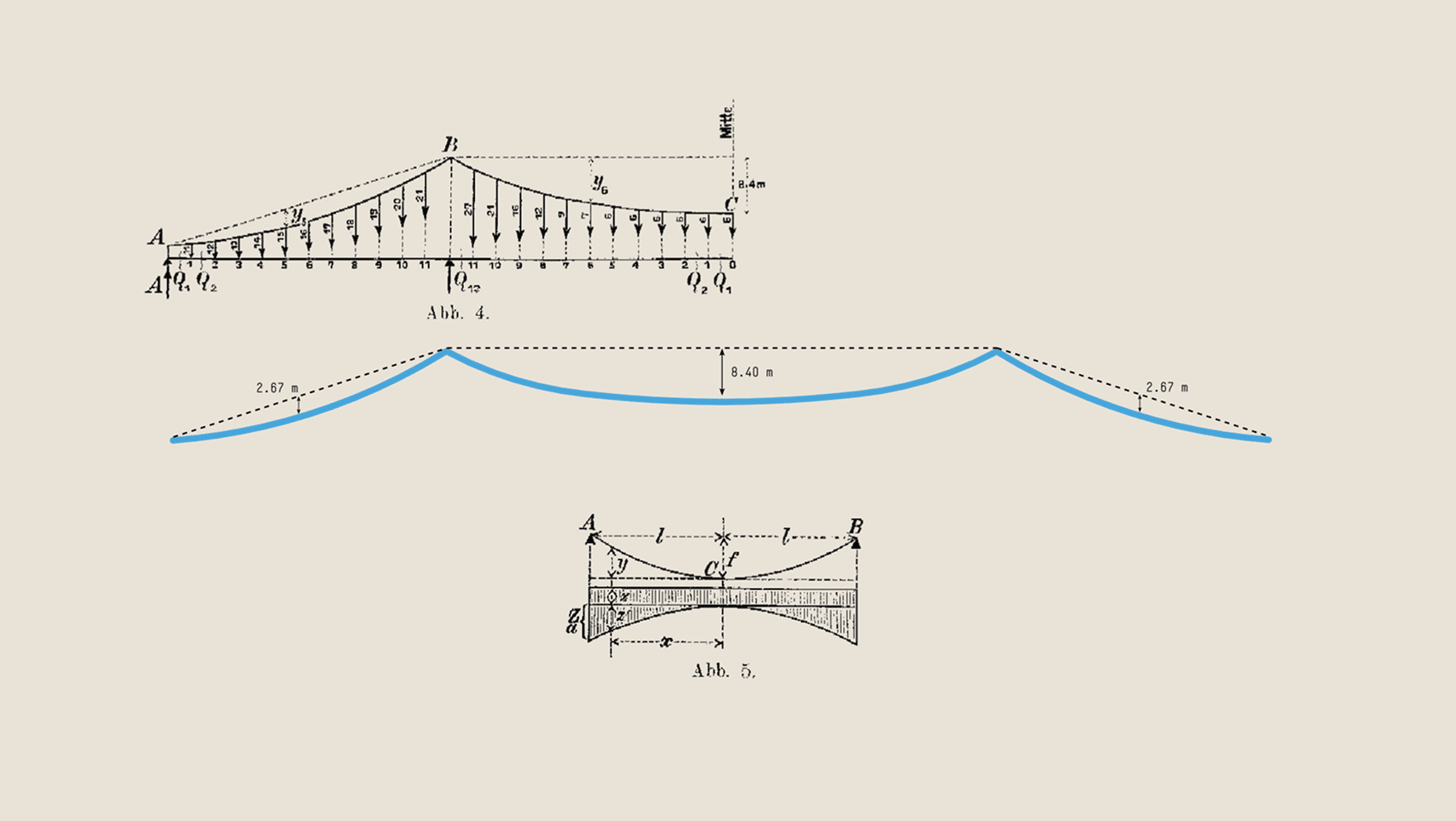
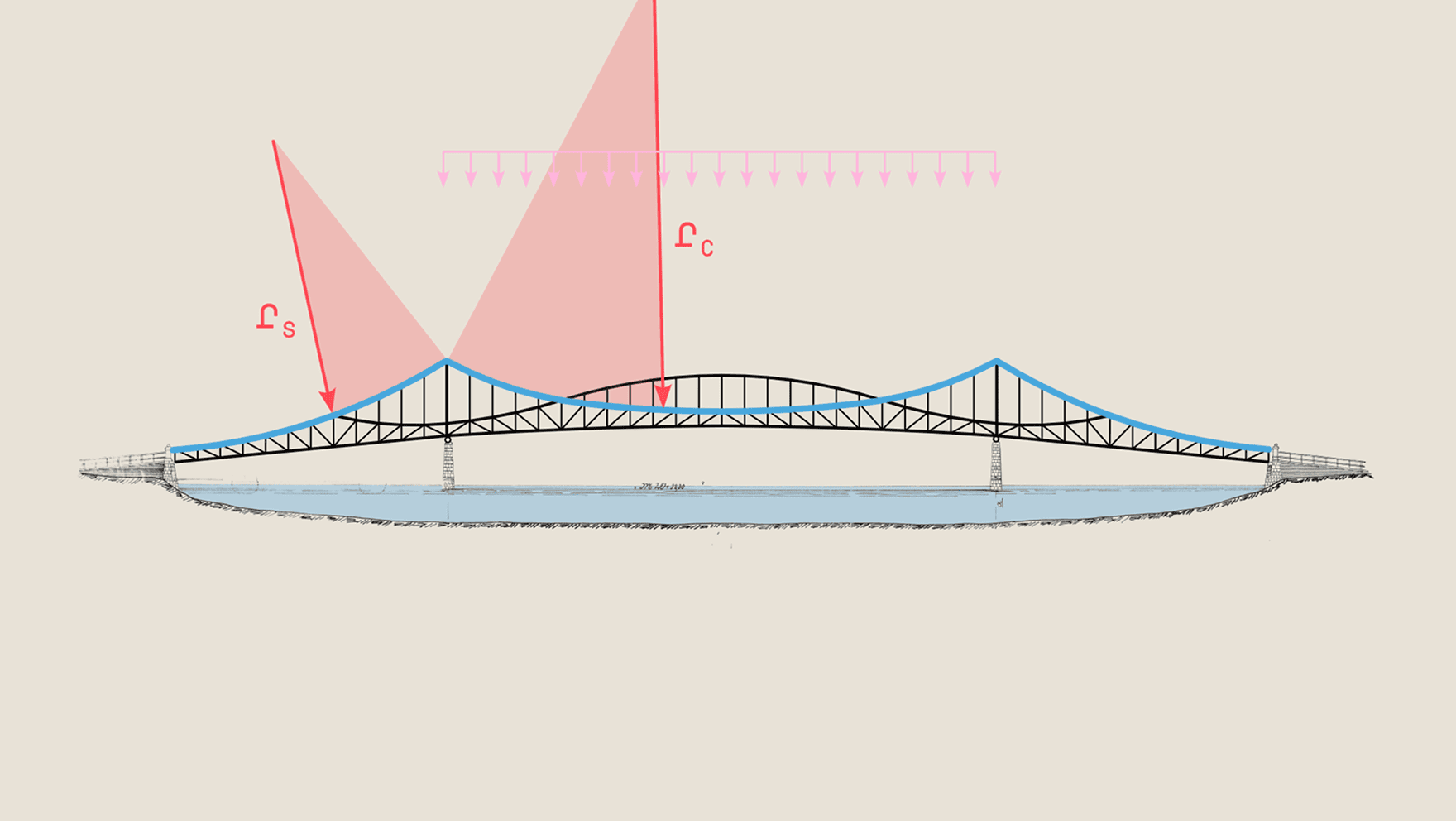
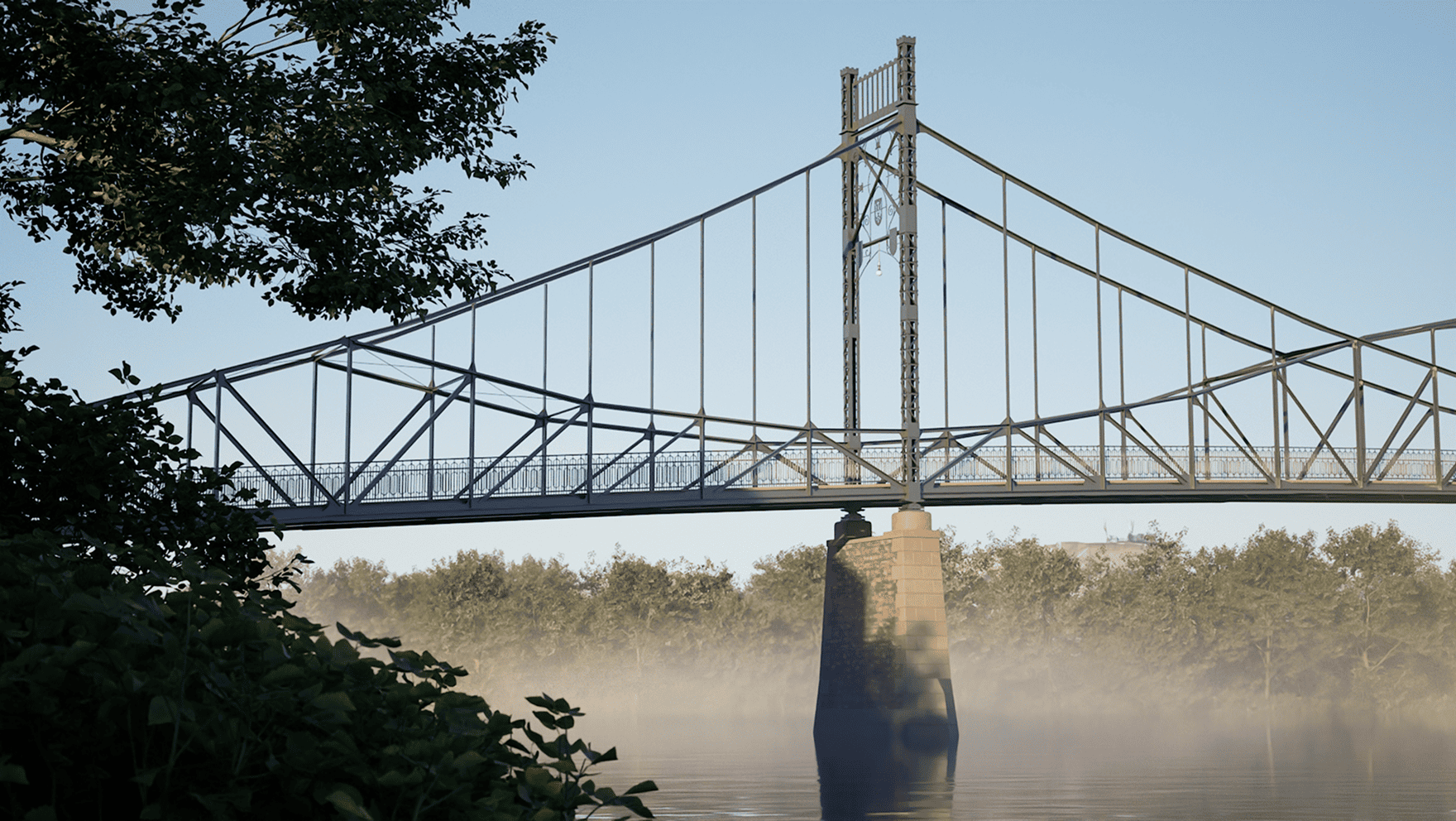
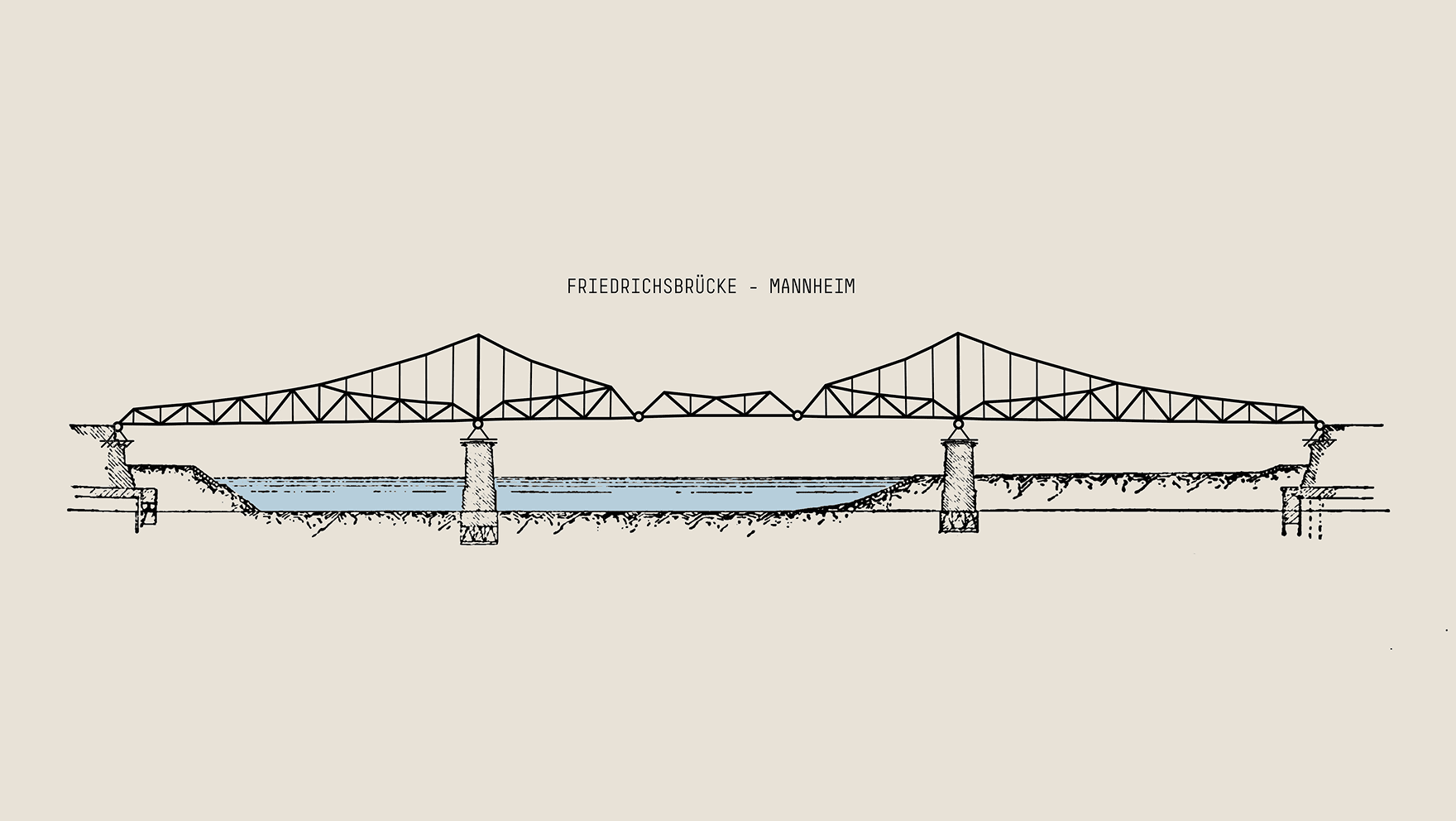
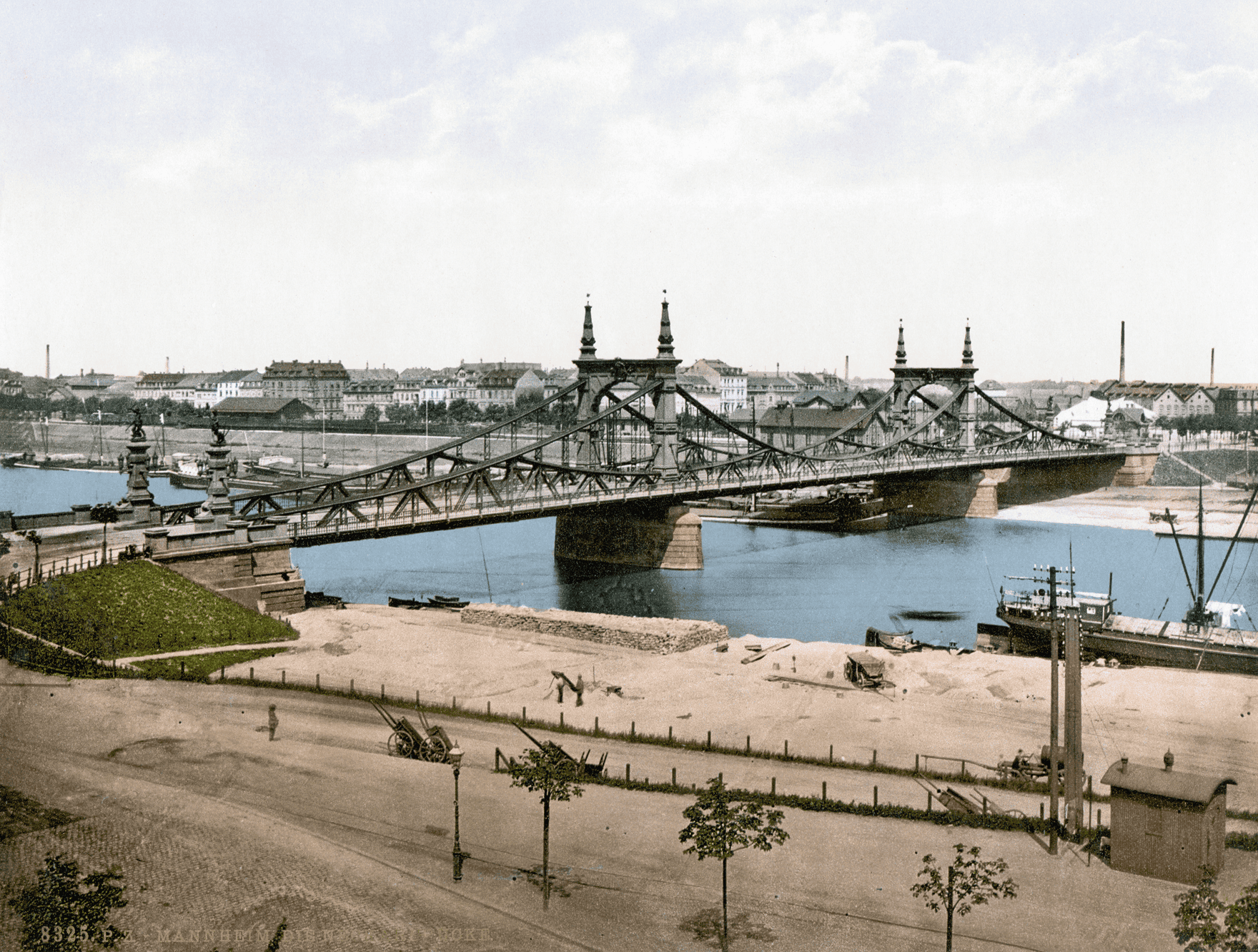
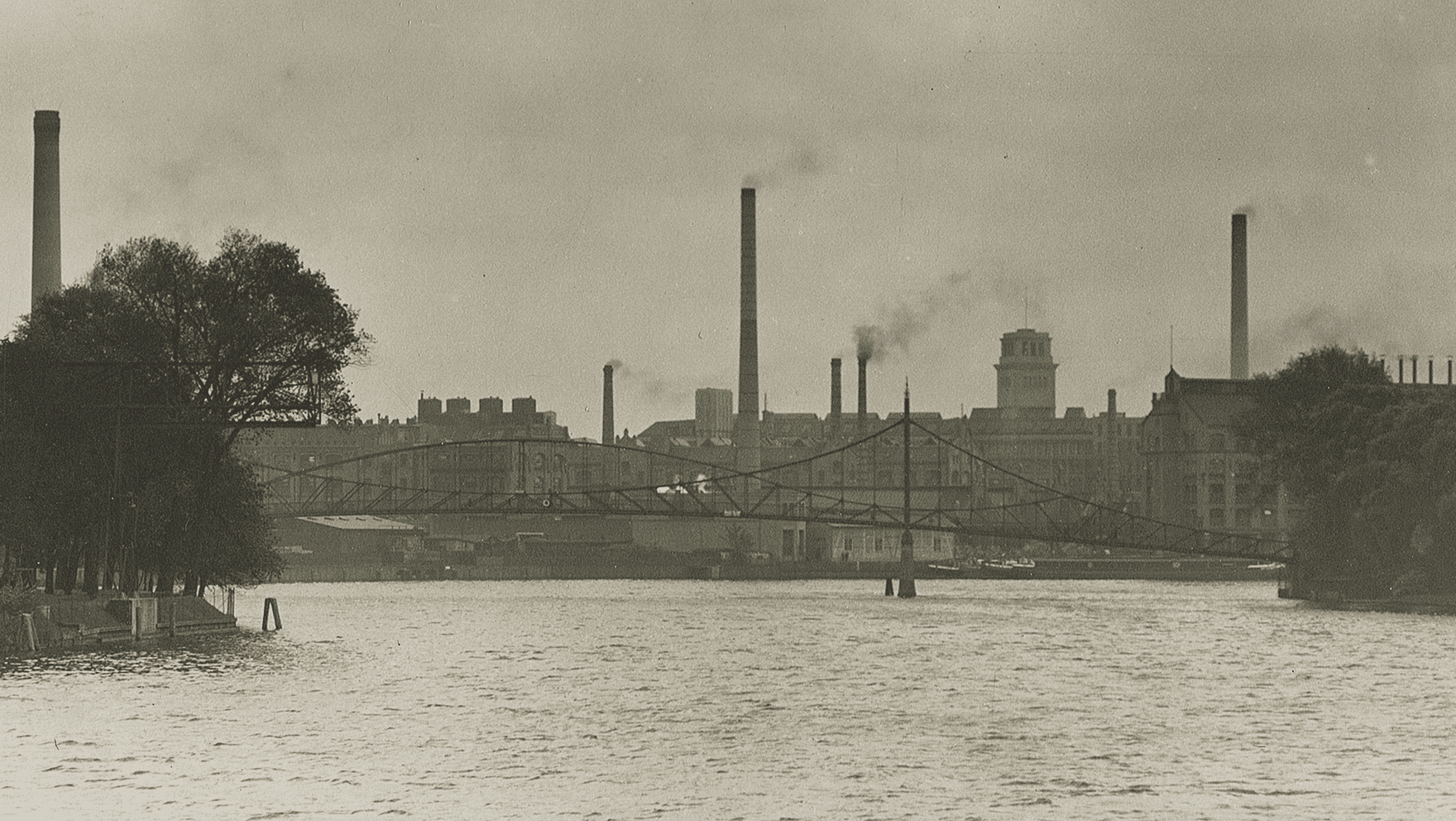
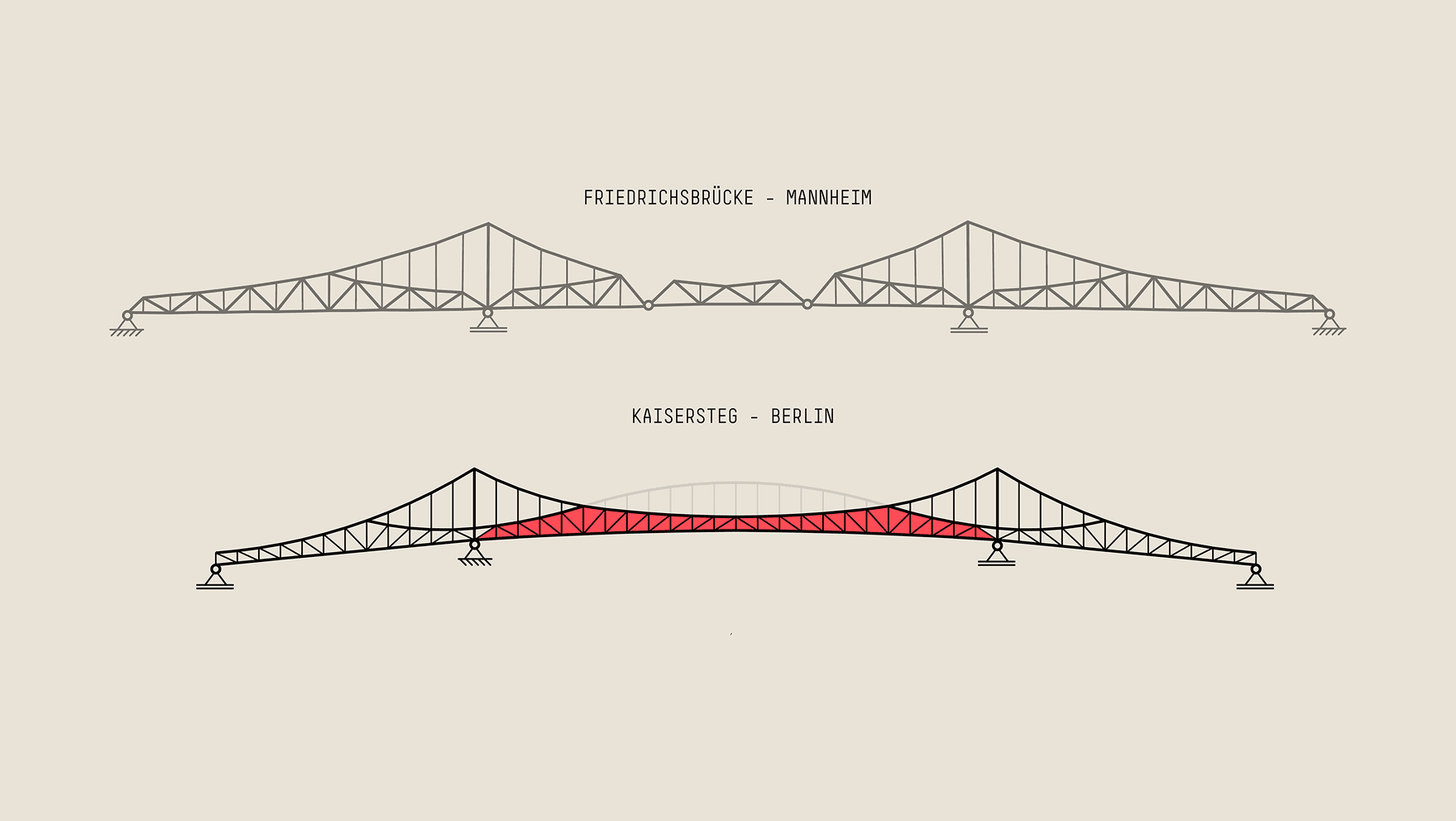
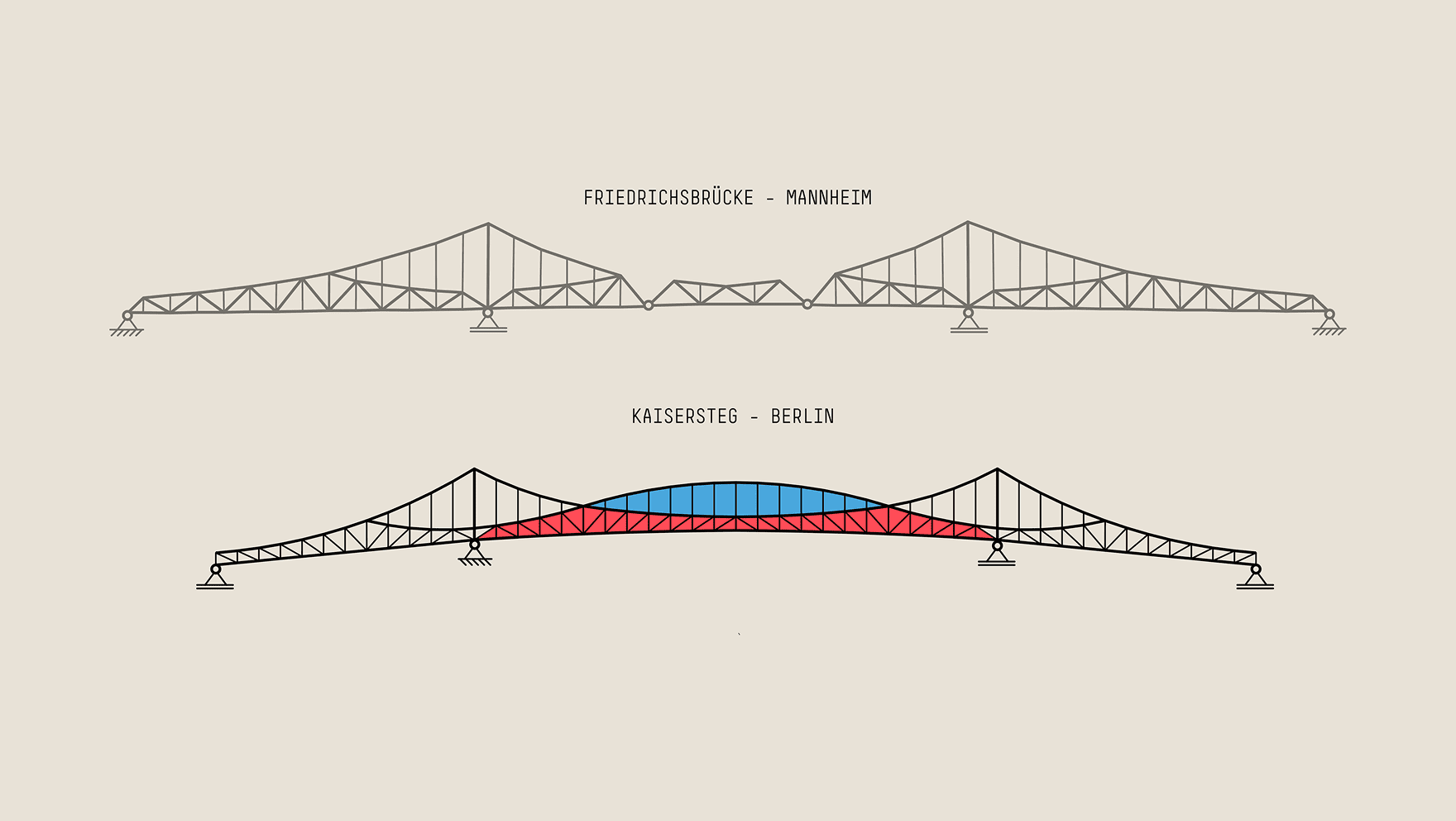
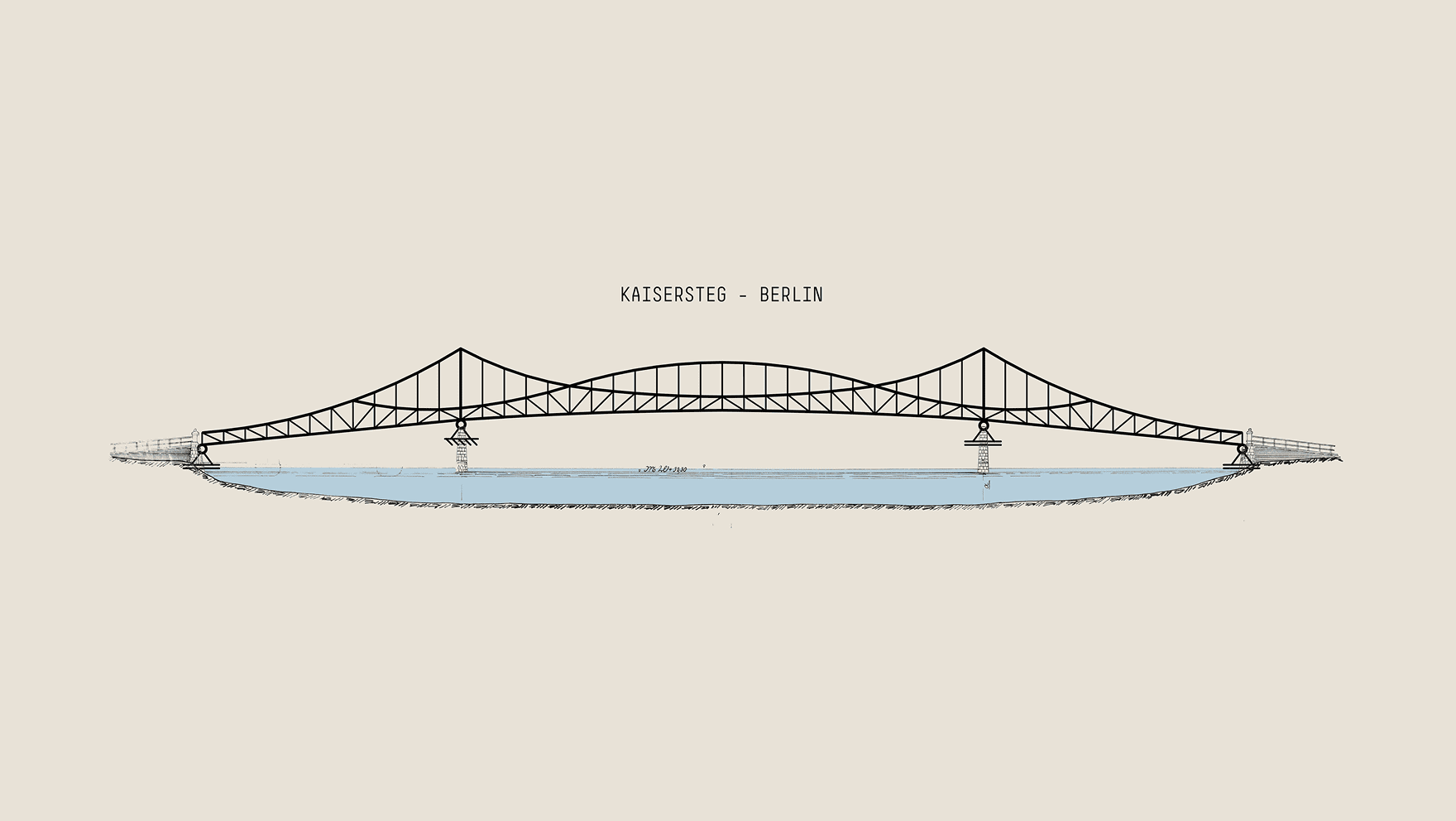
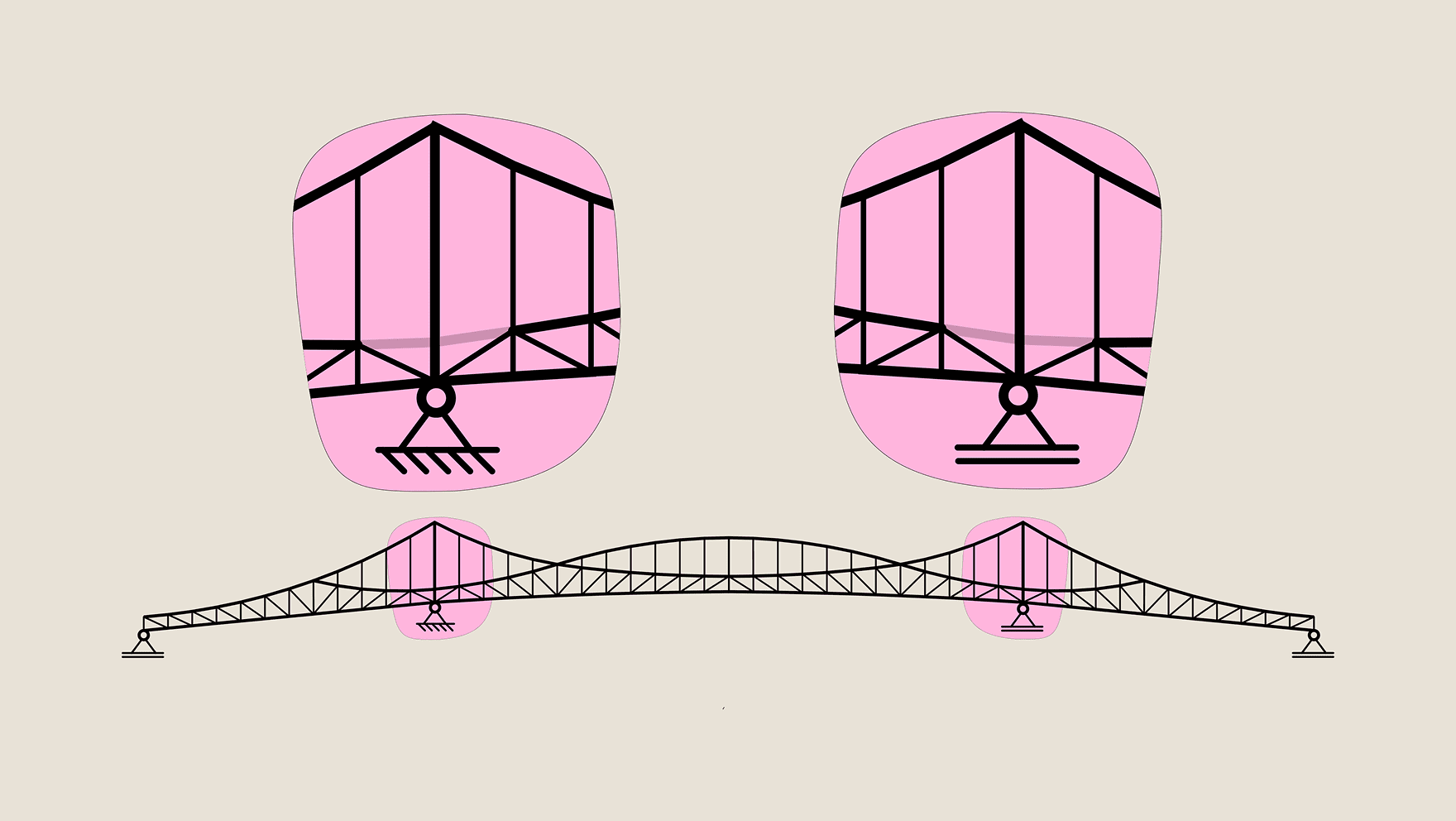
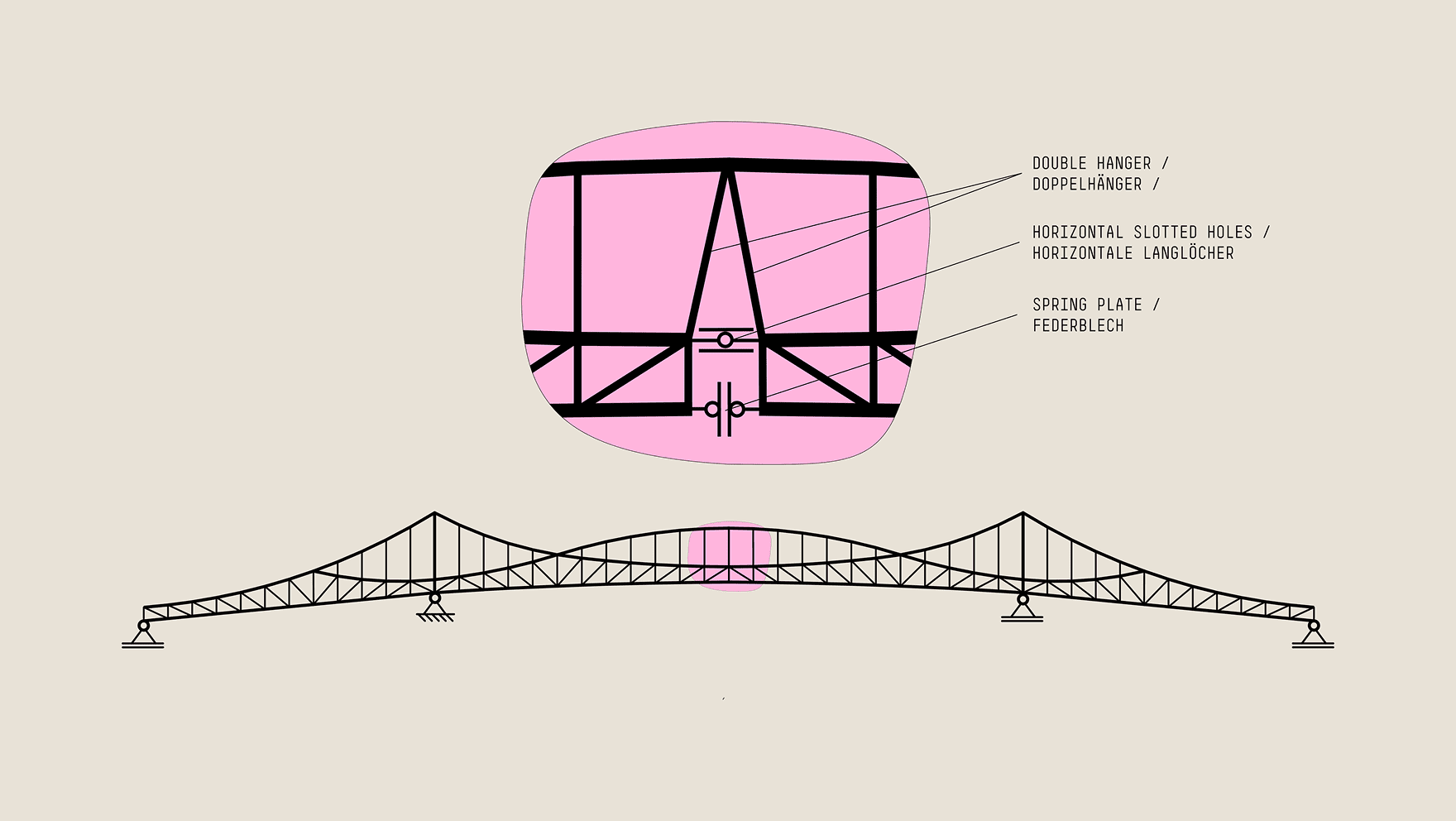
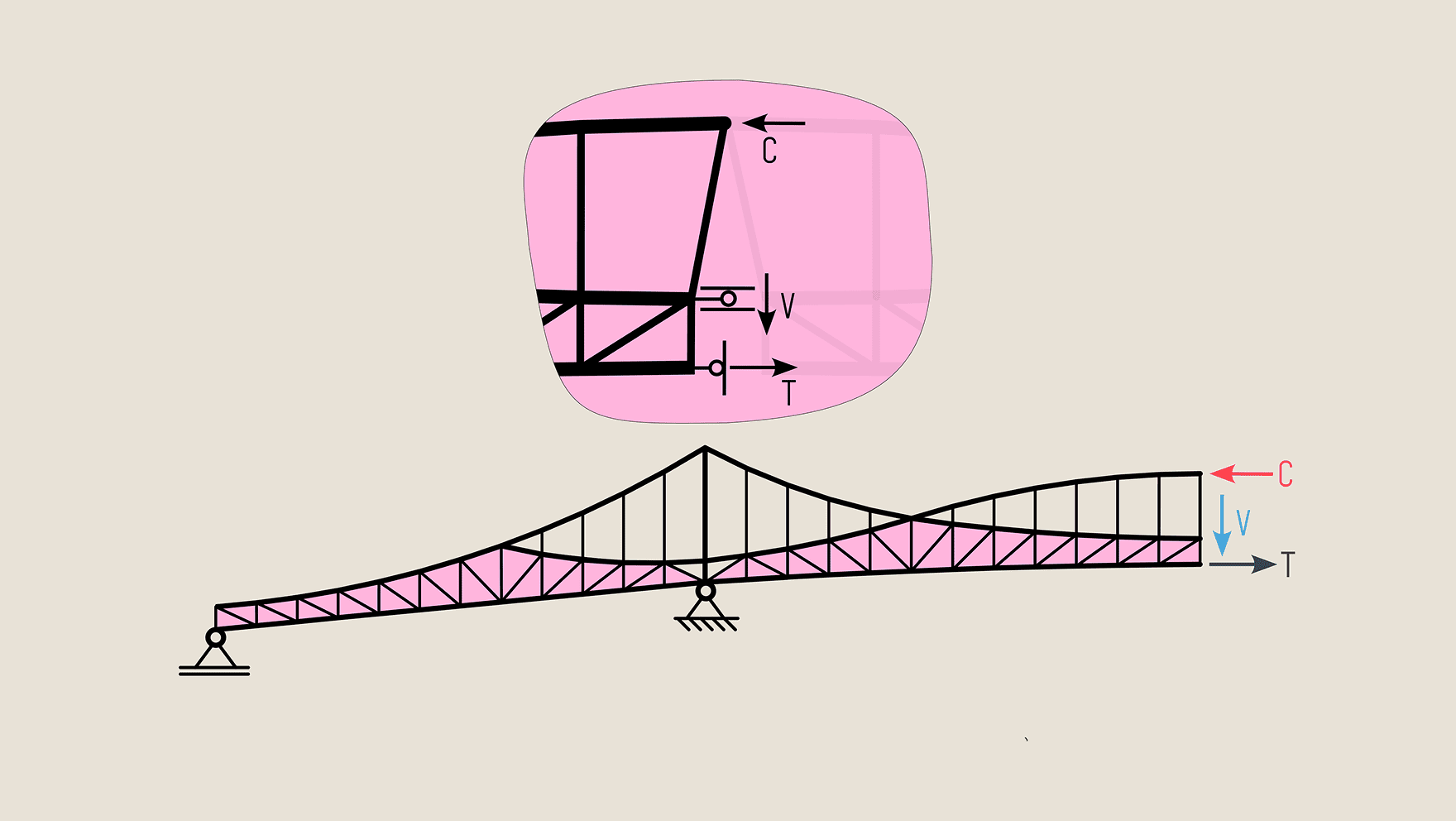
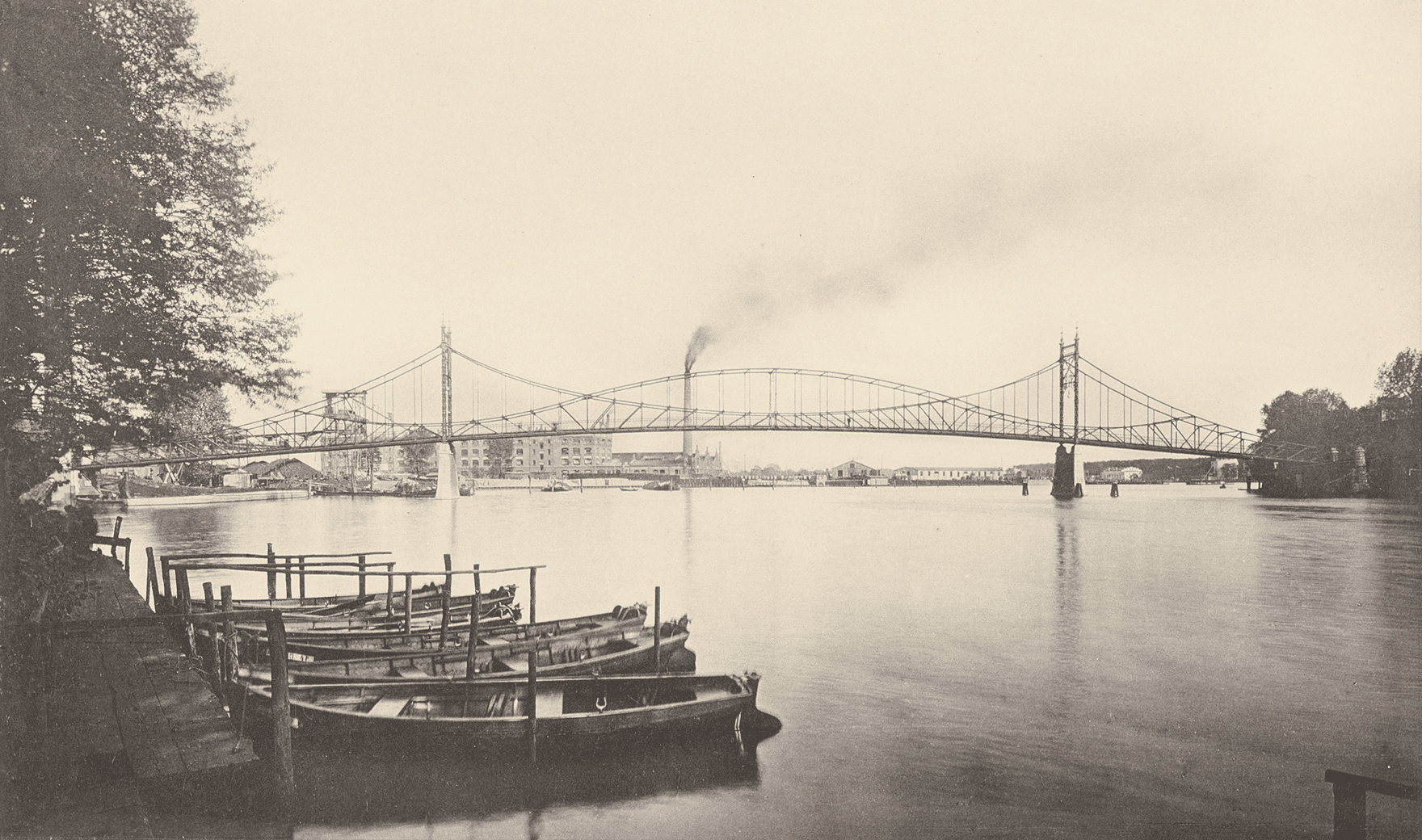
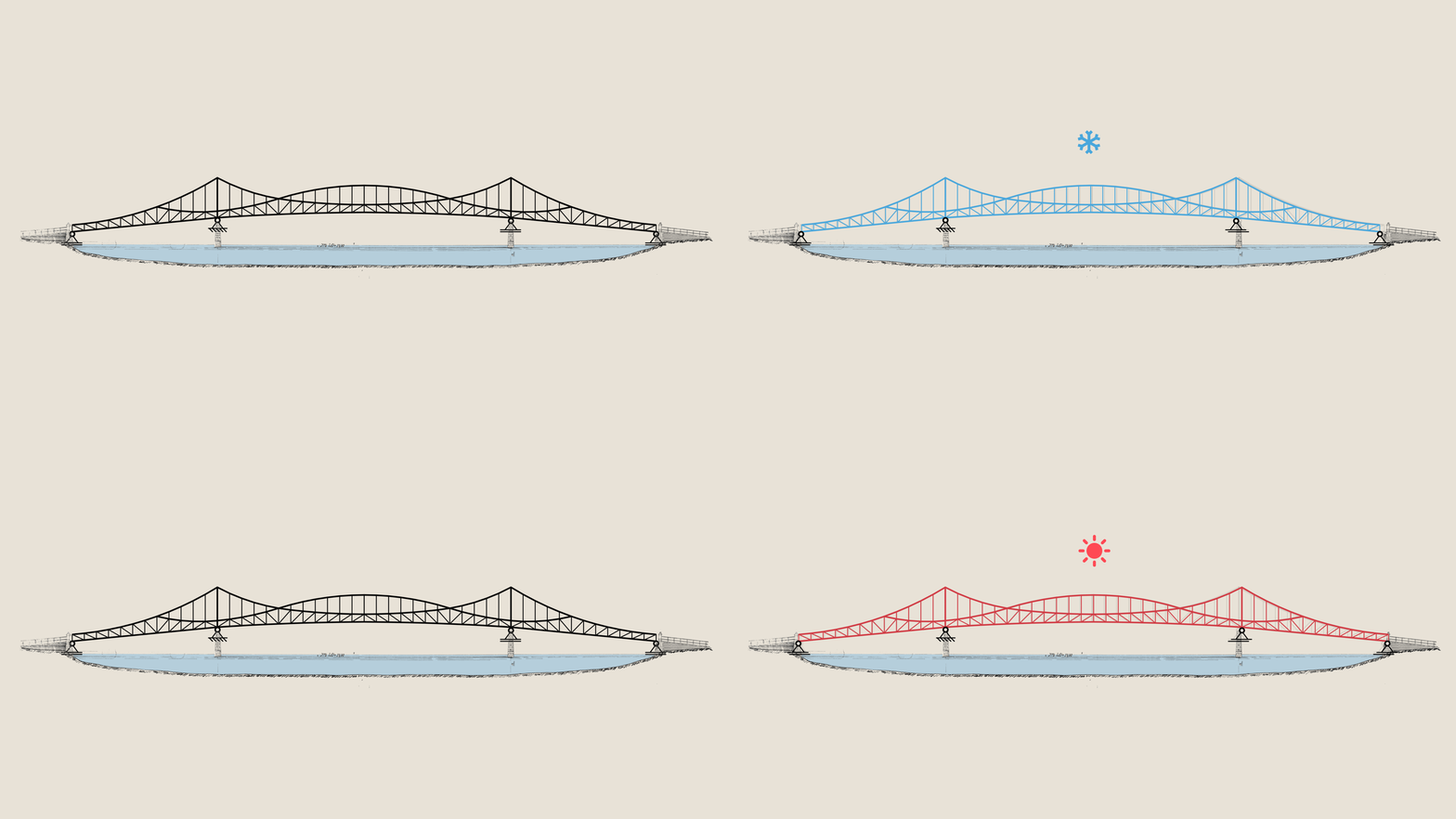
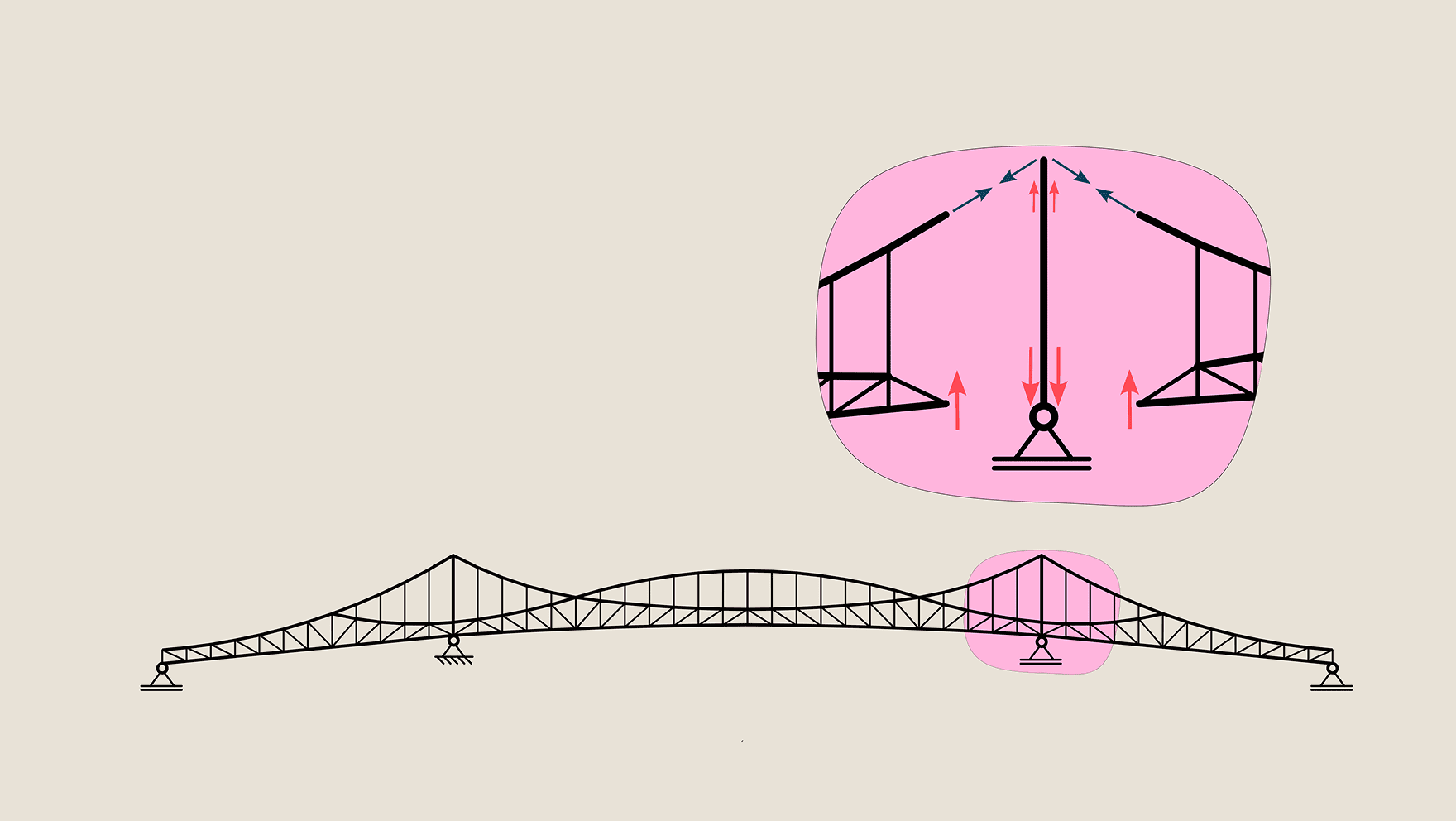
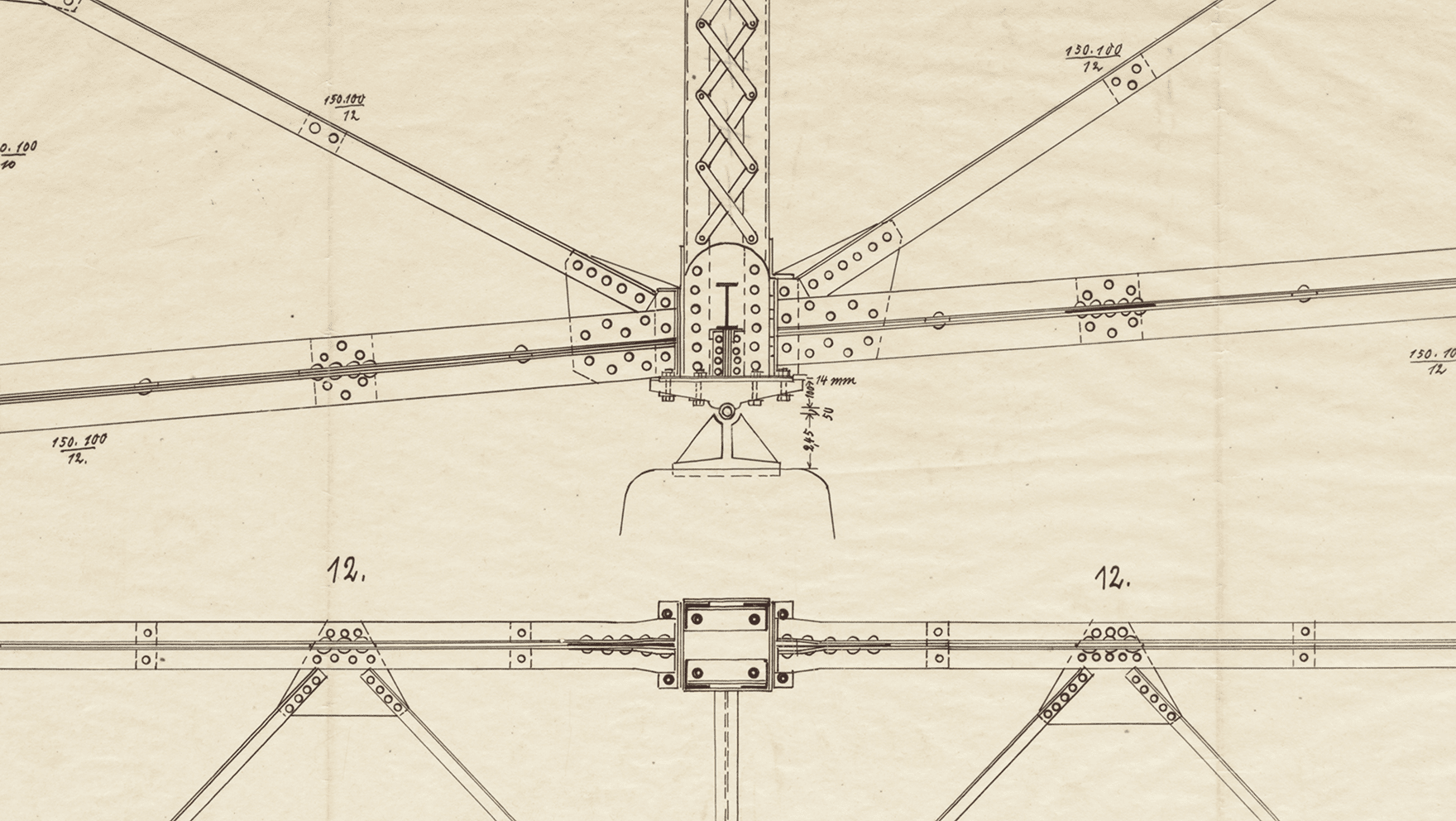
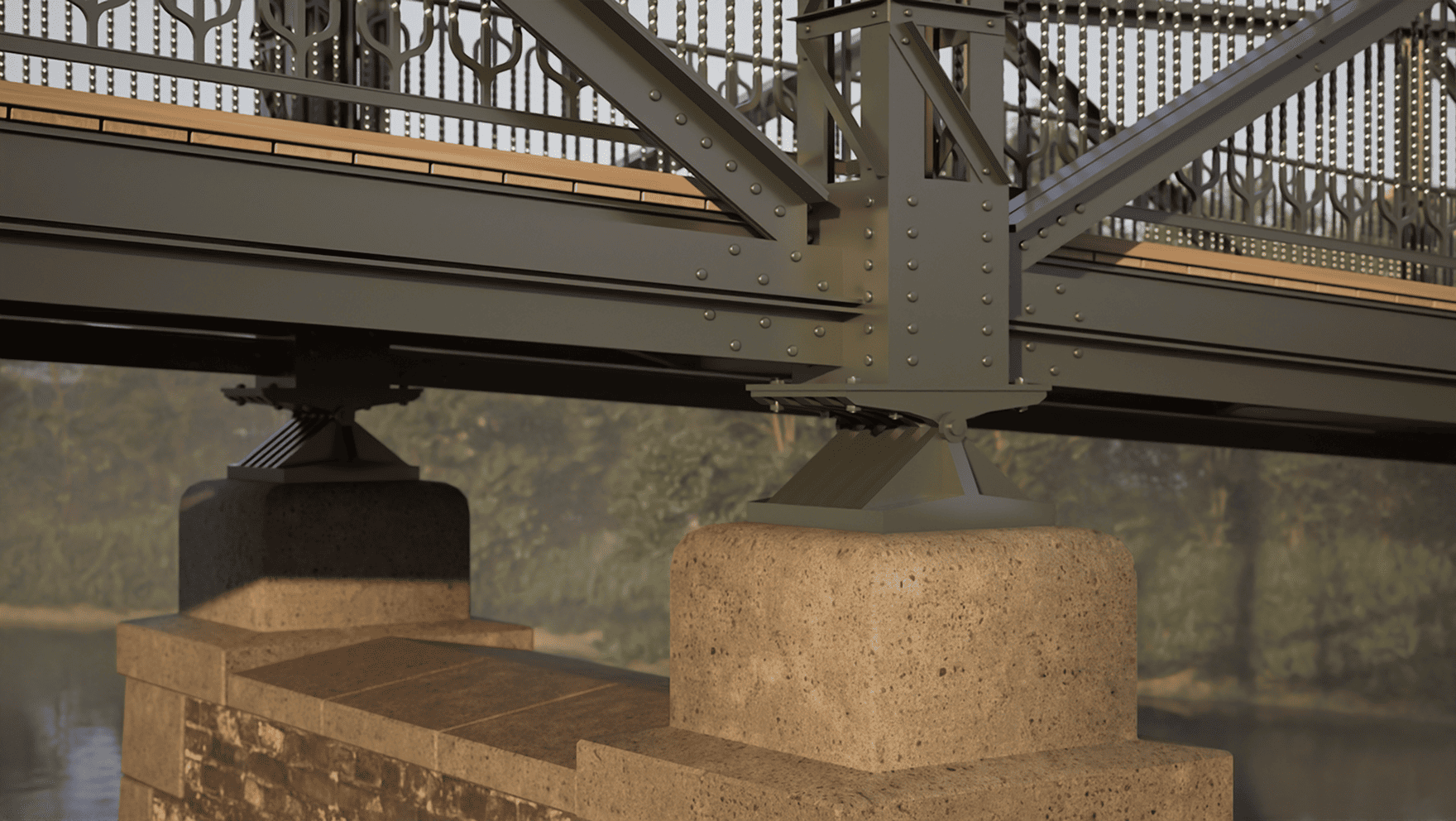
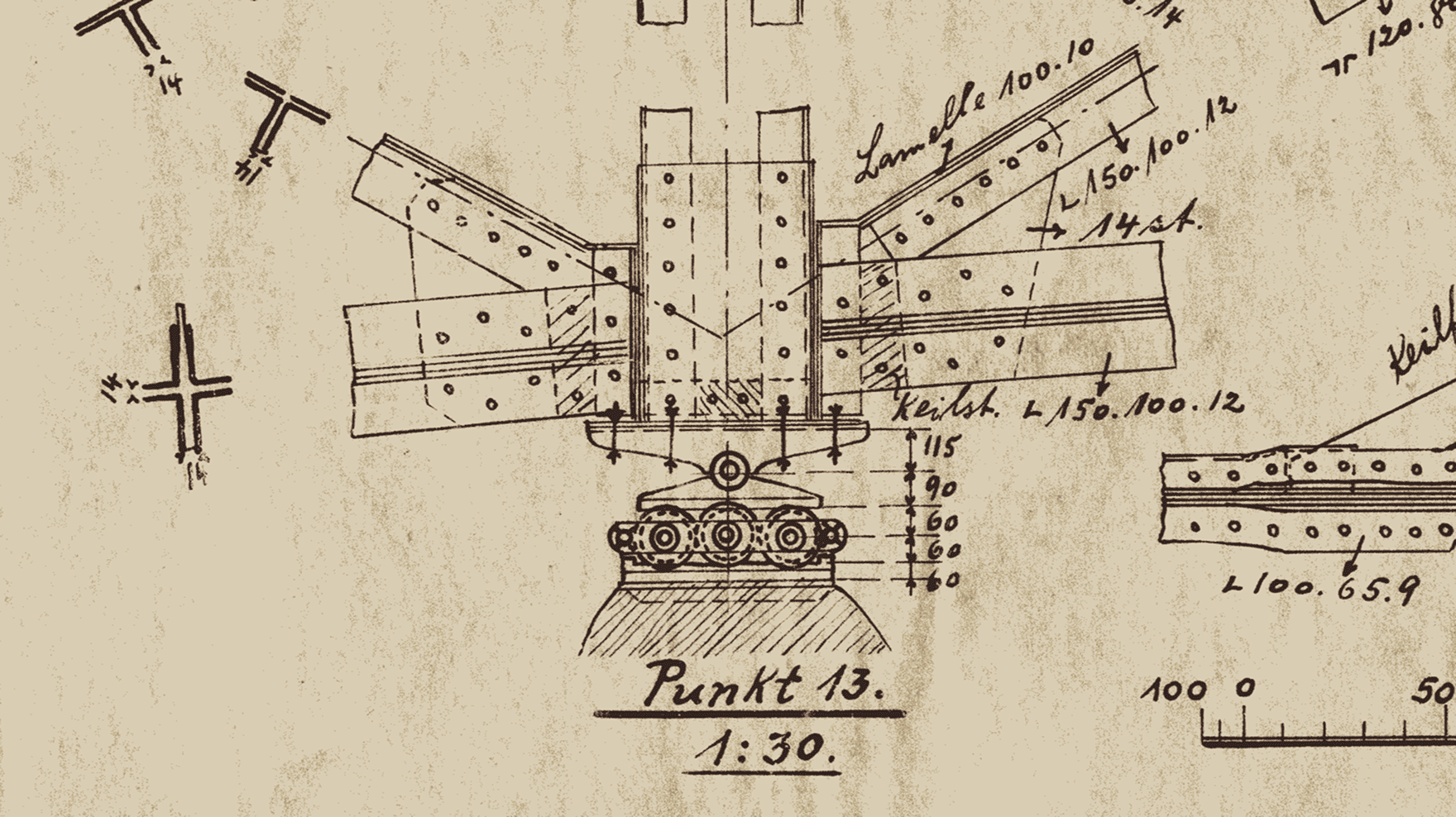
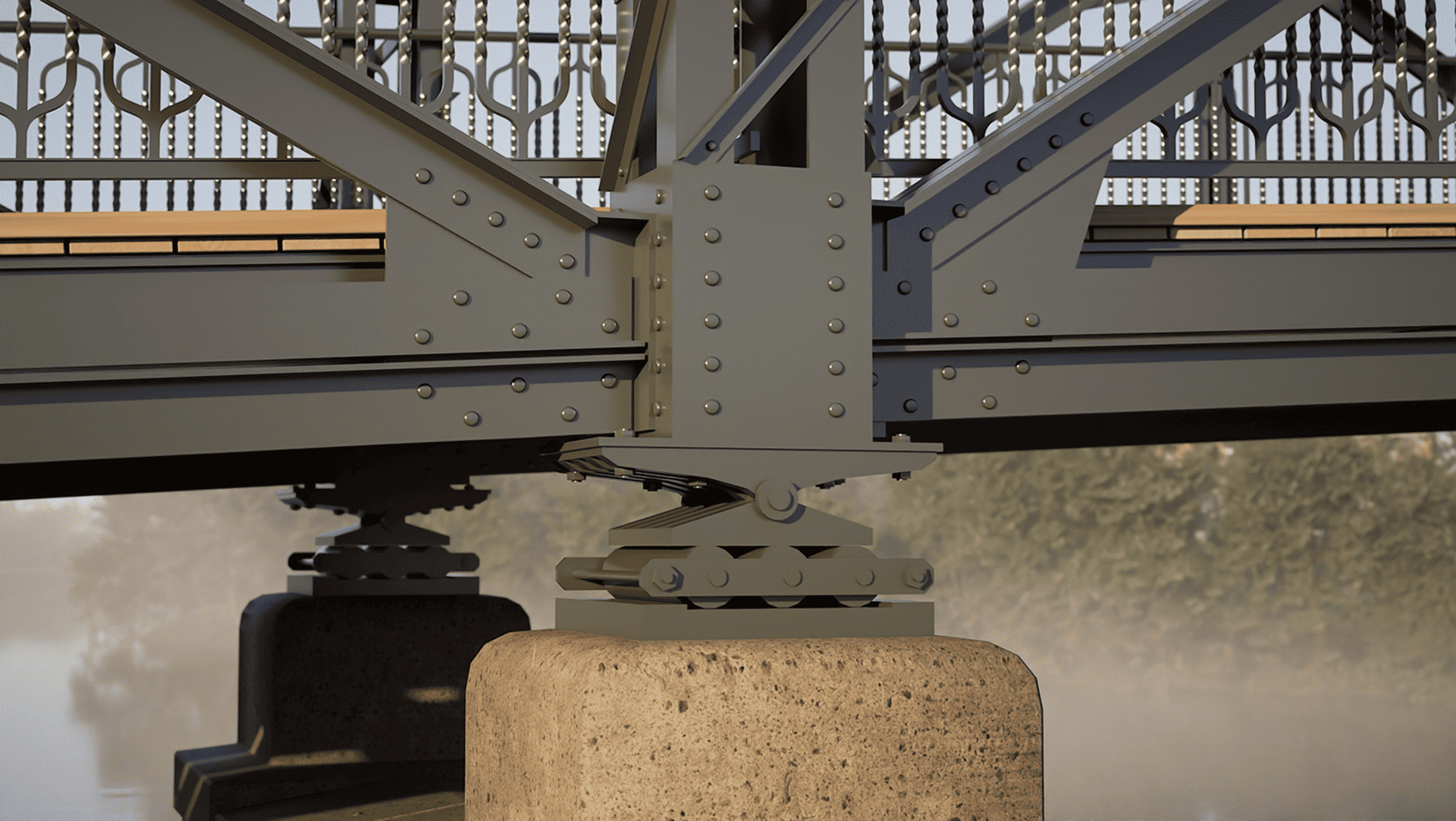
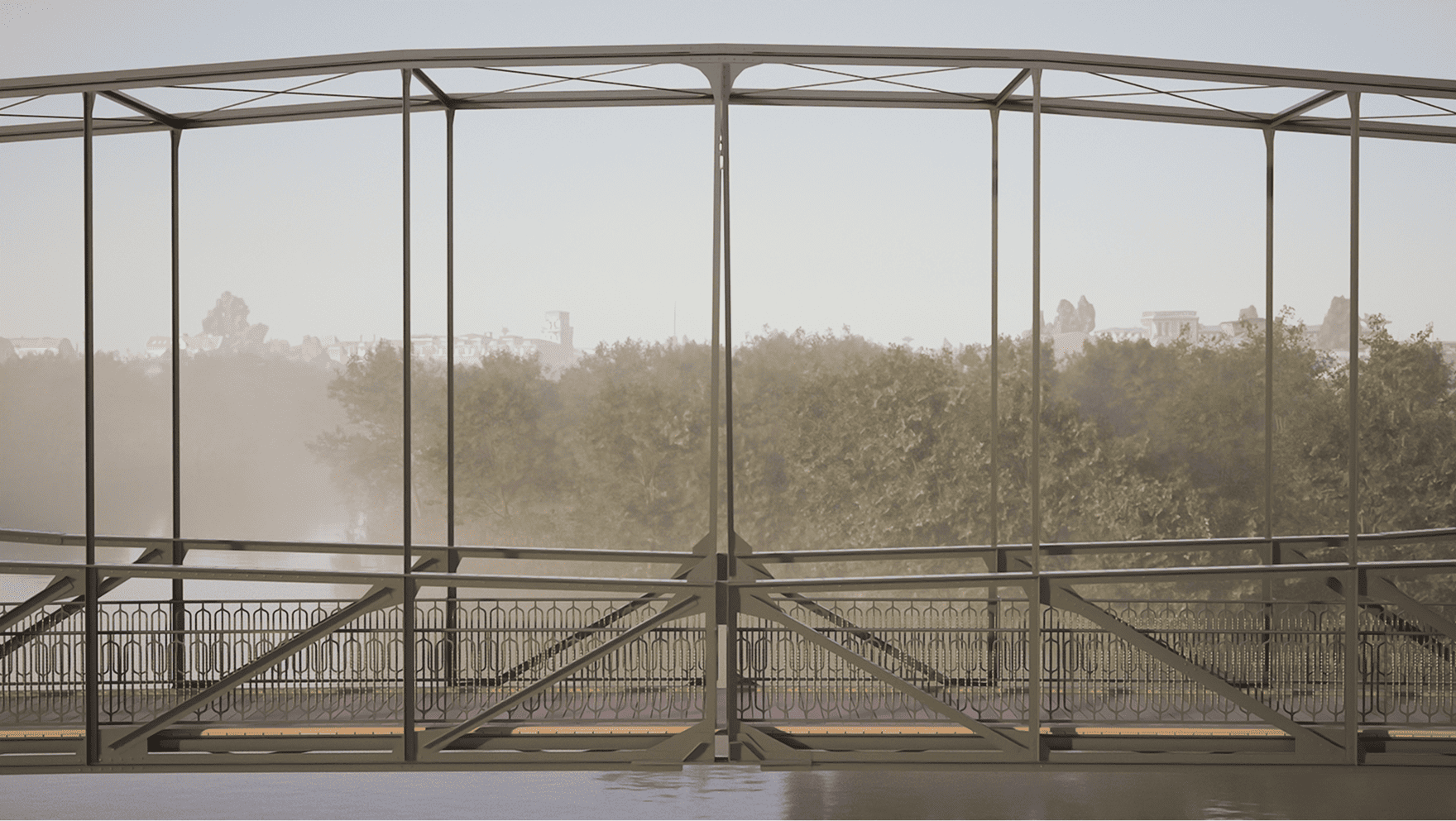
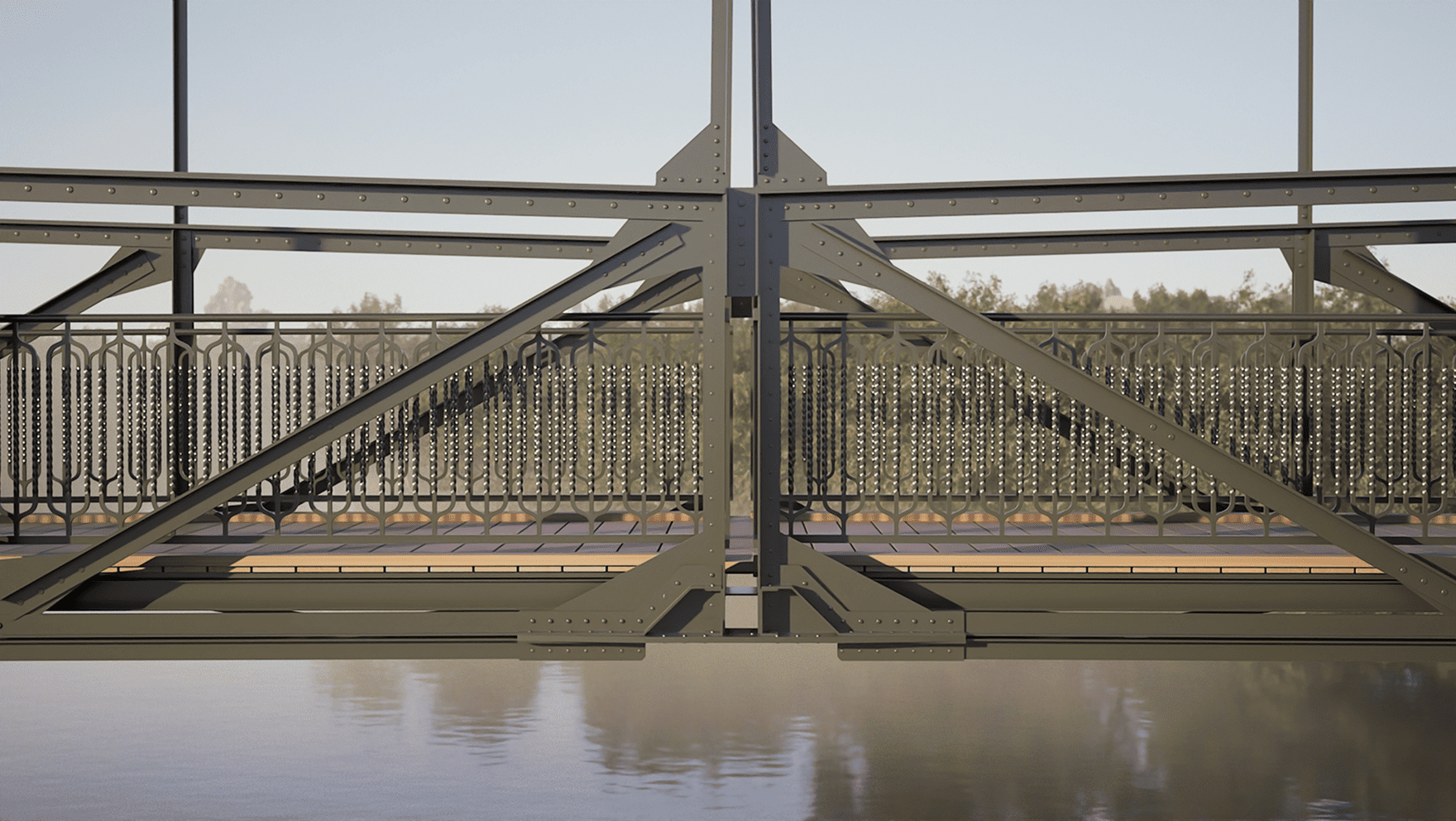
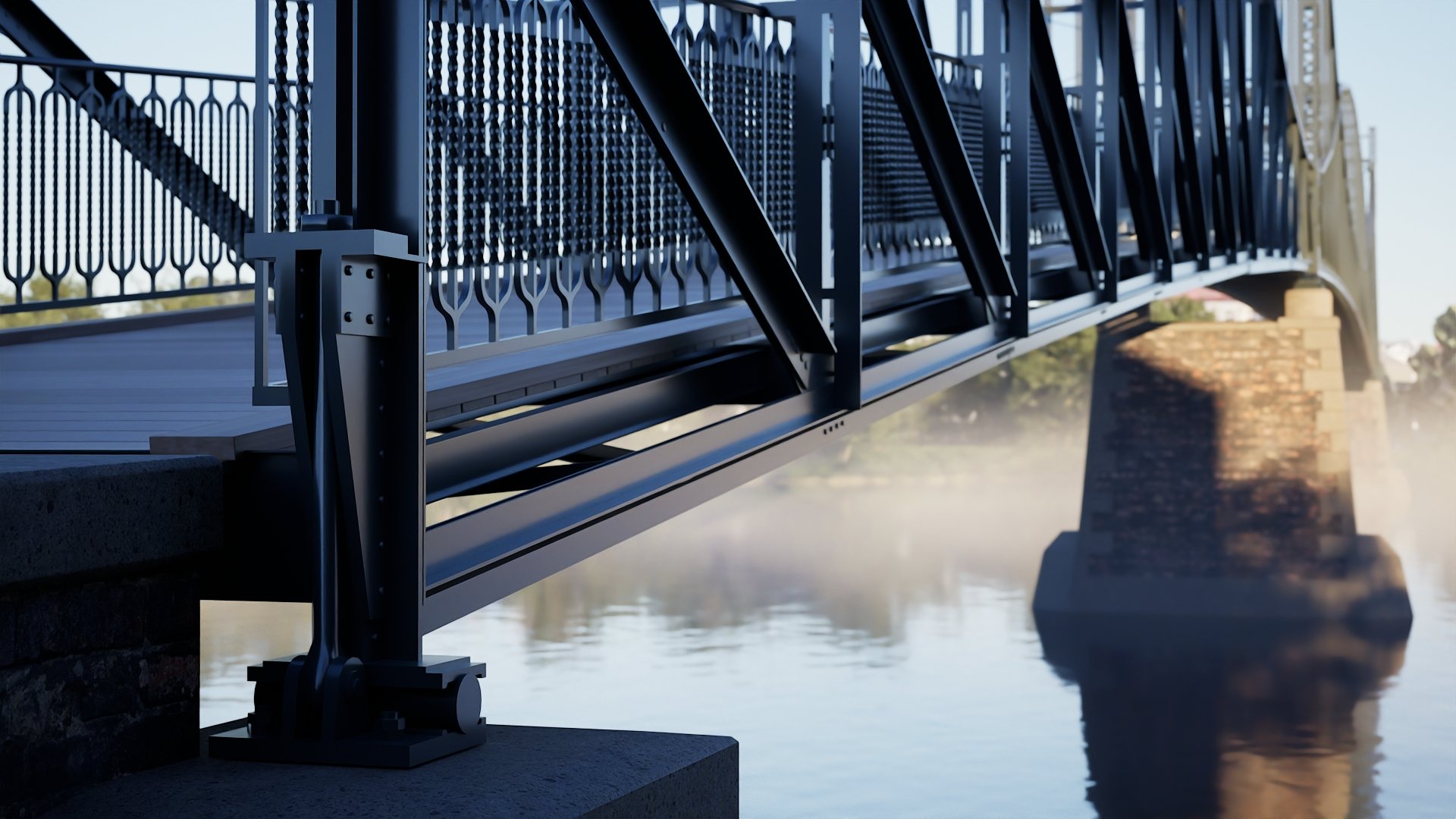
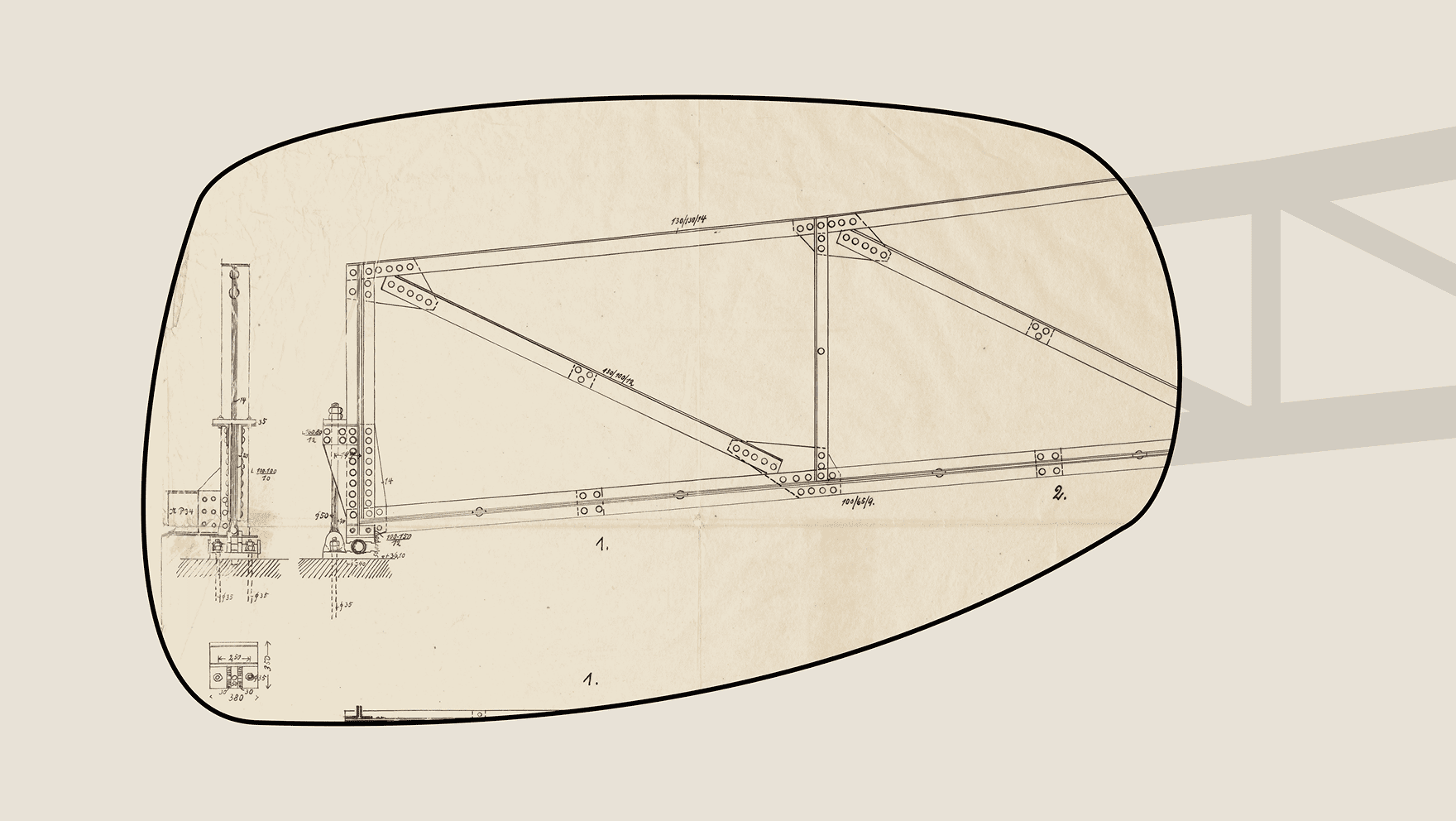
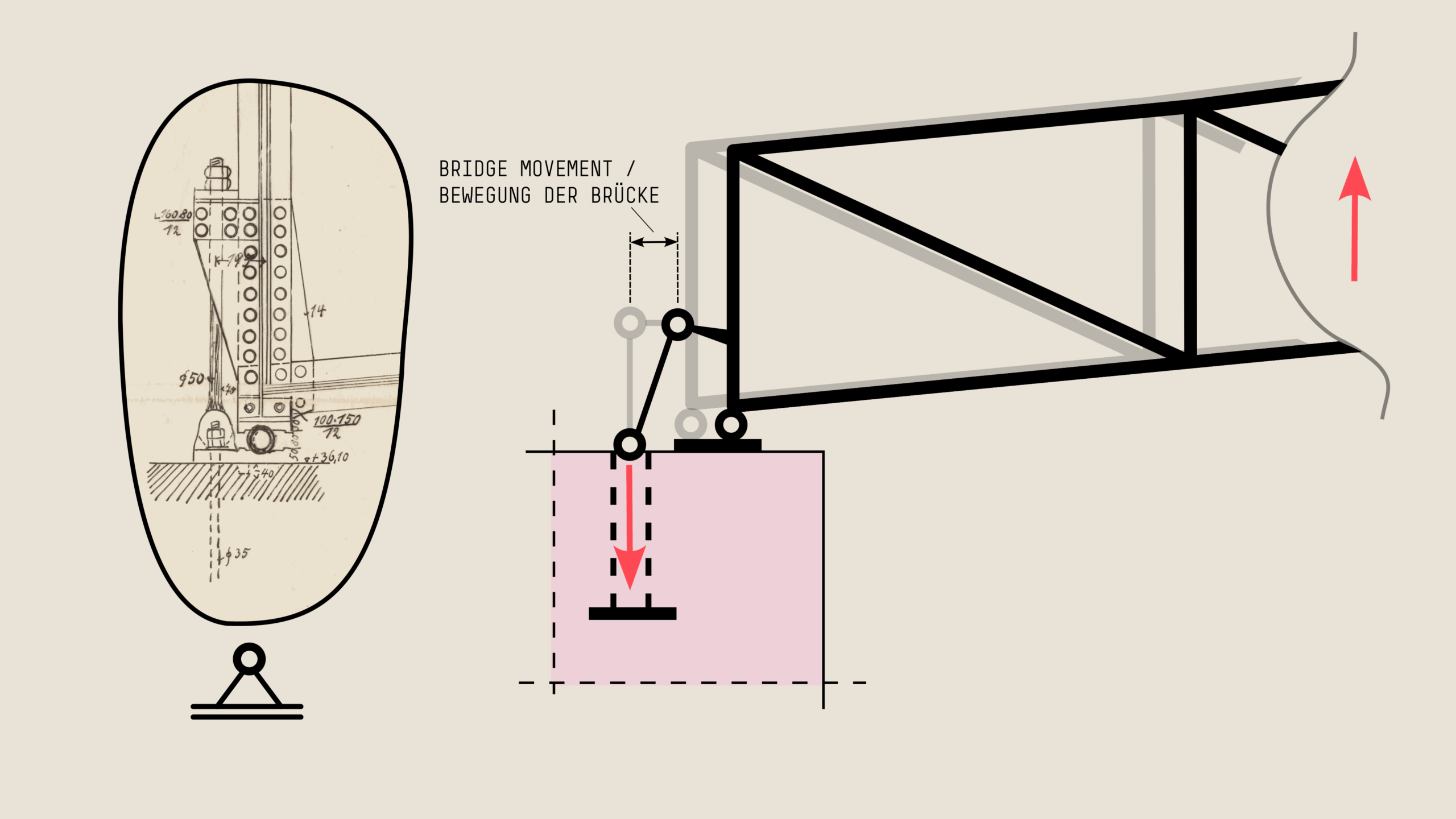
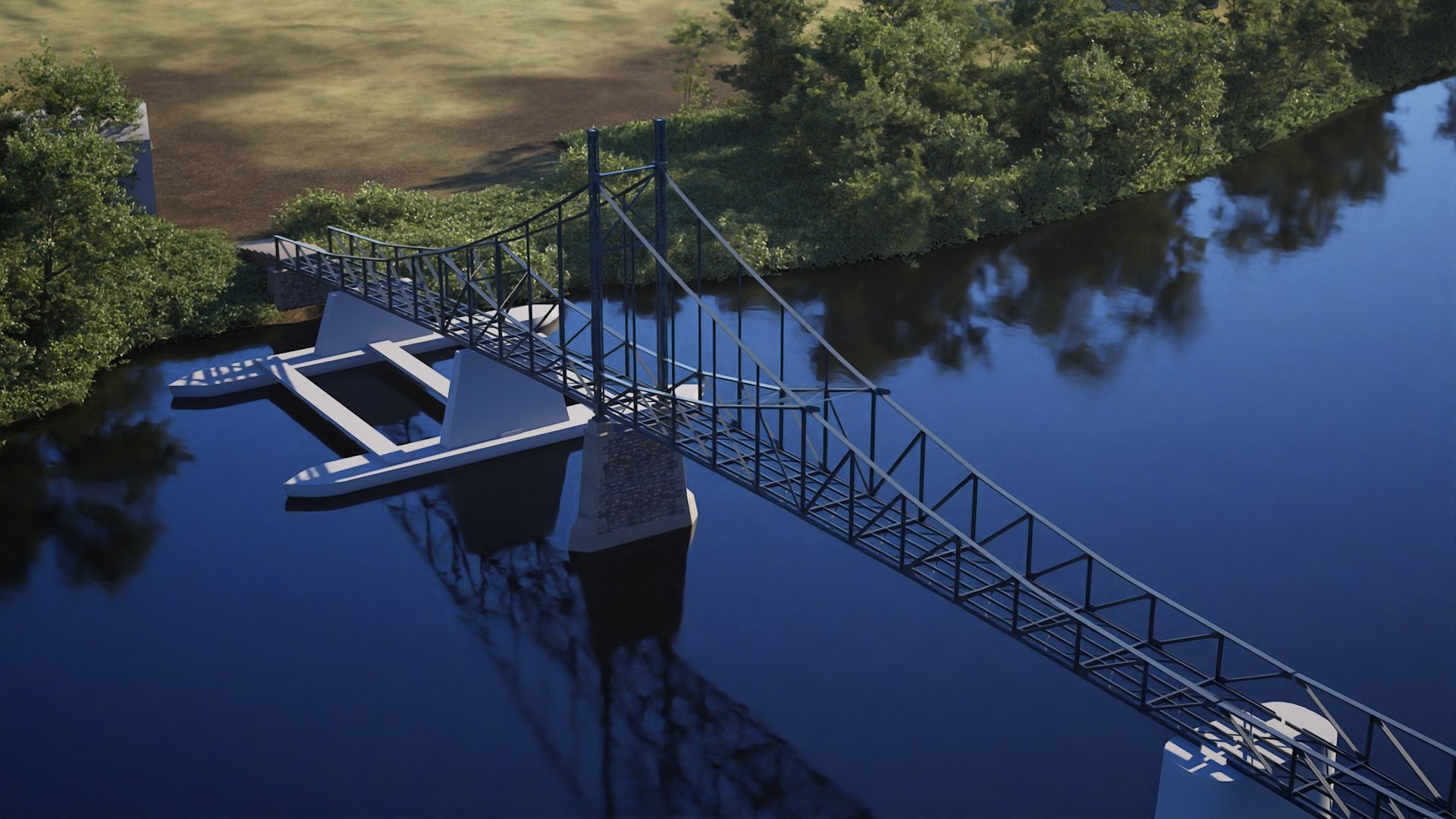
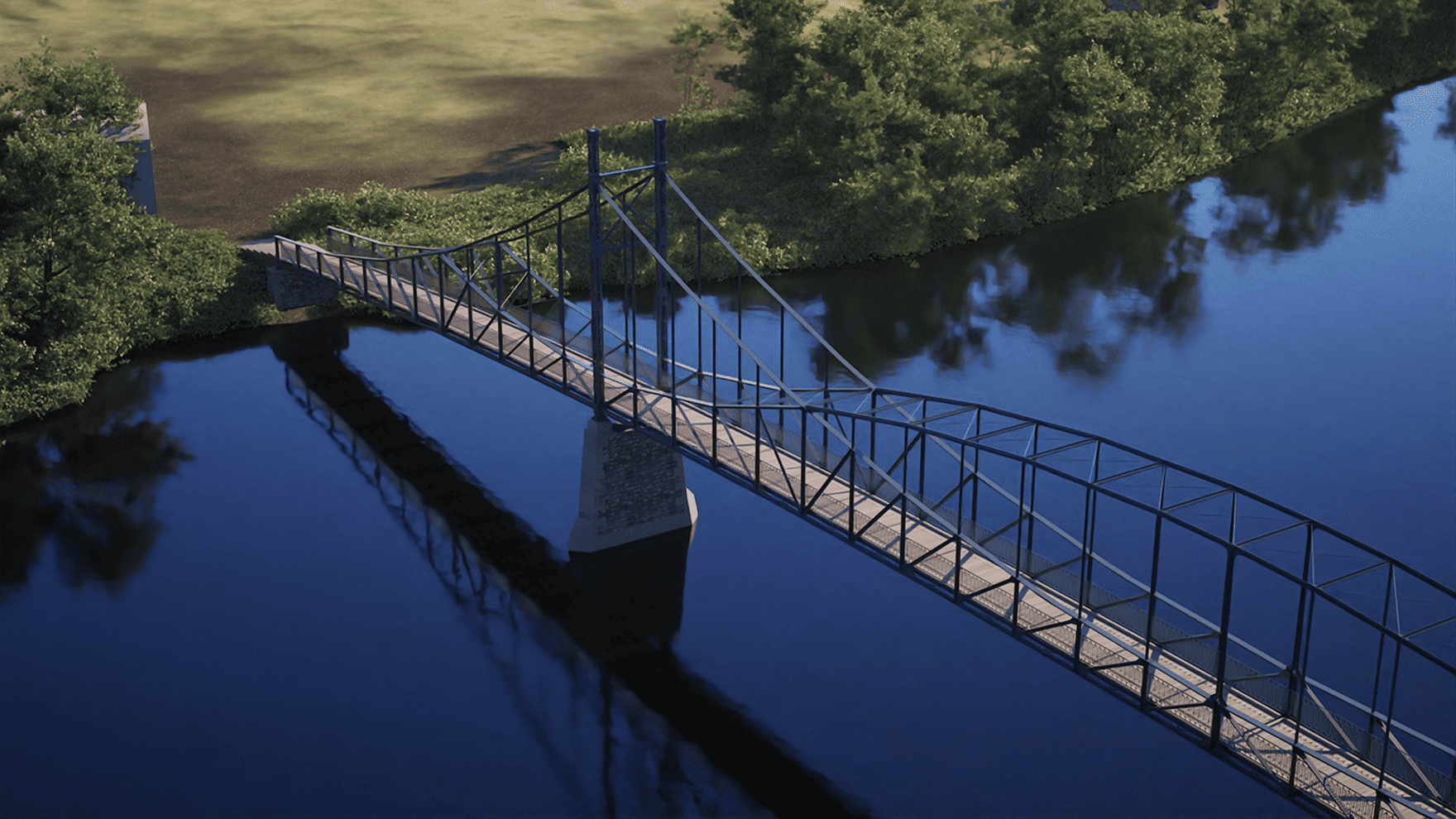
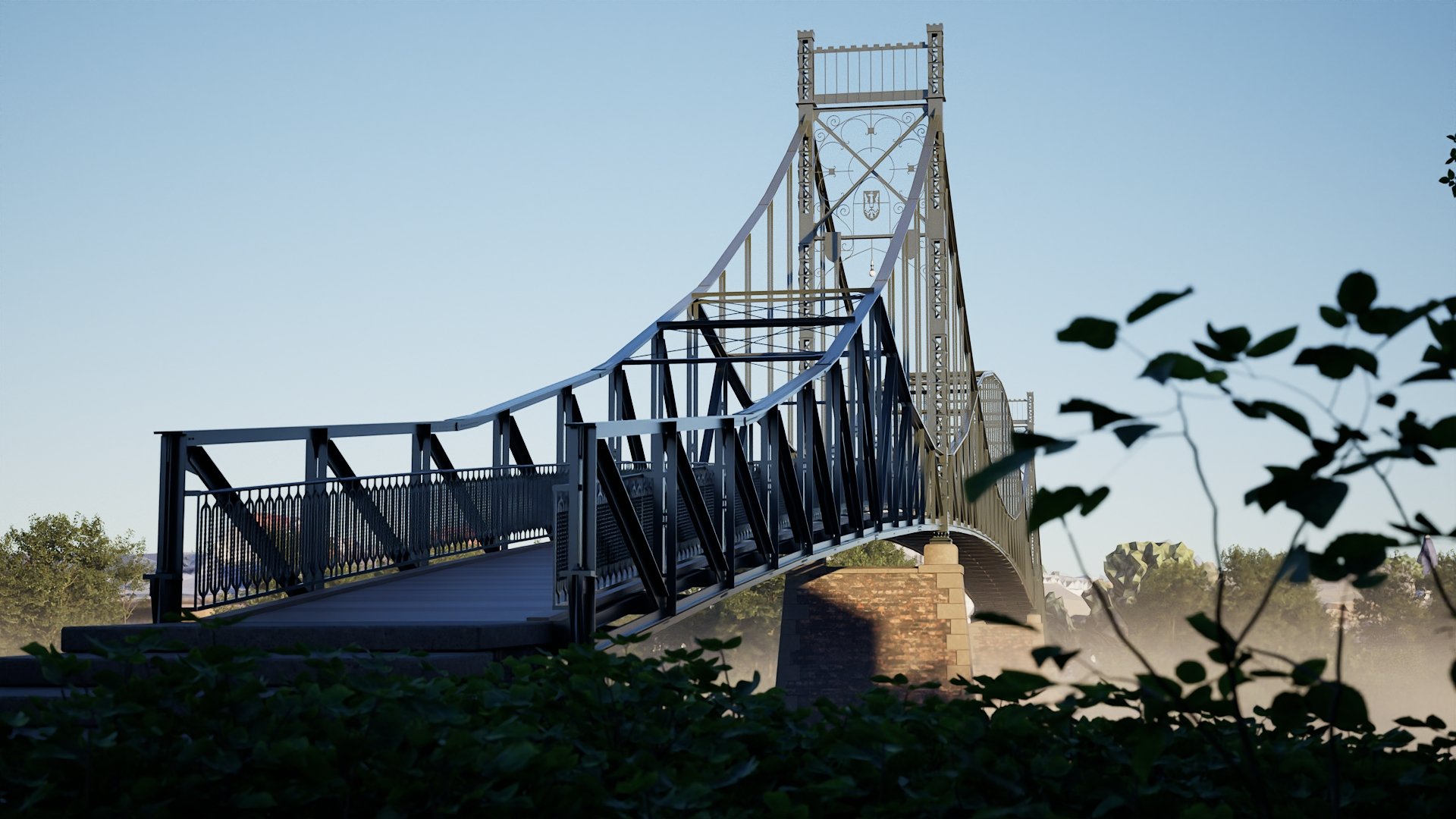
Heinrich Müller-Breslau was one of the most influential civil engineers of his time. The Old “Kaisersteg” in Berlin remains a milestone of modern bridge design and a remarkable example of his technical achievements.
This era—like many fields of science and technology—was deeply shaped by the social structures of its time. Access to education, professional practice, and public recognition was far from equal and, for many groups, particularly women, not a given.
The history of engineering thus reveals not only technical innovation but also how social values and power relations have influenced whose achievements are acknowledged.
Today, cultivating a culture of remembrance means making these connections visible — and rethinking what it means to be a role model: more diverse, more equitable, and more inclusive of the many voices long left unheard. Contemporary initiatives such as “Bauingenieurinnen“ or “Queens of Structure“ contribute to this redefinition, showing how visibility and representation in engineering continue to evolve.