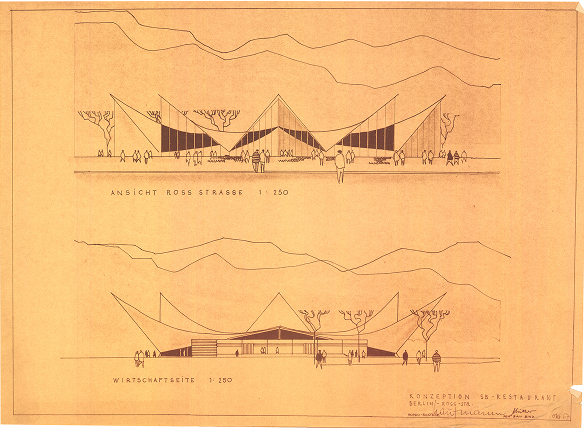
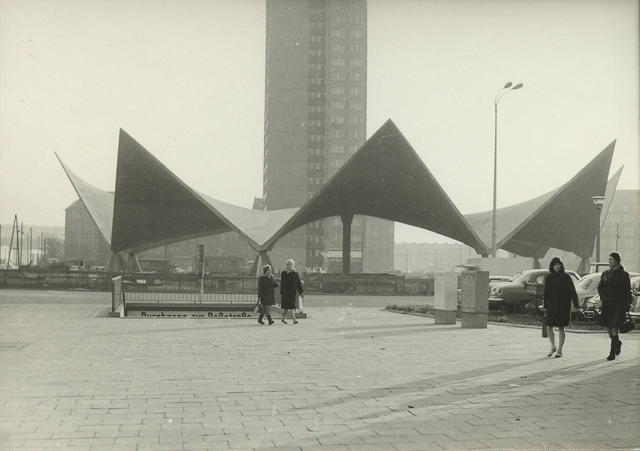
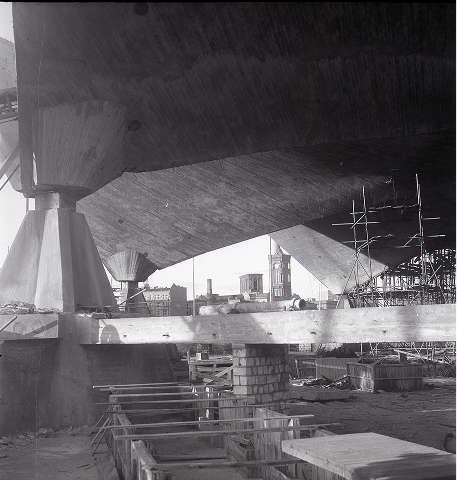
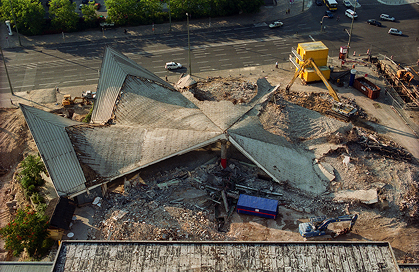
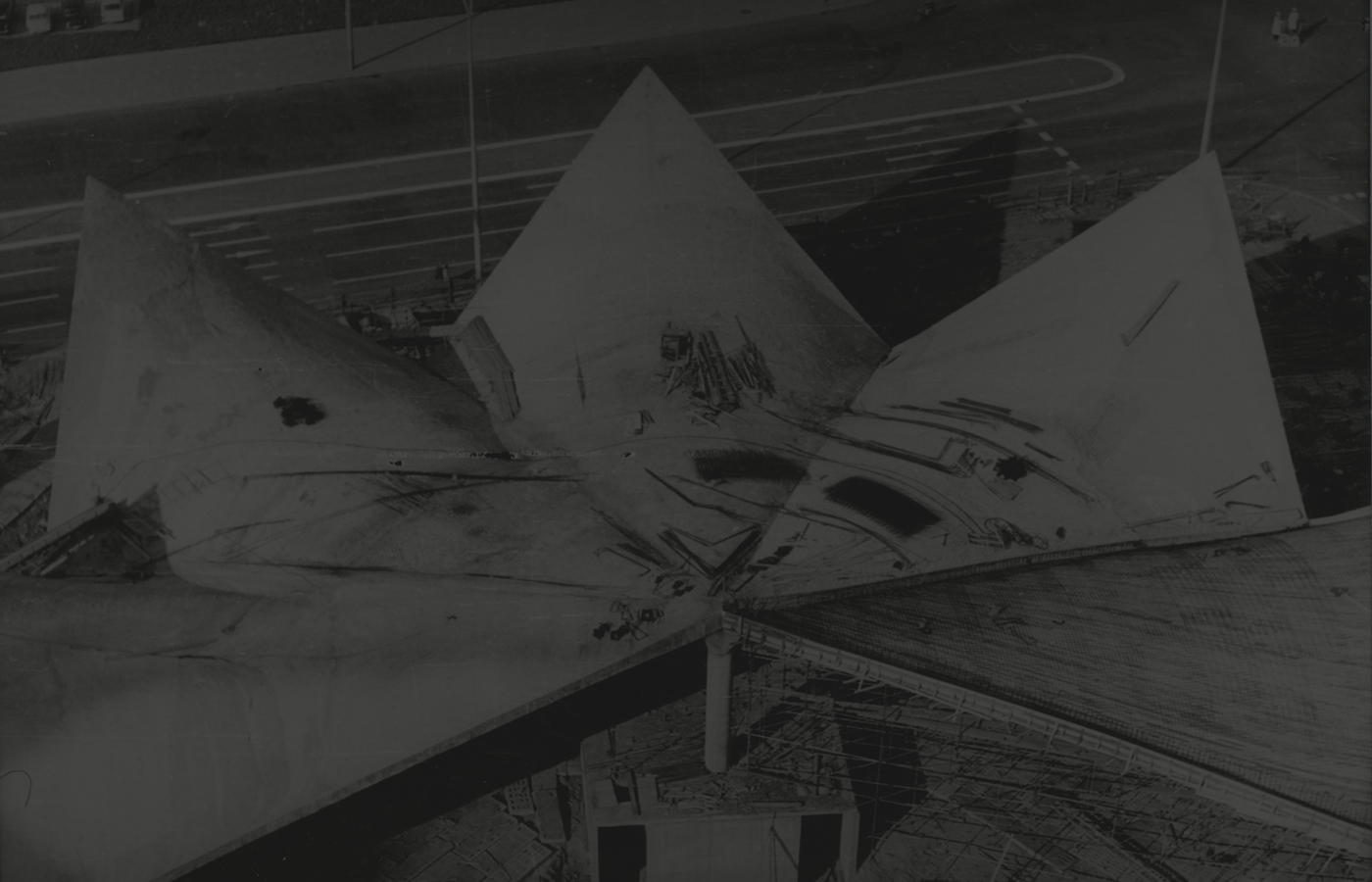
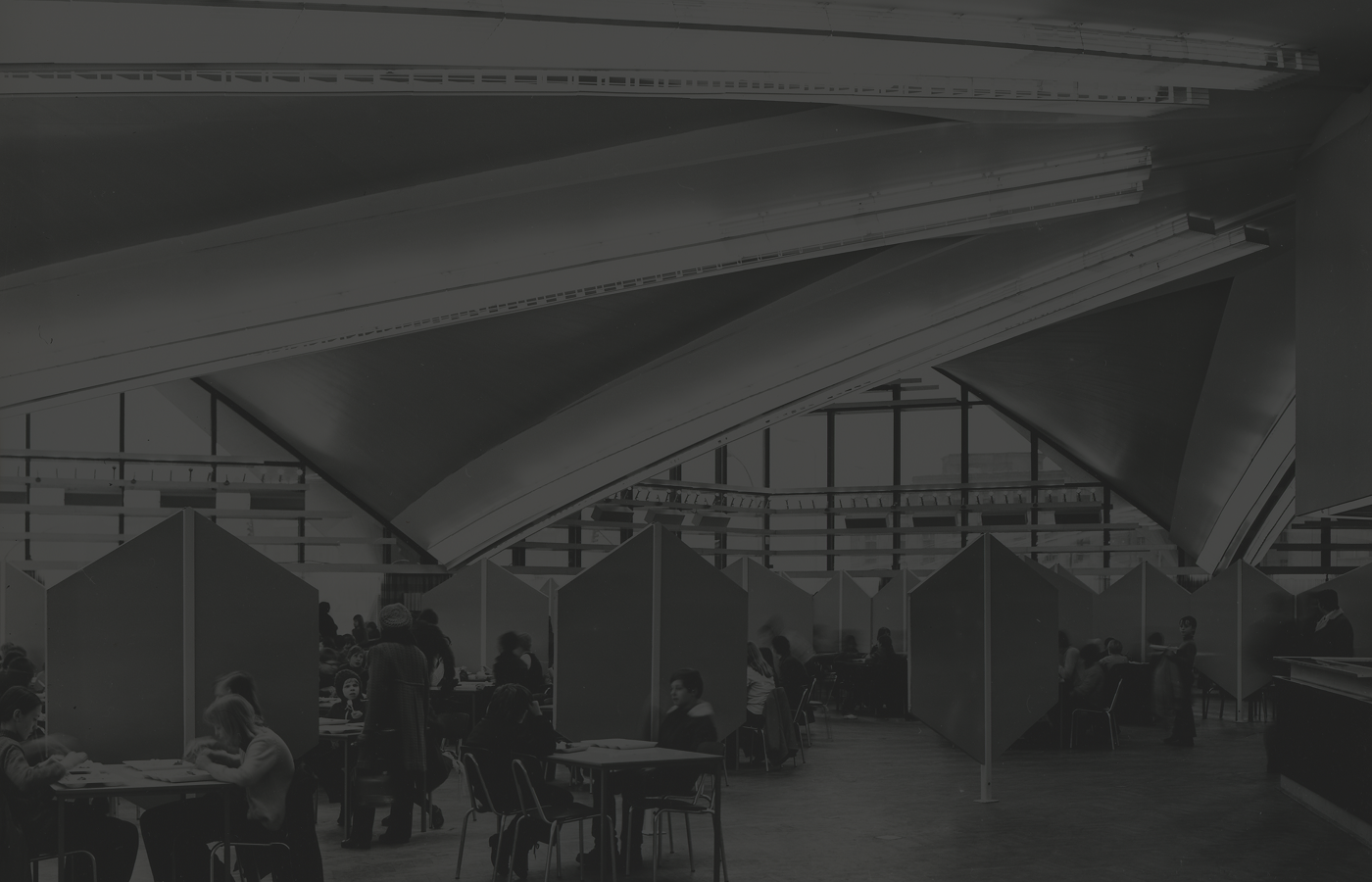
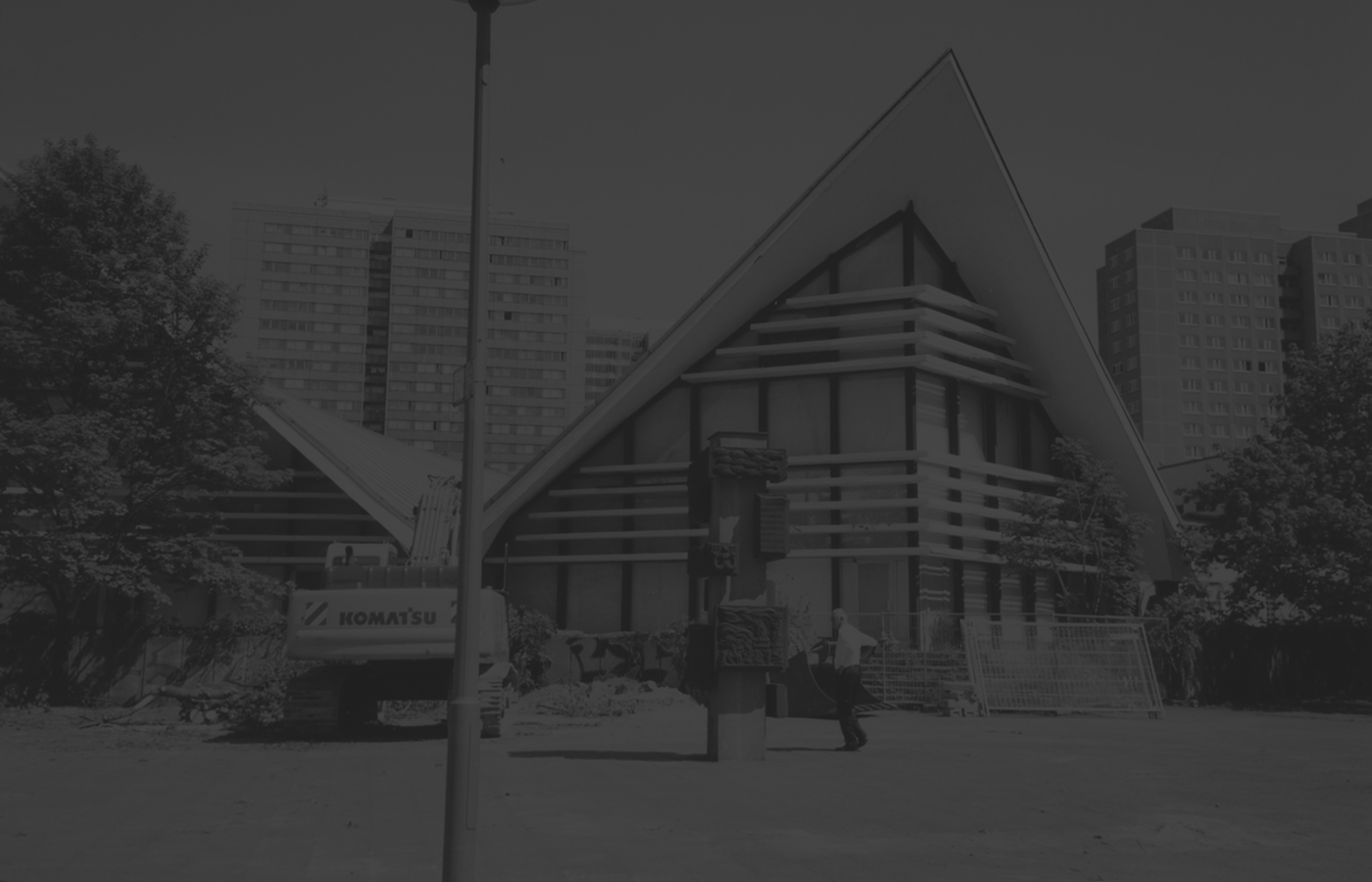
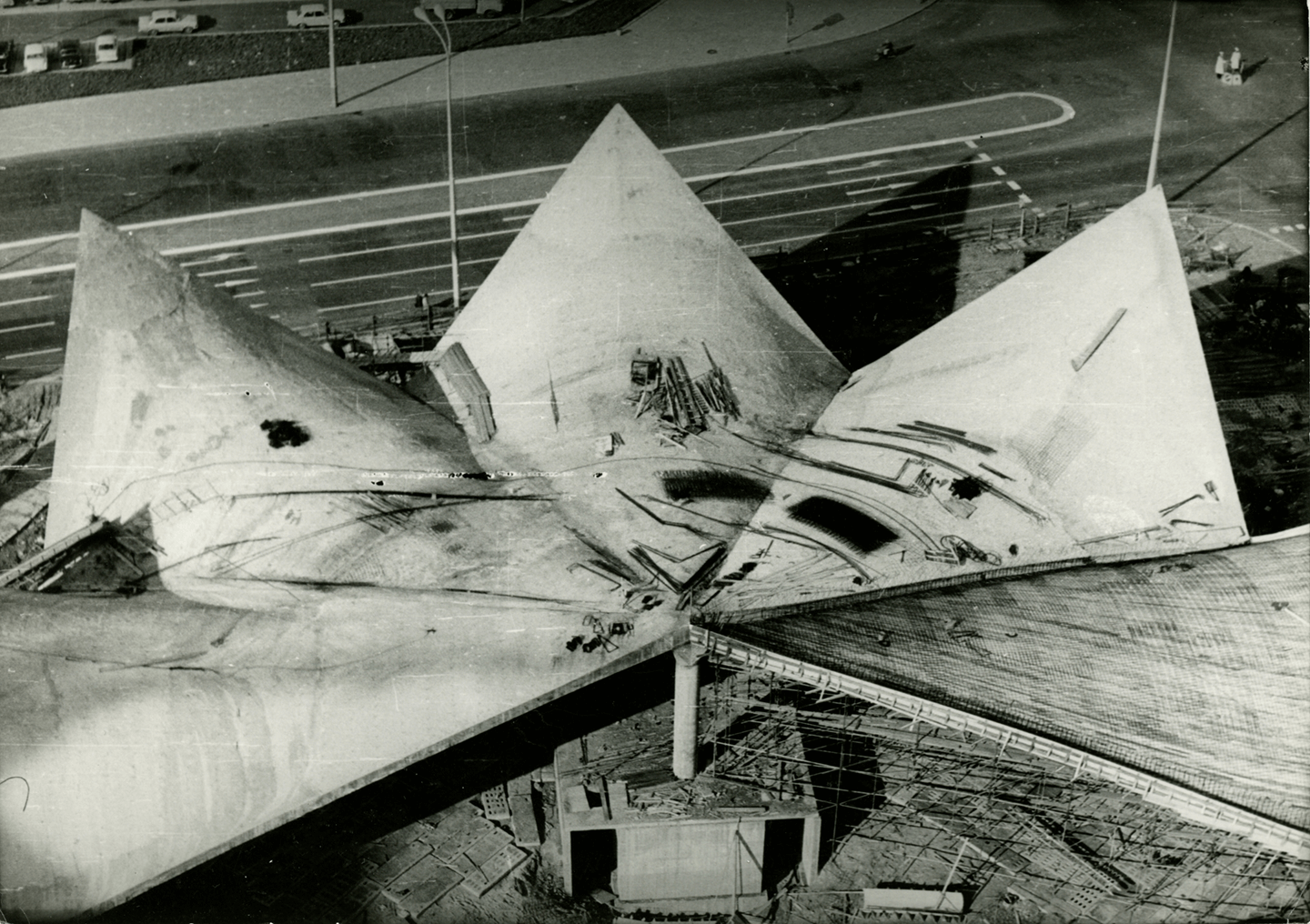
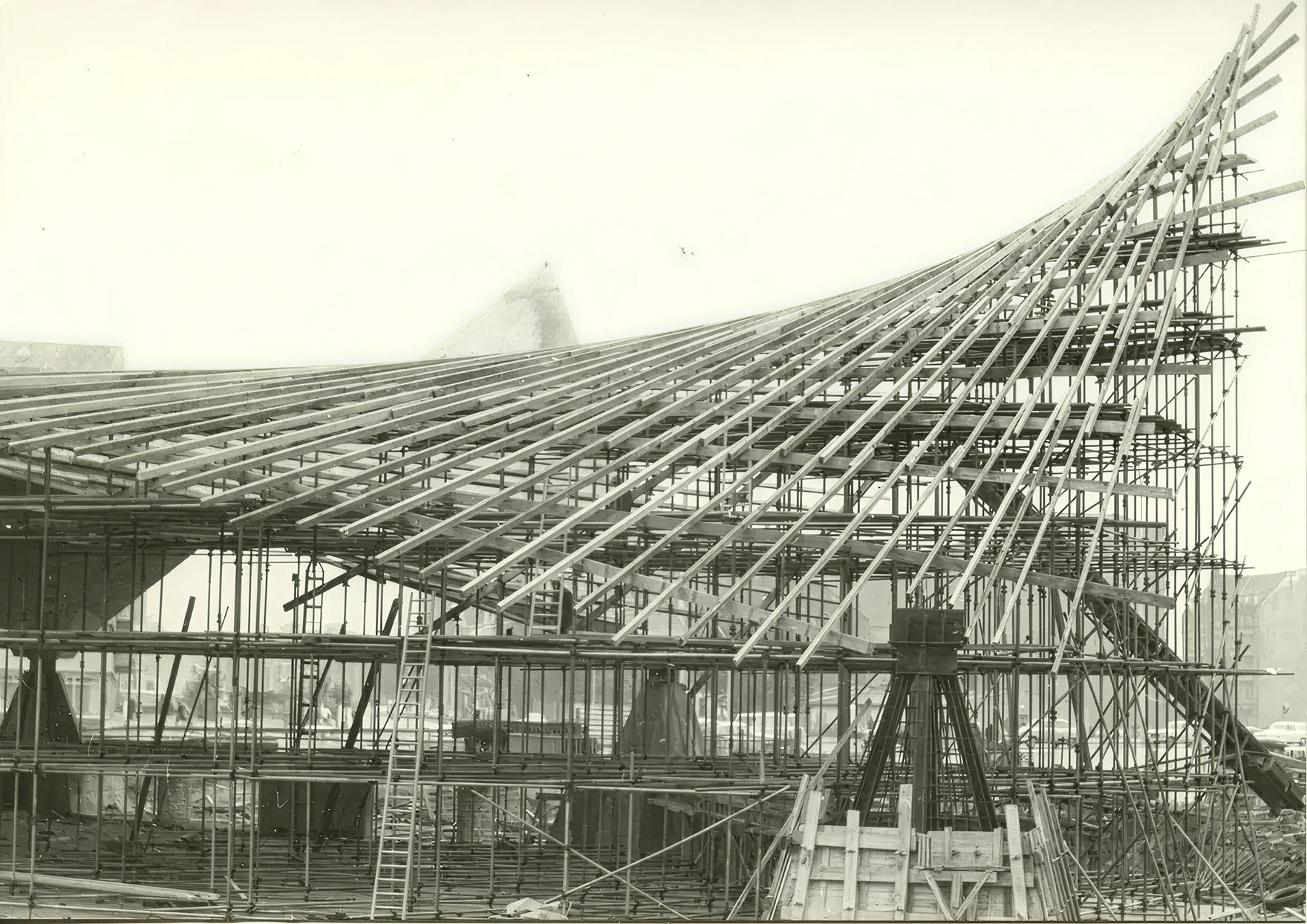
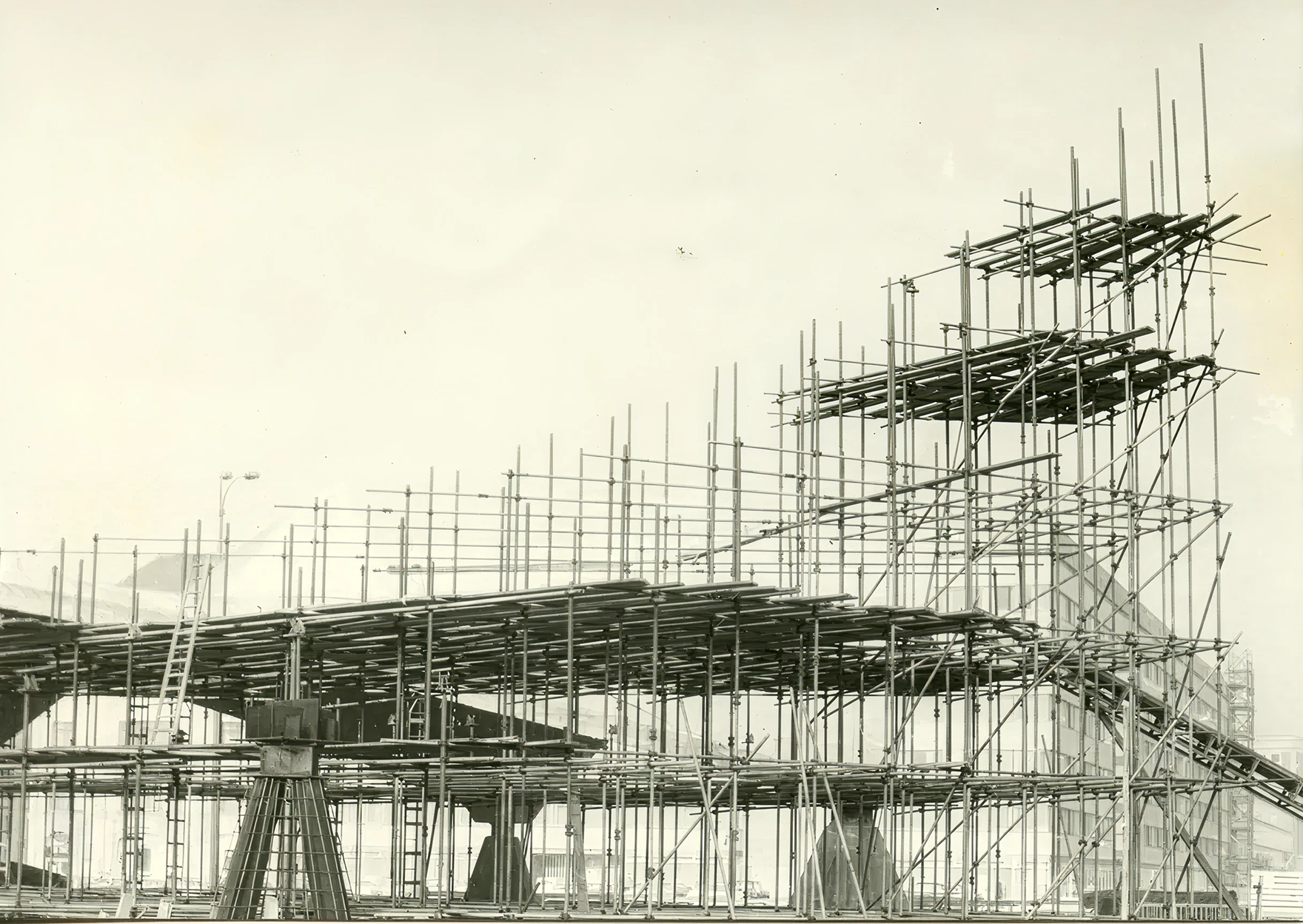
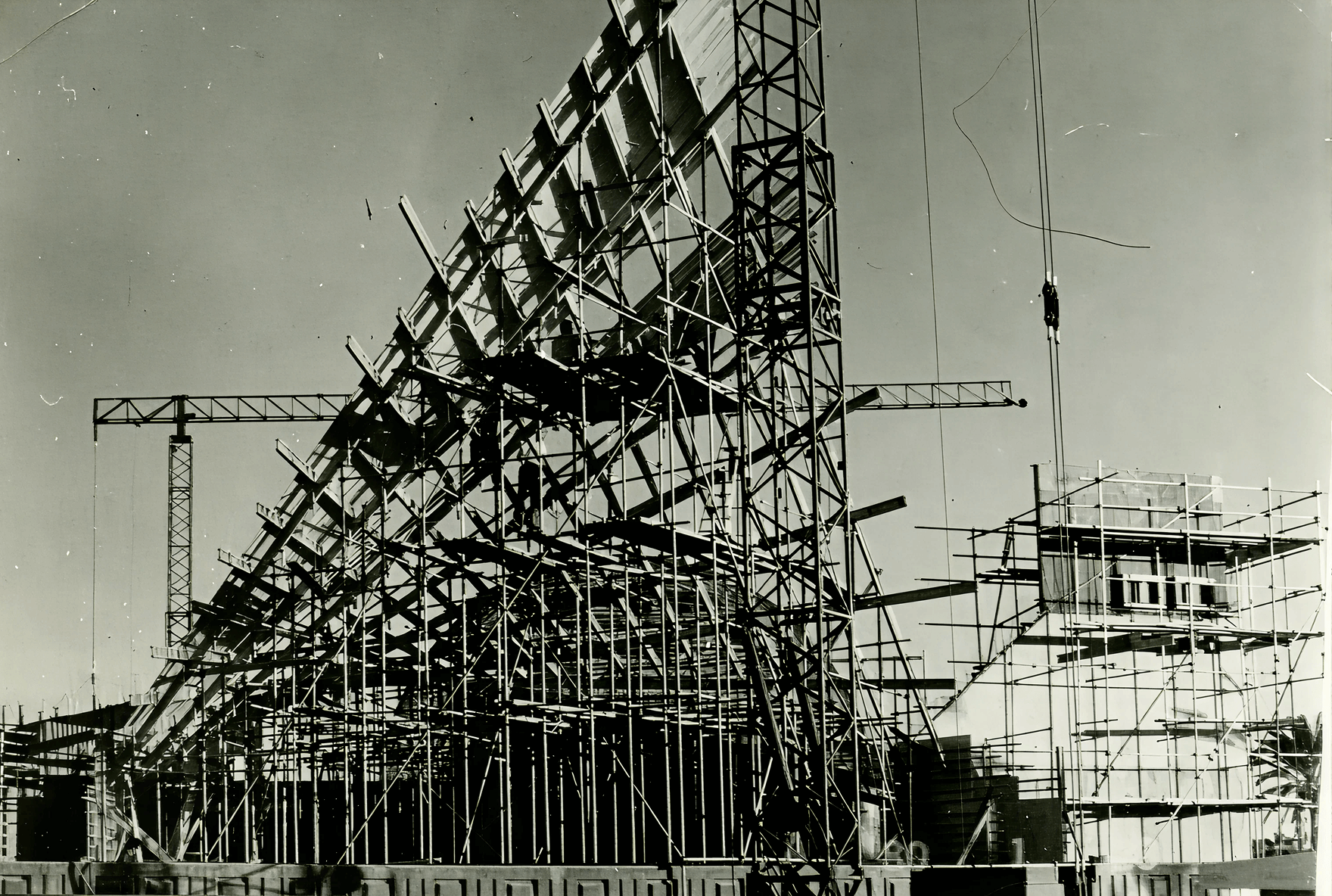
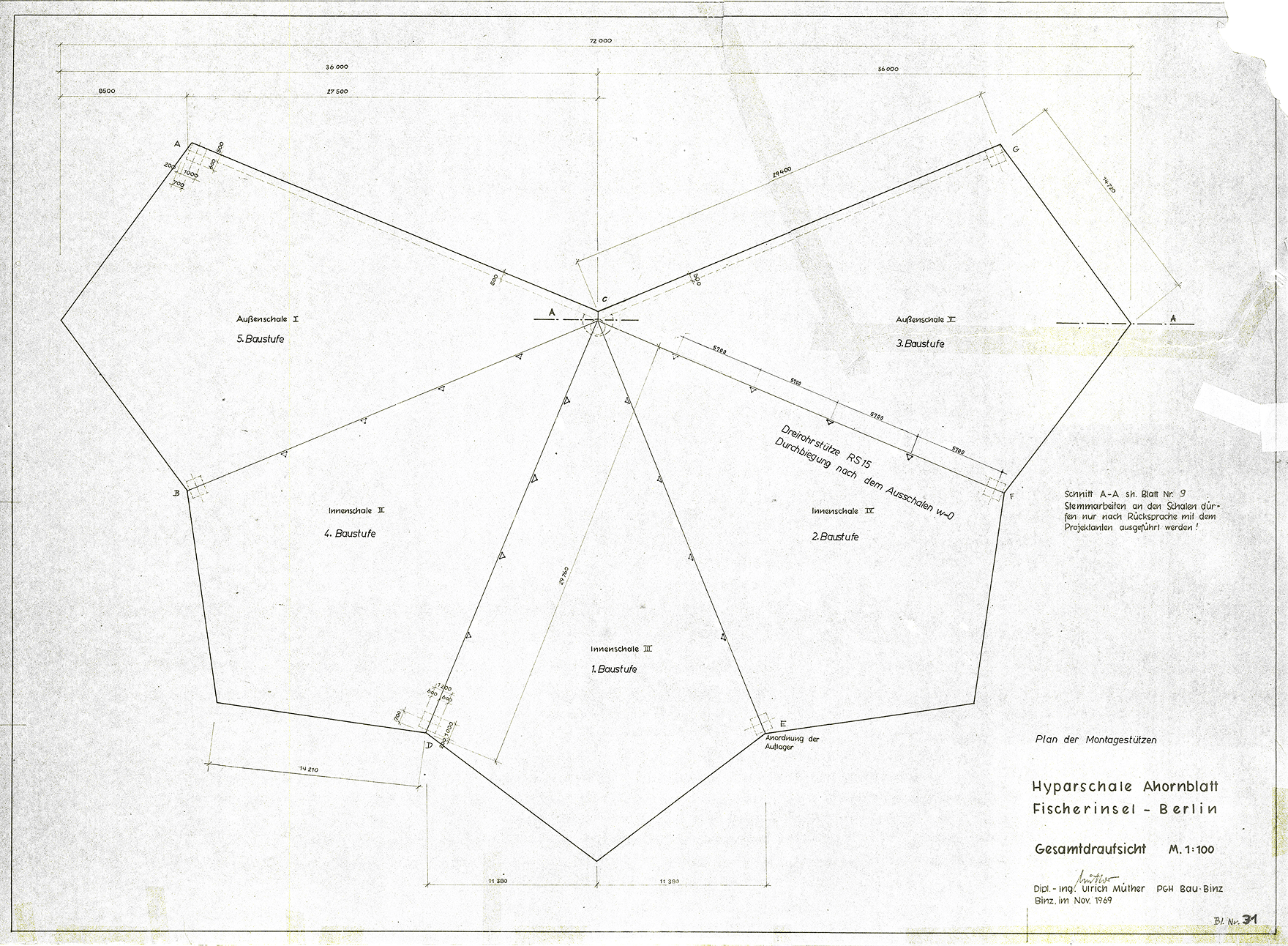
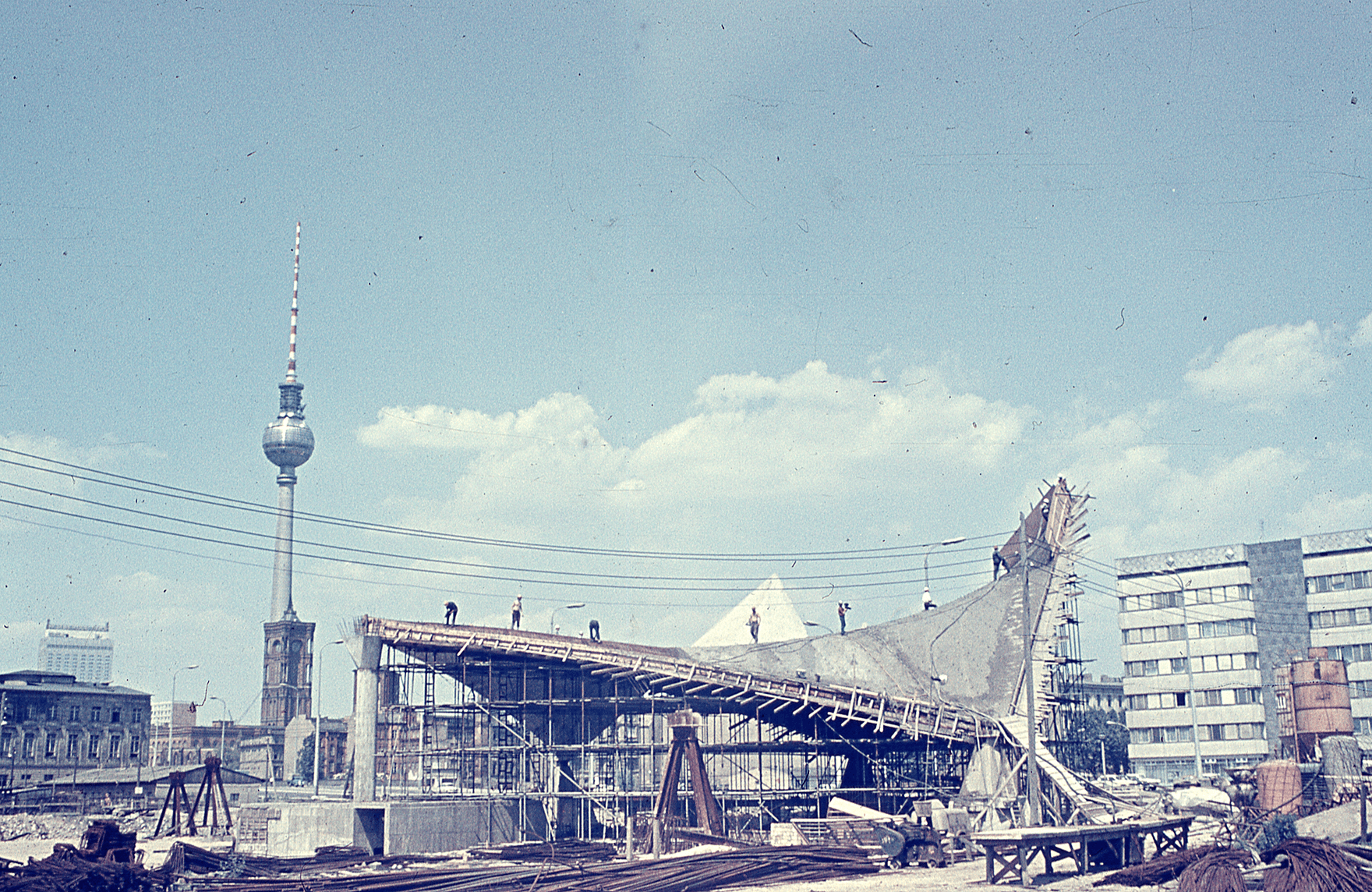
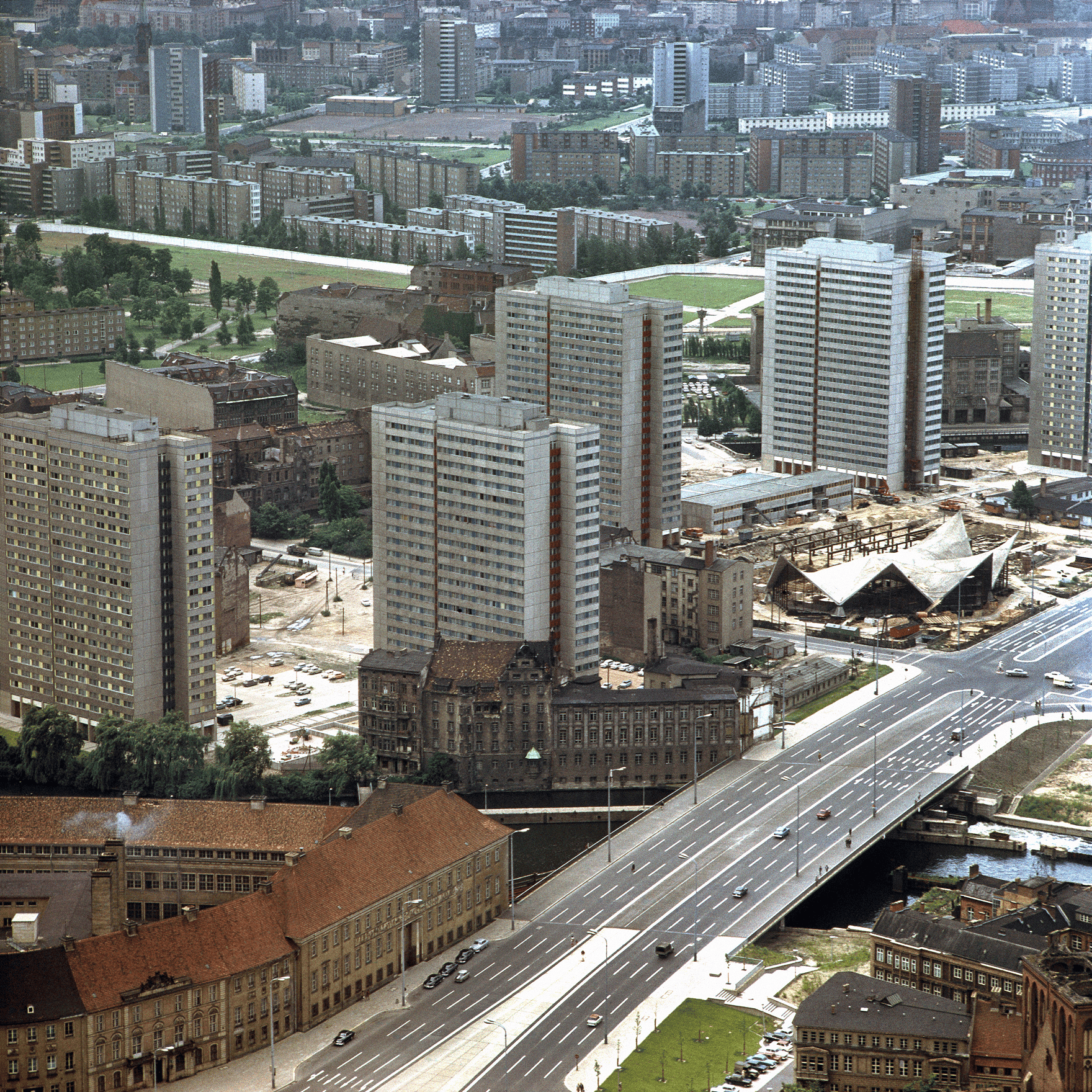
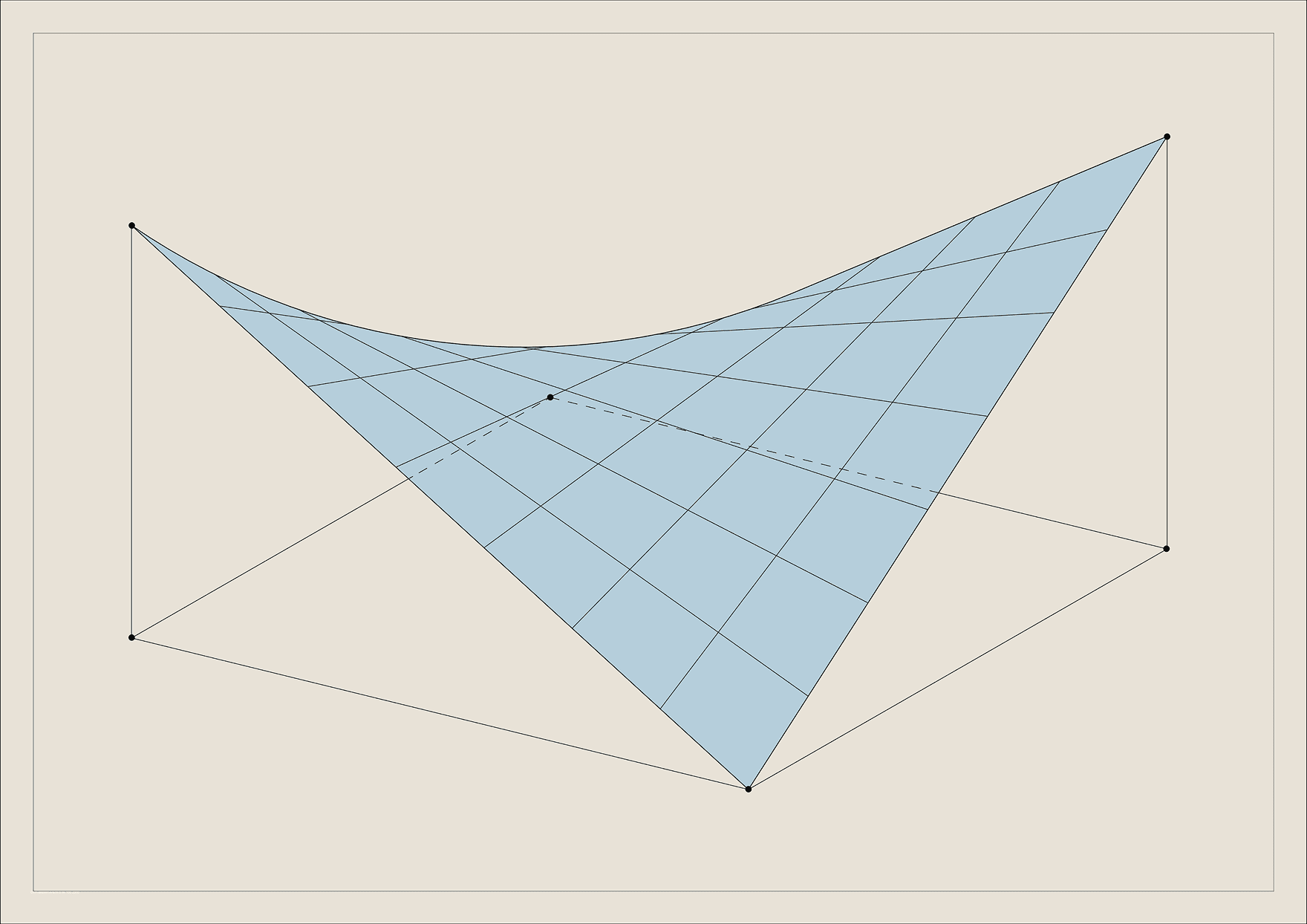
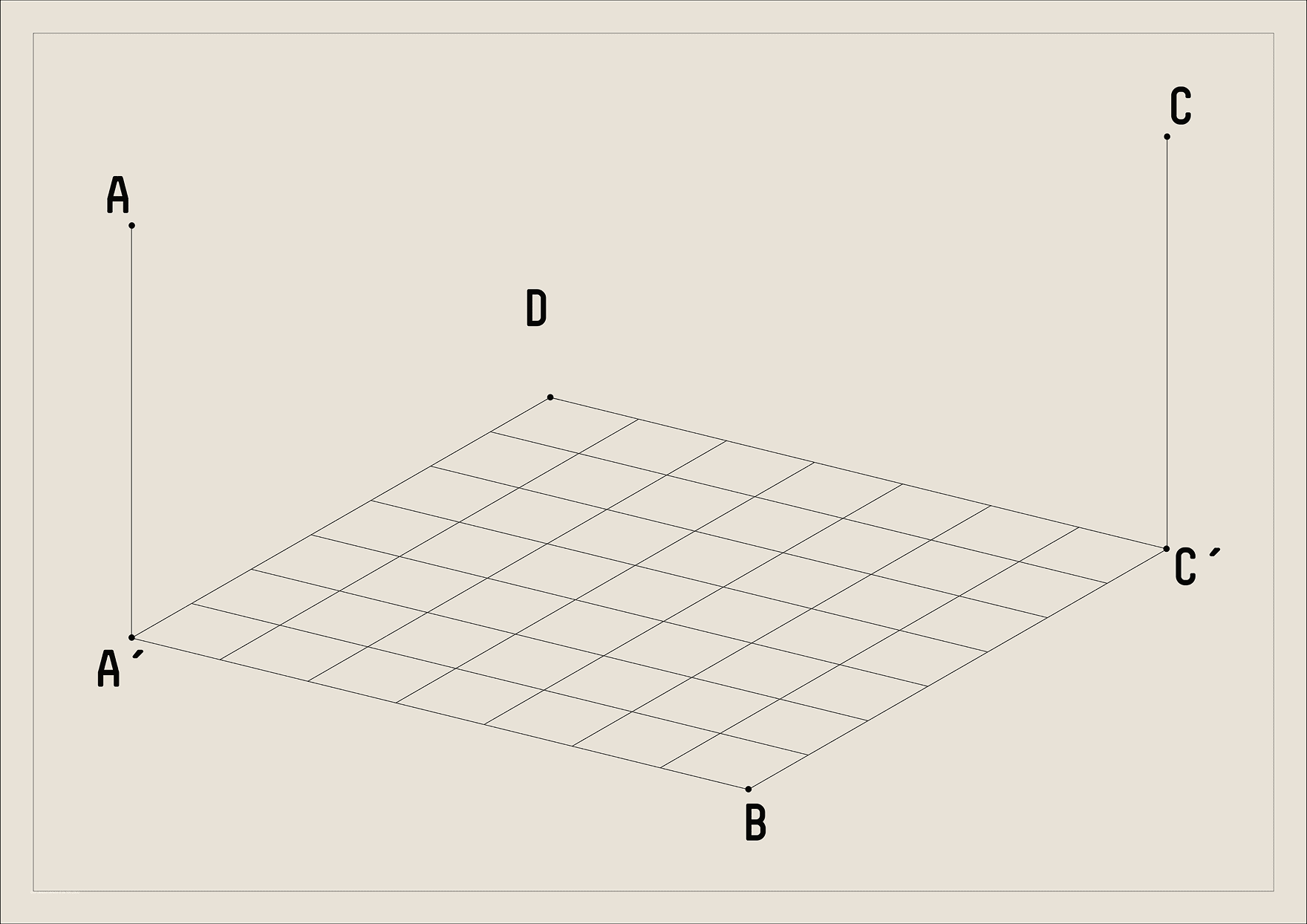
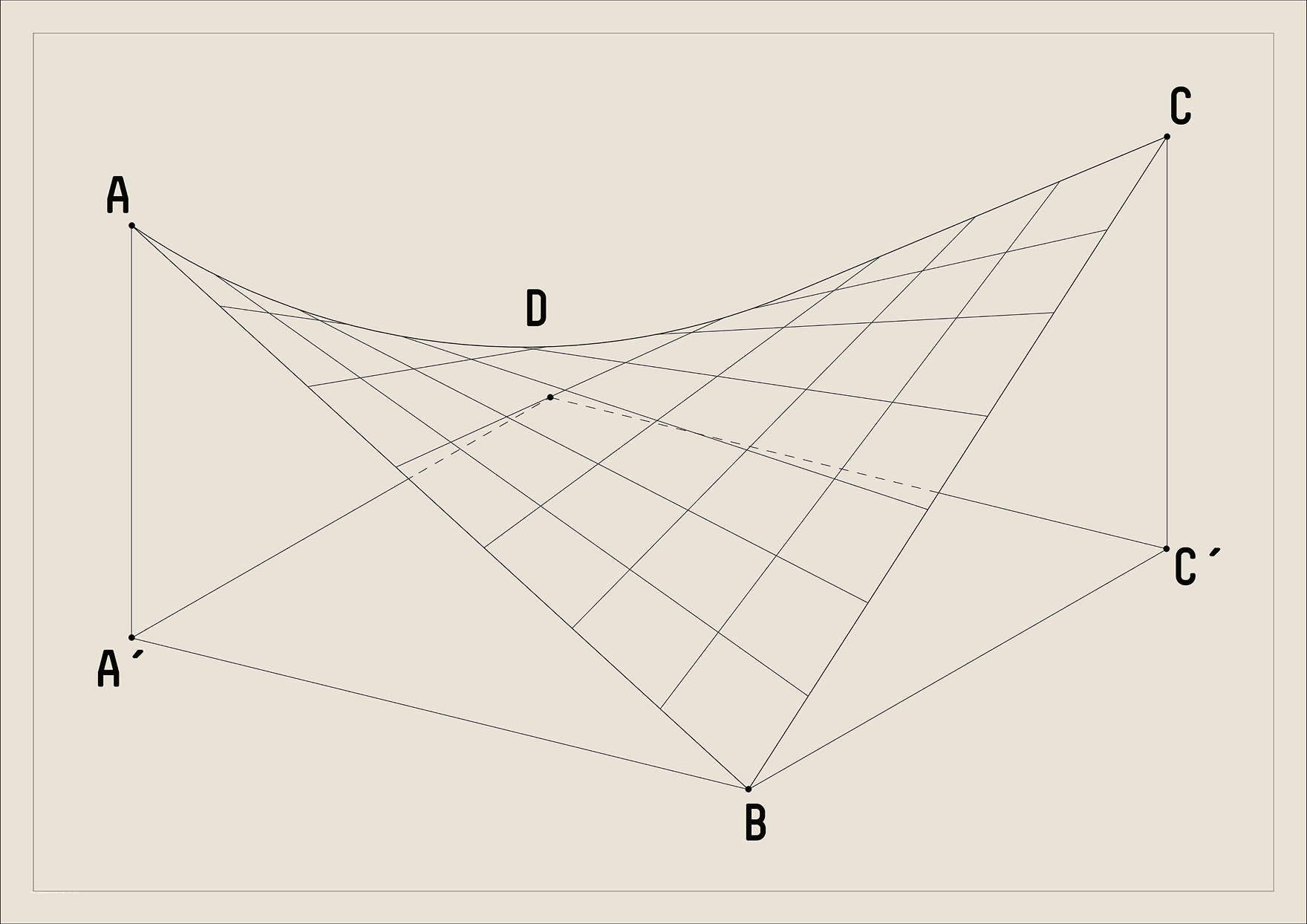
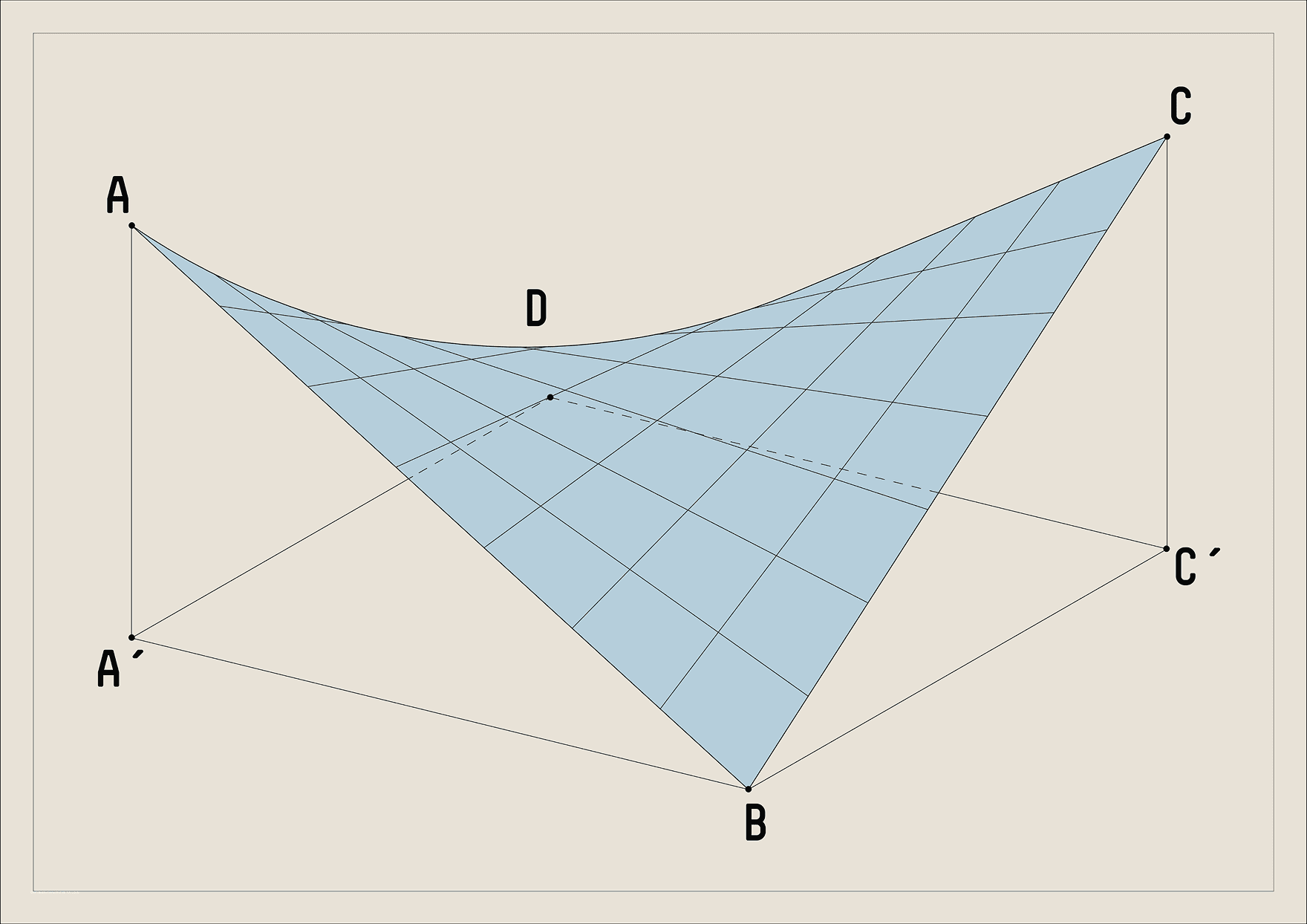
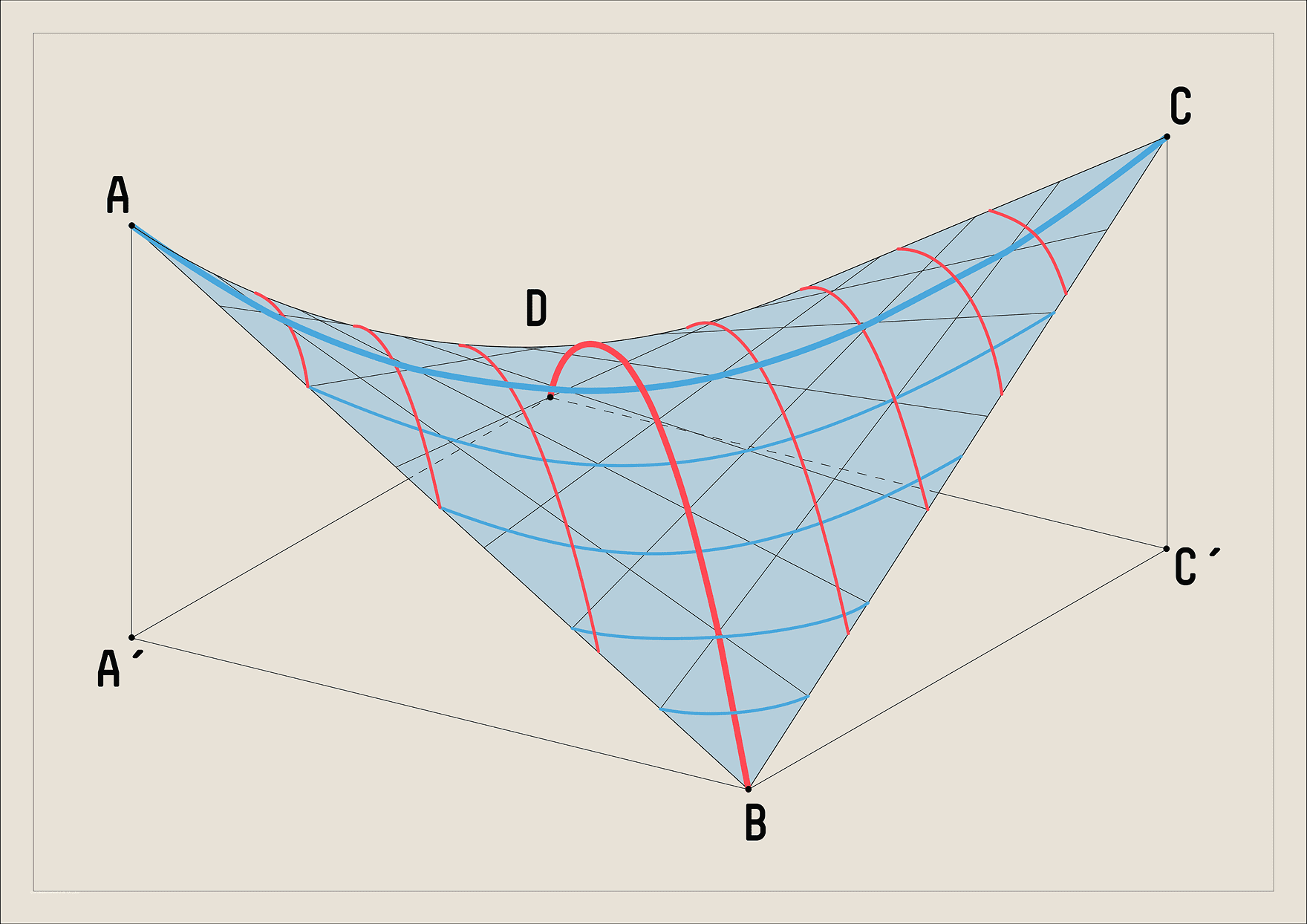
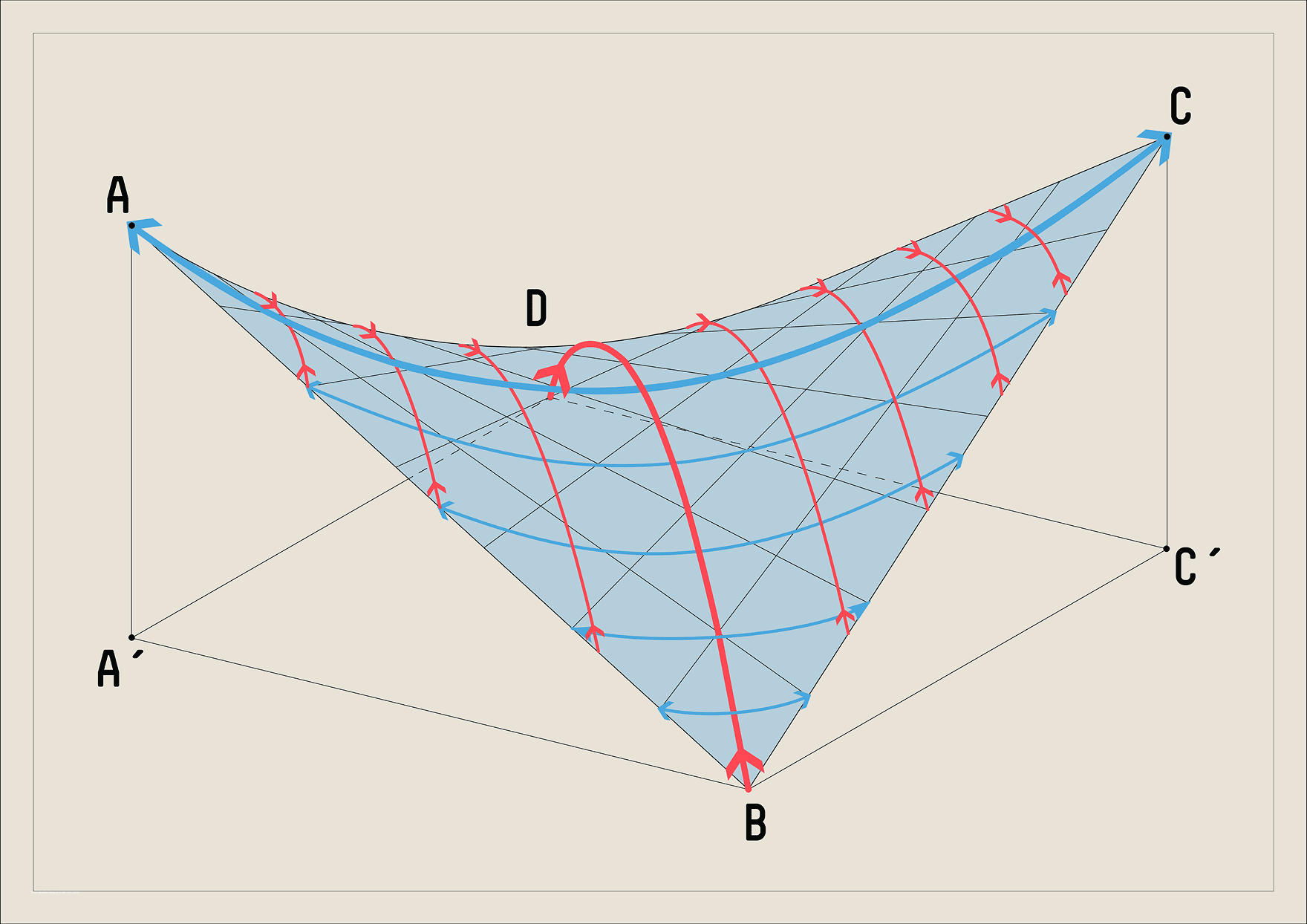
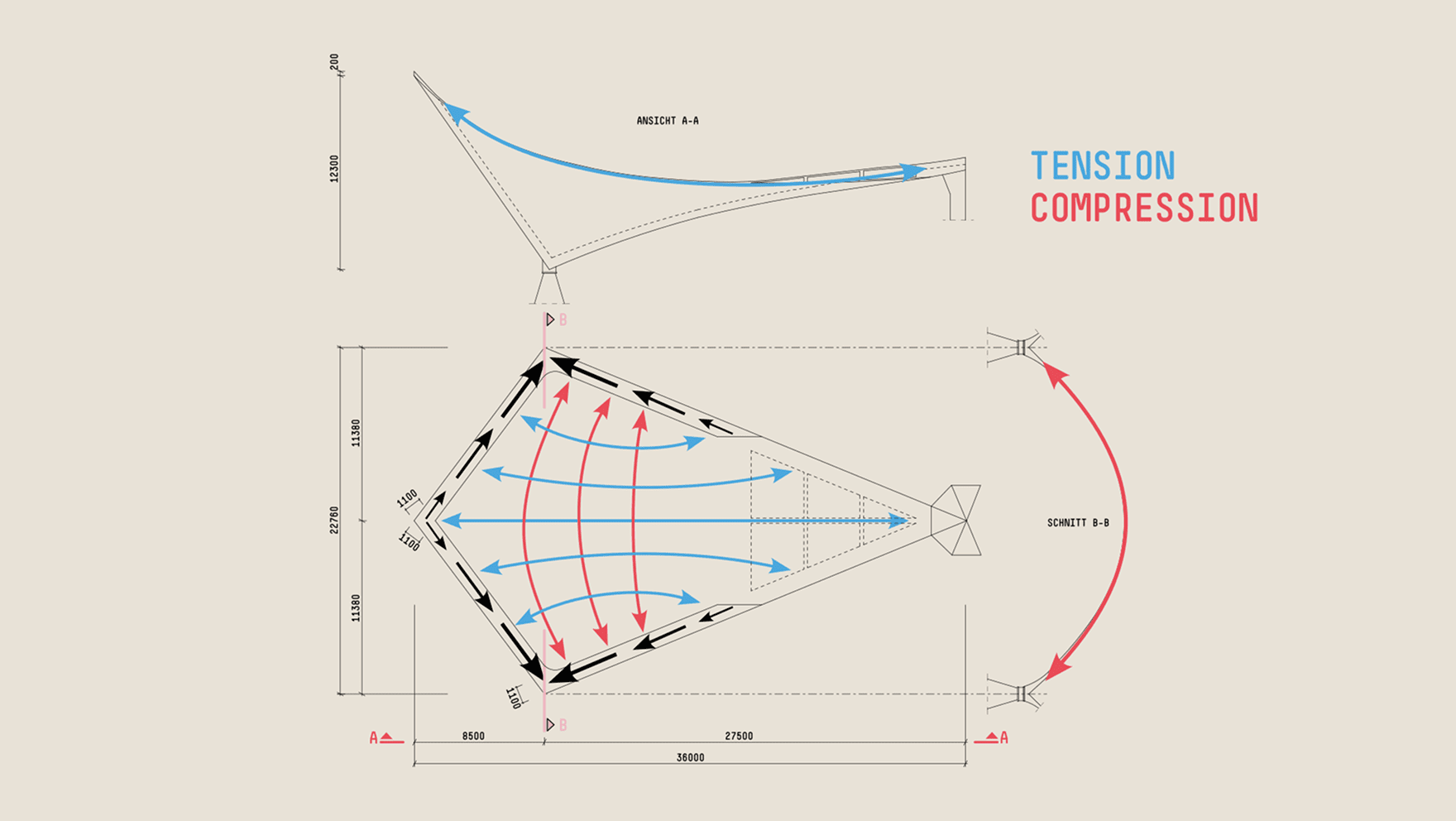
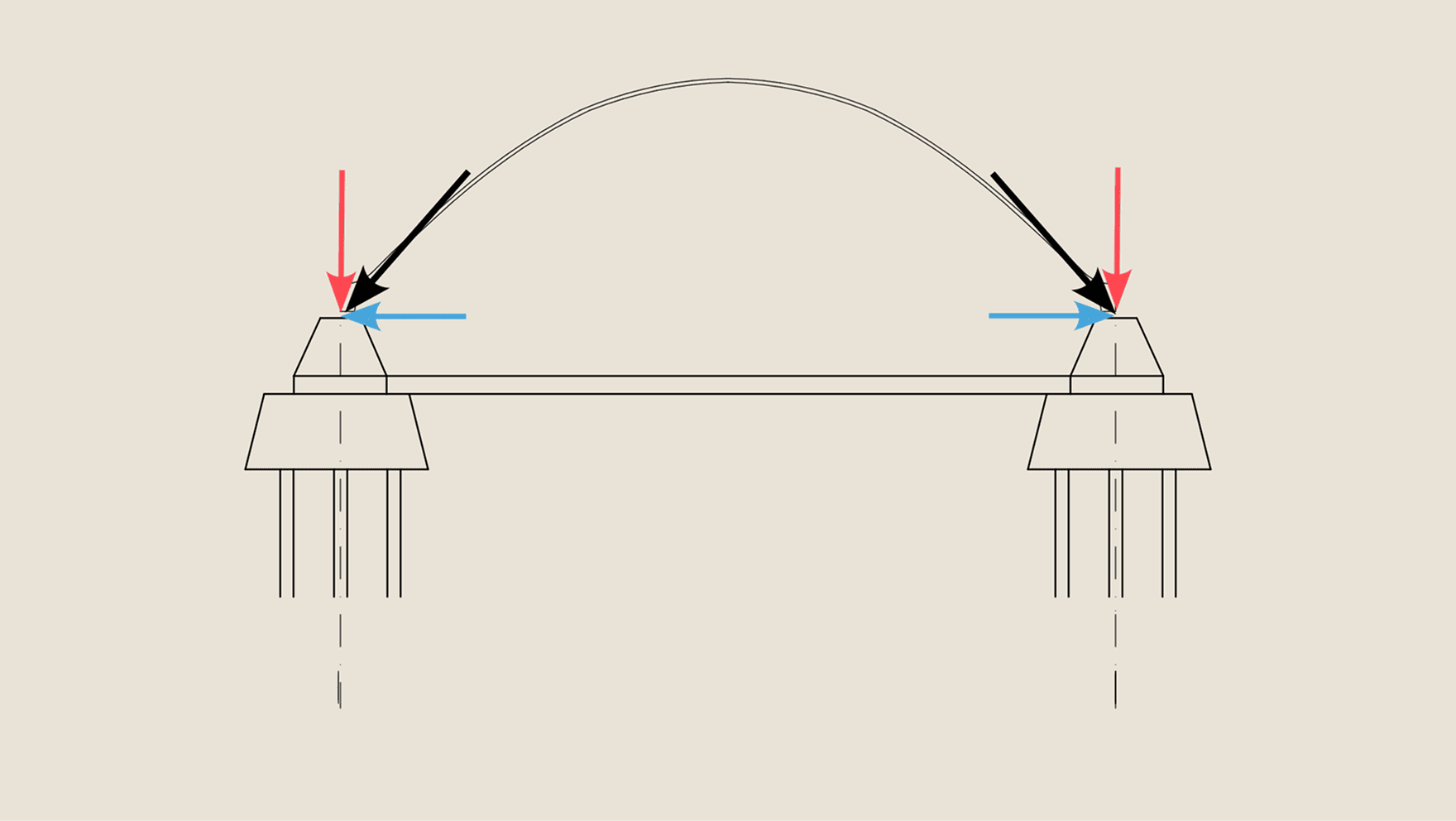
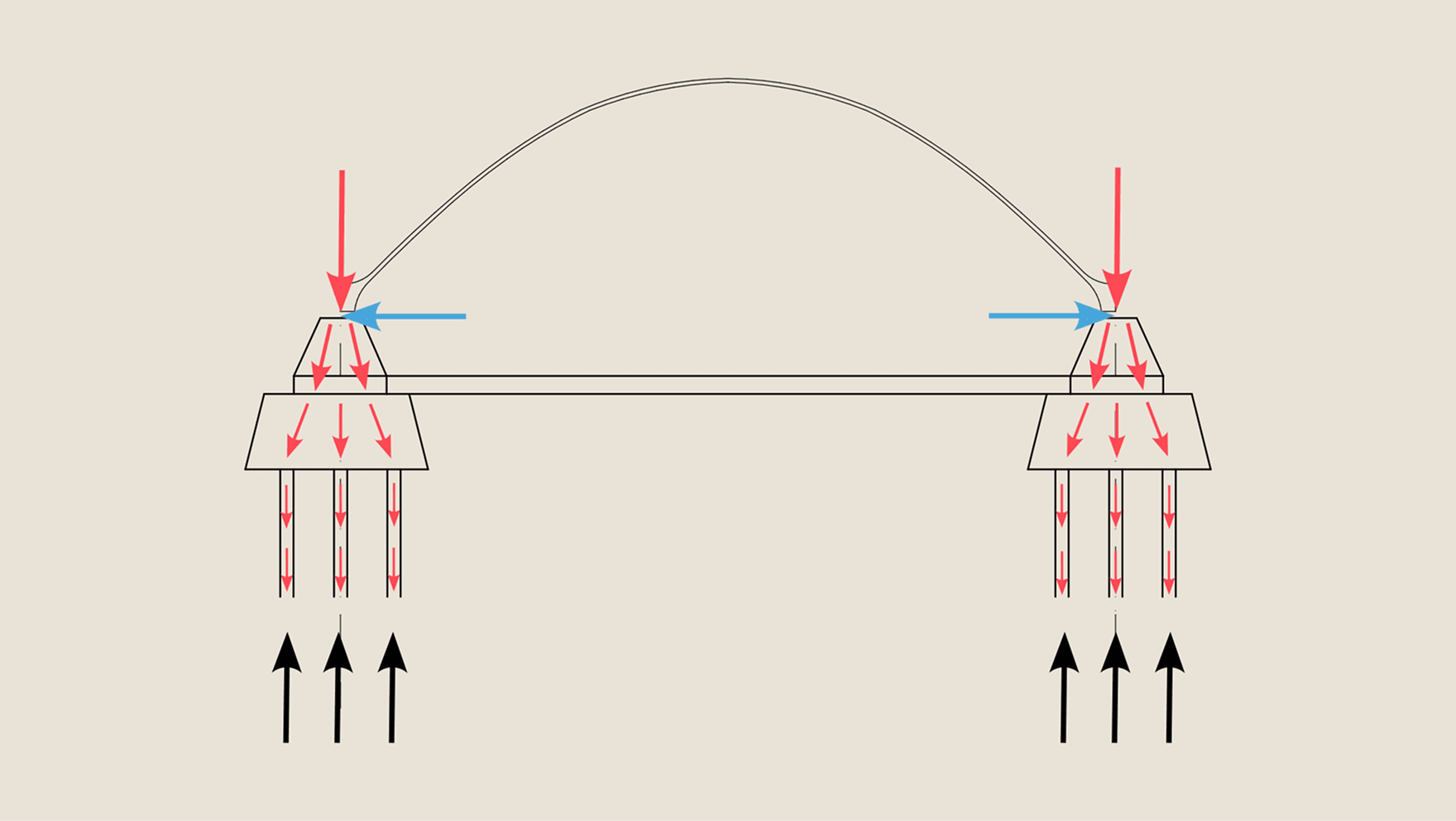
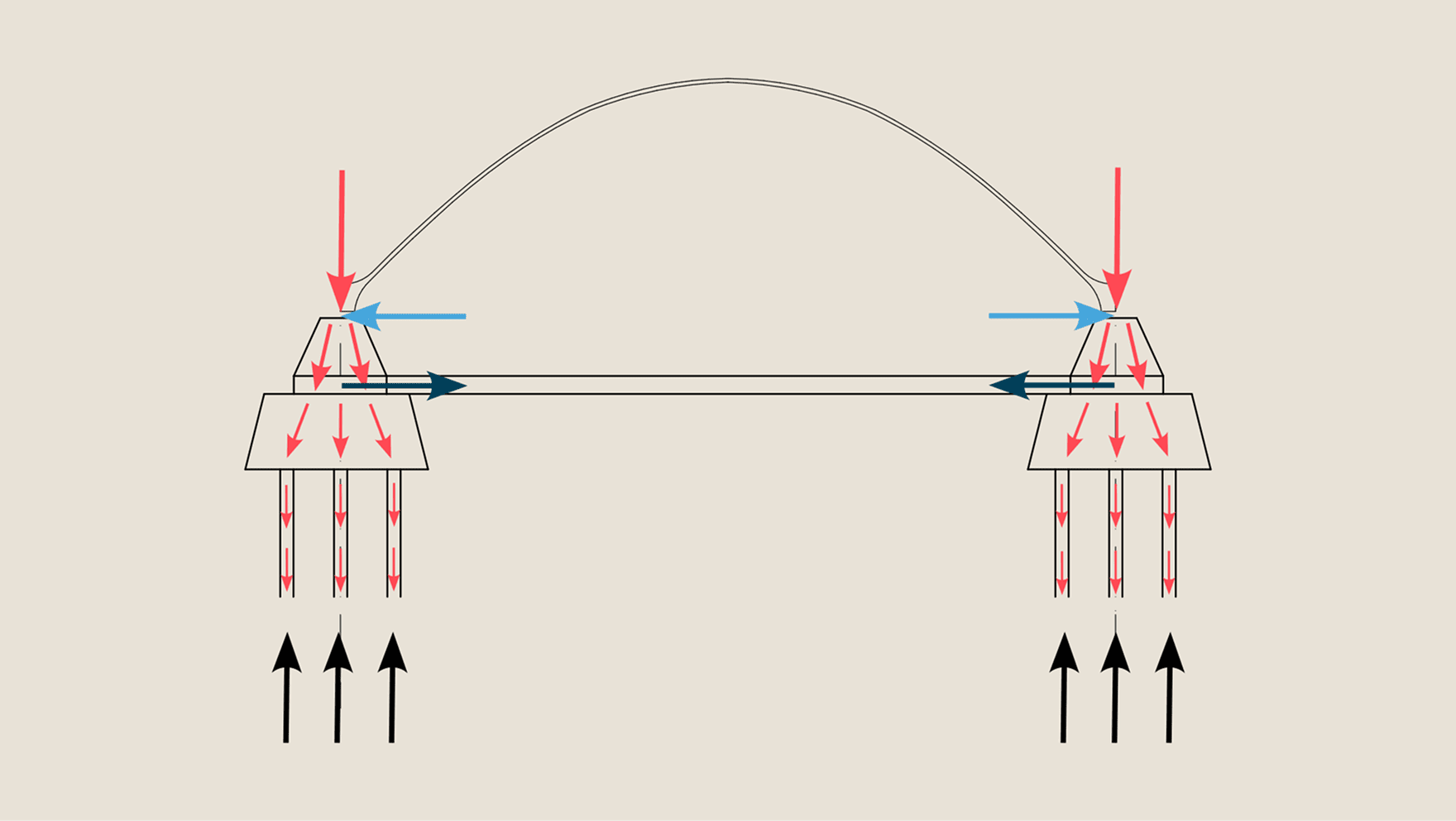
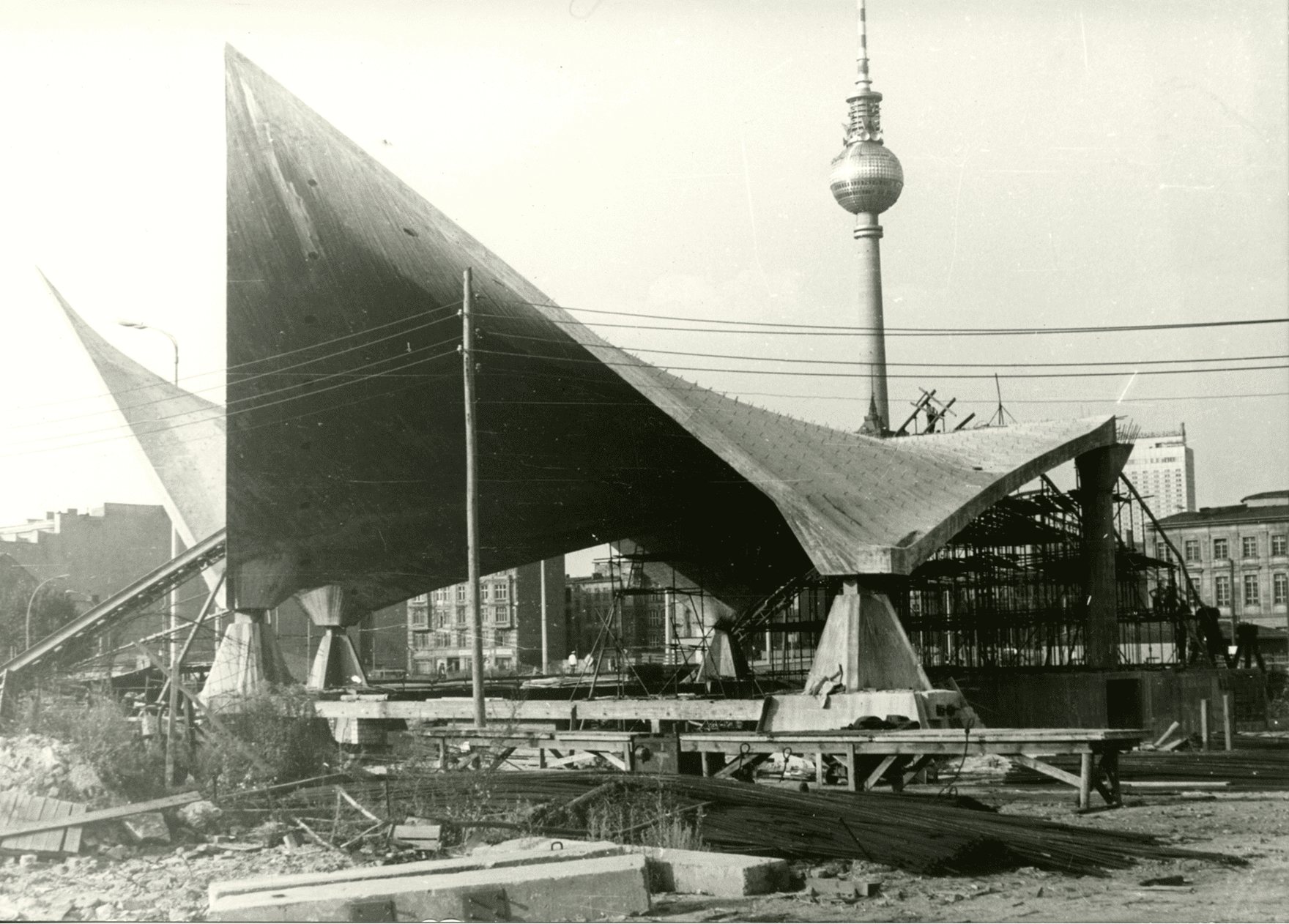
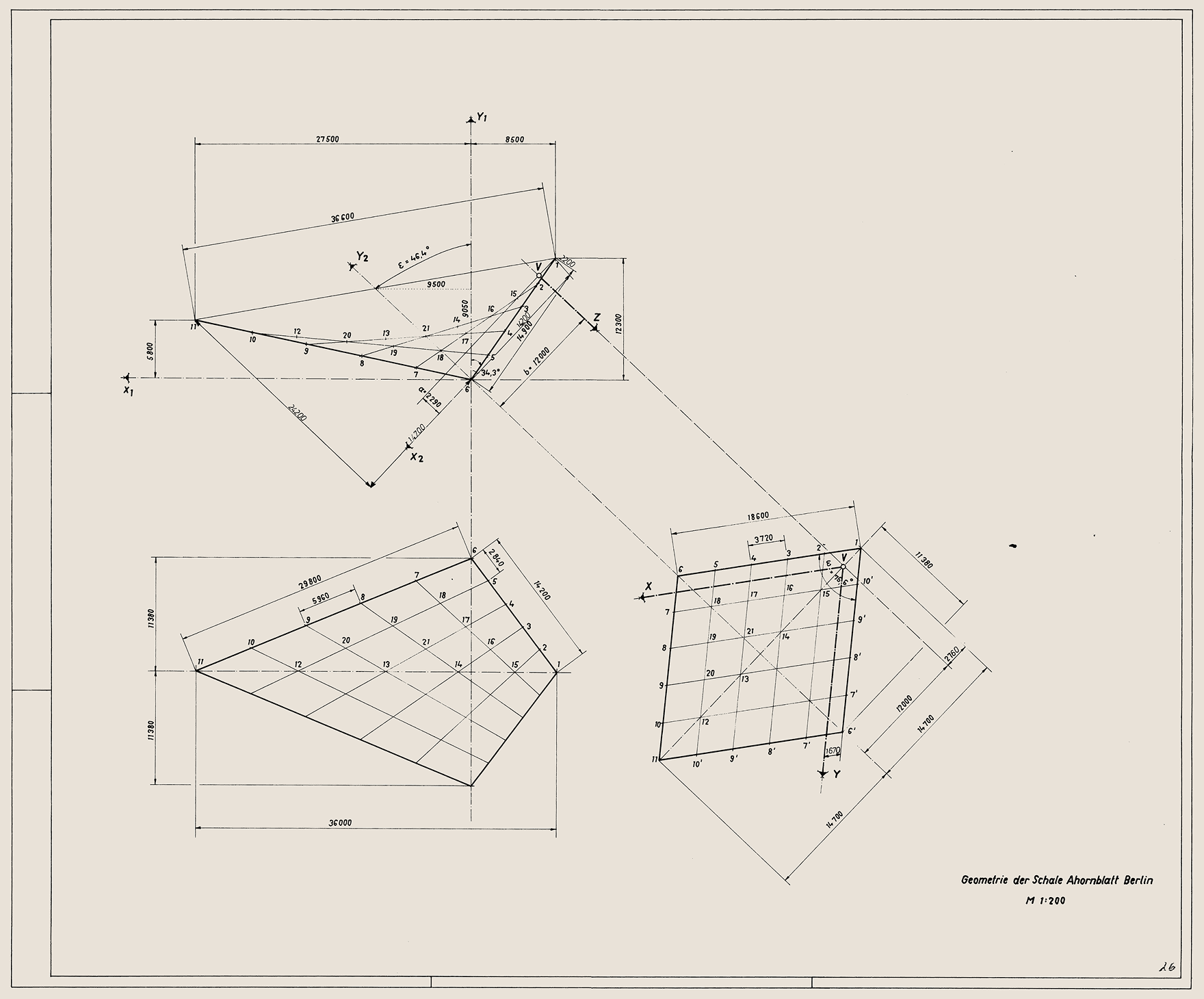
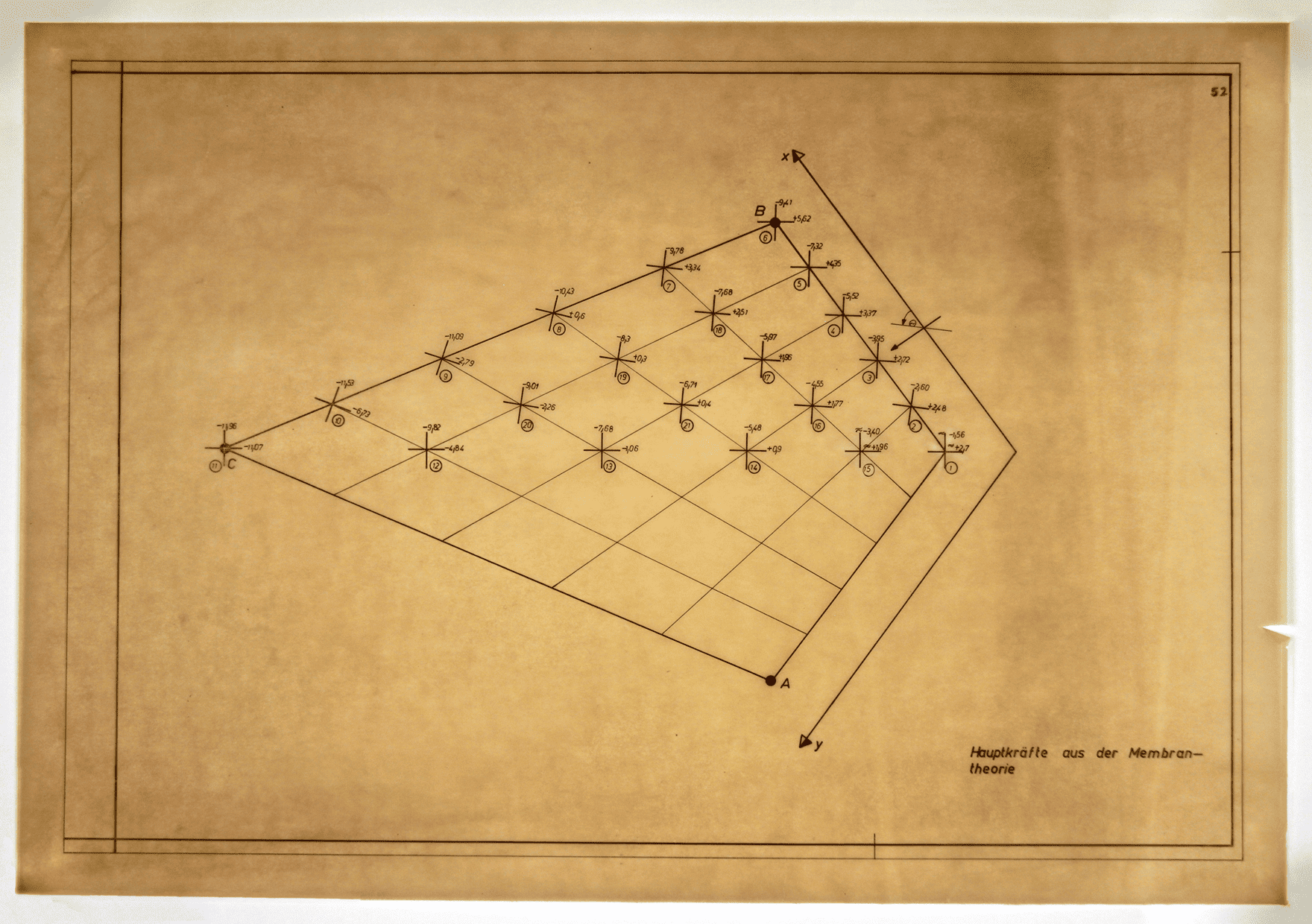
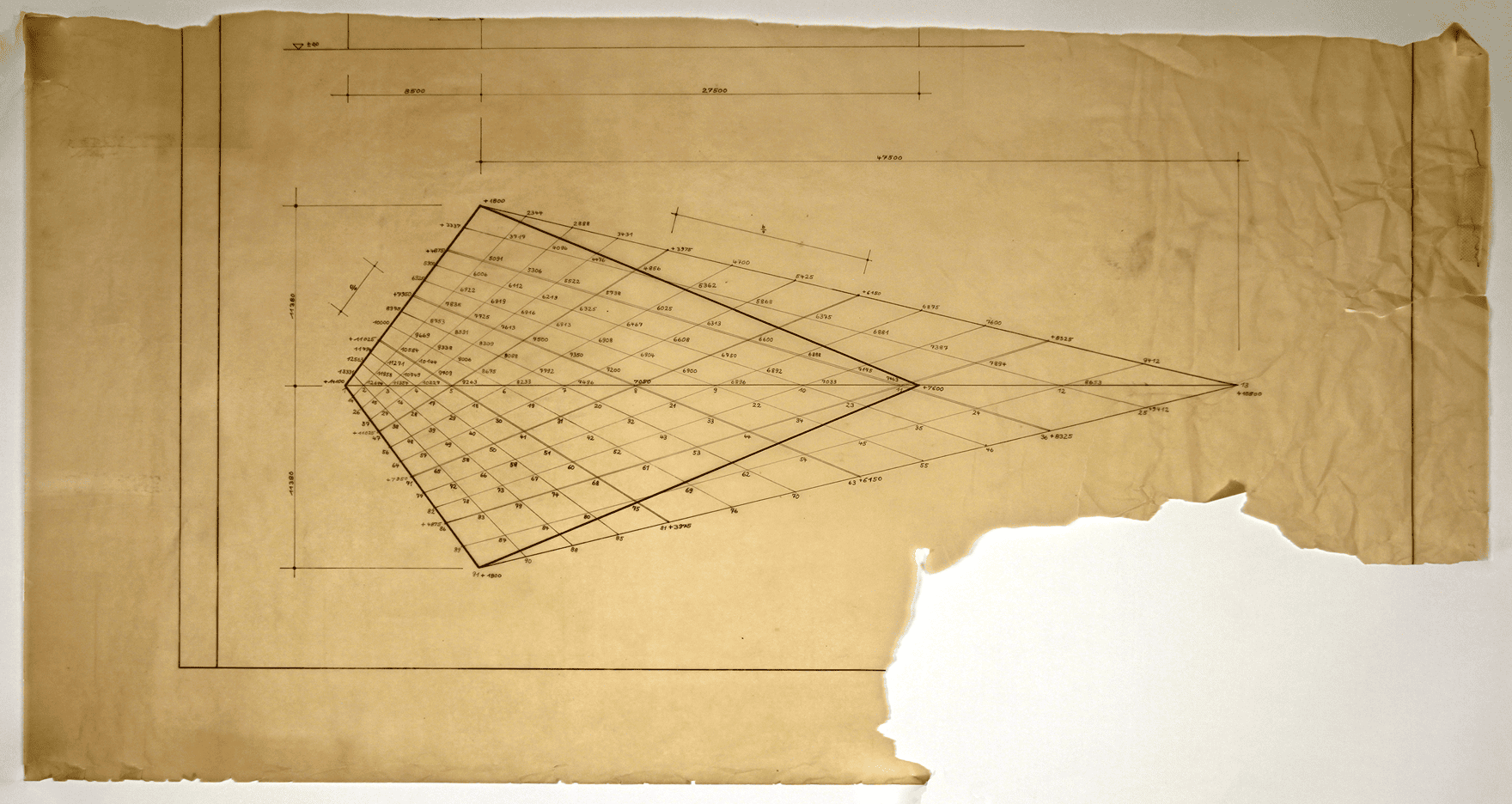
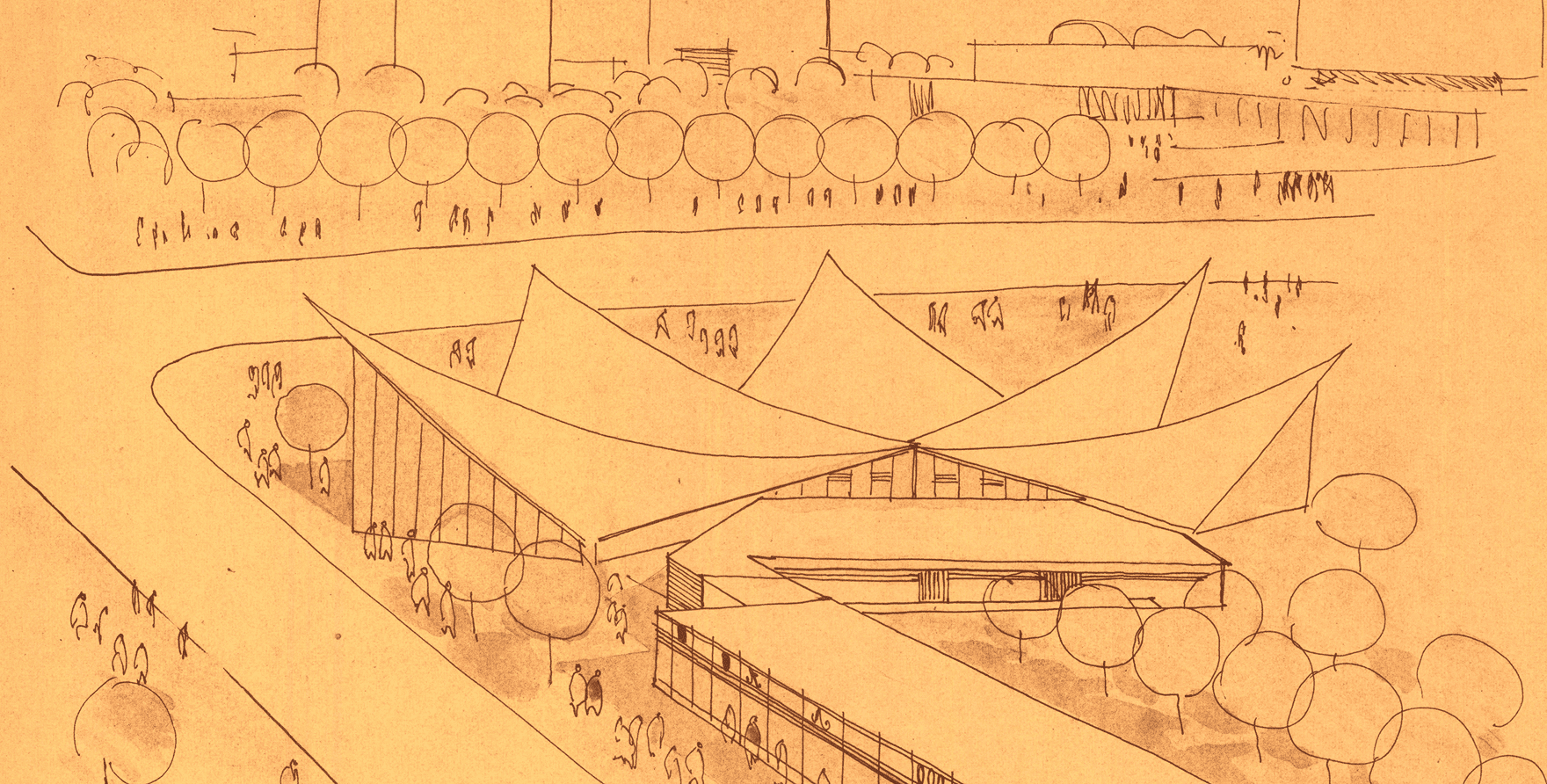
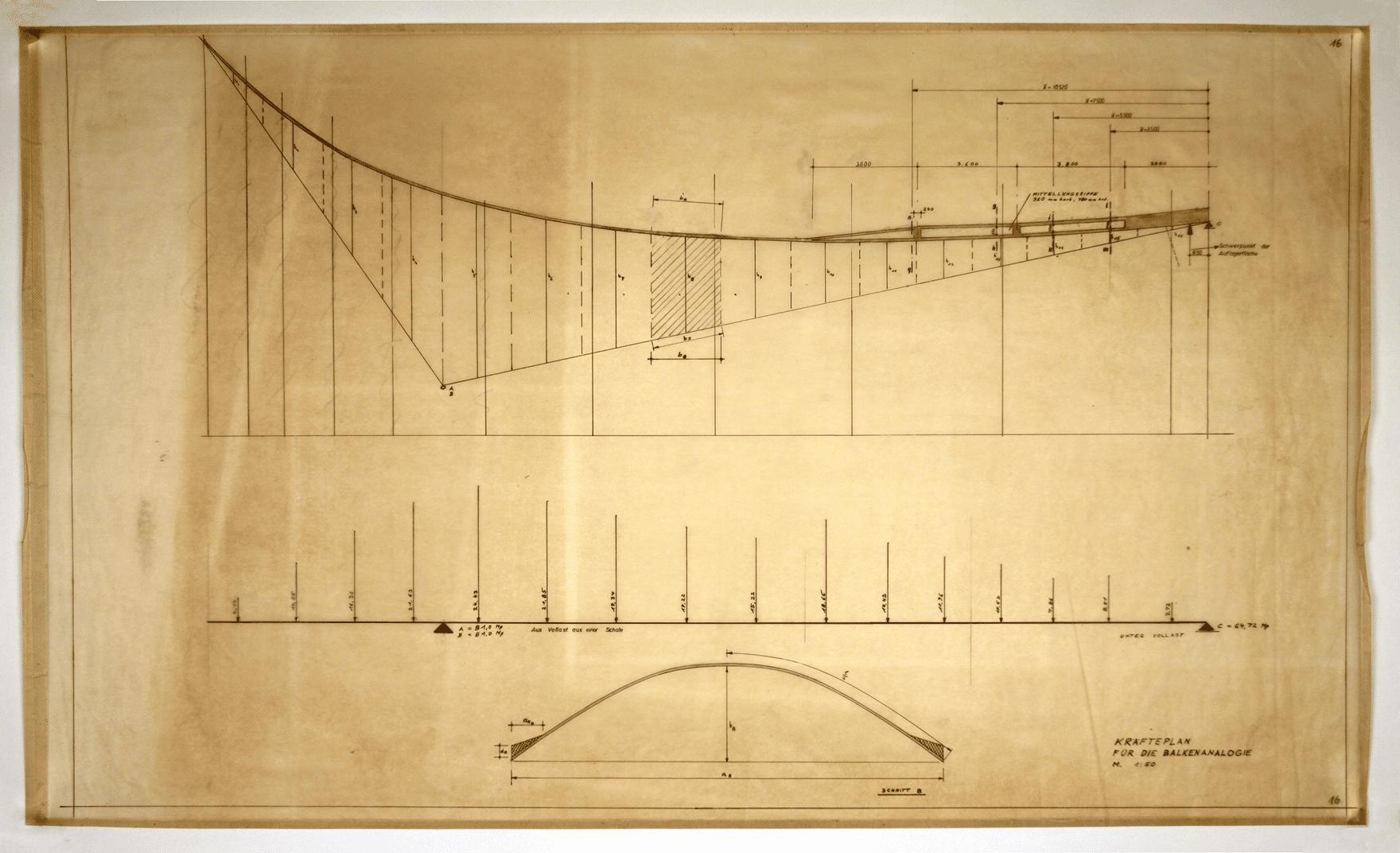
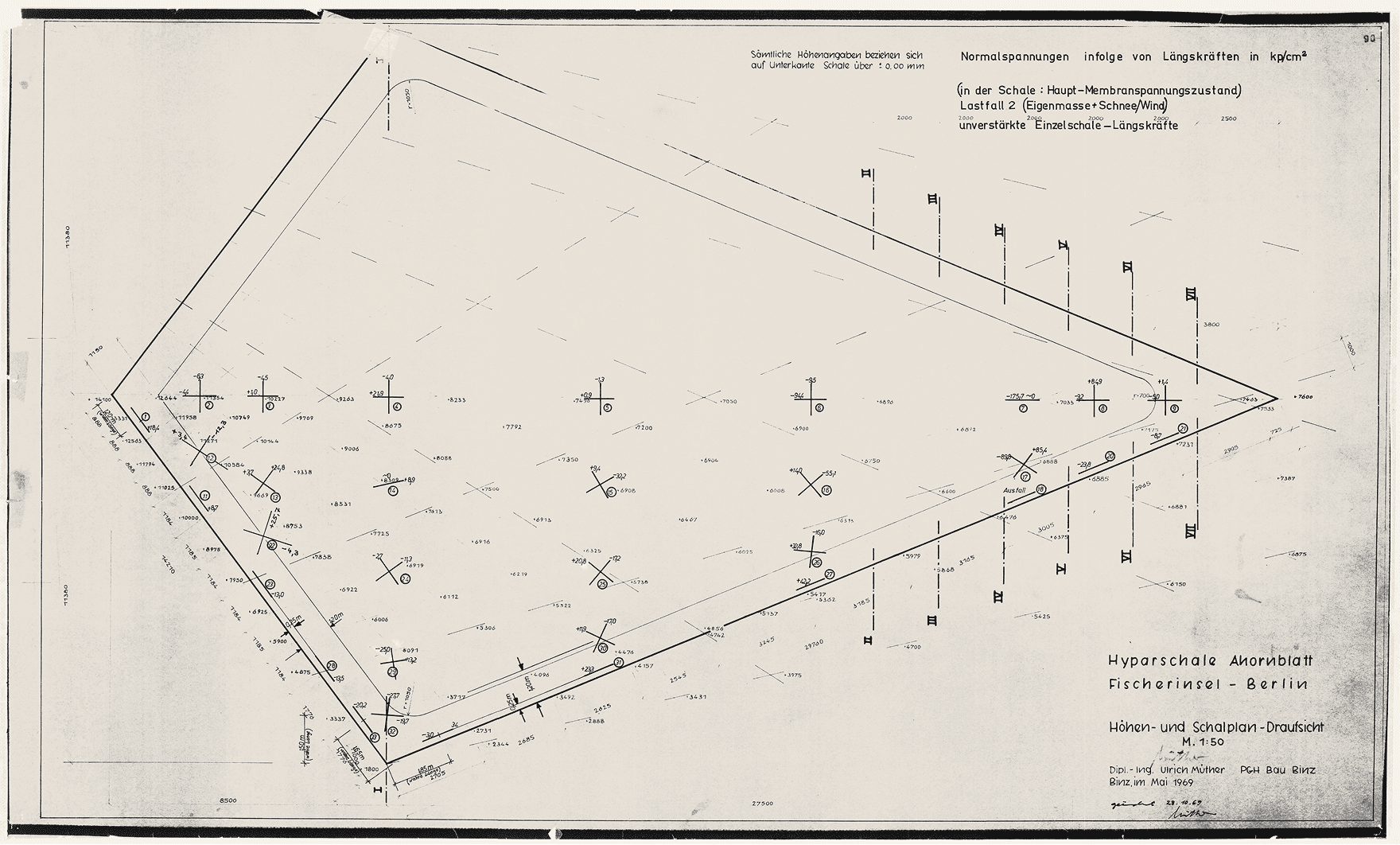
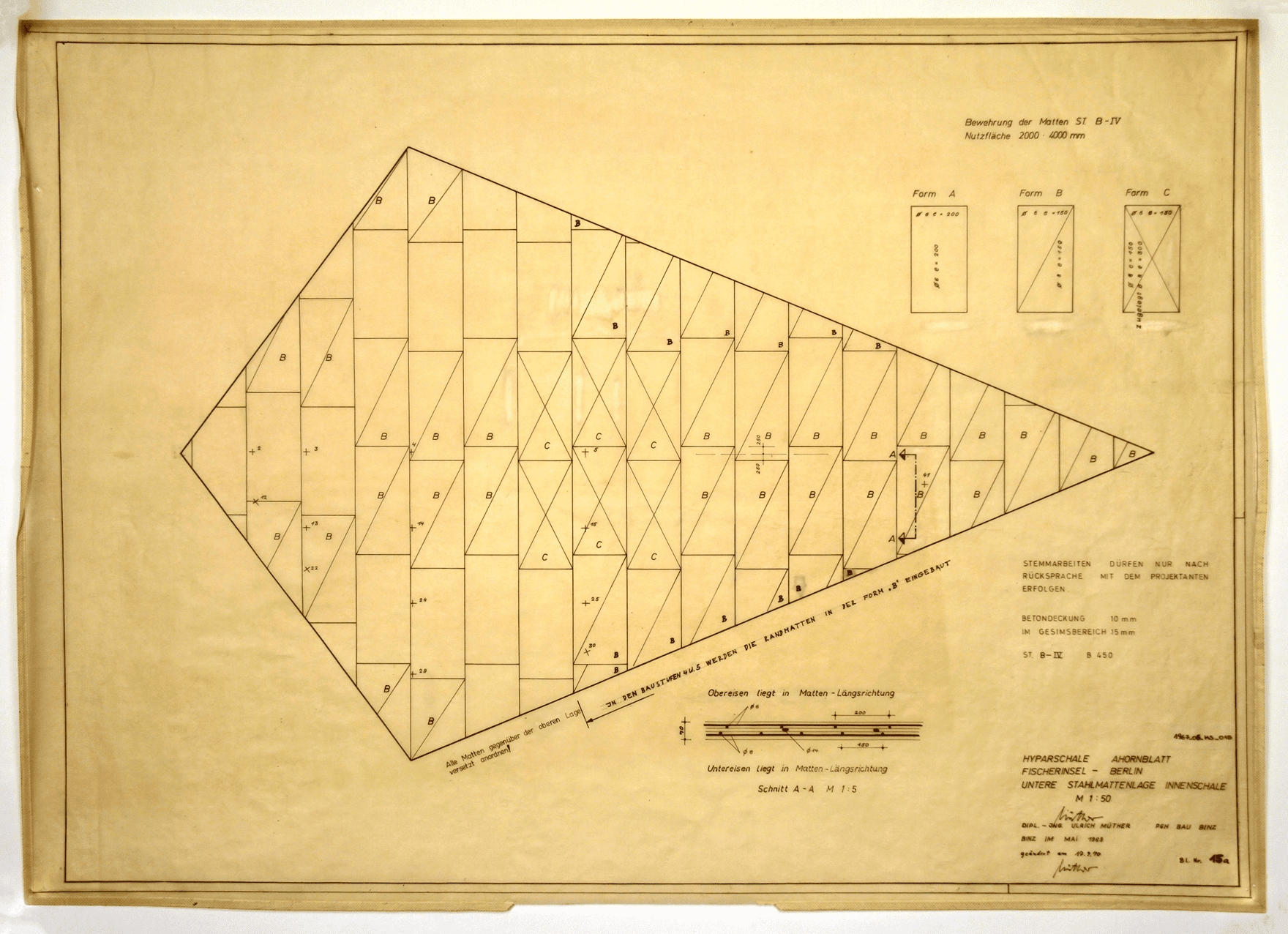
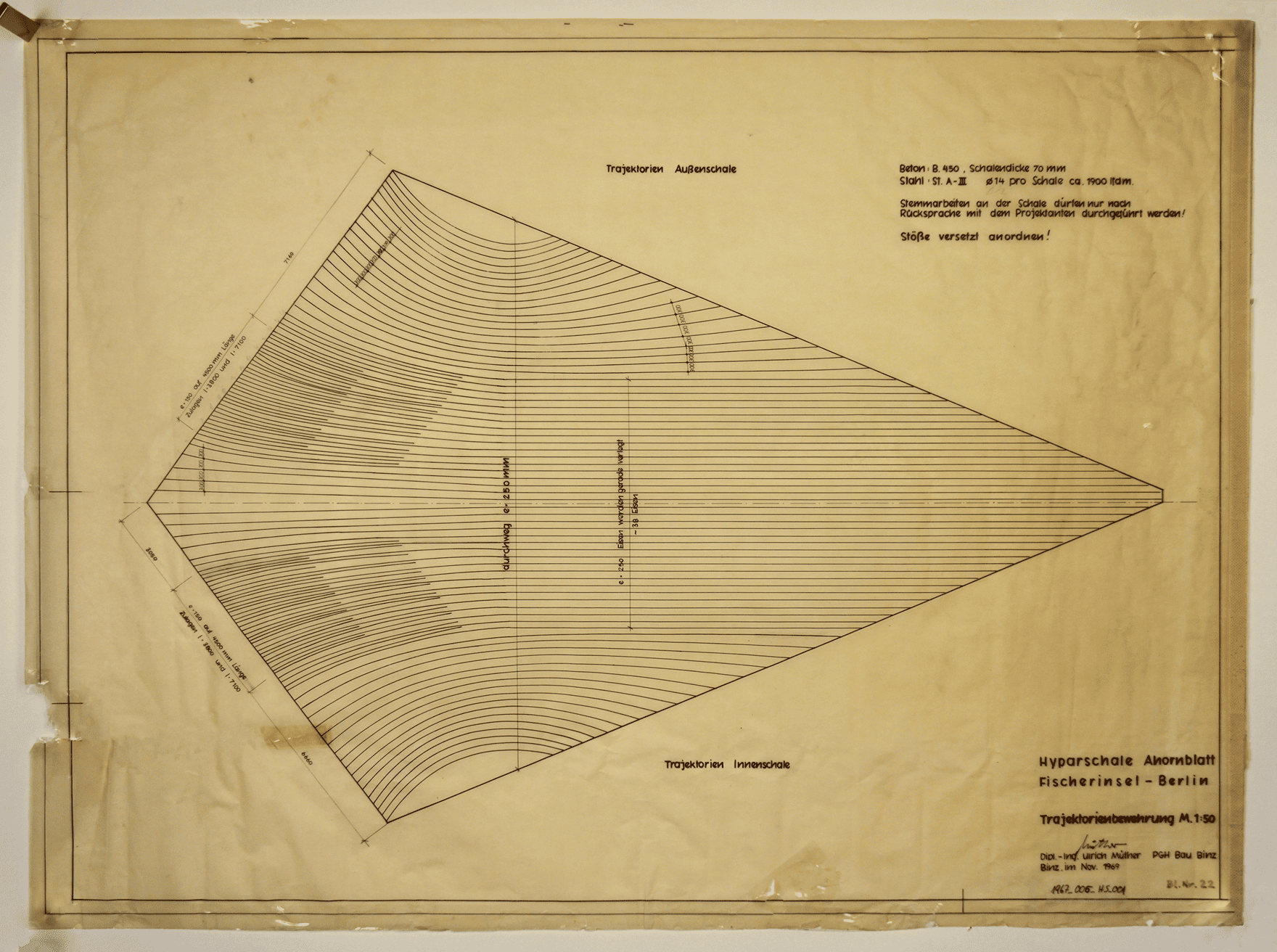
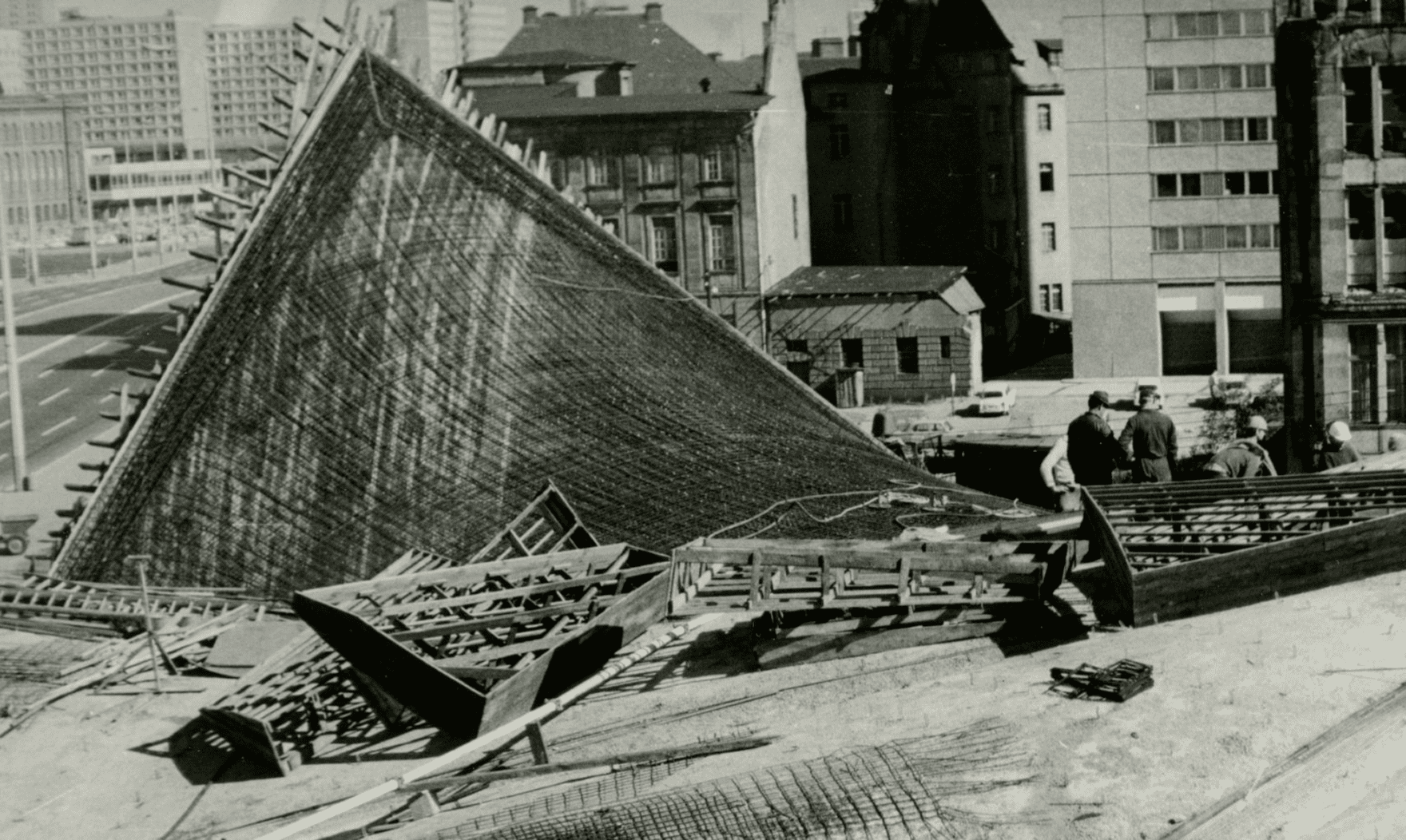
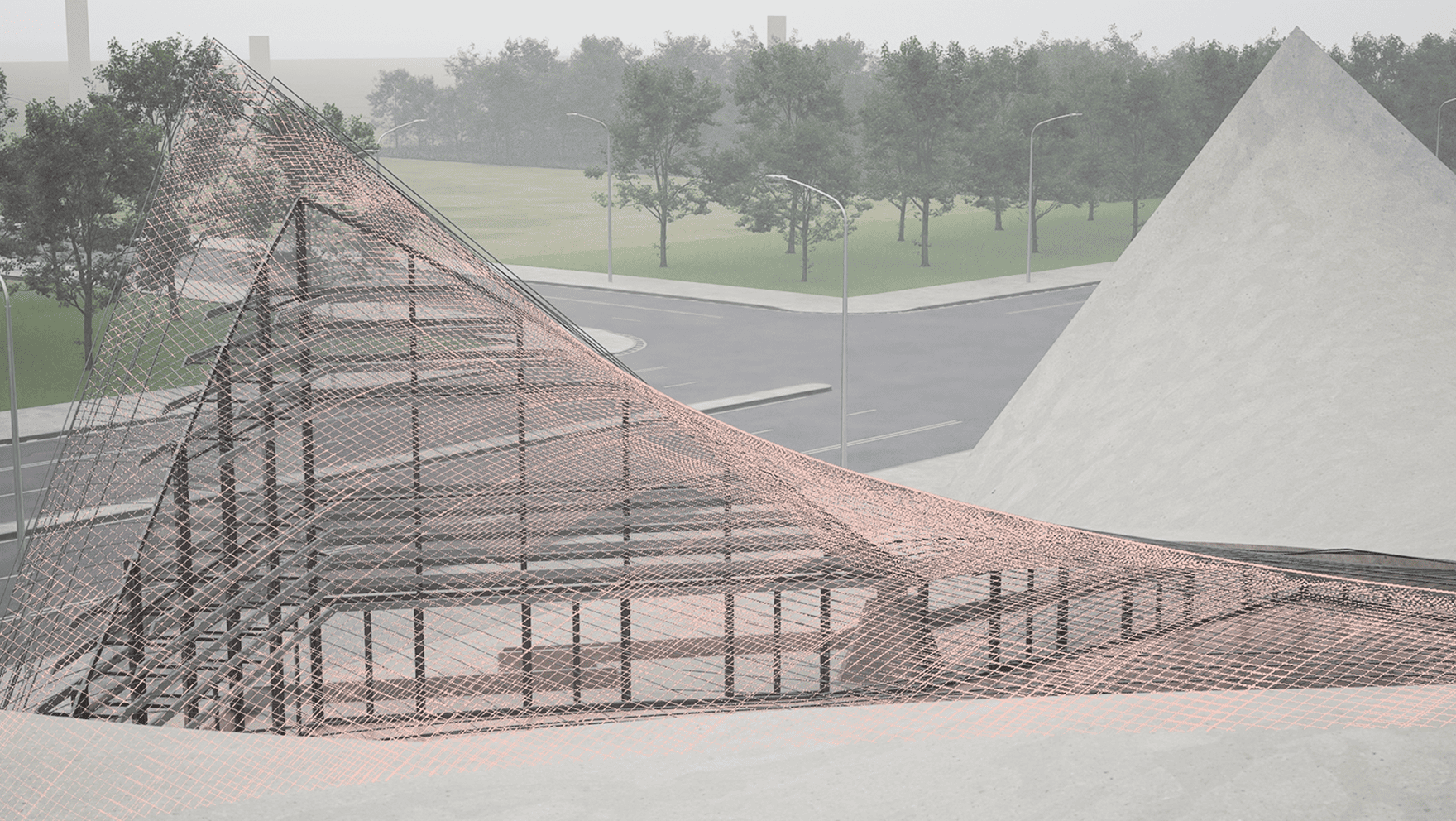
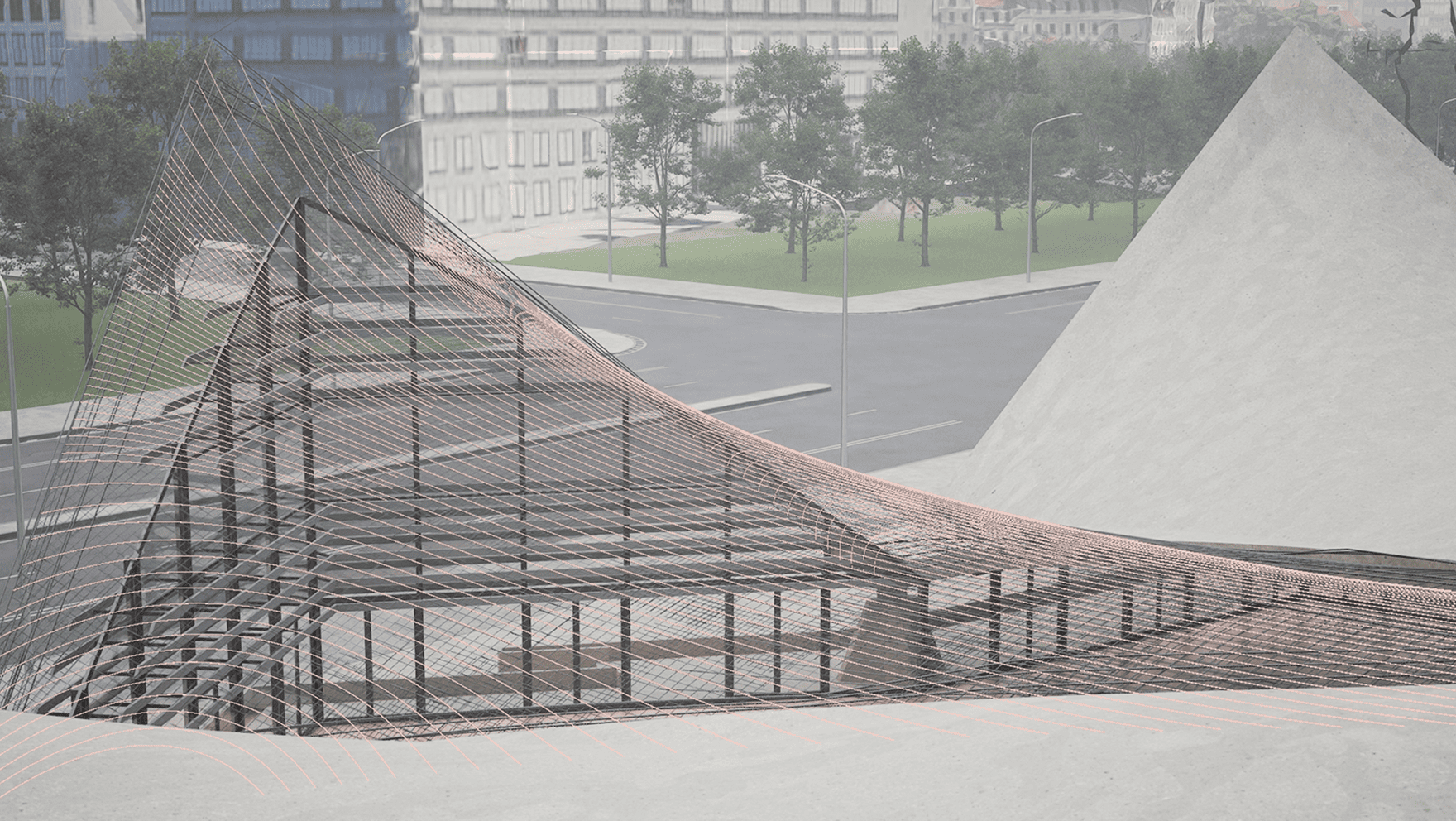
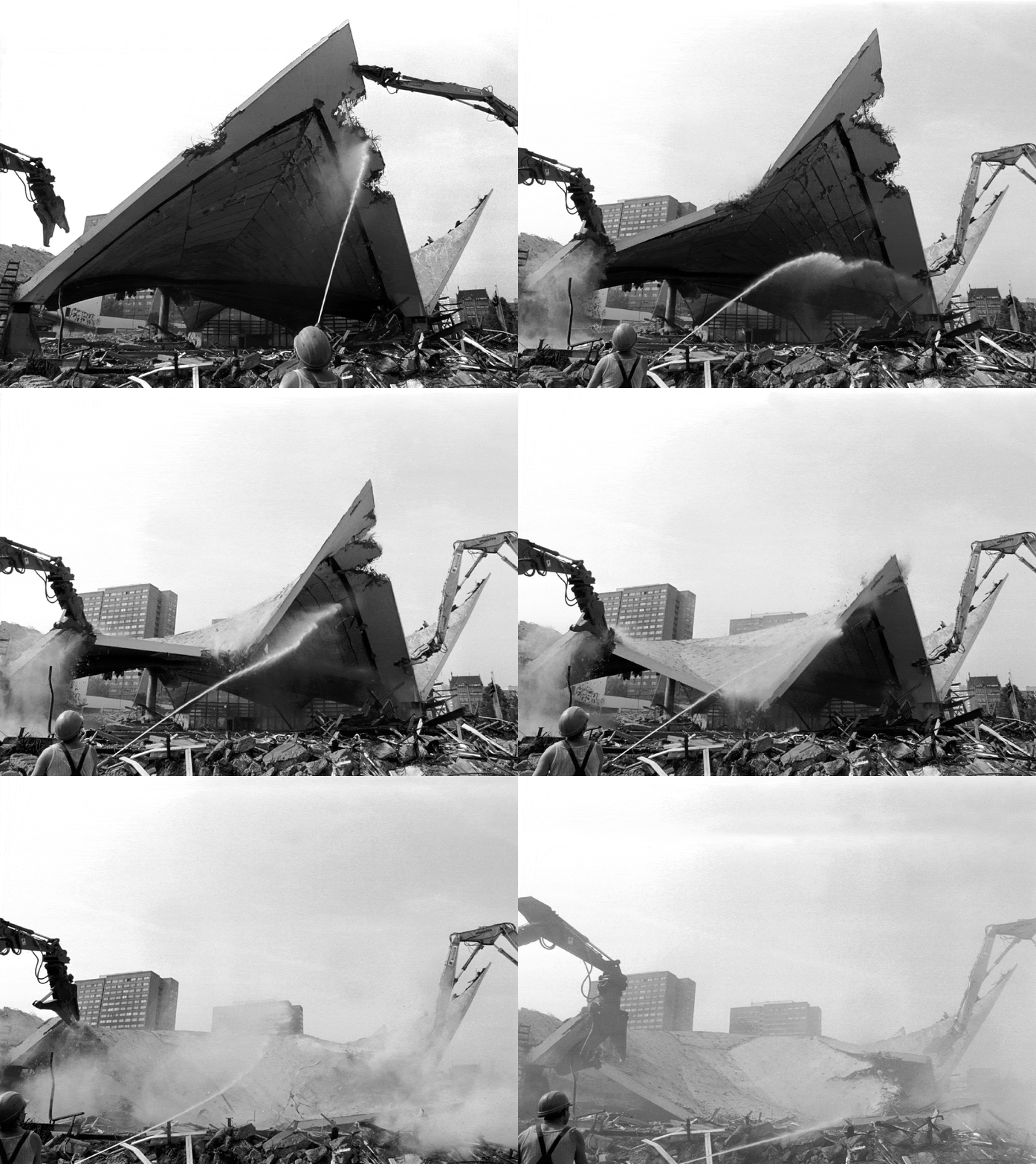
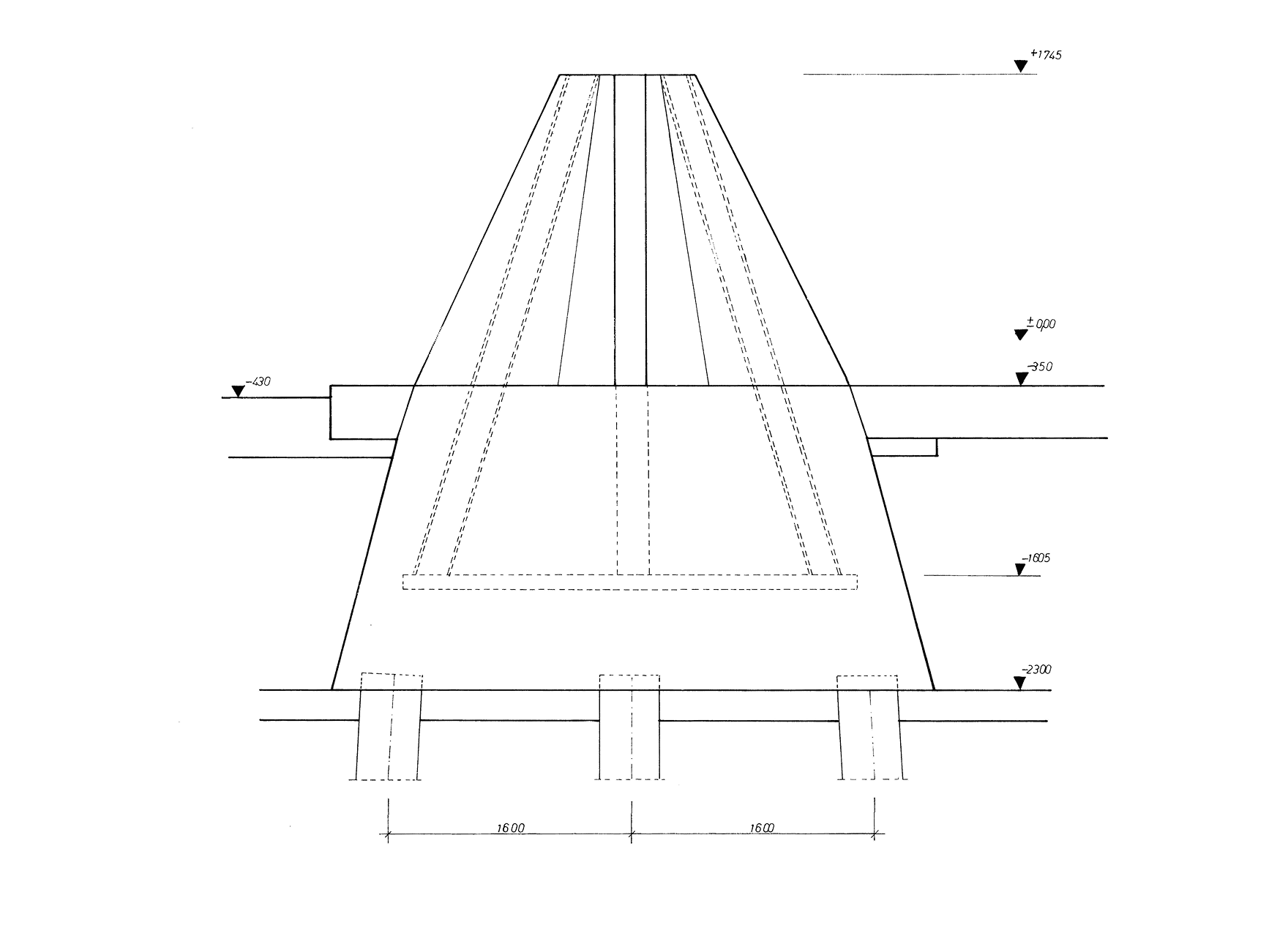
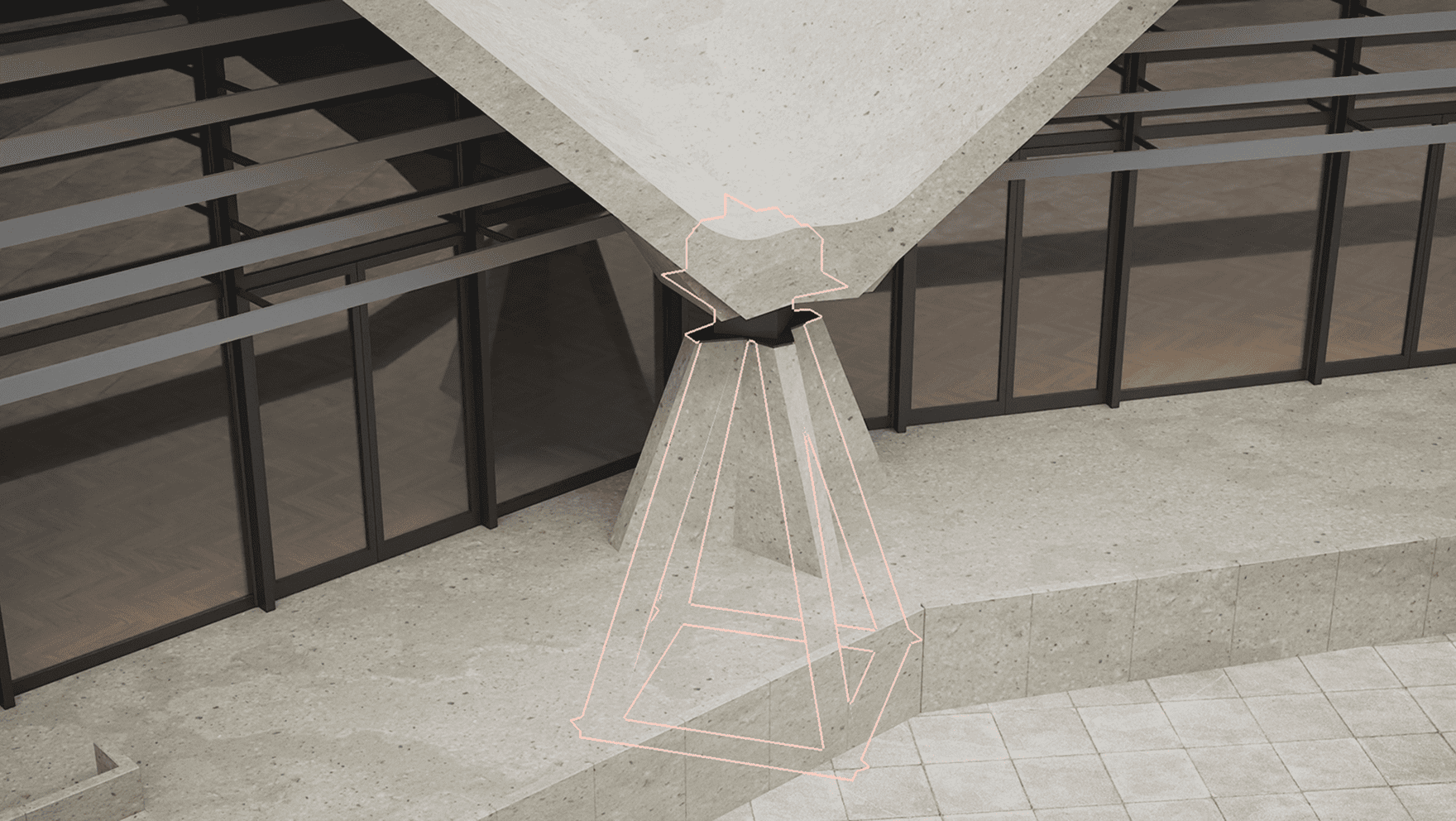
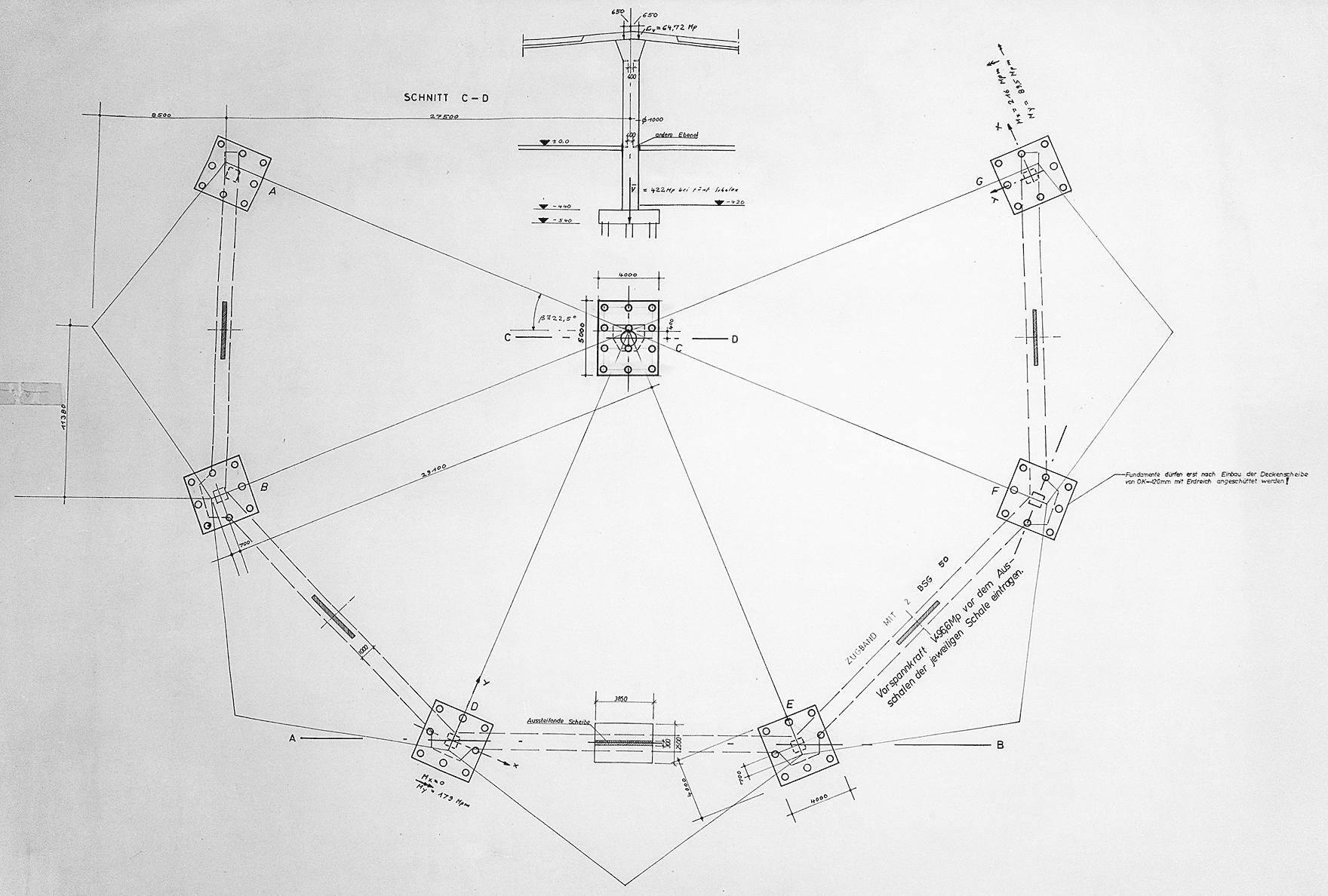
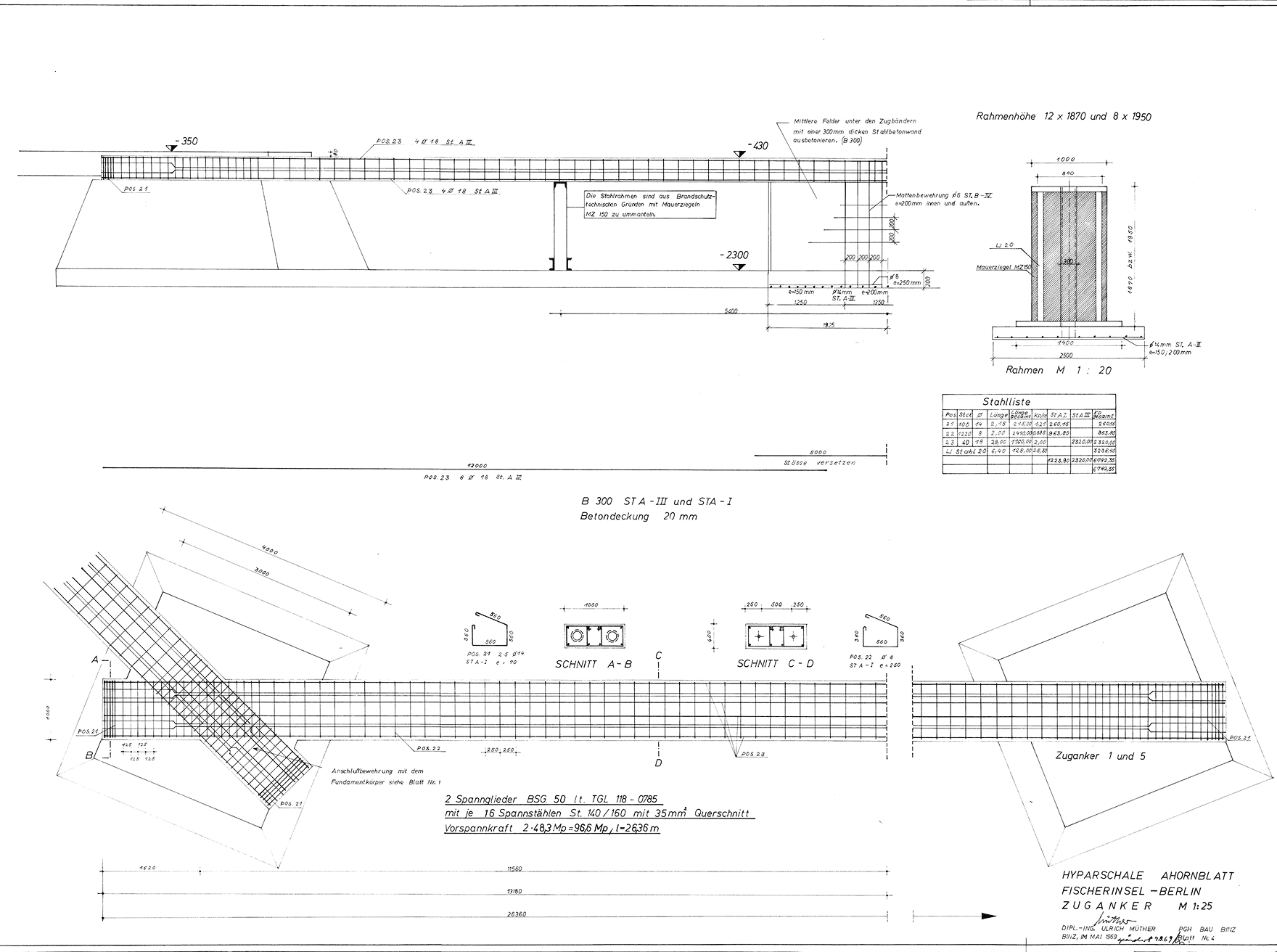
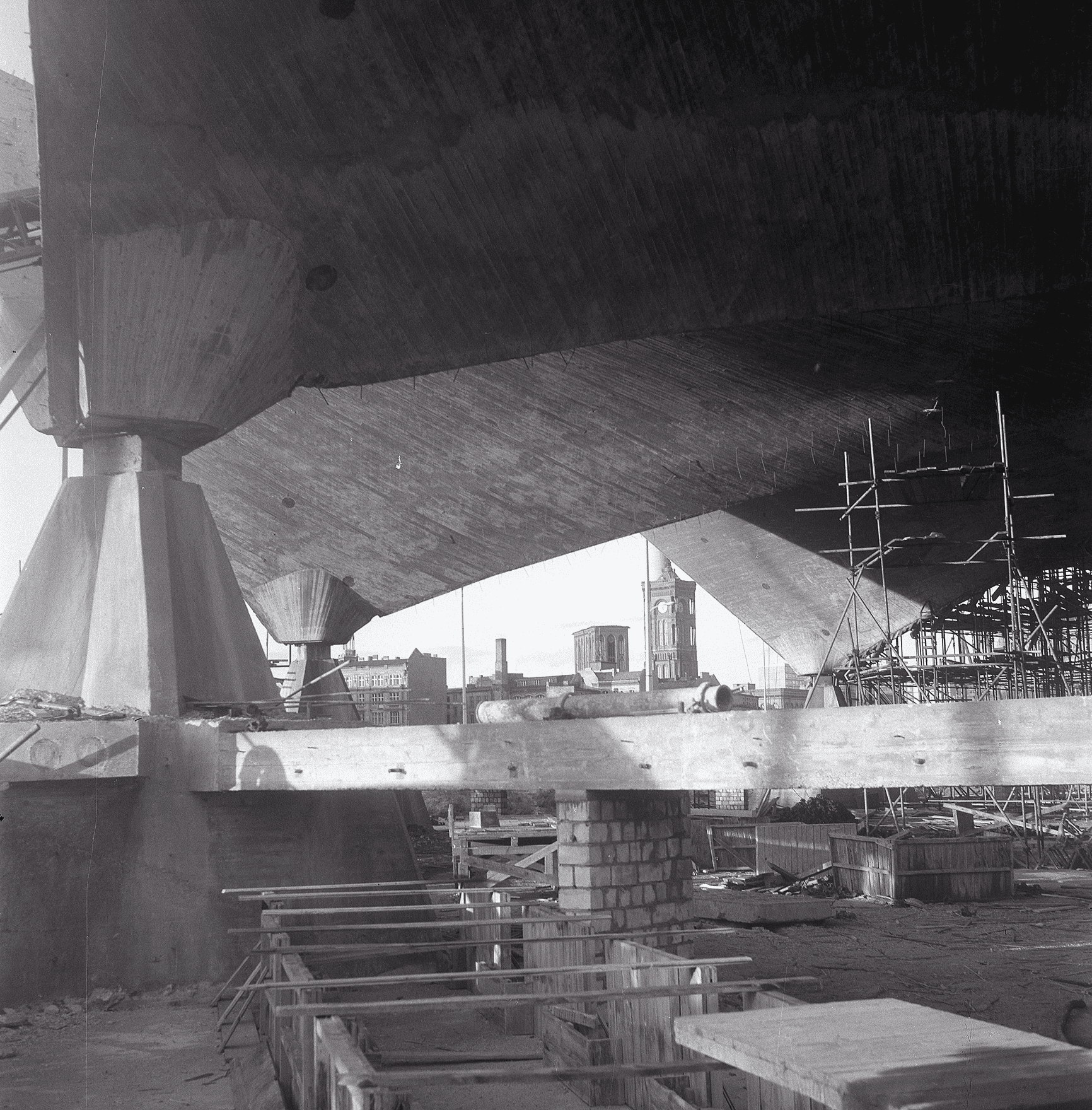
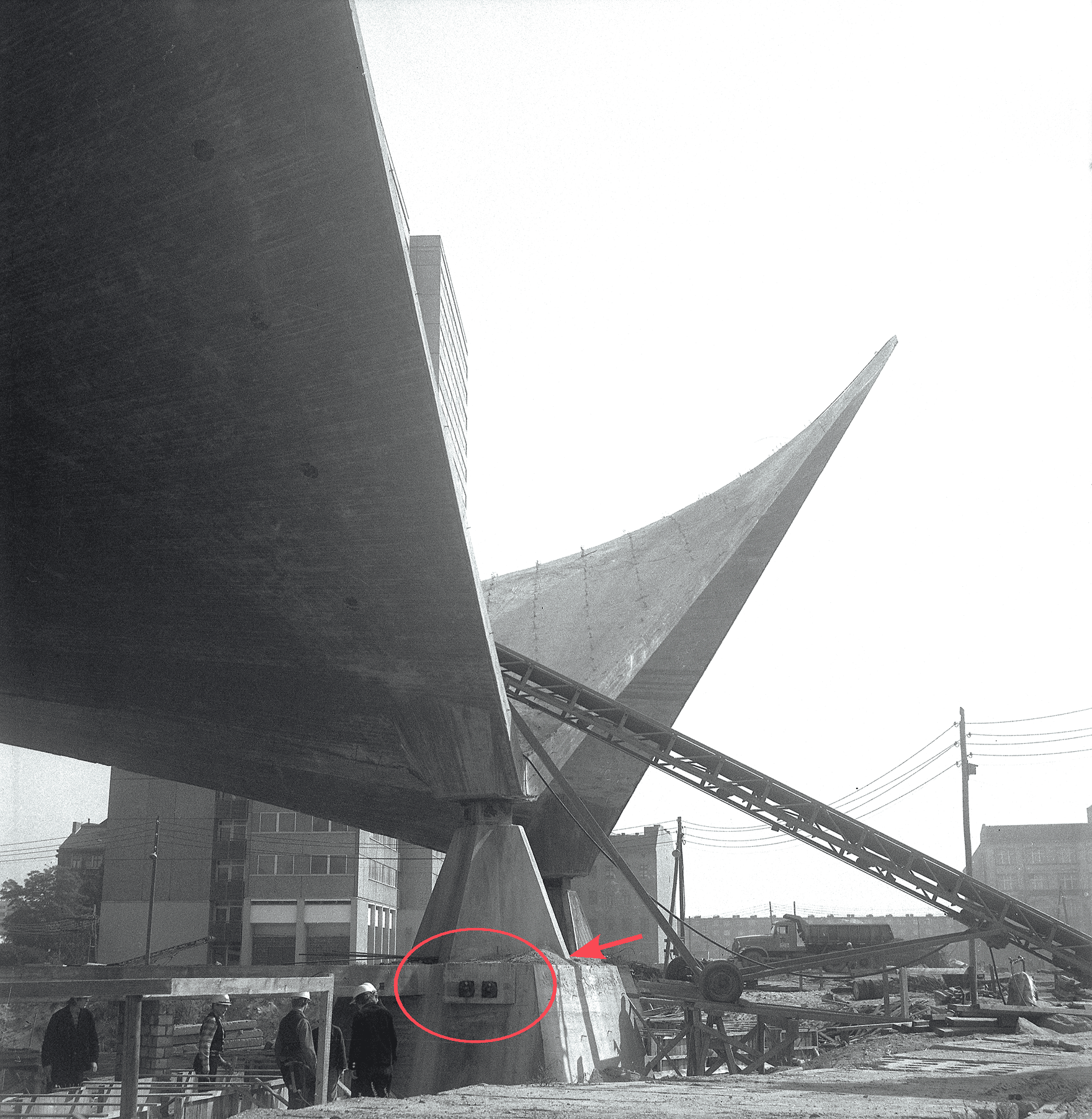
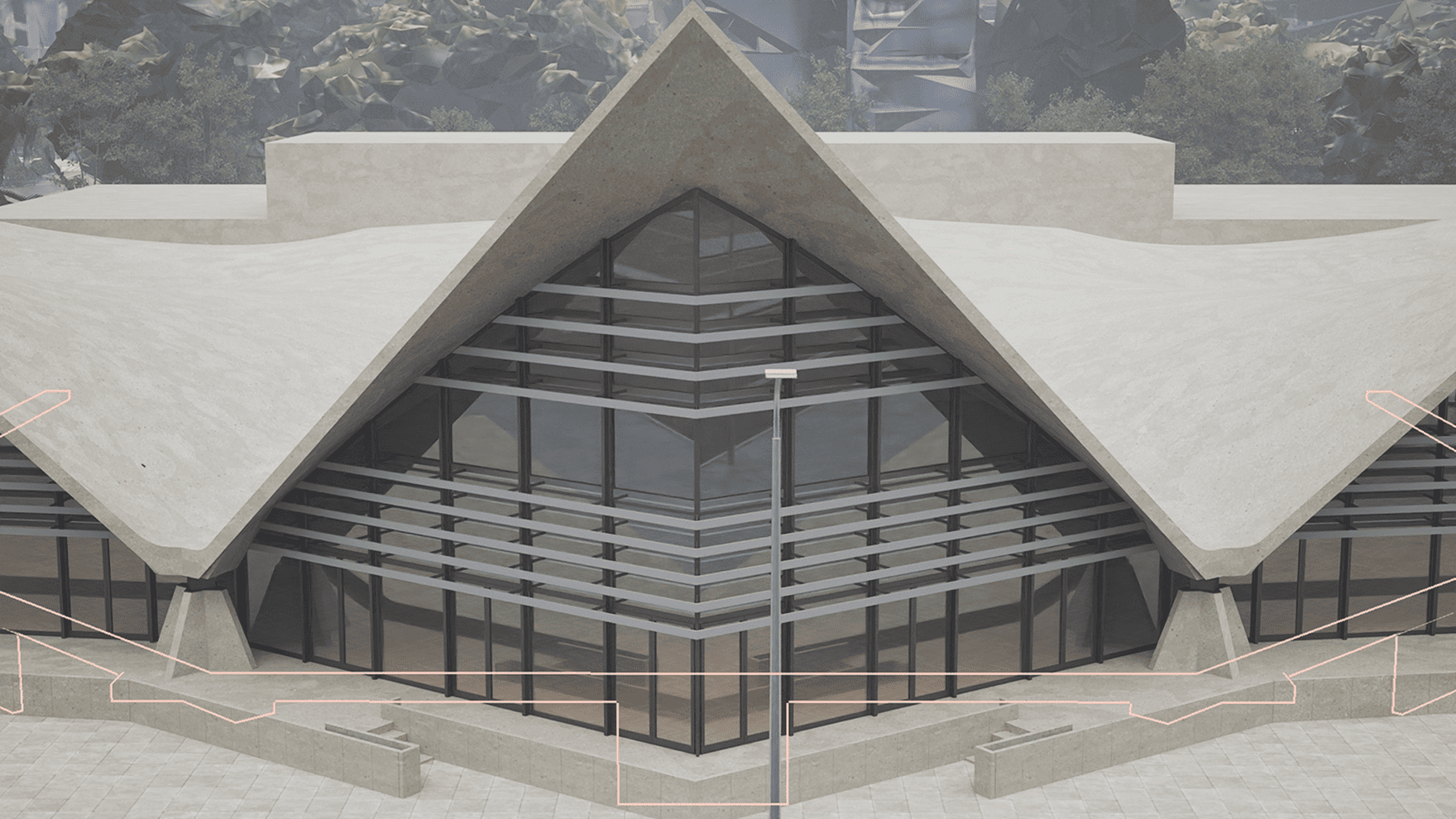
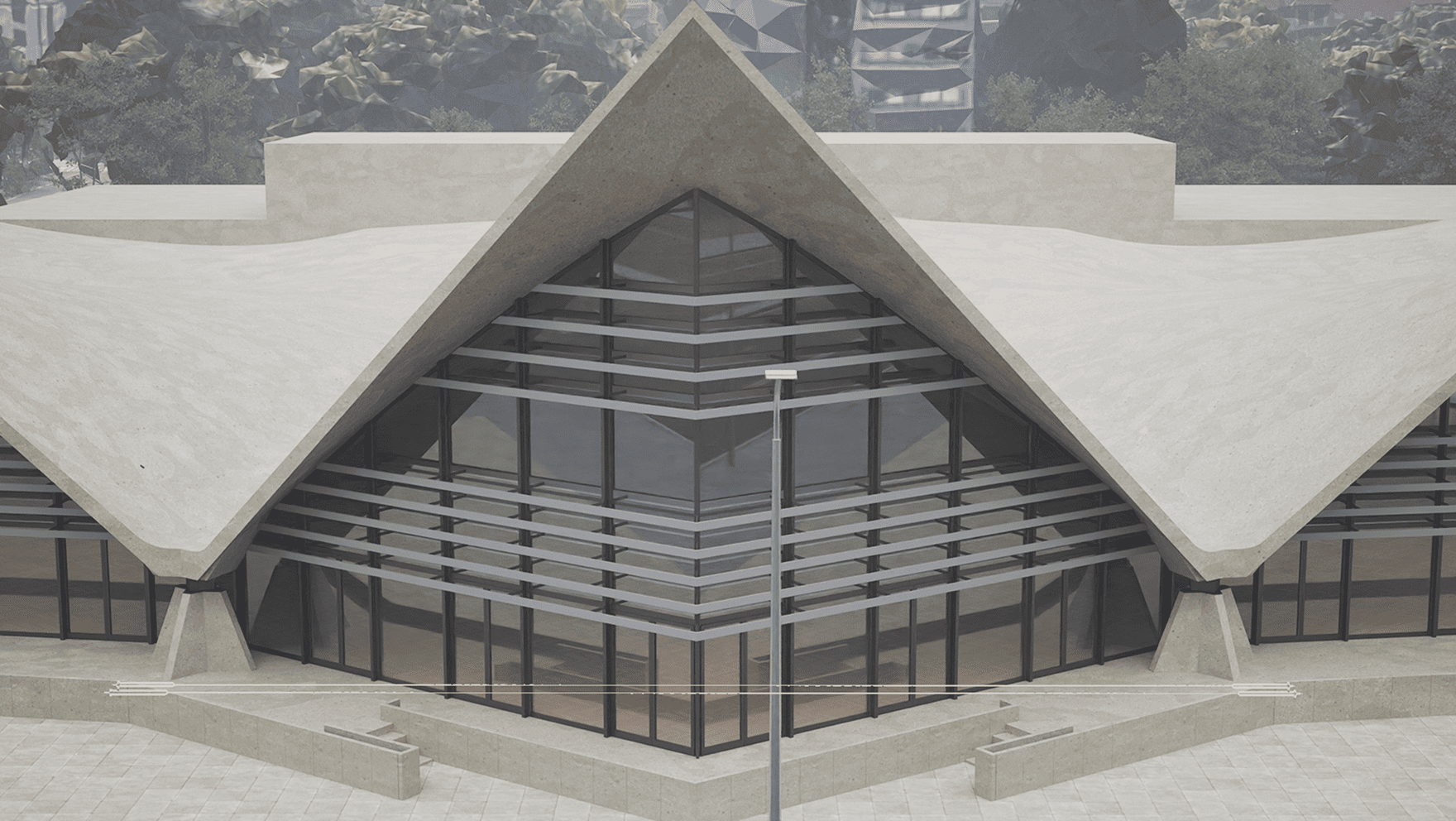
The Ahornblatt restaurant:
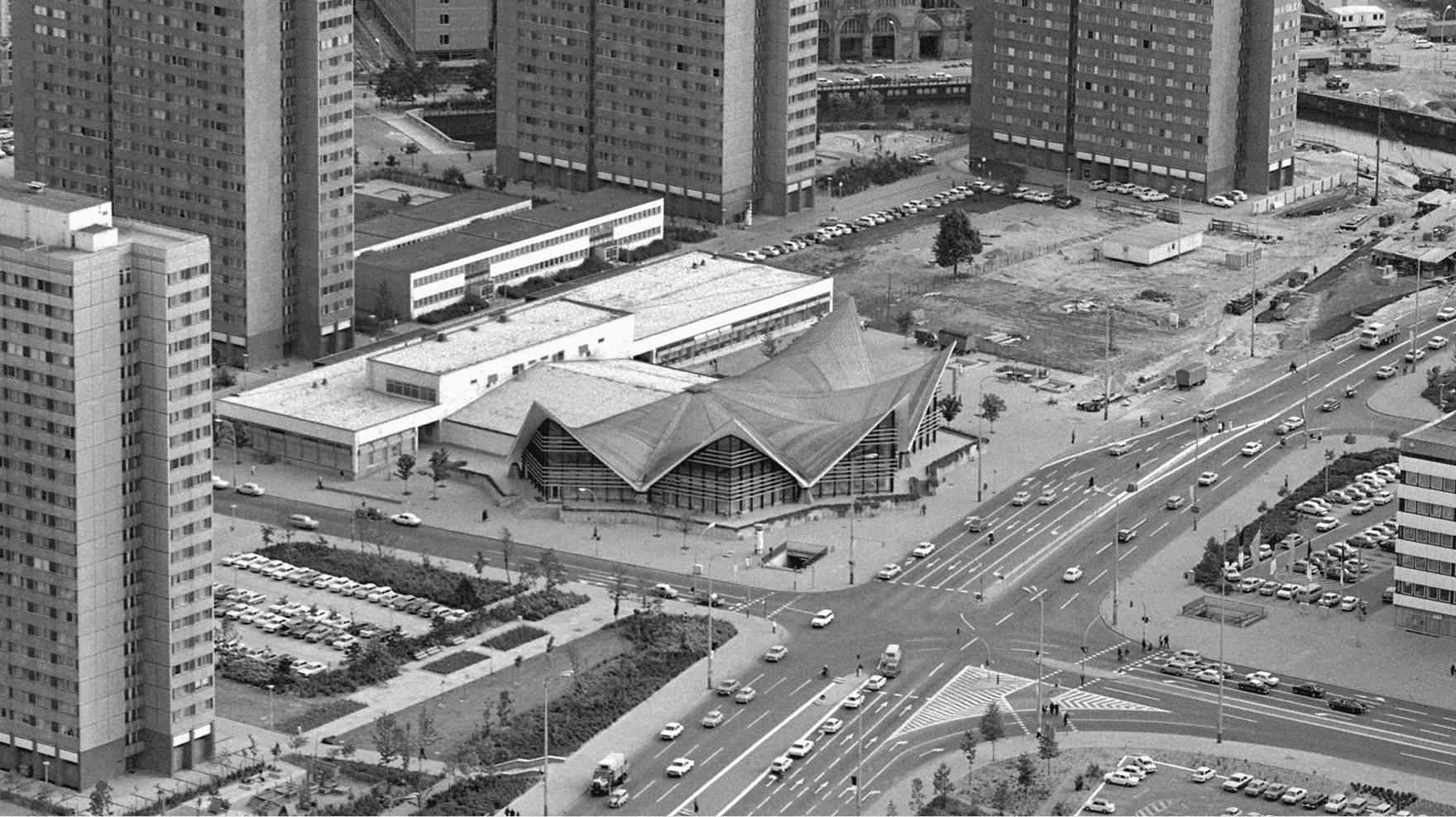
The demolition of the “Ahornblatt” restaurant in Berlin after German reunification sparked a heated debate about how to deal with the architectural heritage of the GDR. Many well-known structural engineers argued against its demolition, among them Jörg Schlaich:
“It would be a great loss for building culture if the Ahornblatt were demolished. We would not only once again sacrifice an outstanding example of the most material-appropriate and imaginative way of building with concrete to the logic of rationalization, but we would also destroy the living memory of an important component of our architectural culture.”
(from “Kühne Solitäre” by Wilfried Dechau)
The debate became a question of identity for the city: Should the history of the GDR and its architectural legacy remain part of Berlin’s shared urban identity?
Under then–Senate Building Director Hans Stimmann, Berlin embraced the idea of “critical reconstruction” – an urban design approach oriented toward historical street grids and traditional building typologies. This return to premodern forms led to the devaluation of GDR architecture and, with it, of the lived realities of many East Germans. In this context, the “Ahornblatt” was ultimately demolished and replaced with perimeter block development.
Today, the debate about how to deal with GDR architecture has flared up again – it is no longer regarded merely as a museum relic.