Münchner Glaspalast:
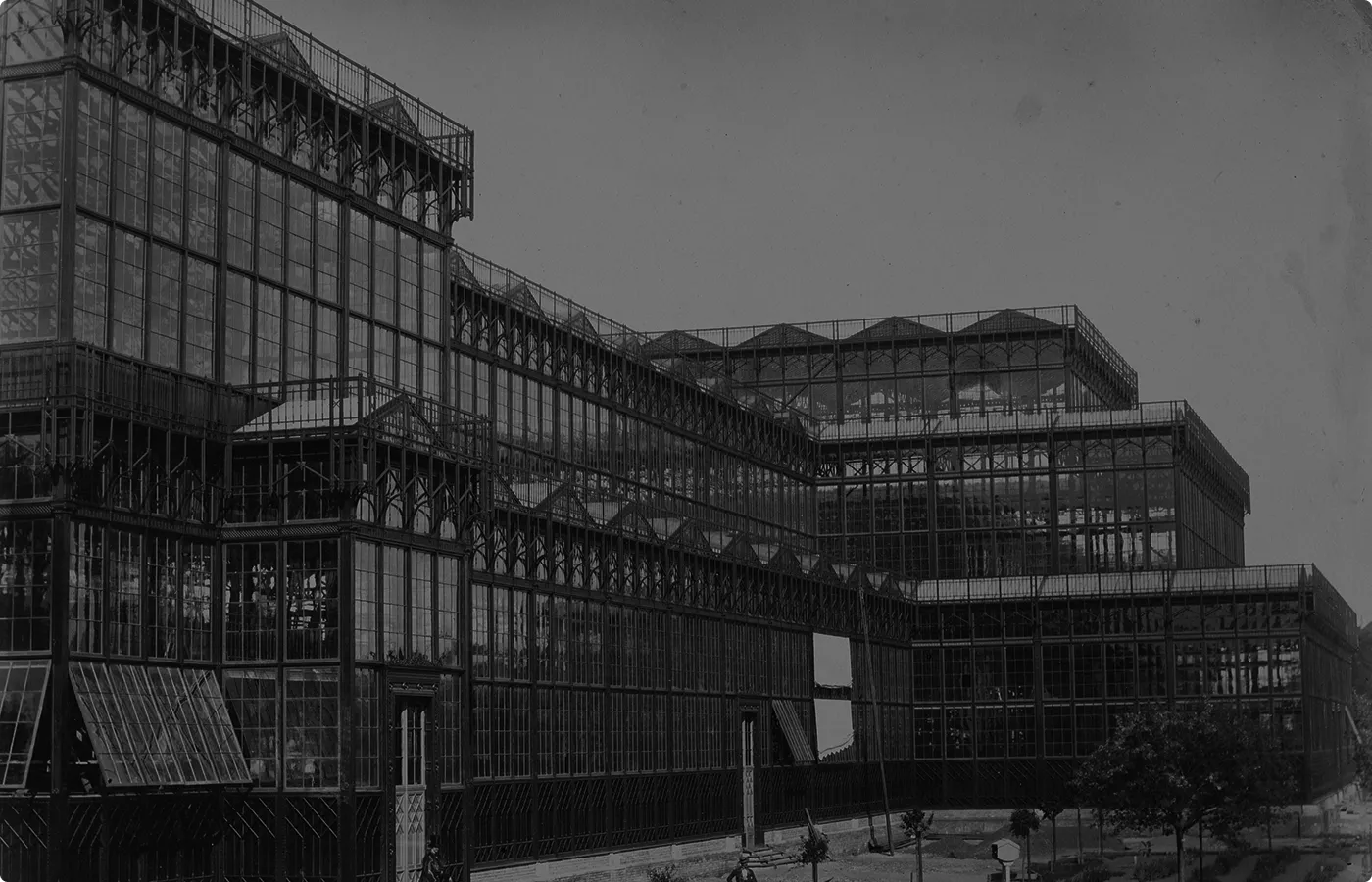
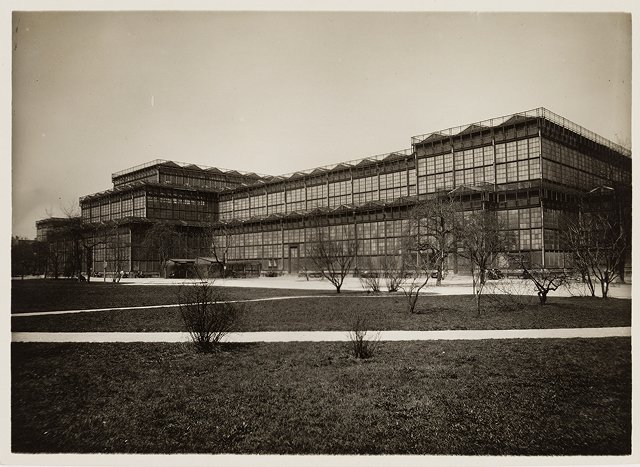
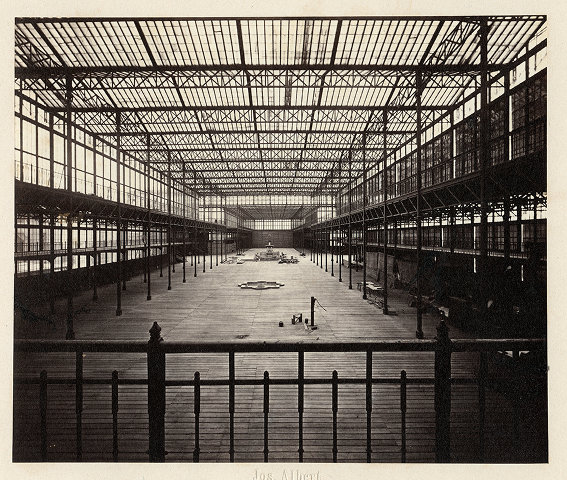
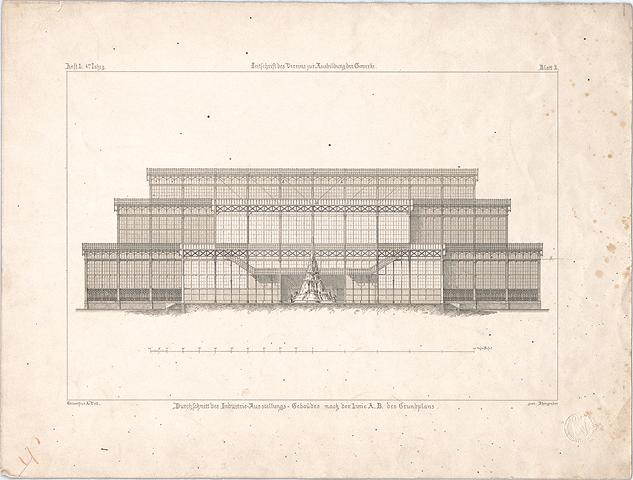
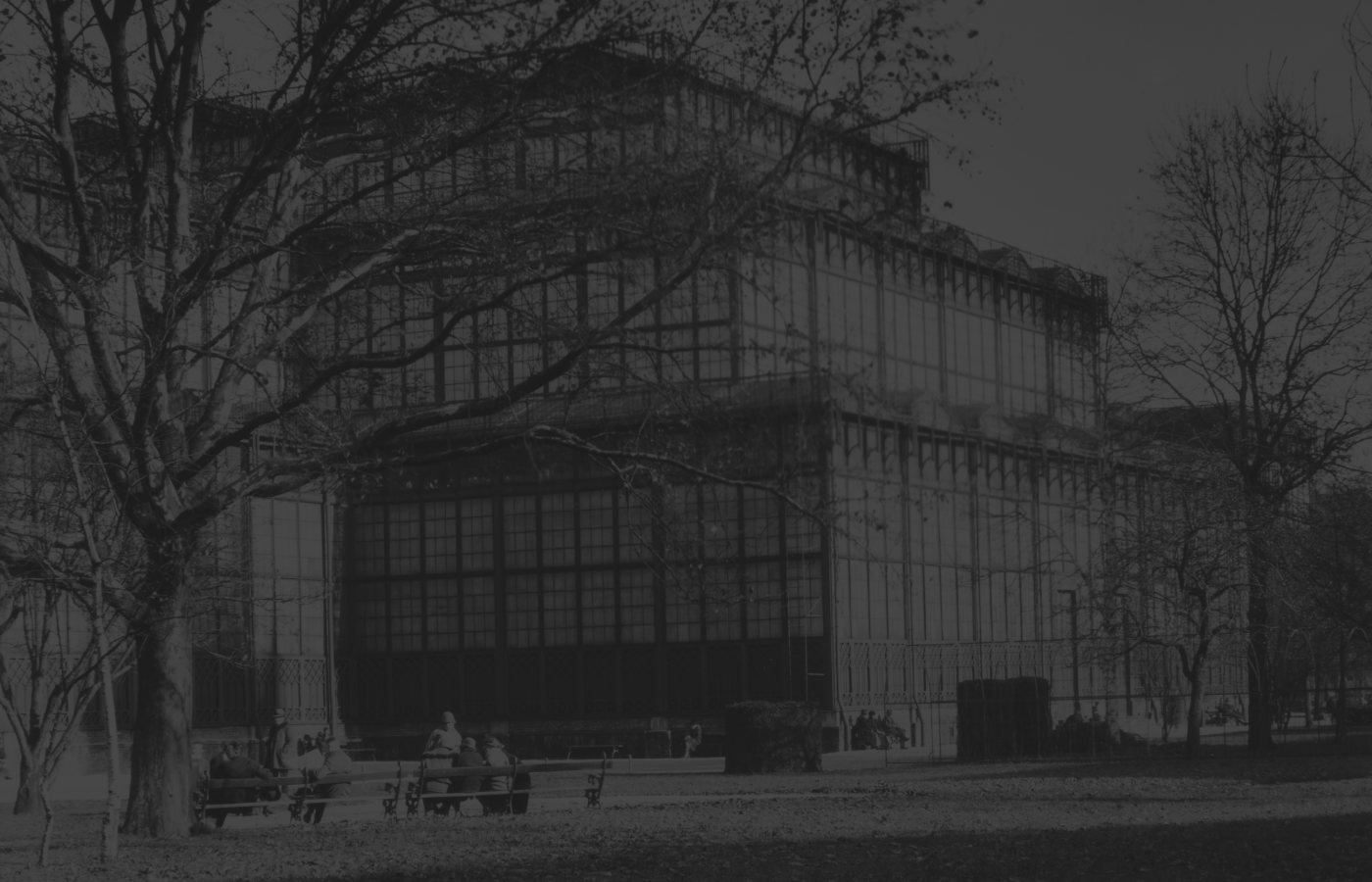
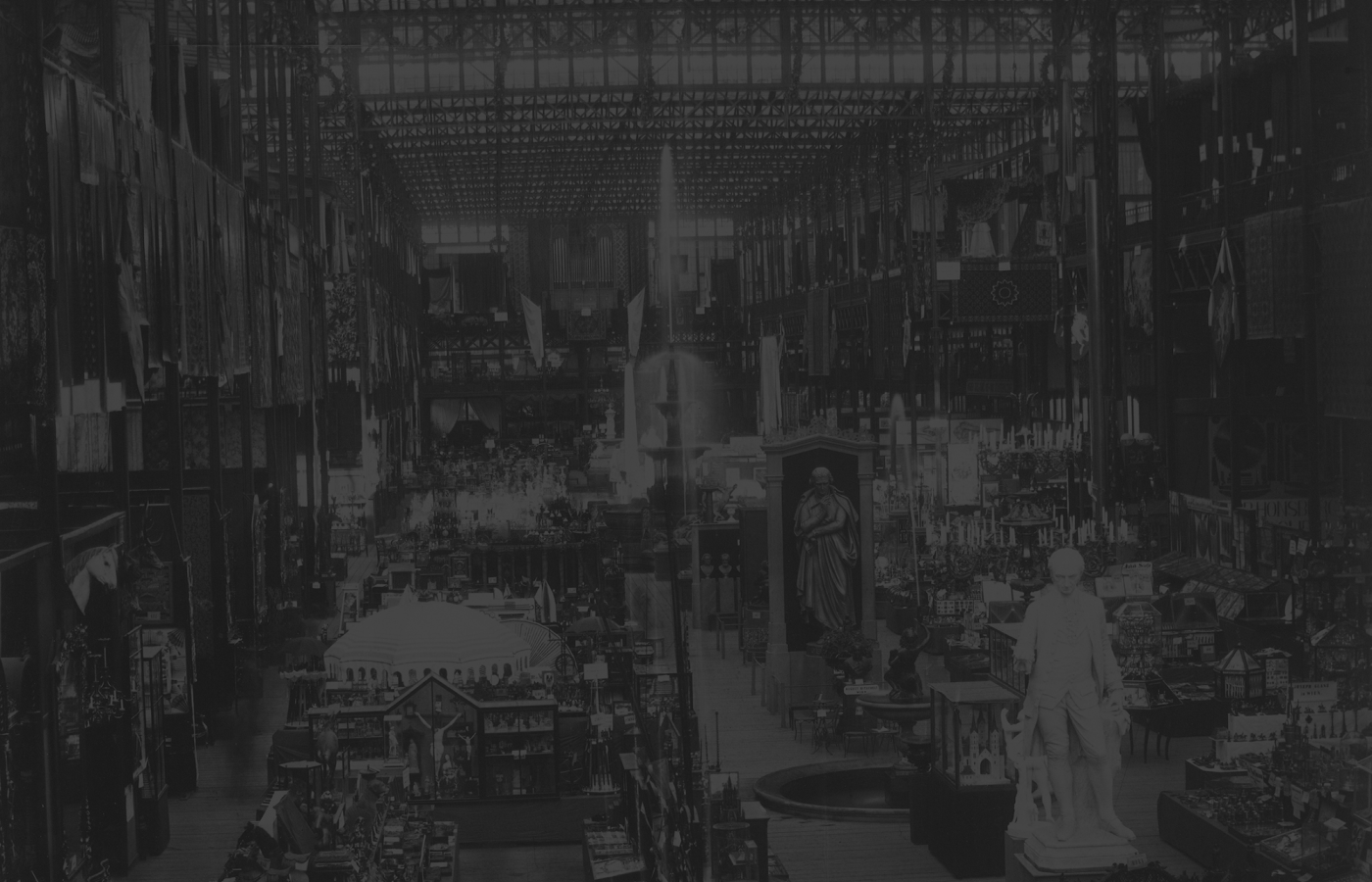
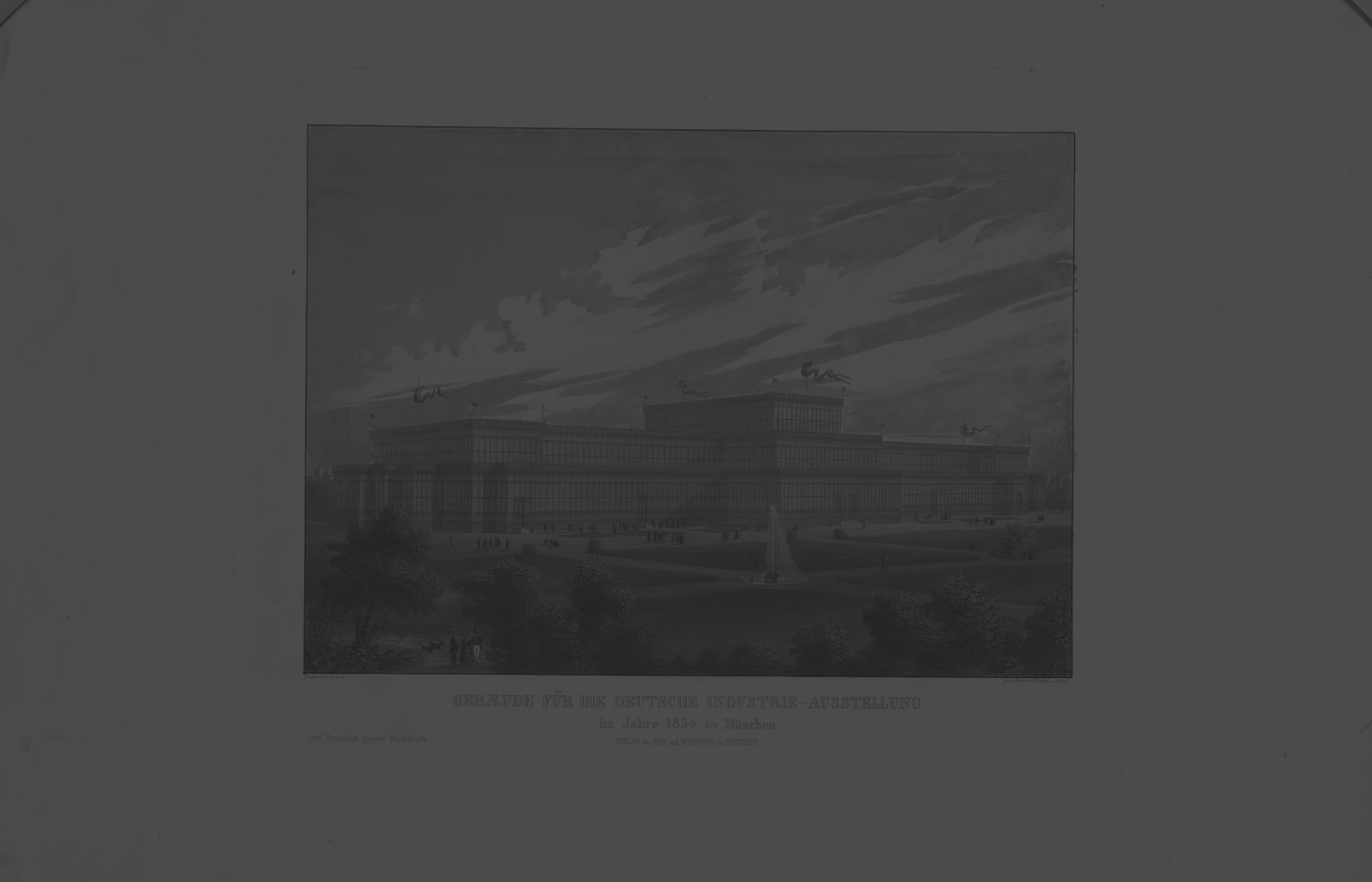
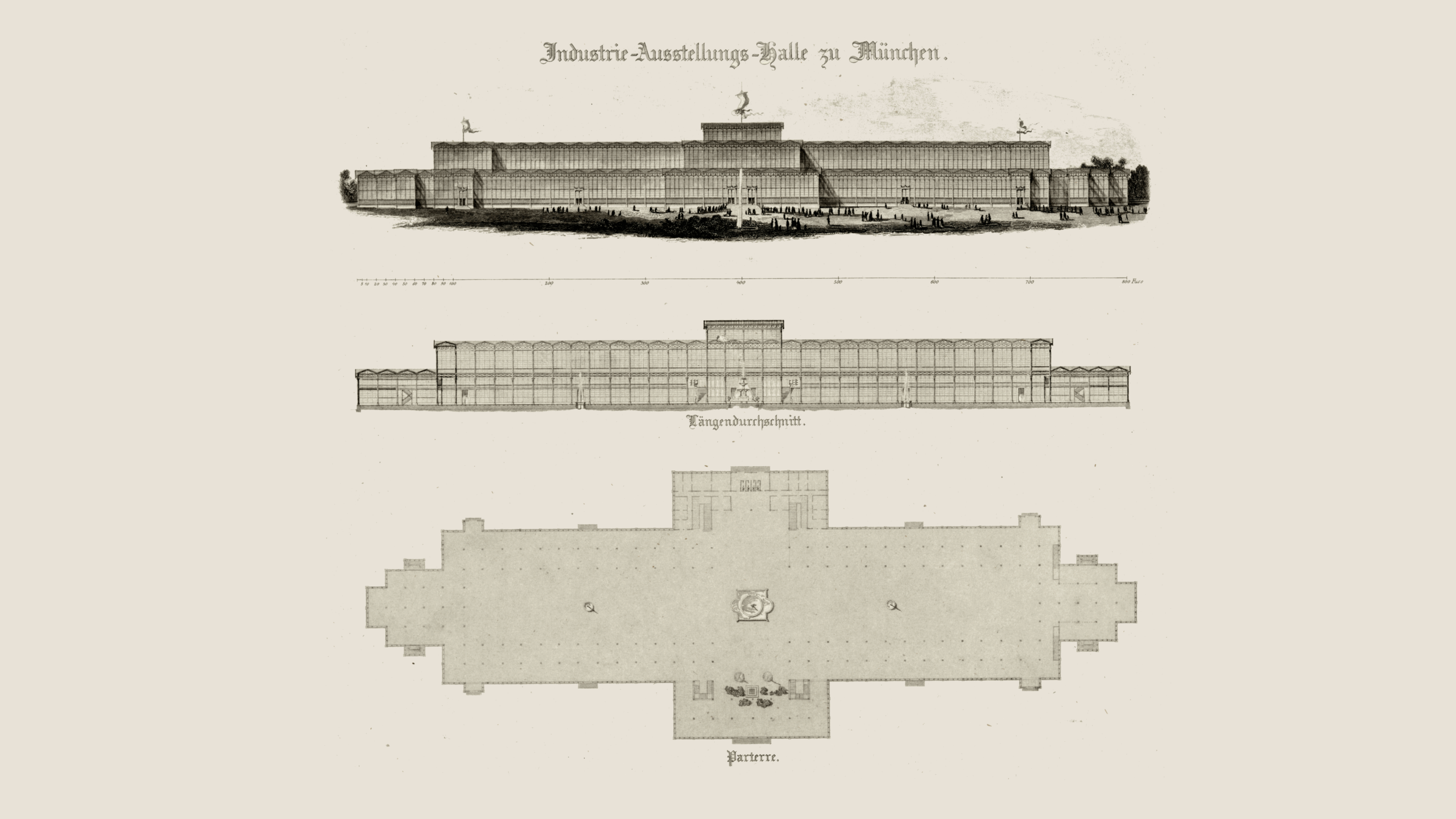
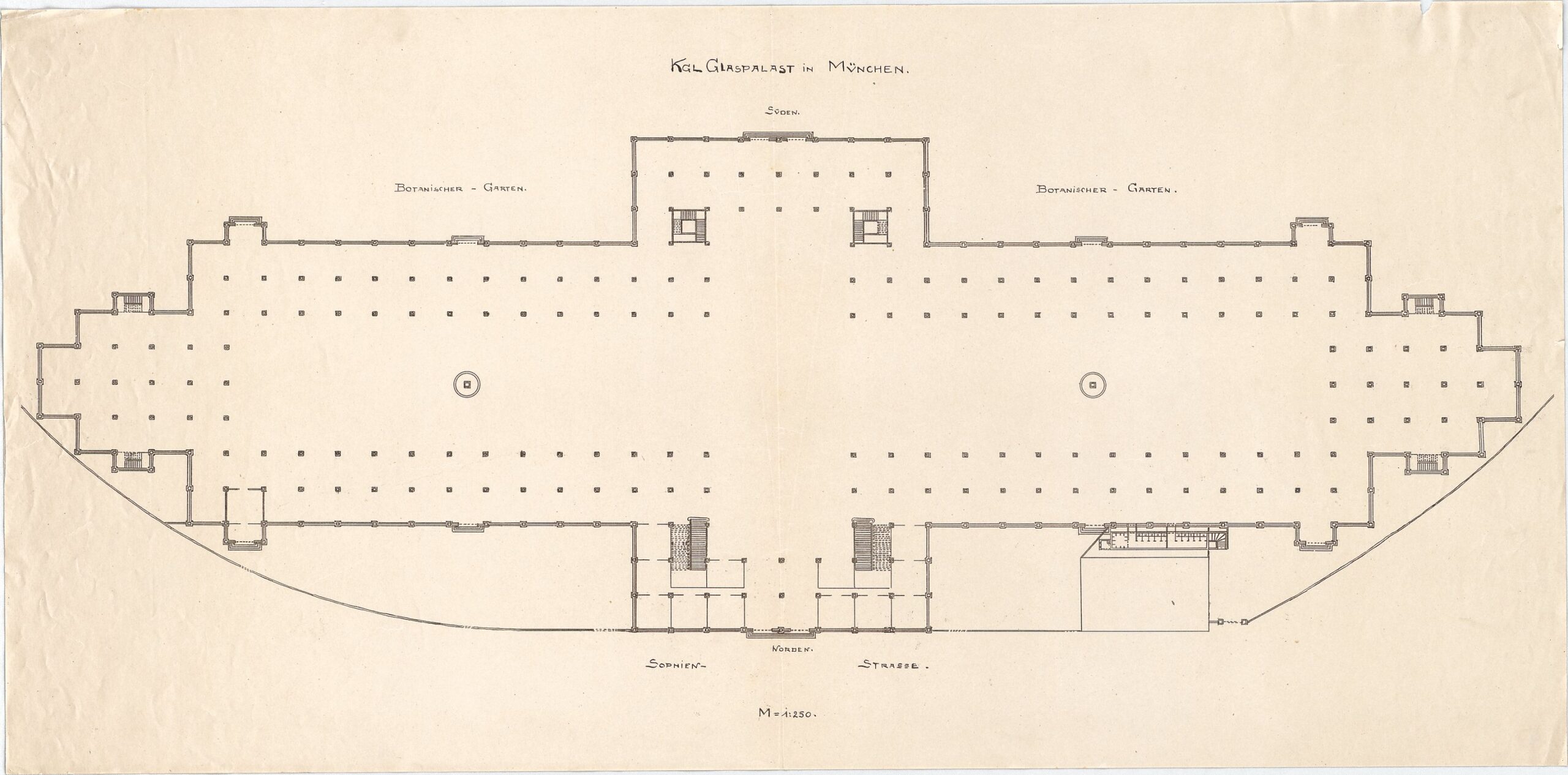
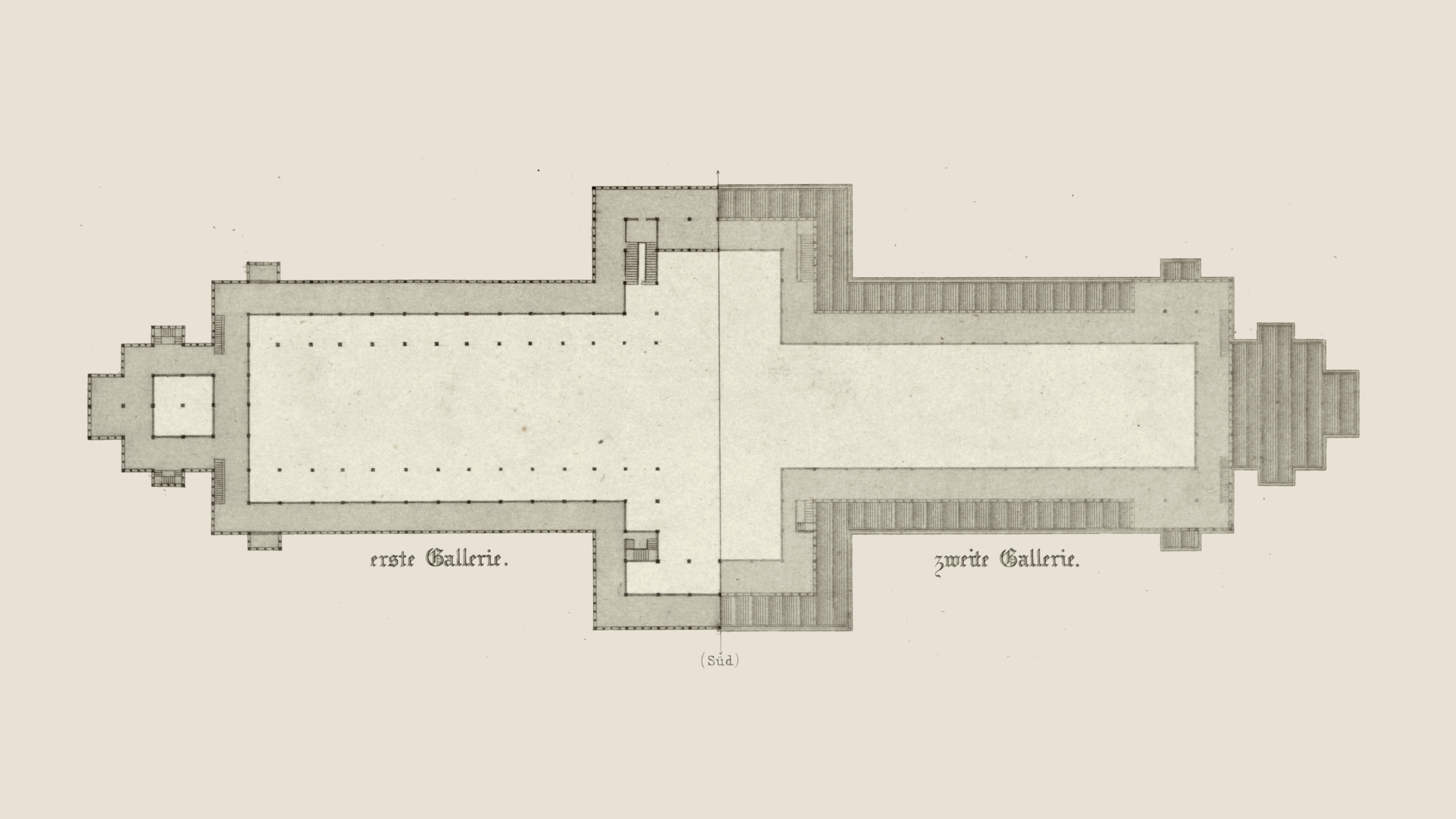
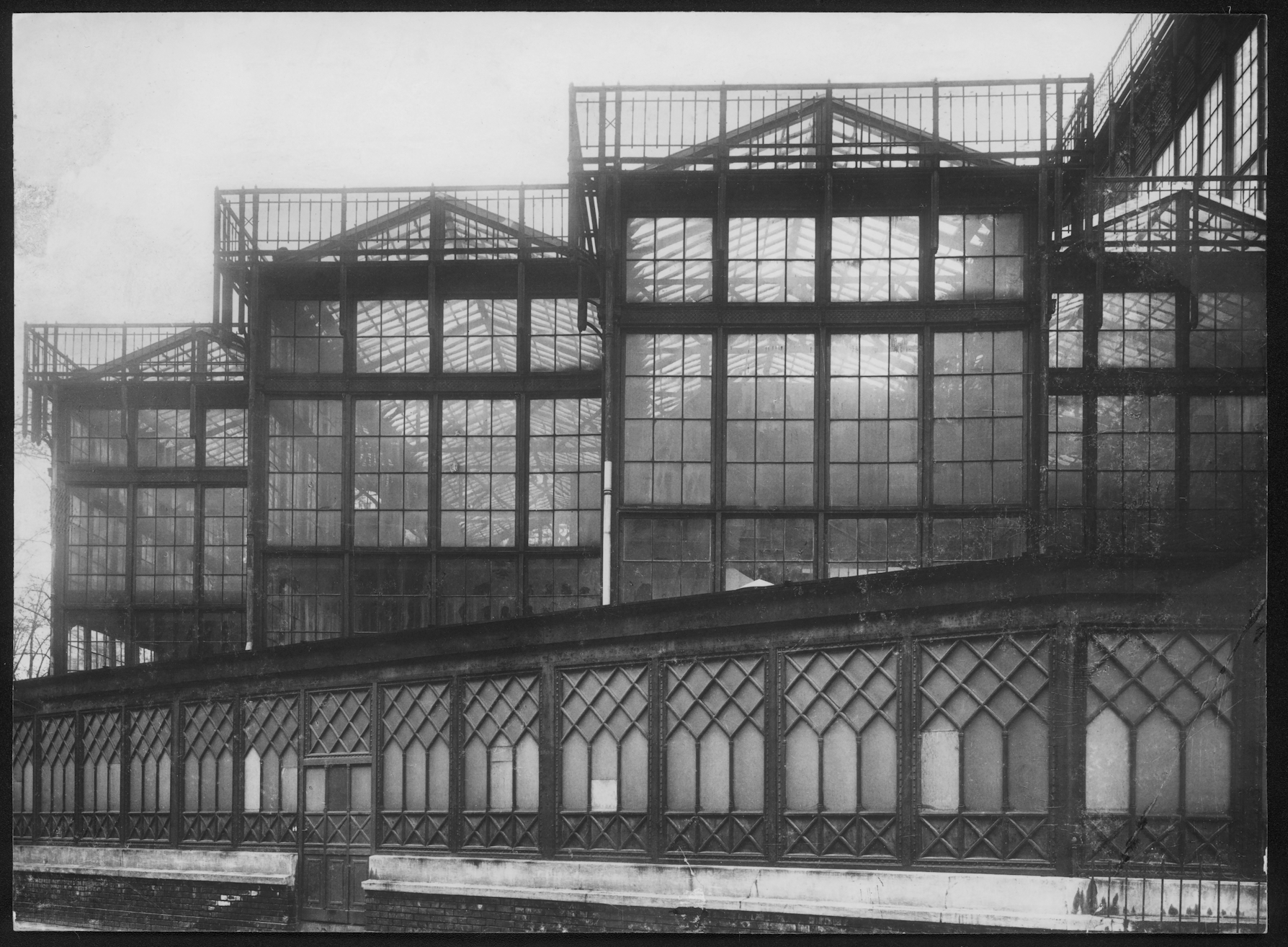
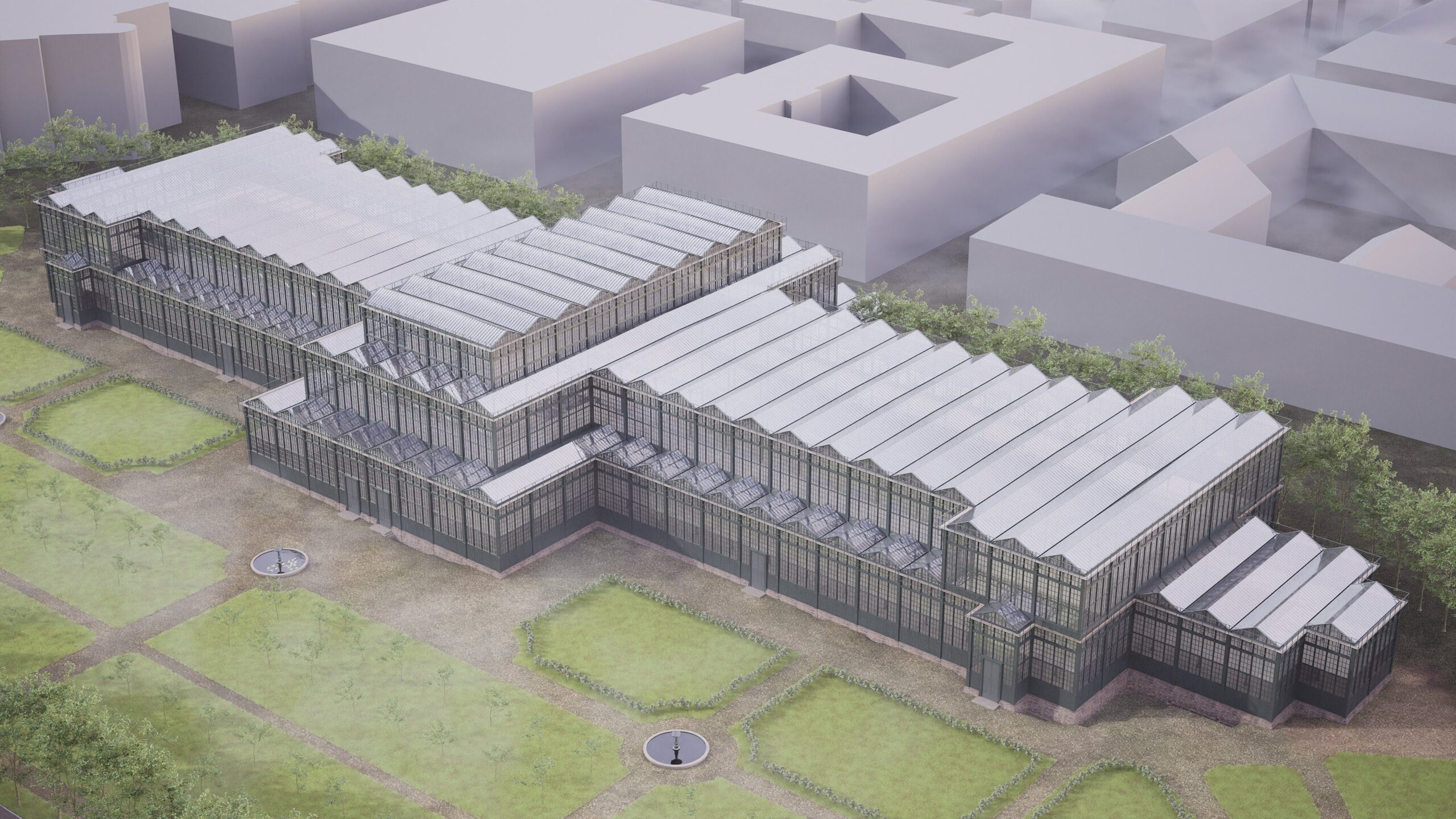
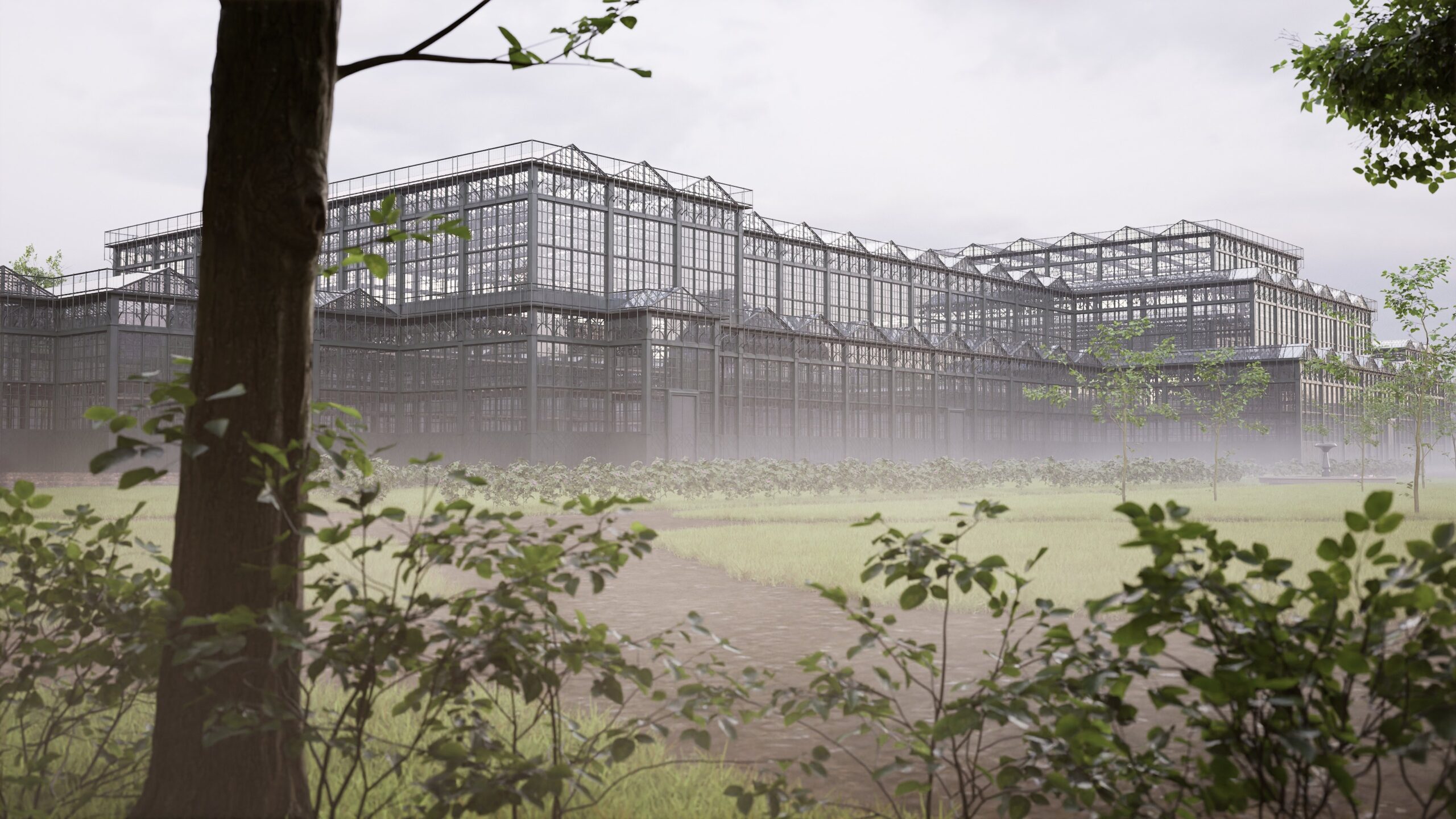
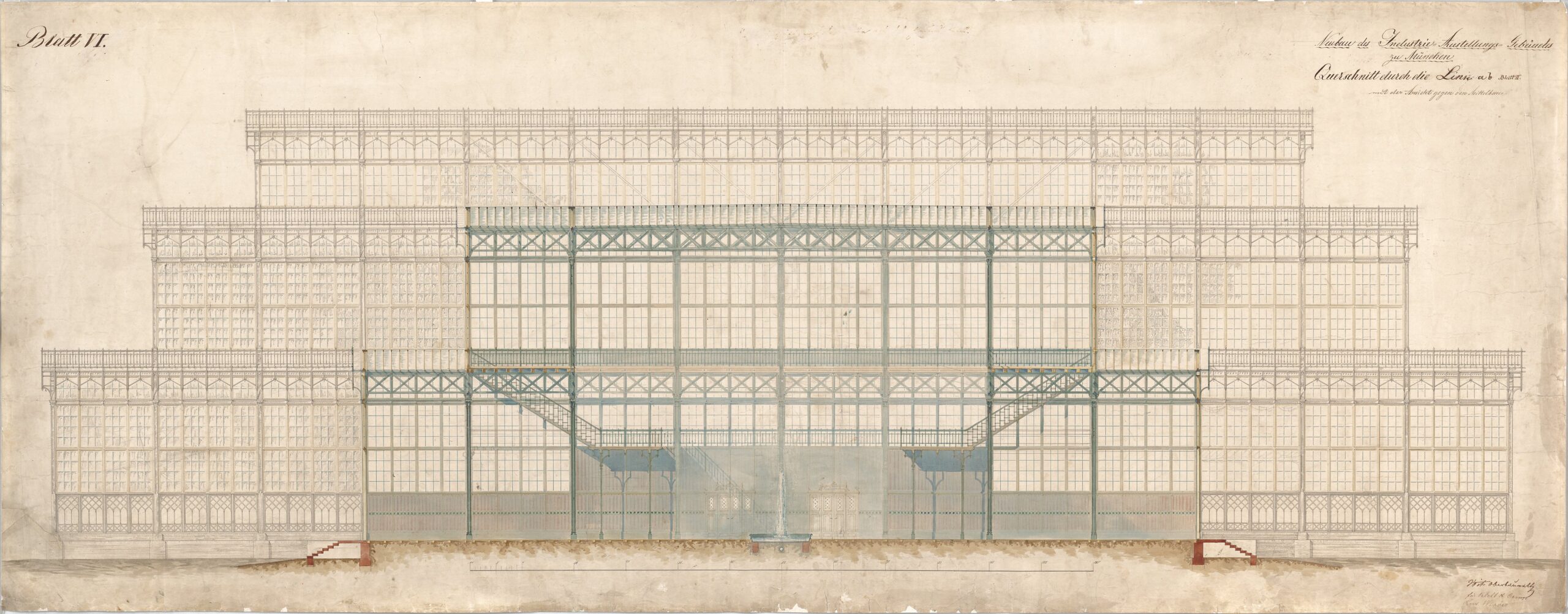
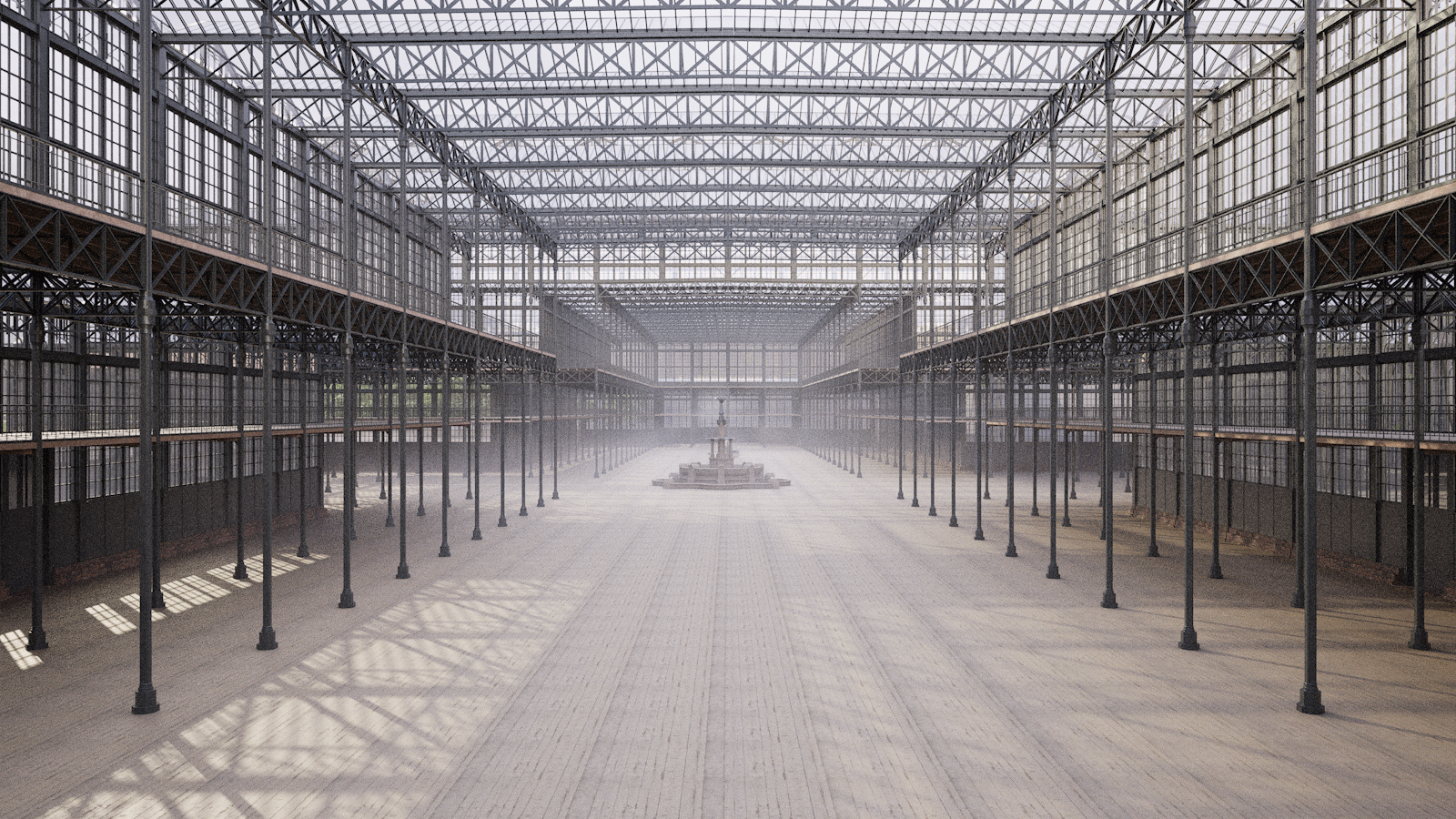
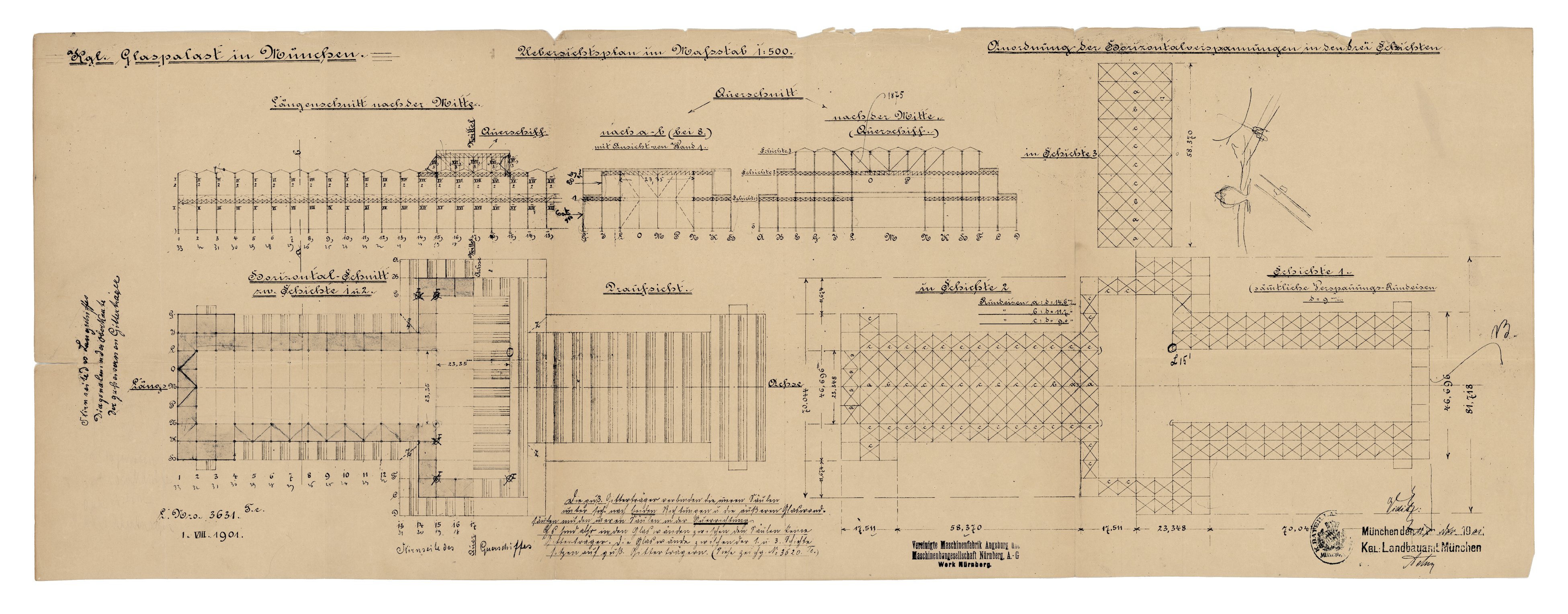
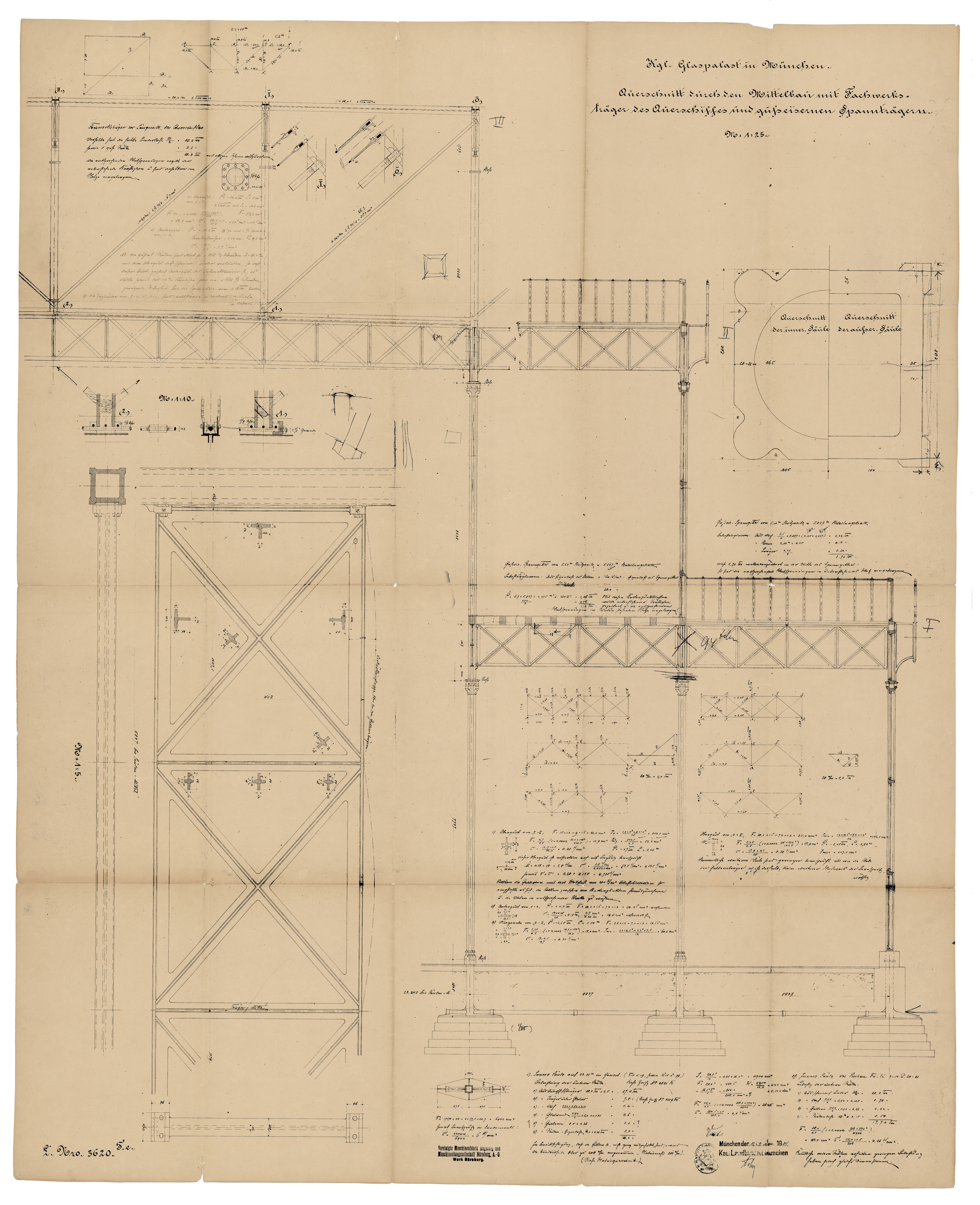
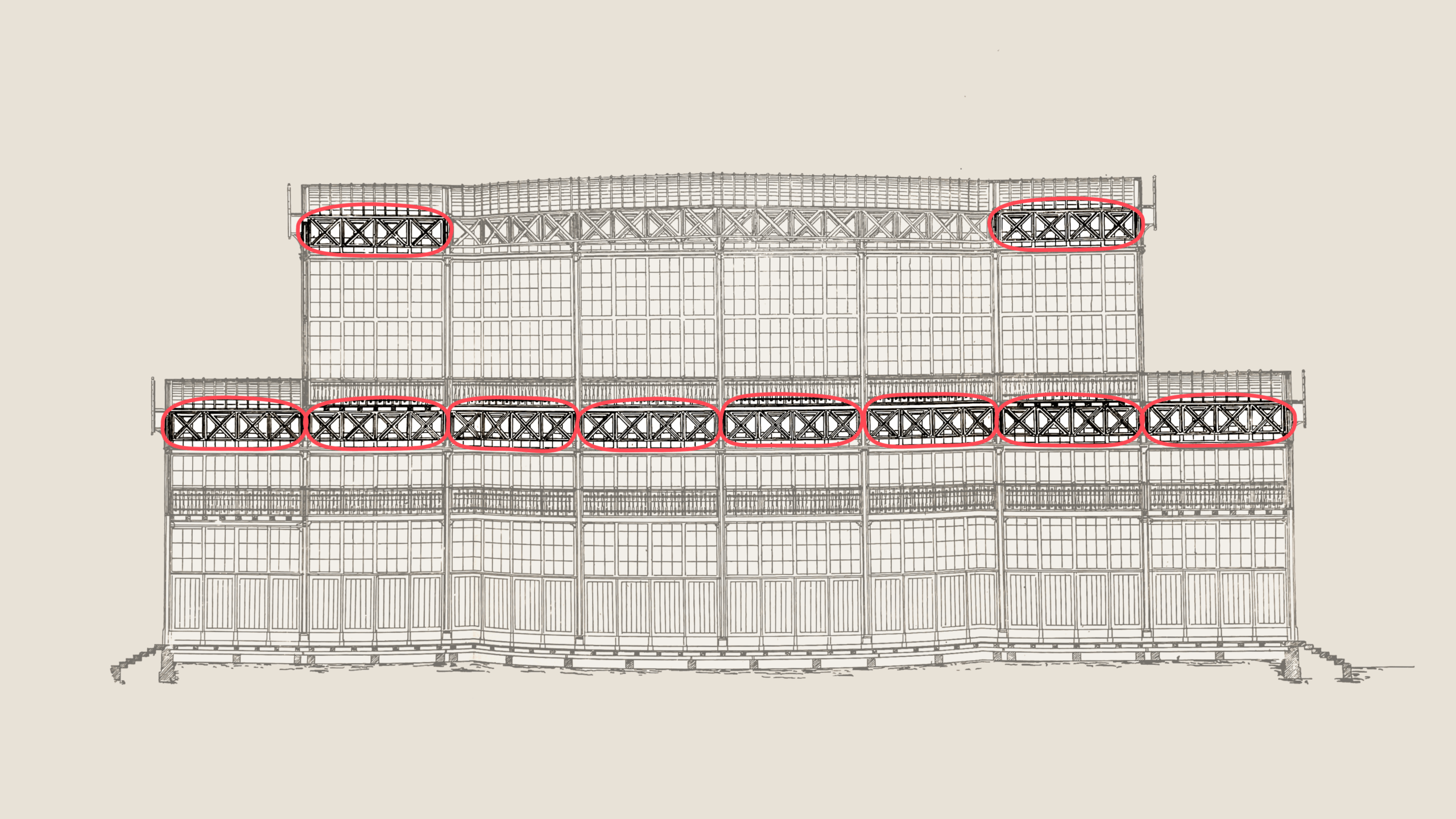
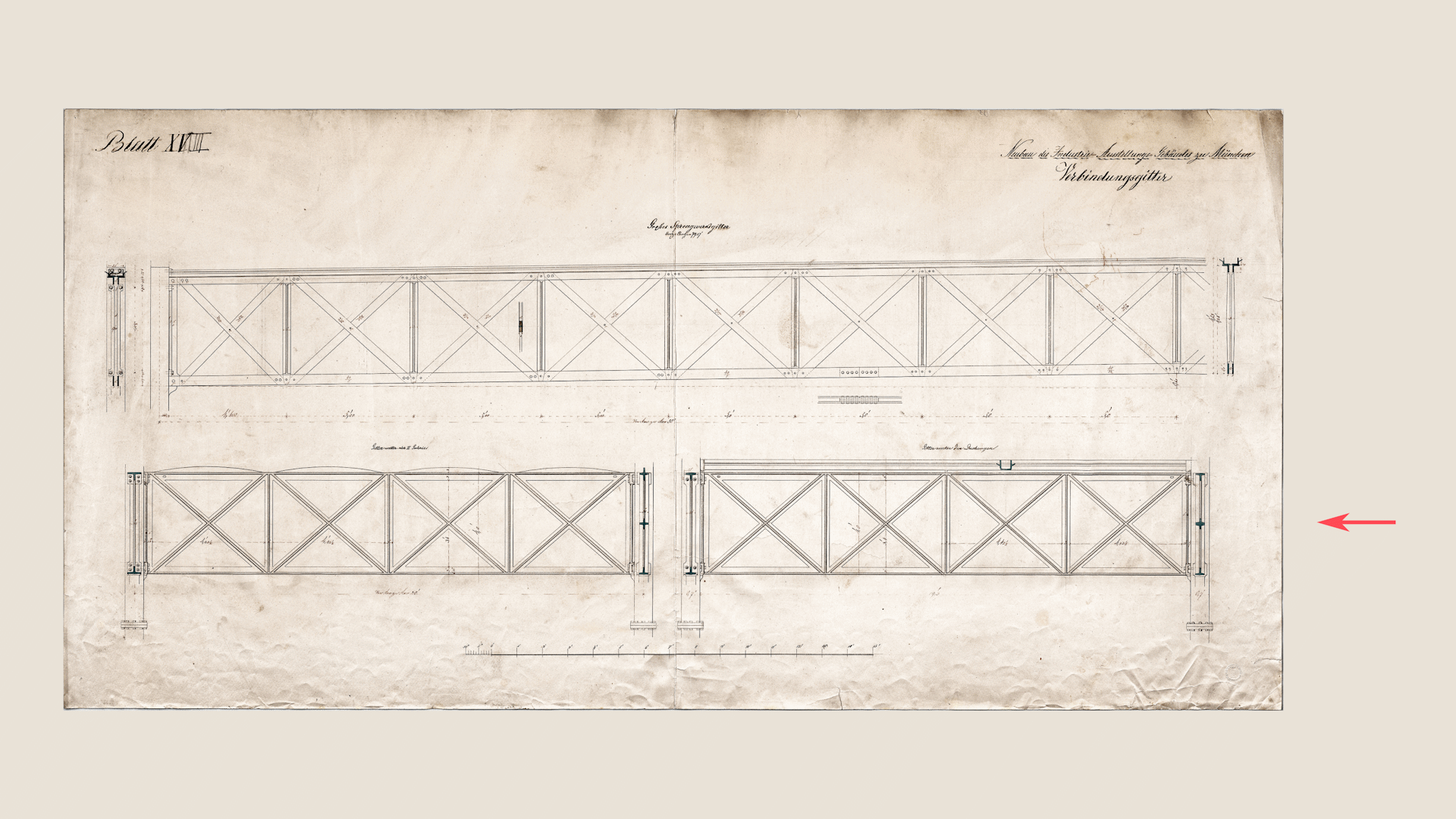
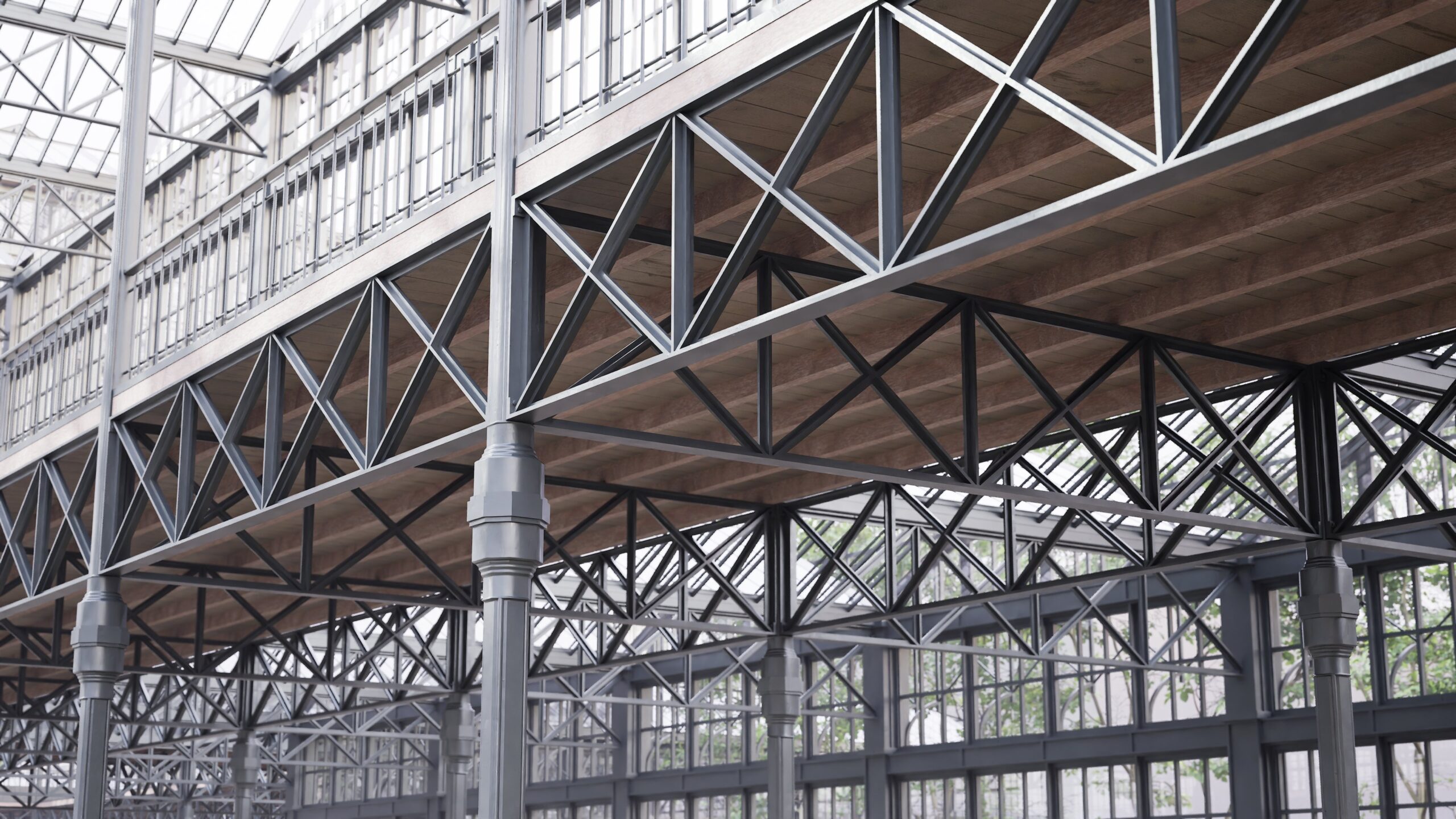
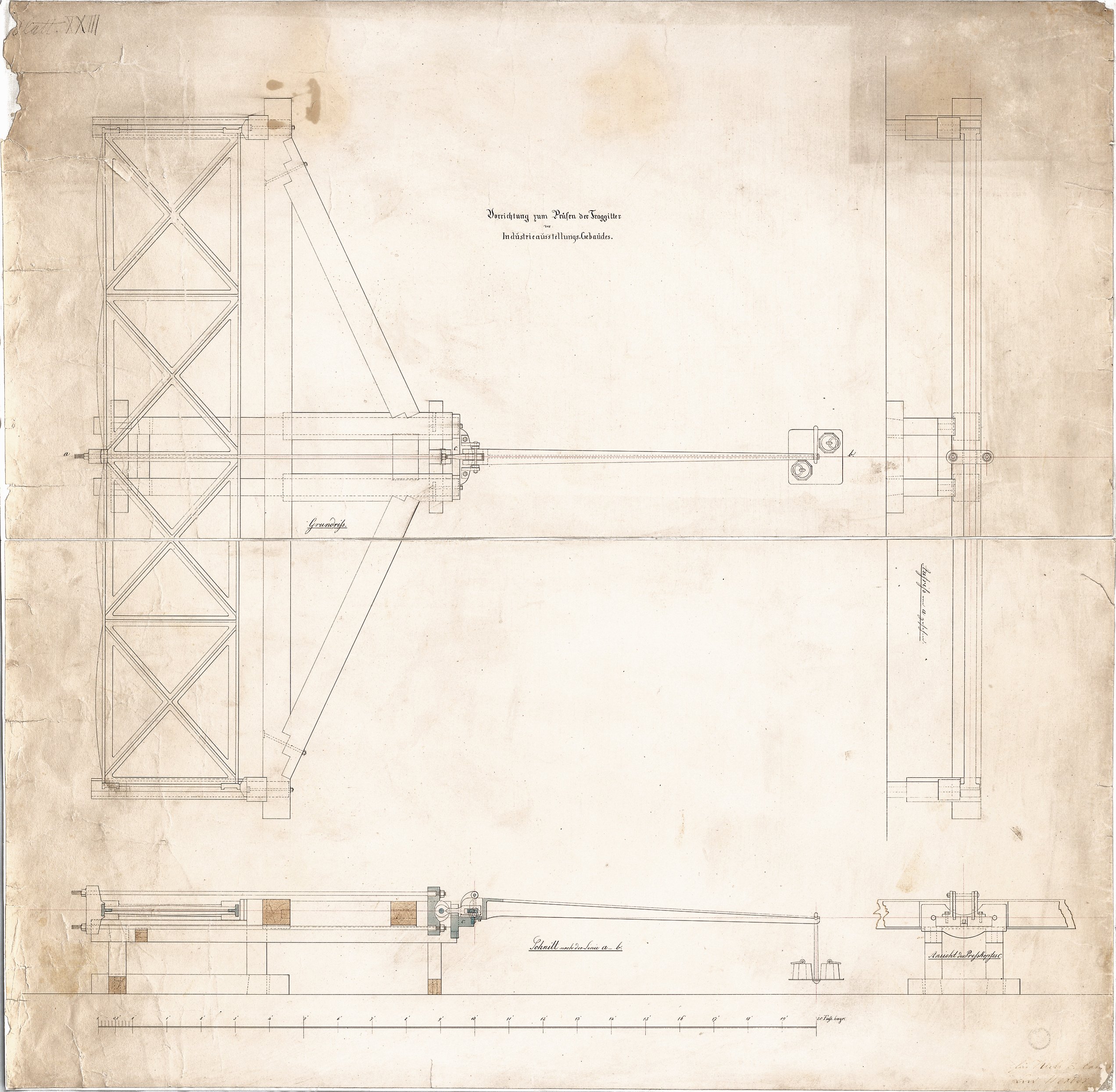
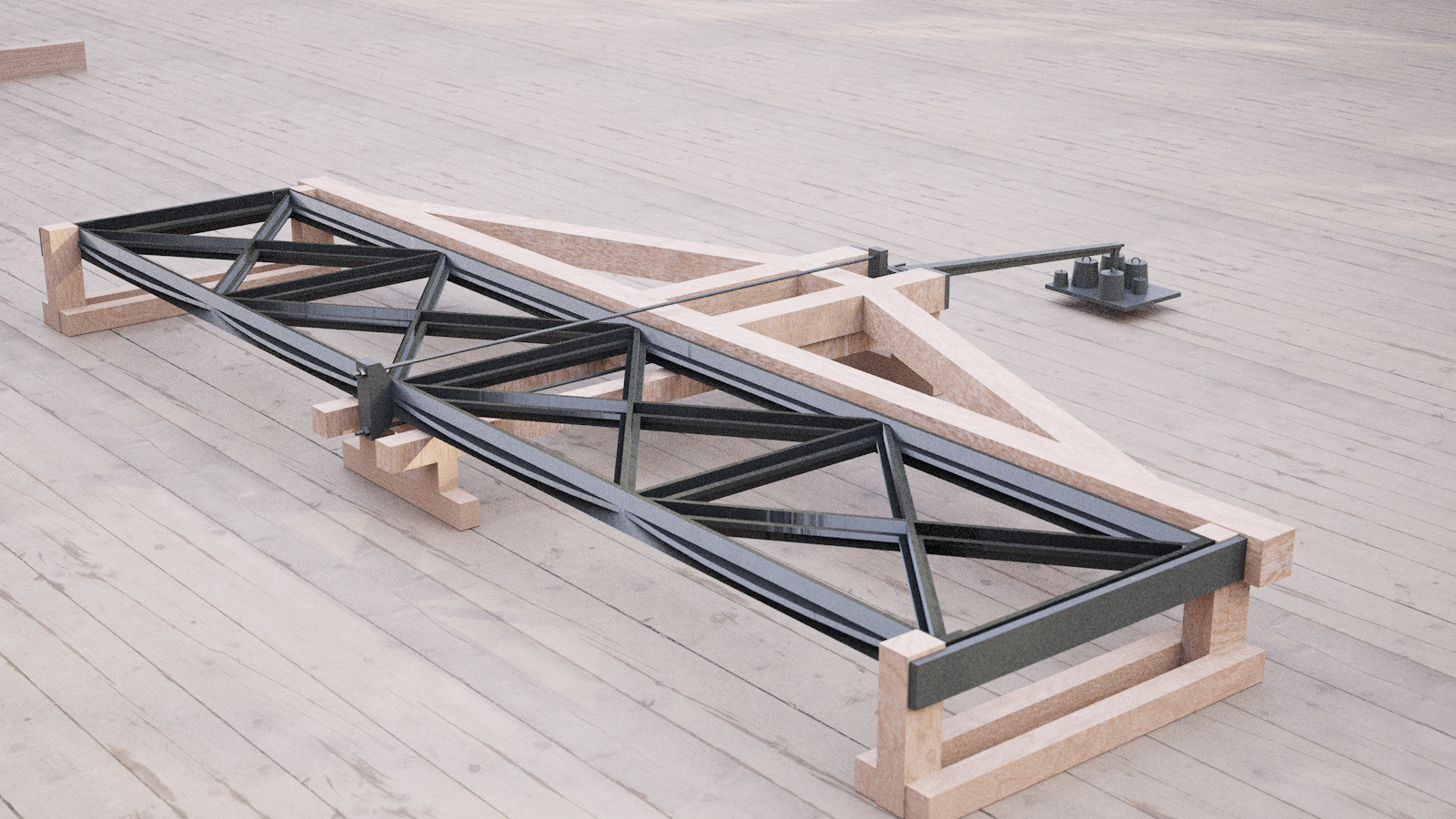
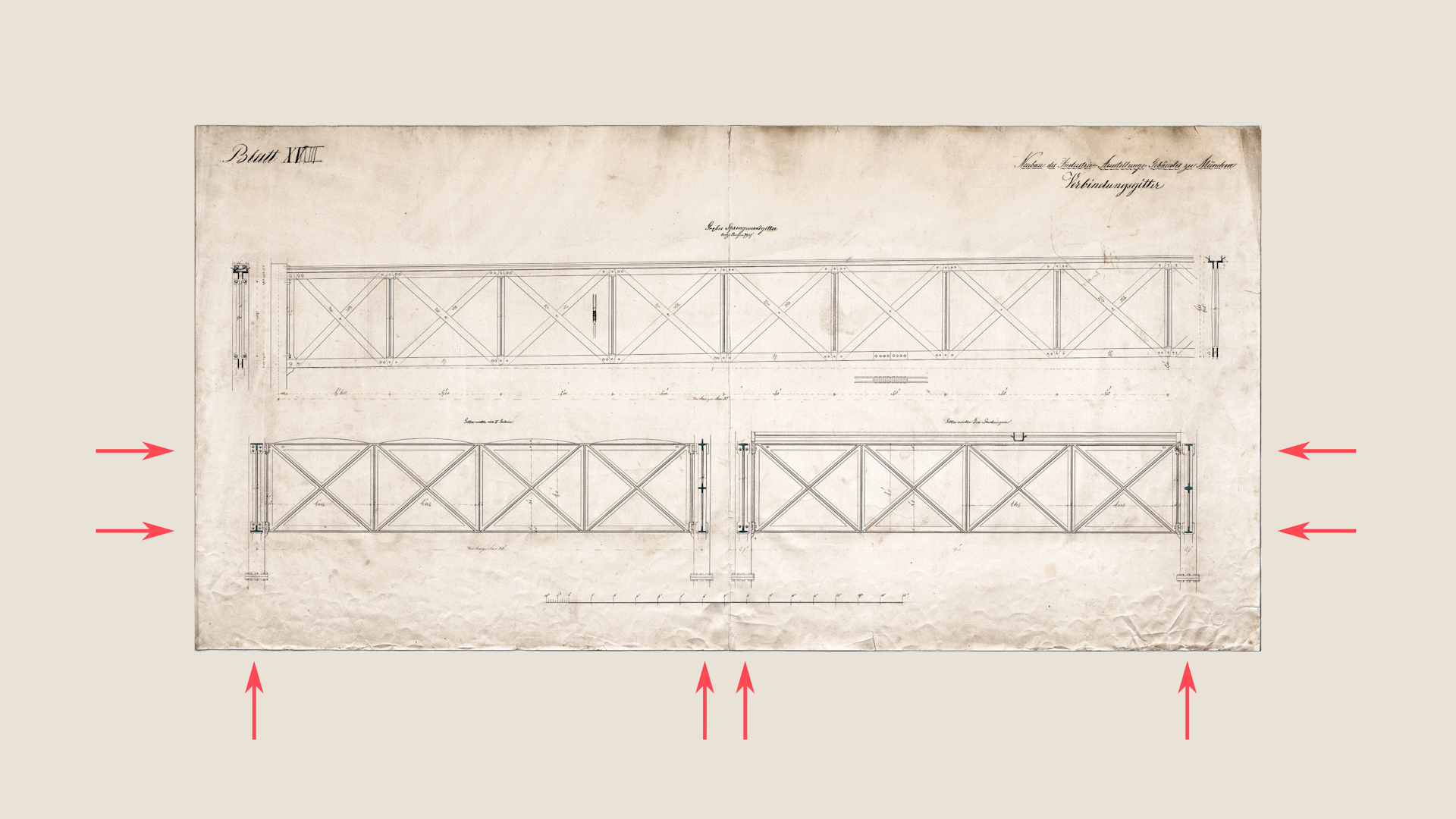
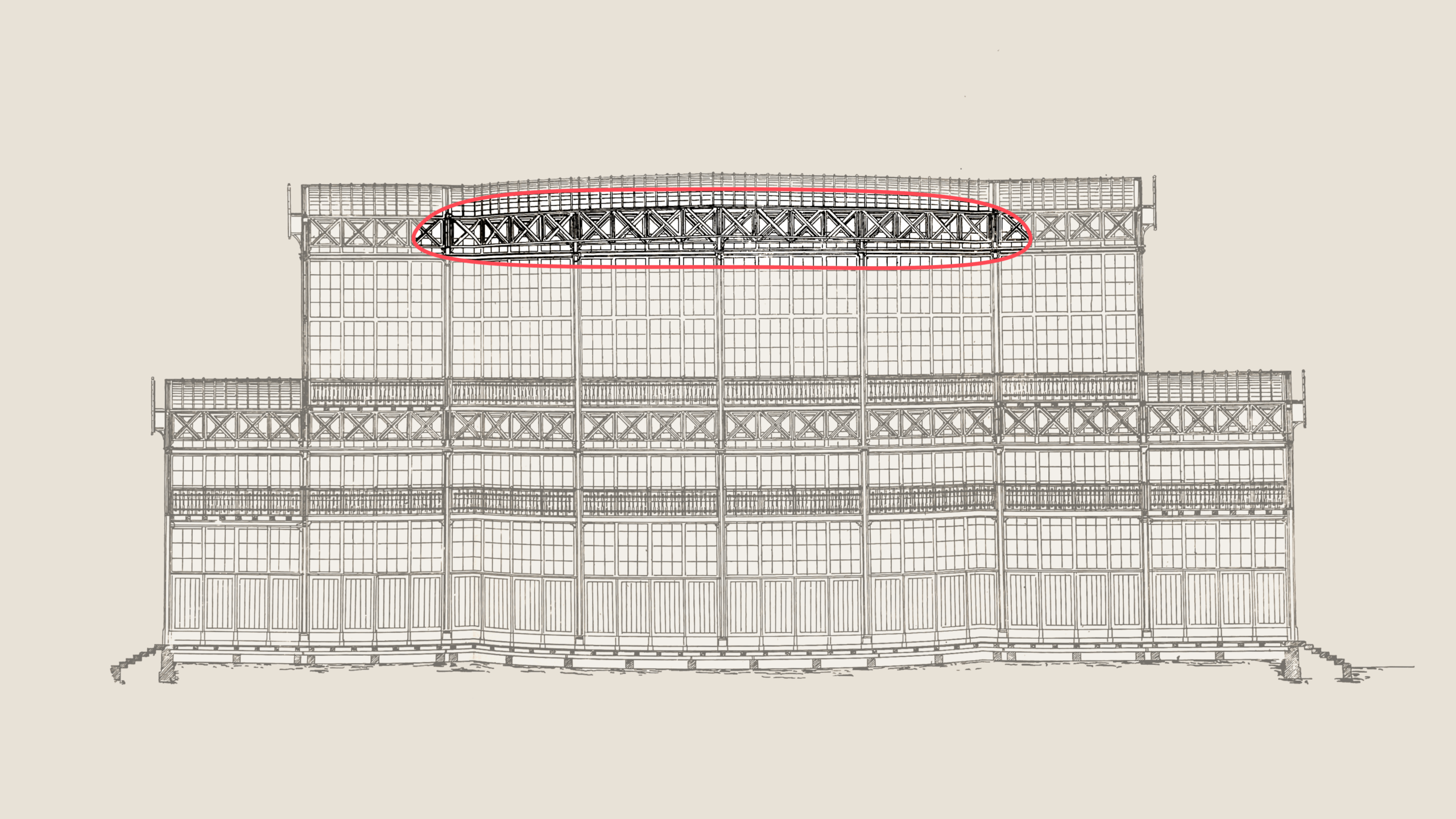
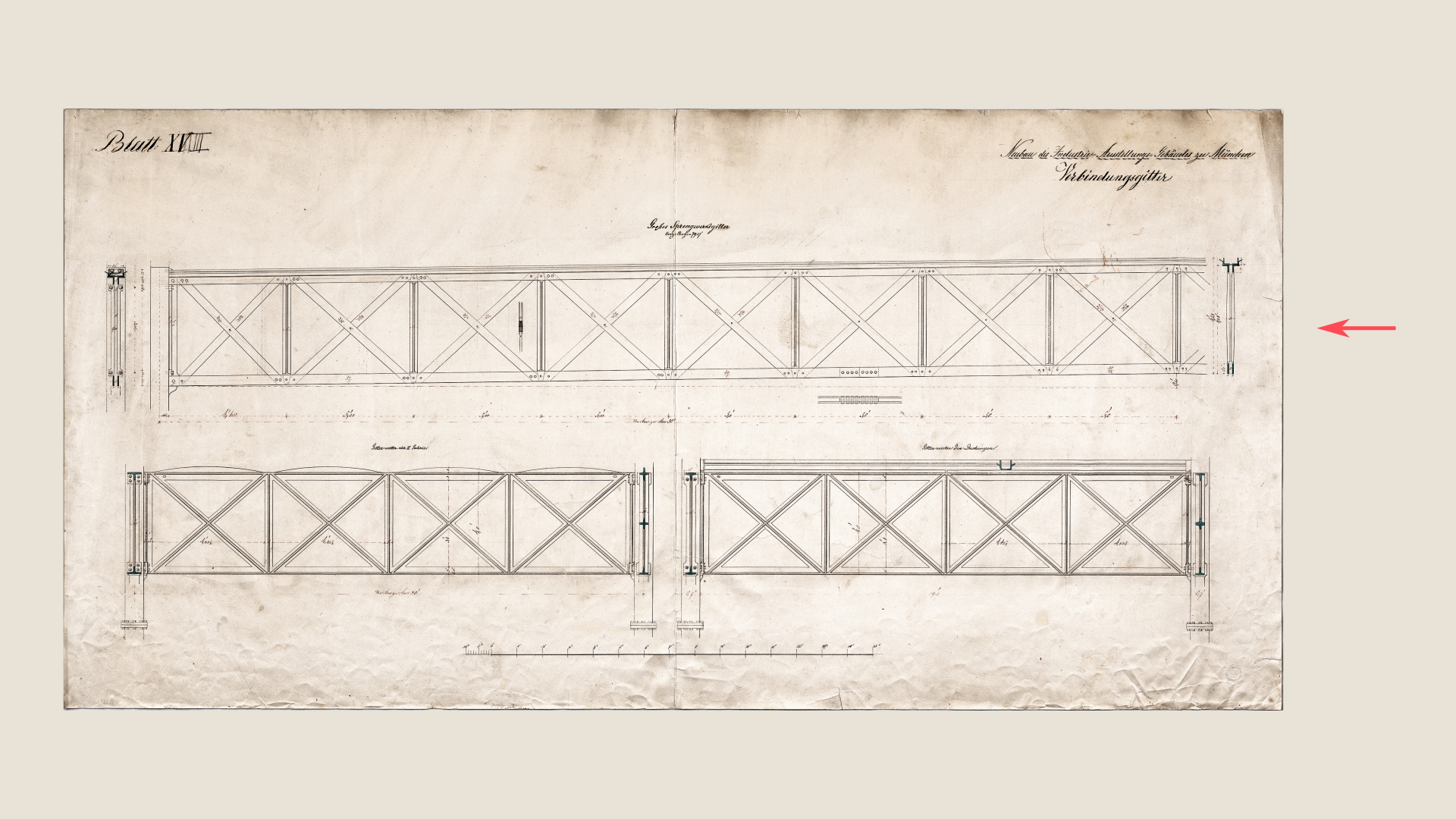
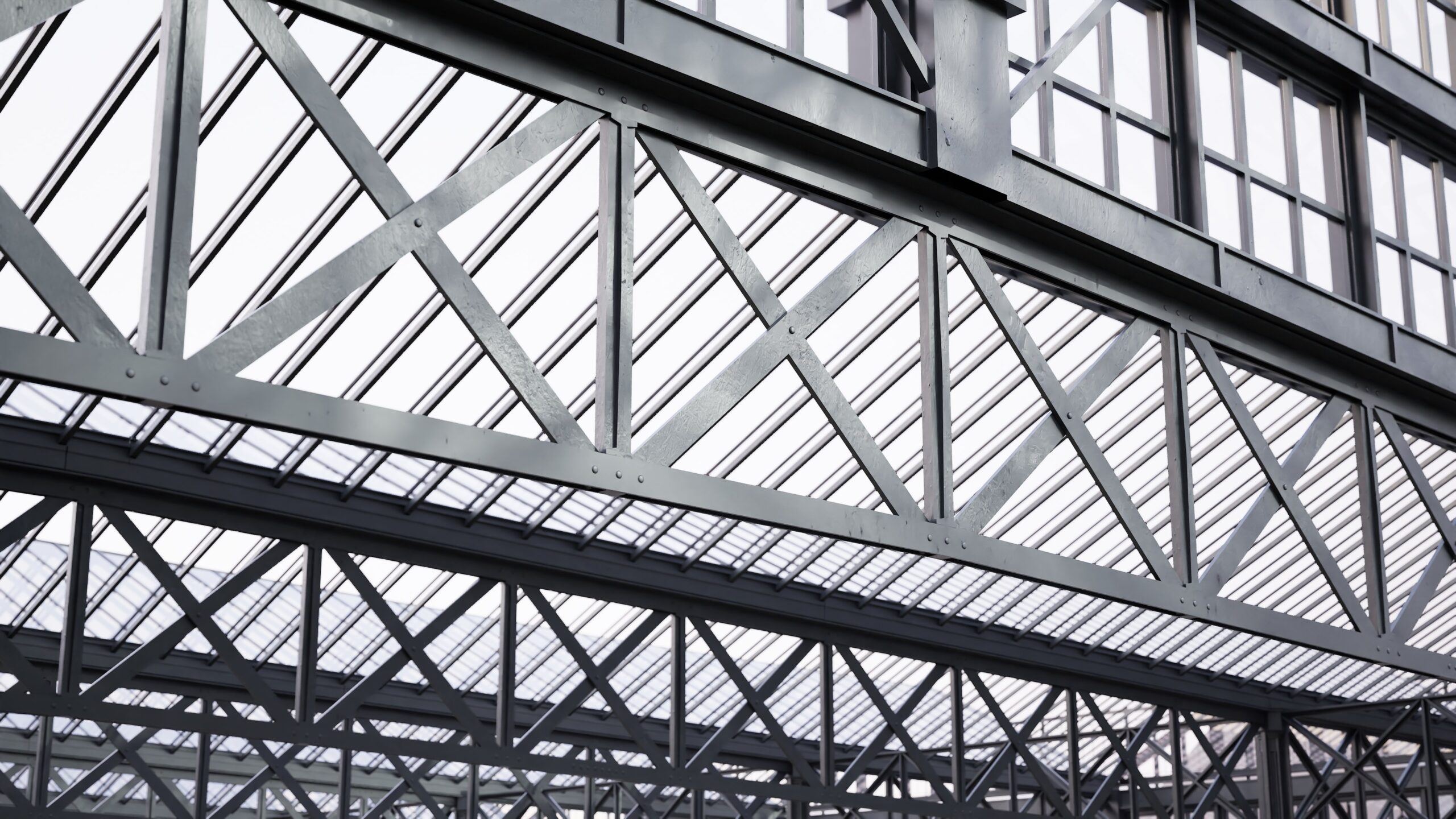
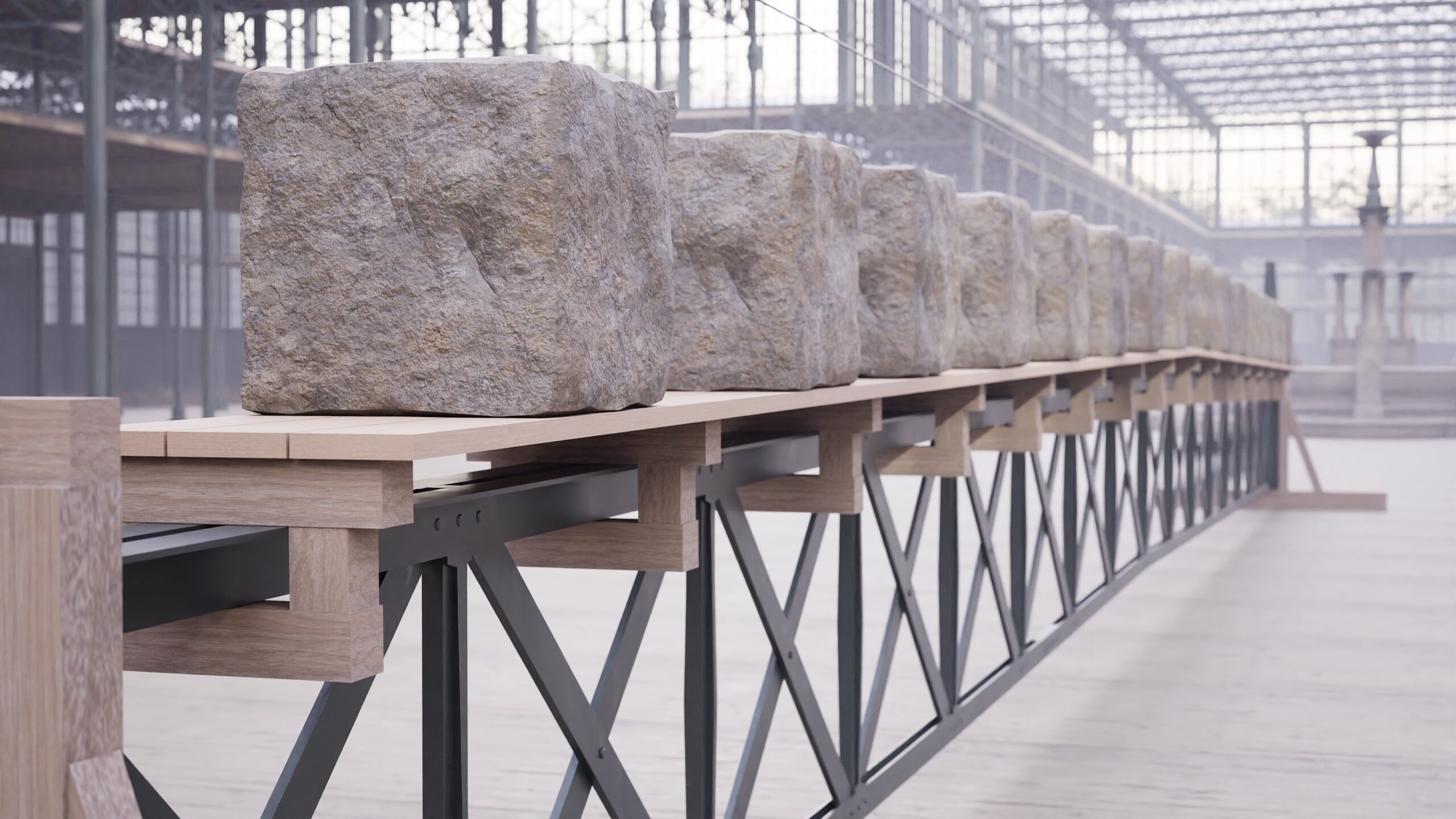
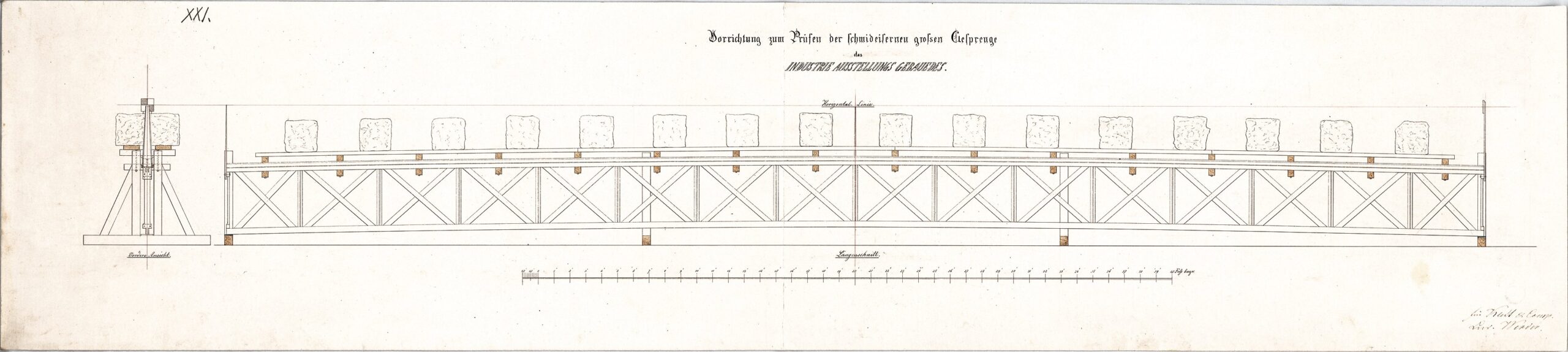
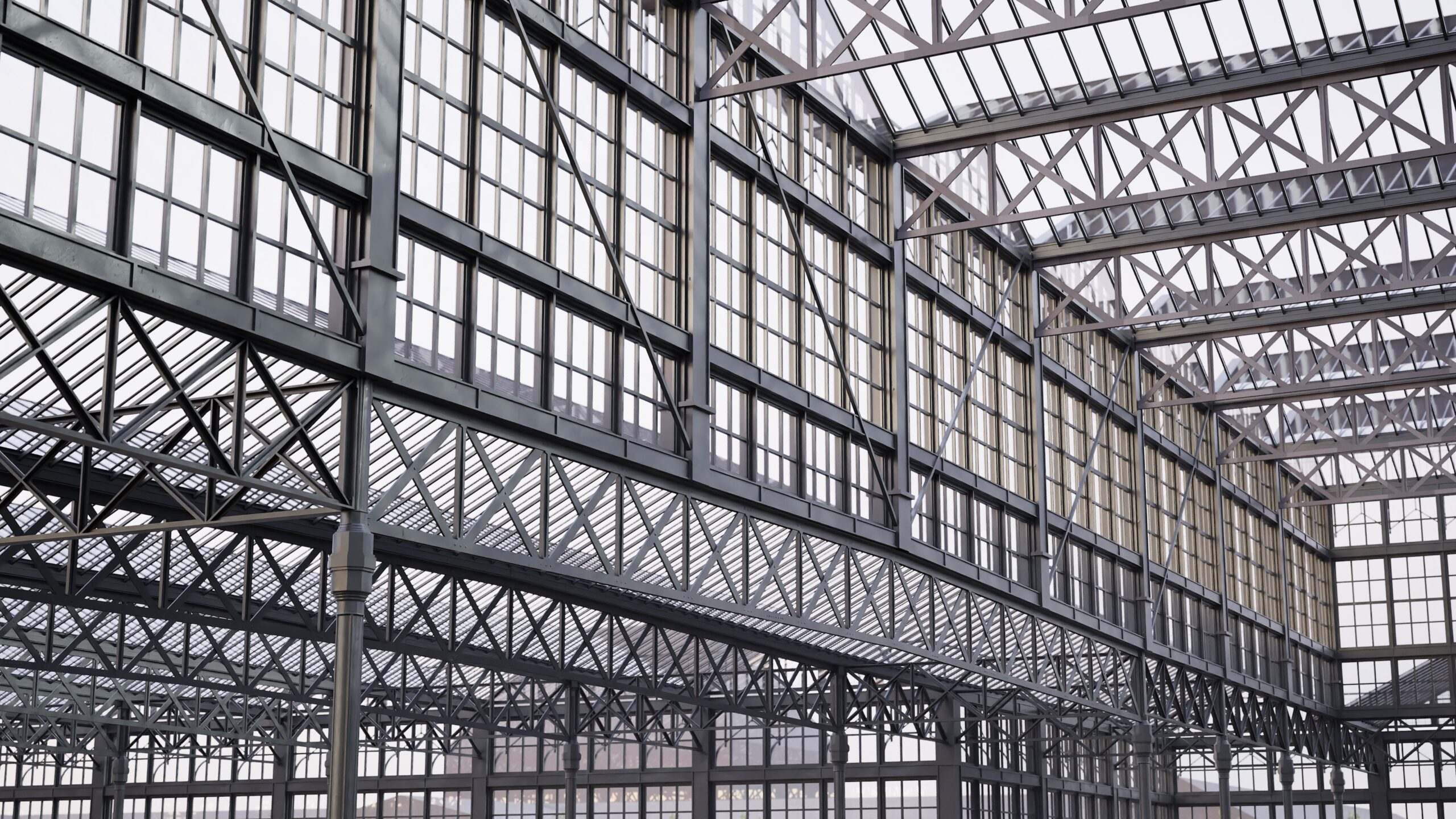
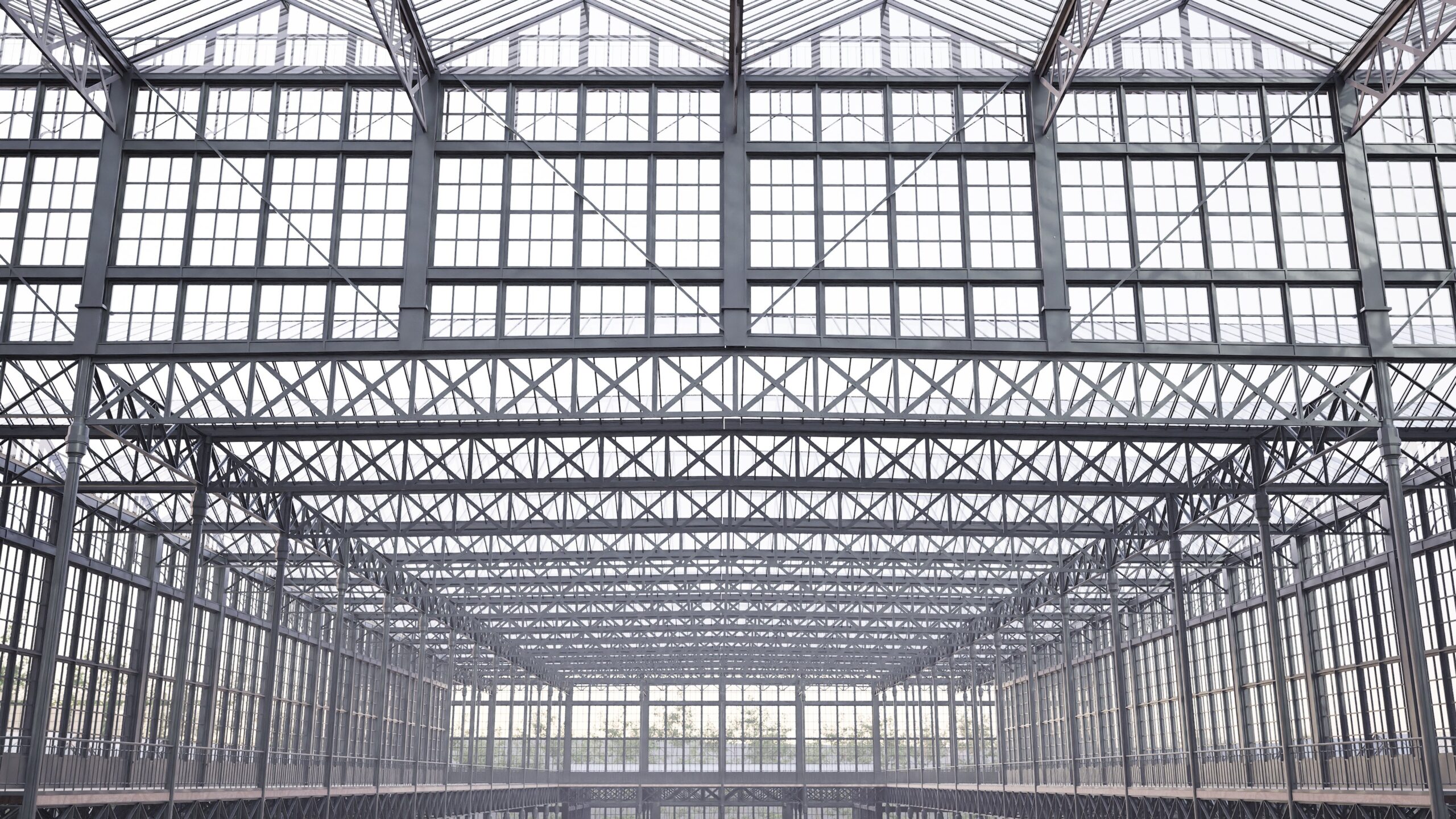
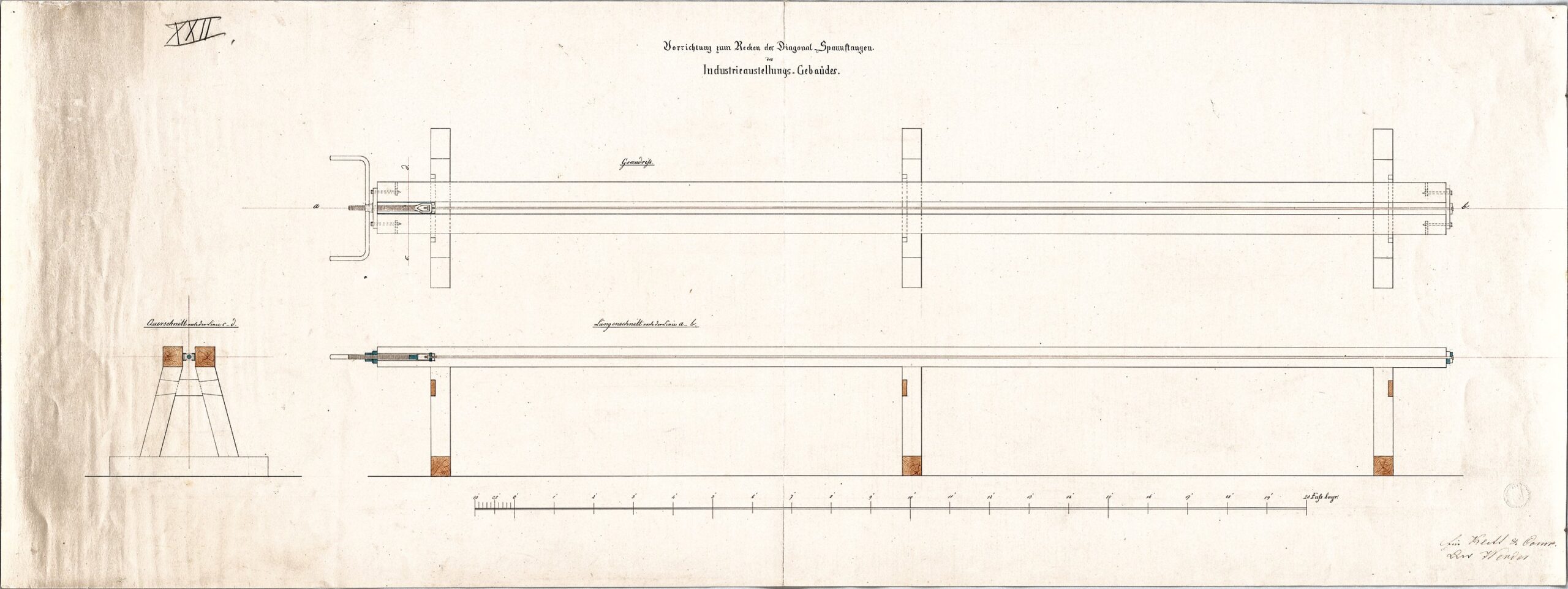
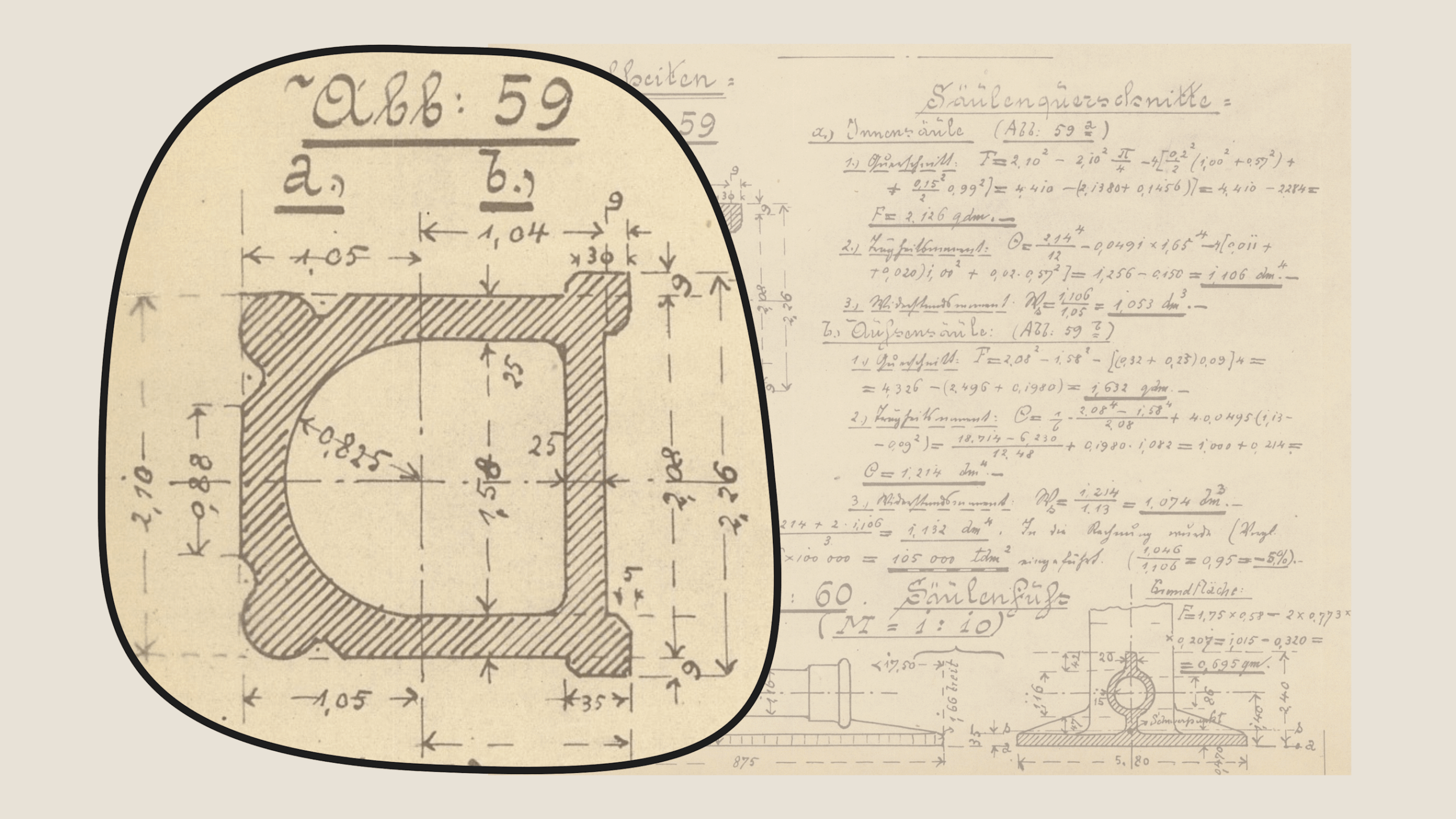
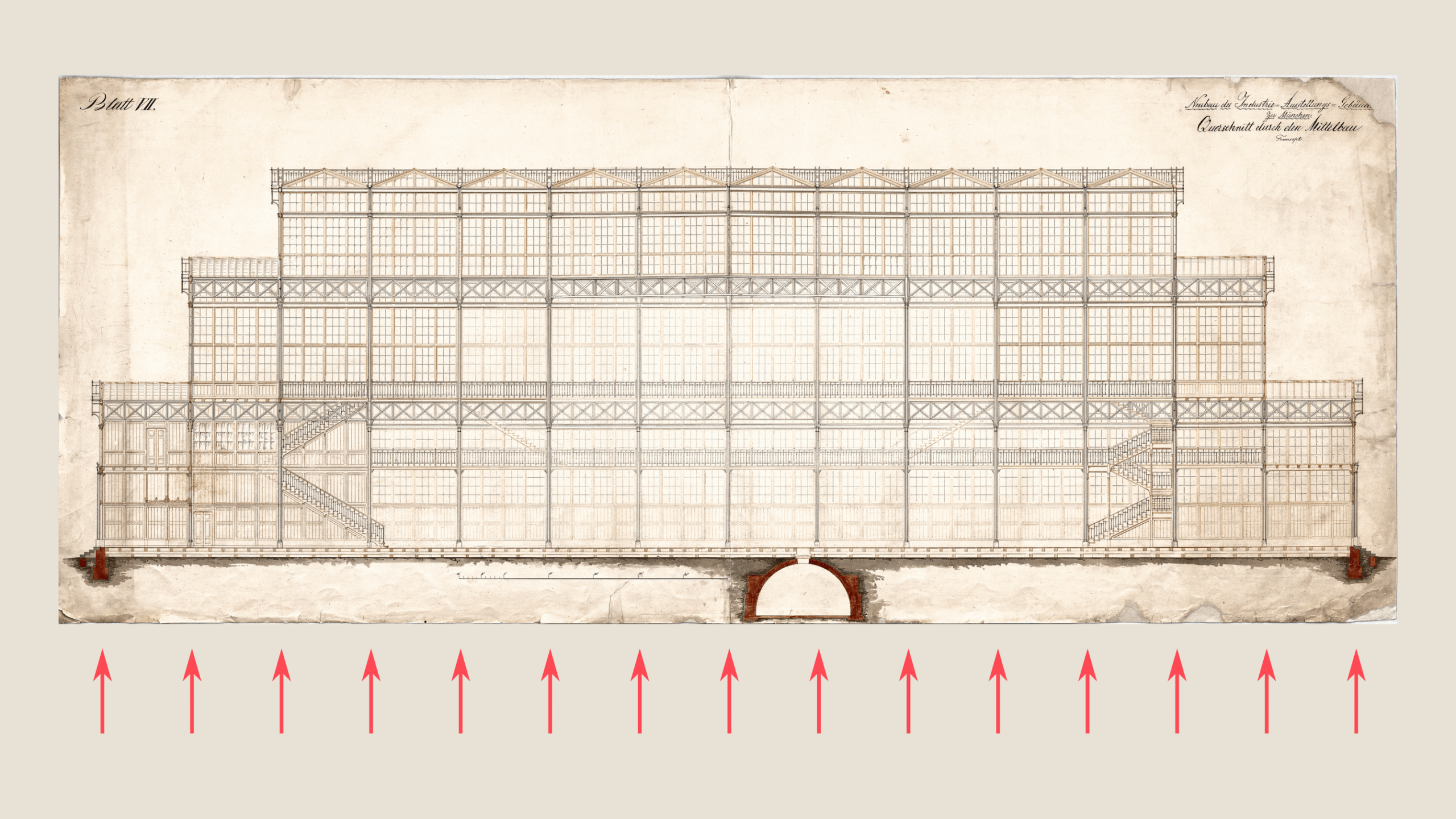
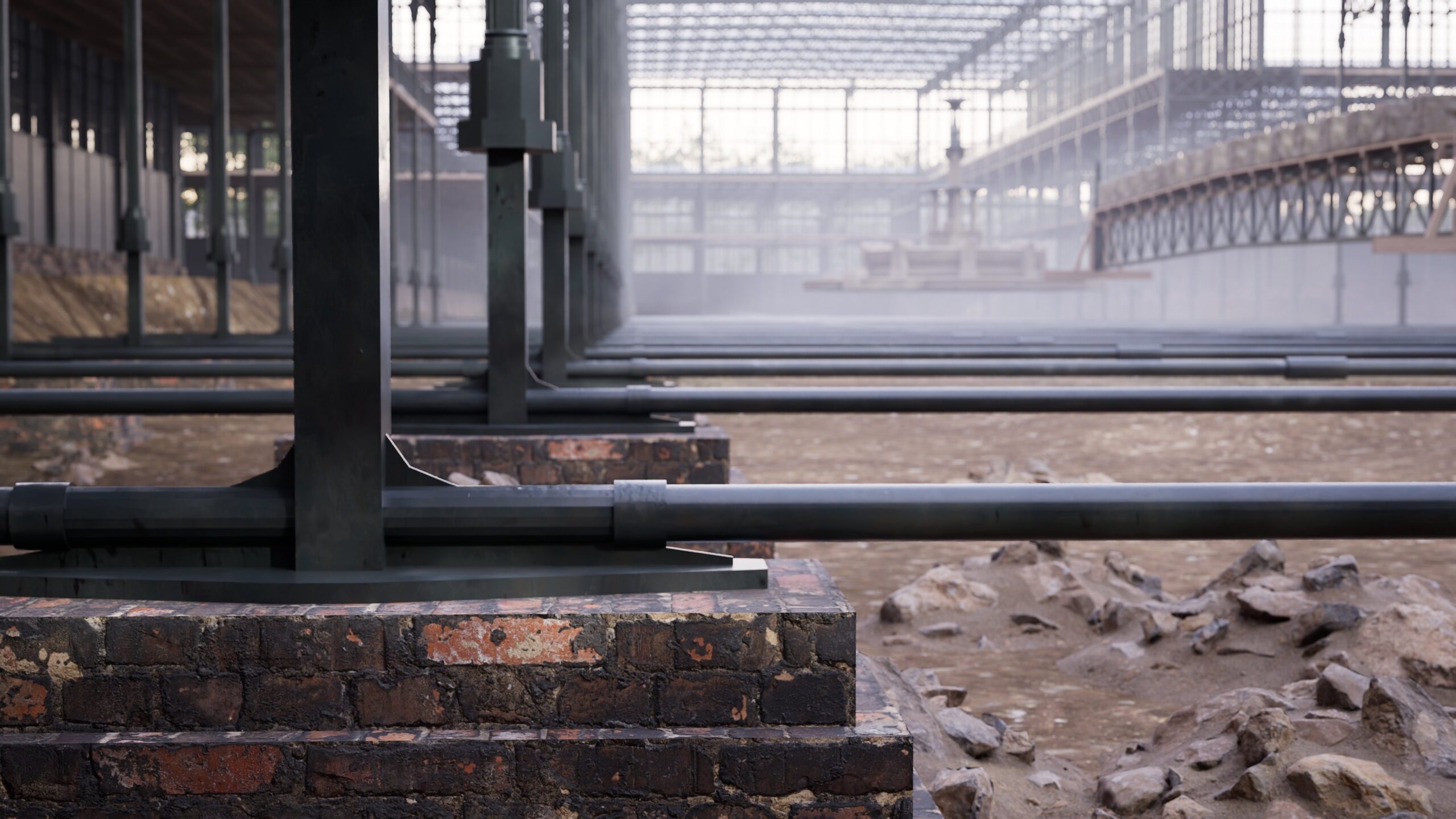
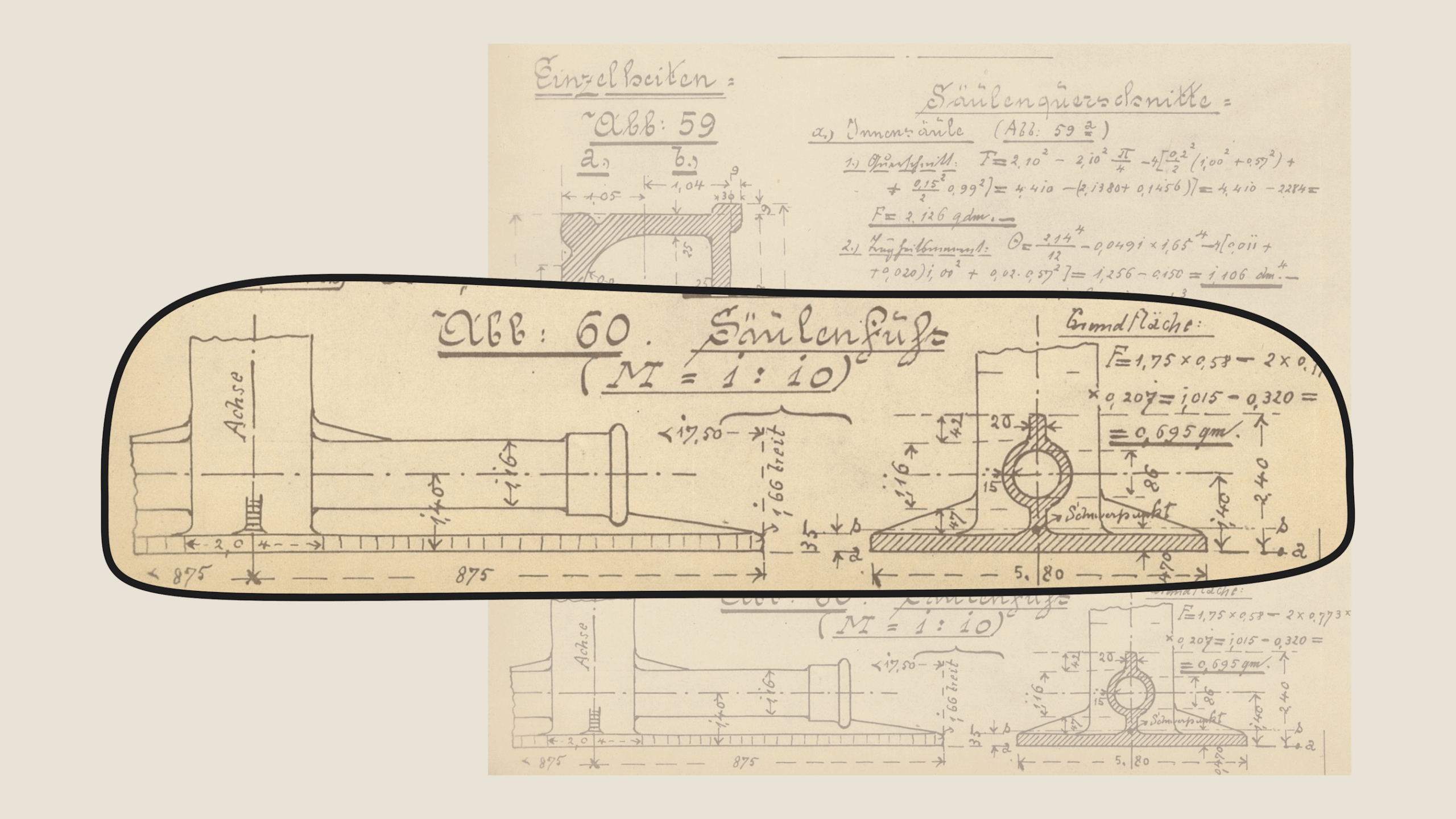
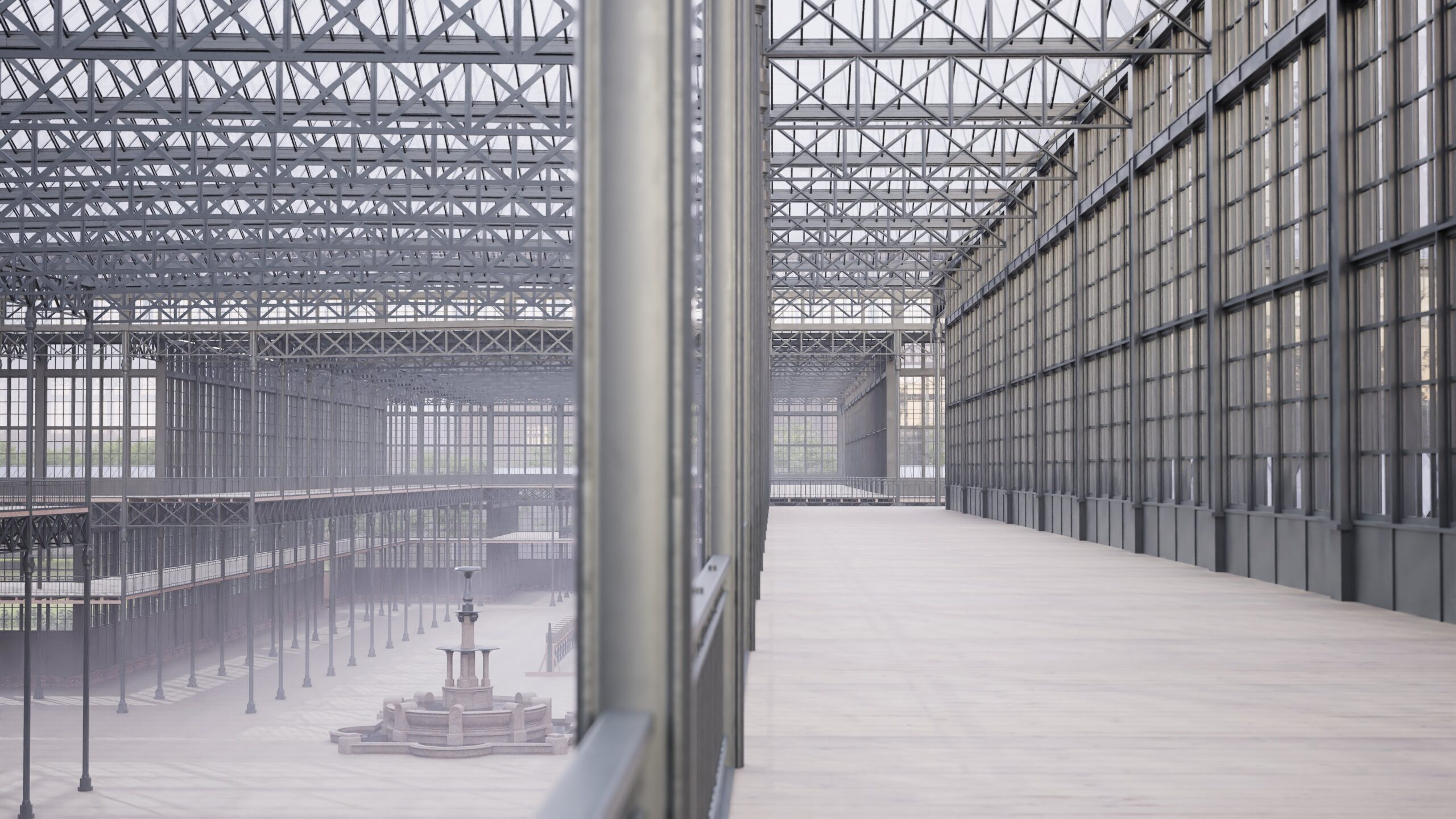
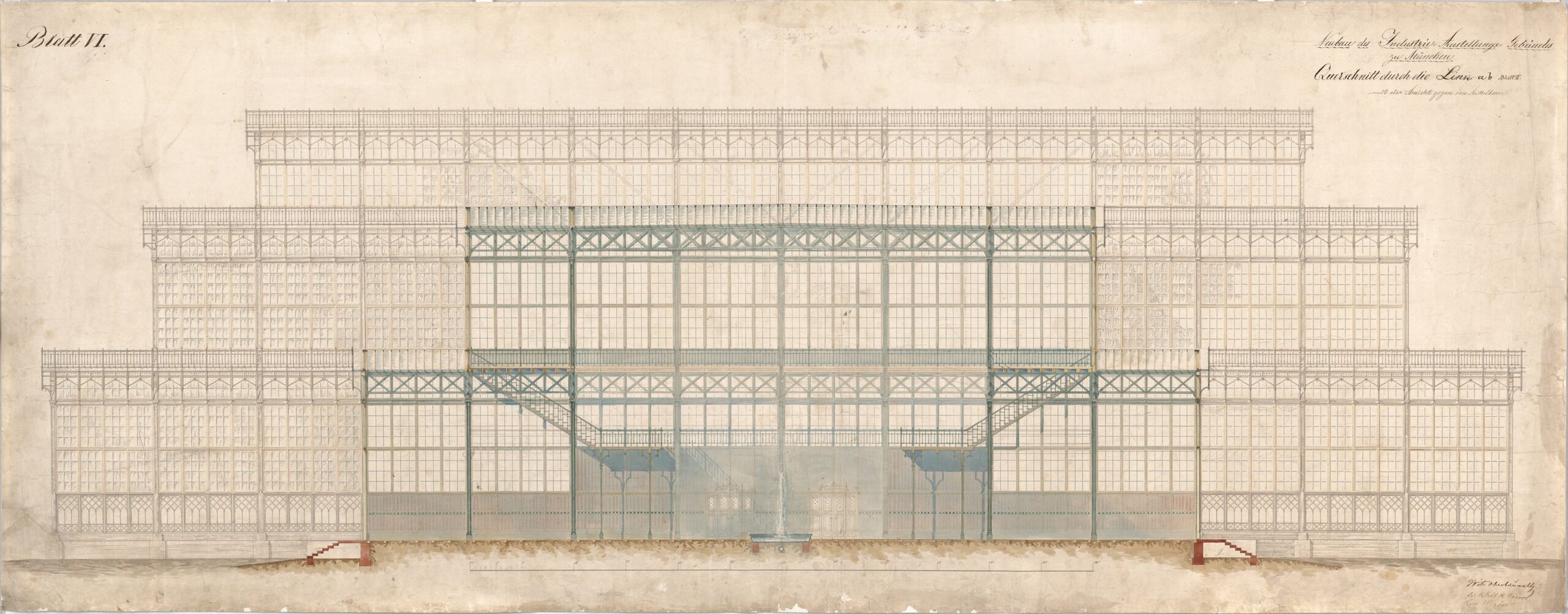
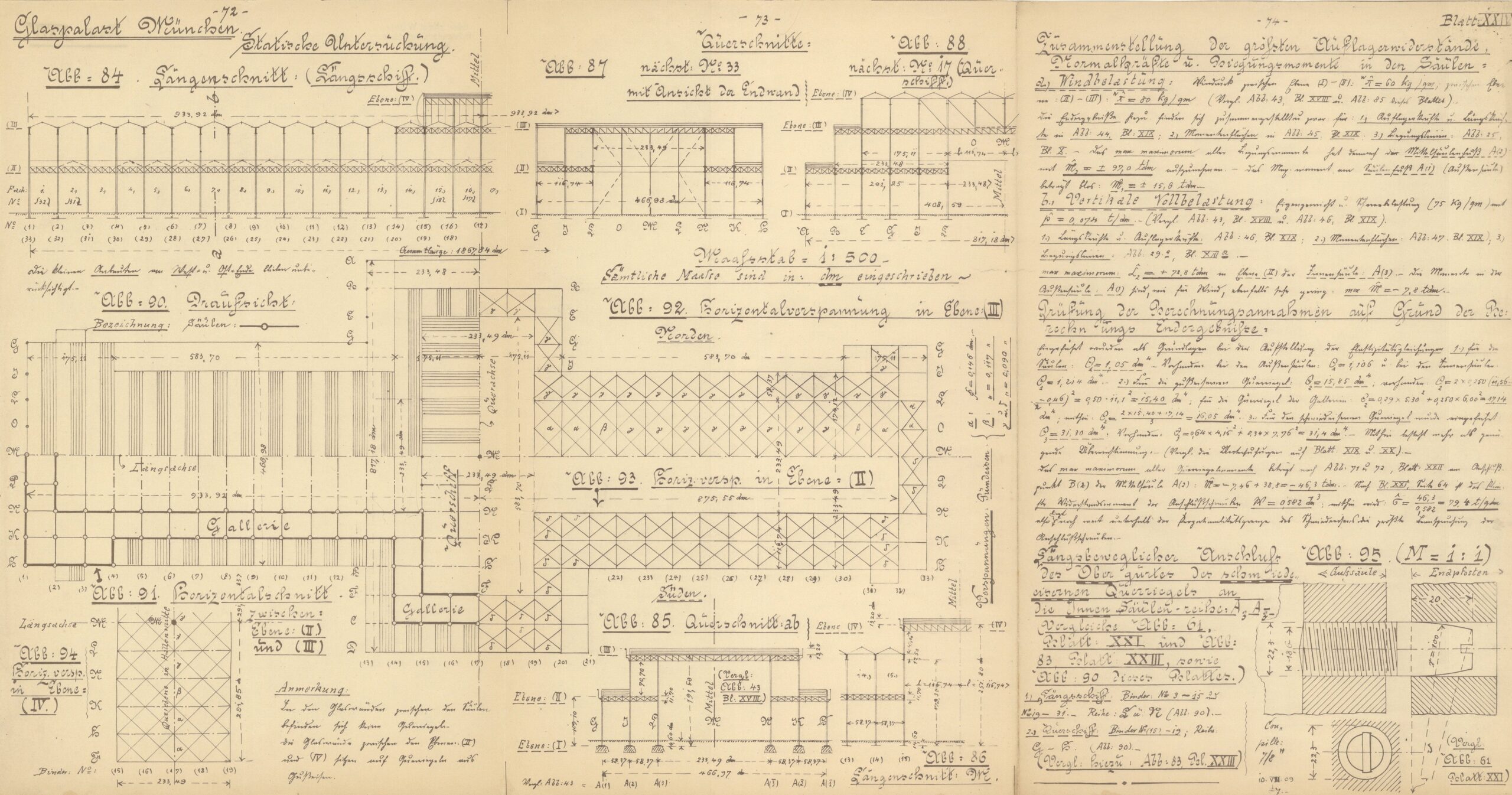
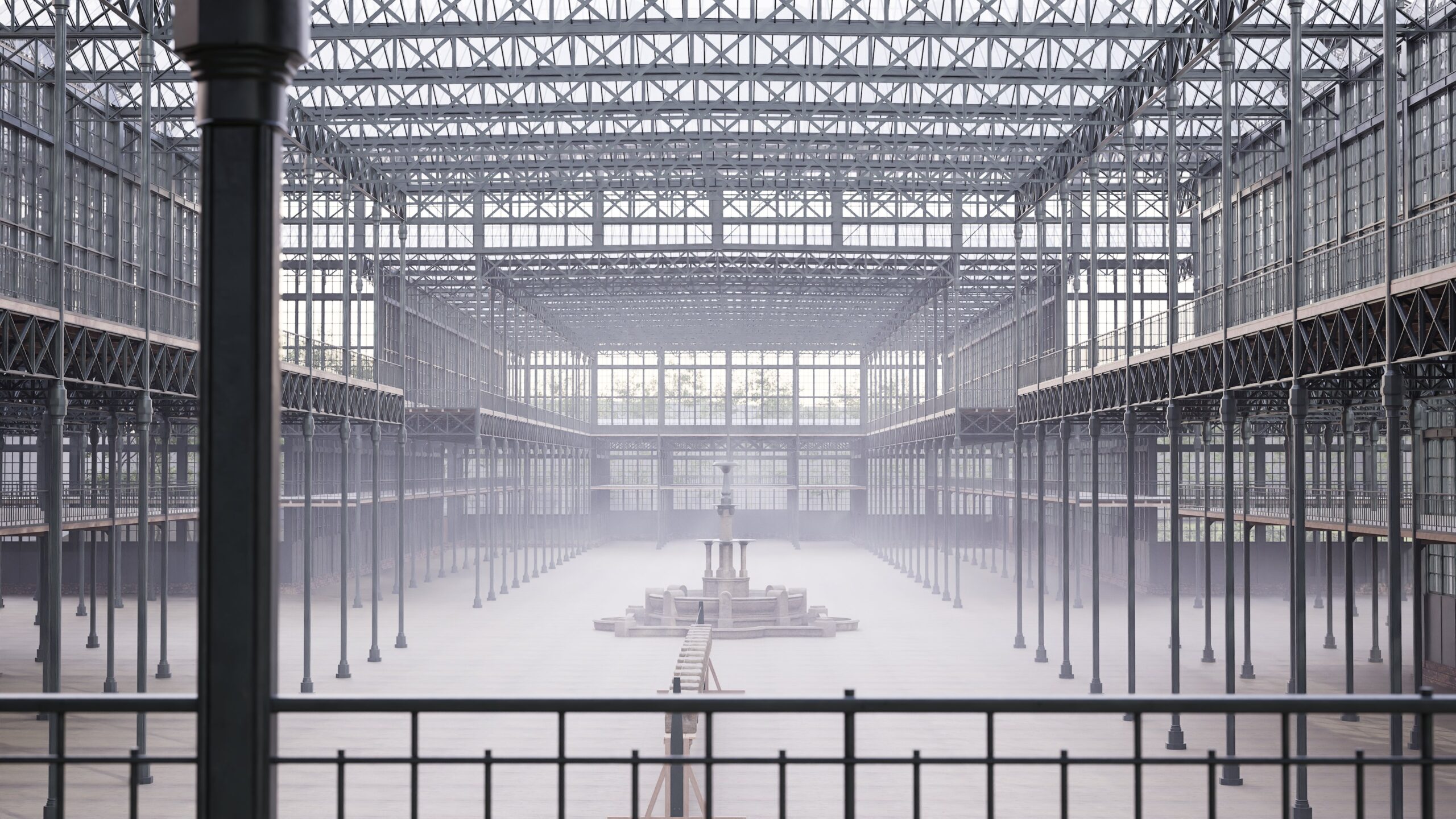
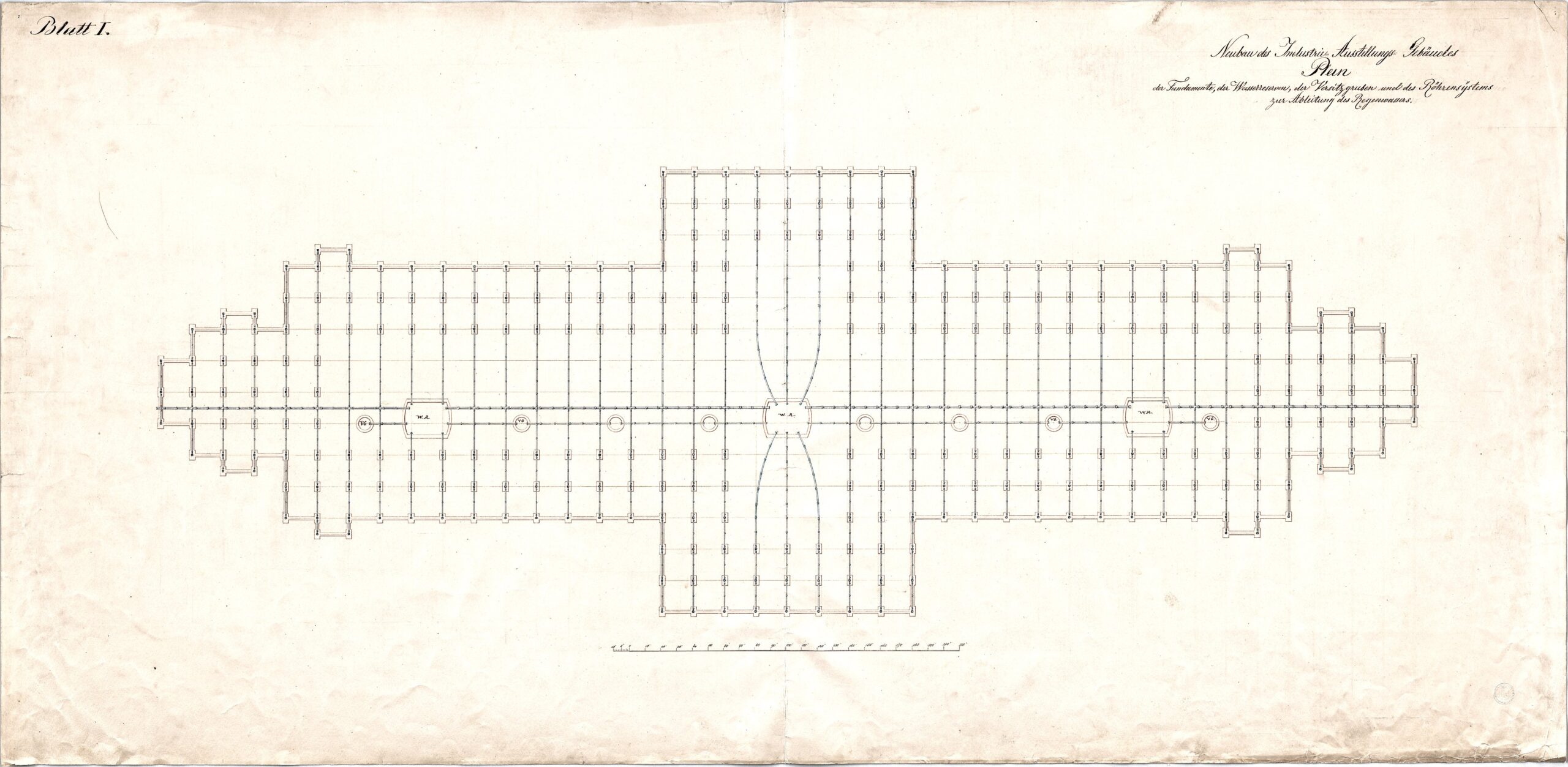
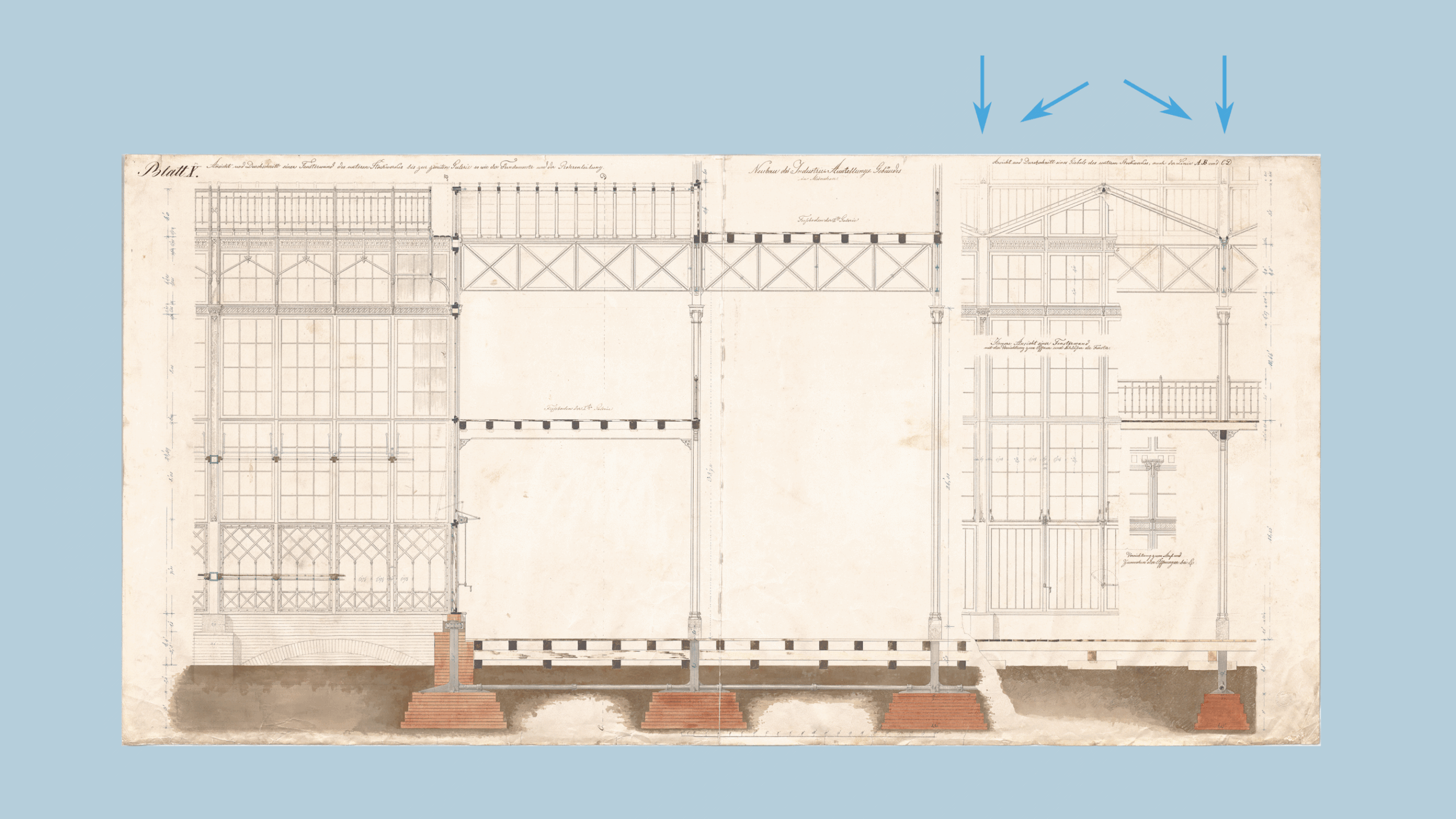
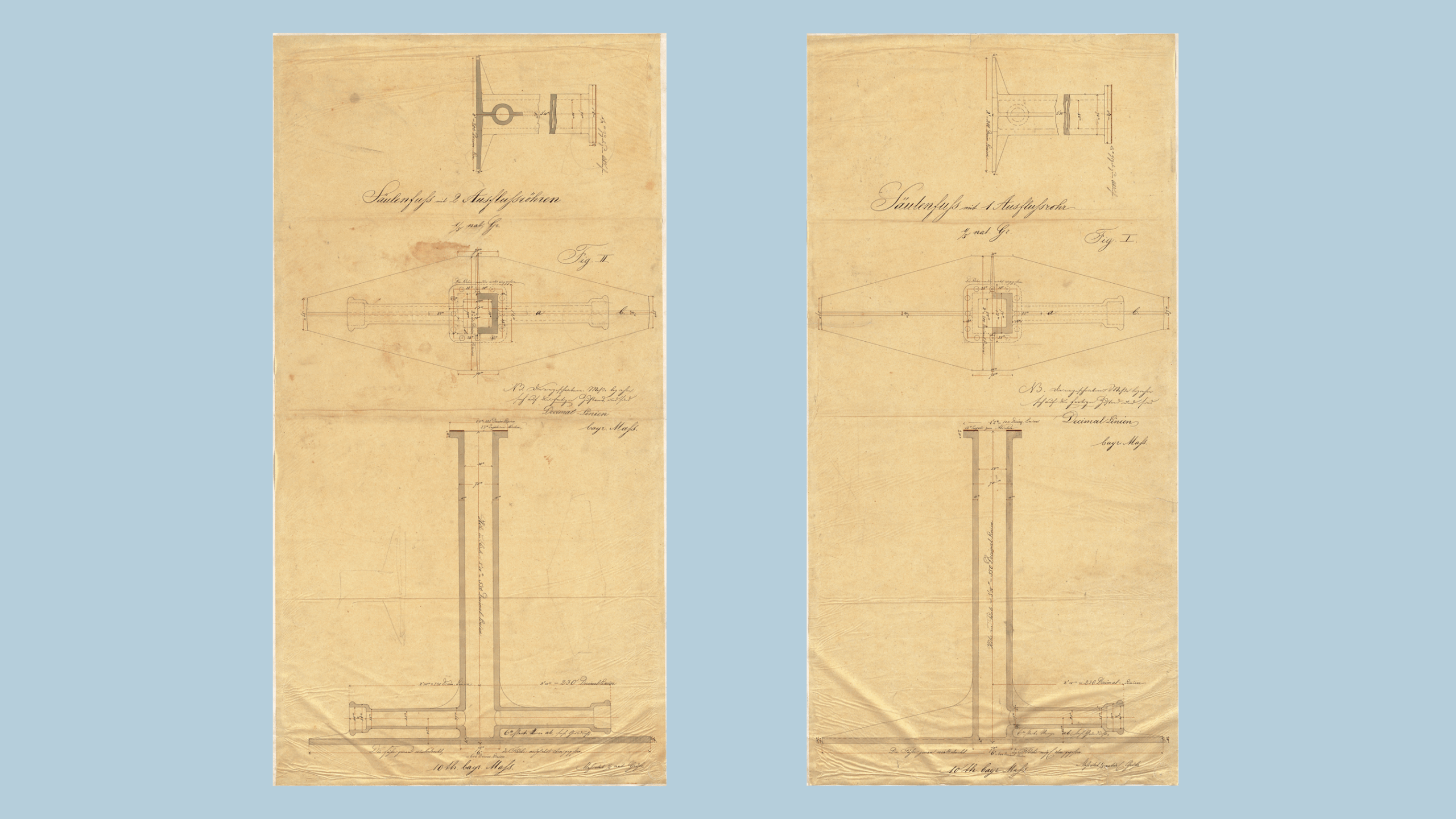
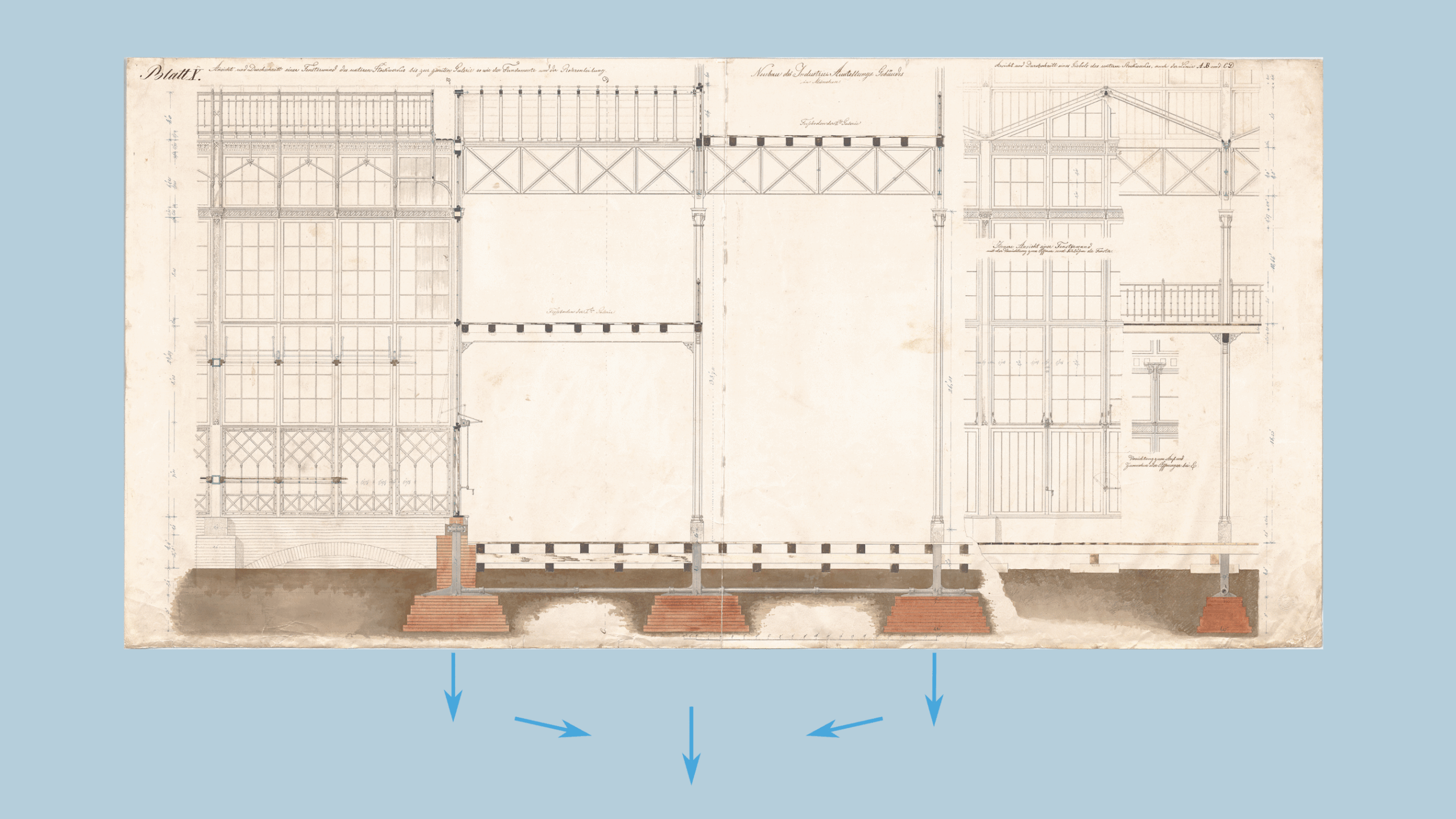
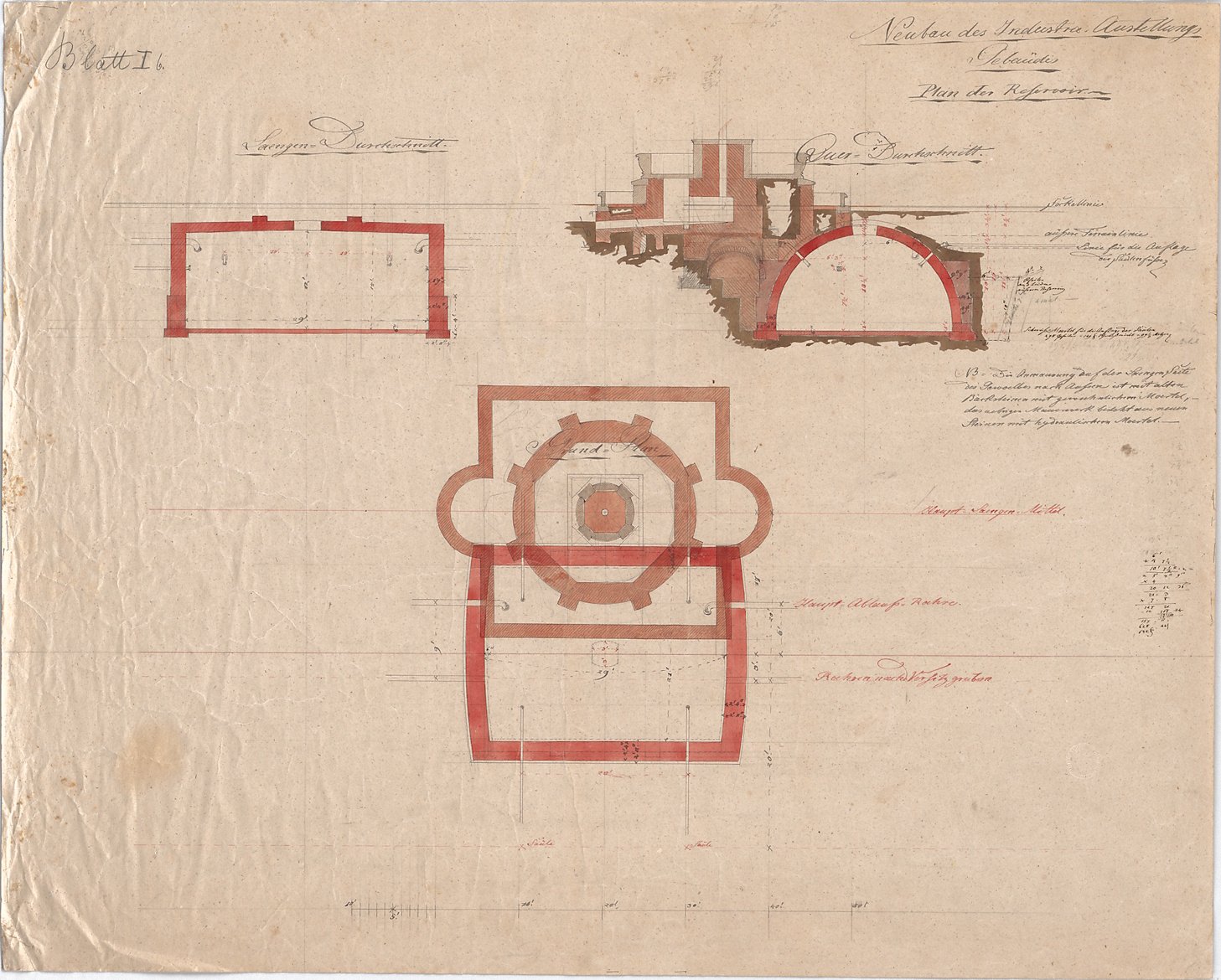
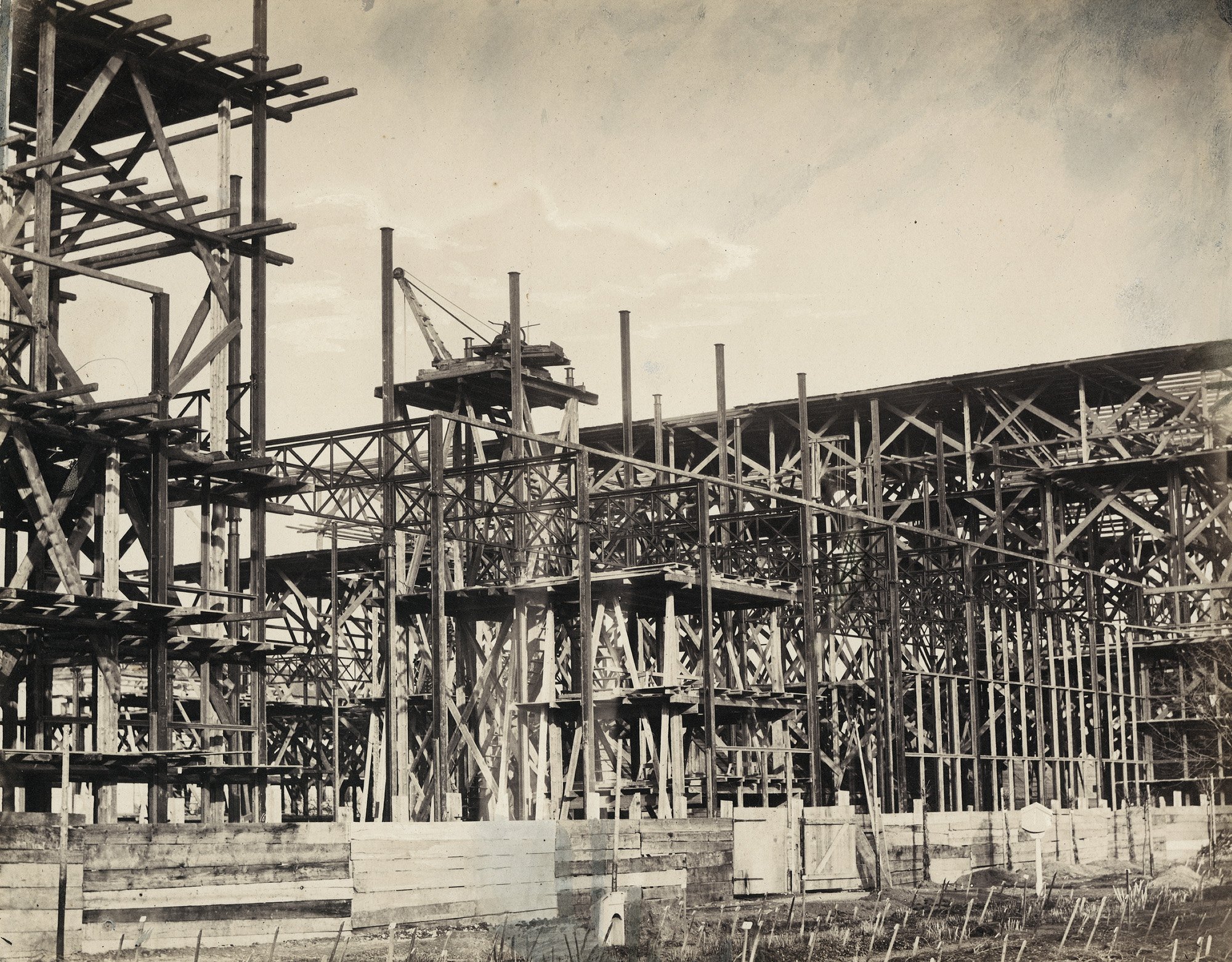
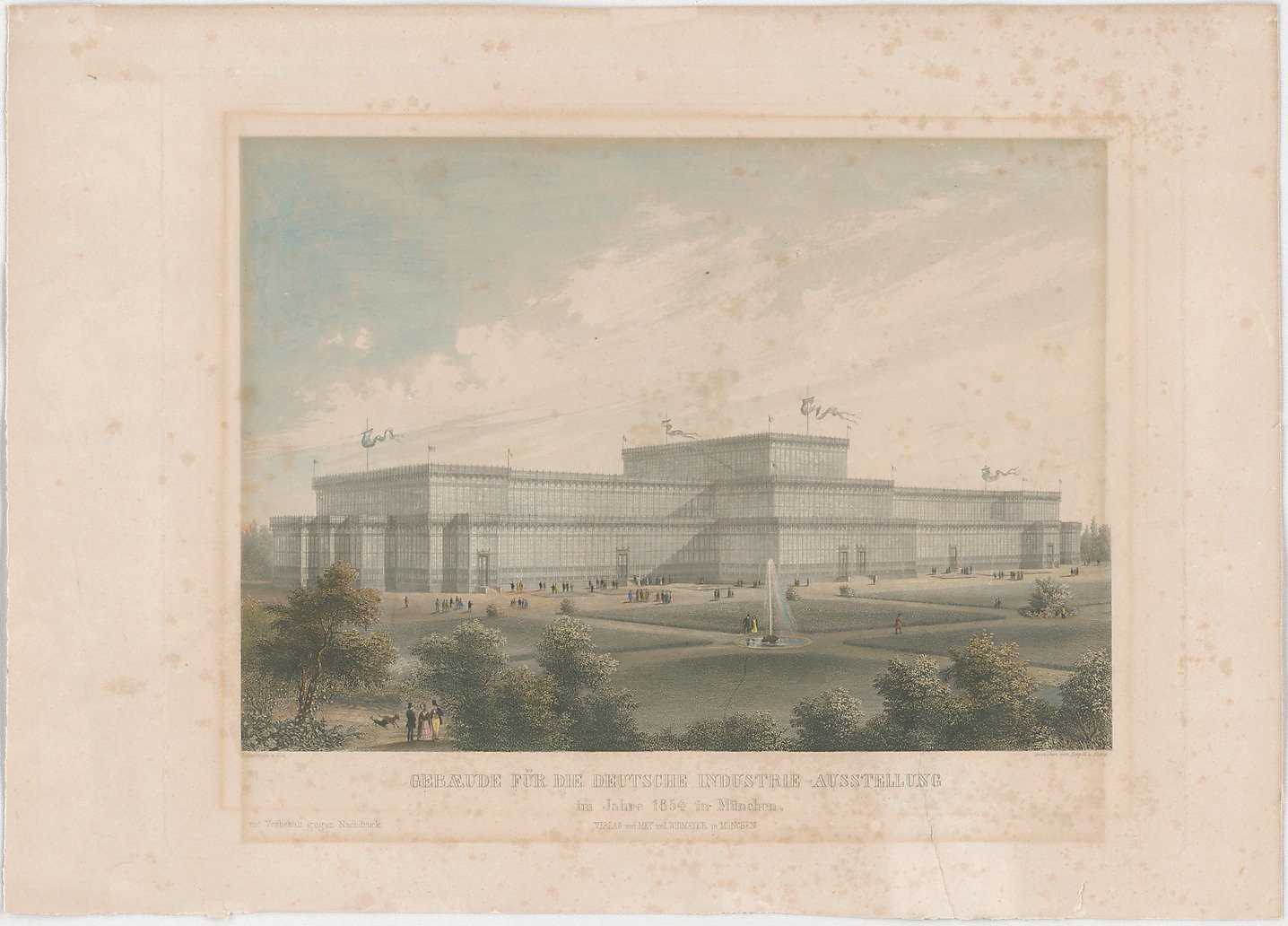
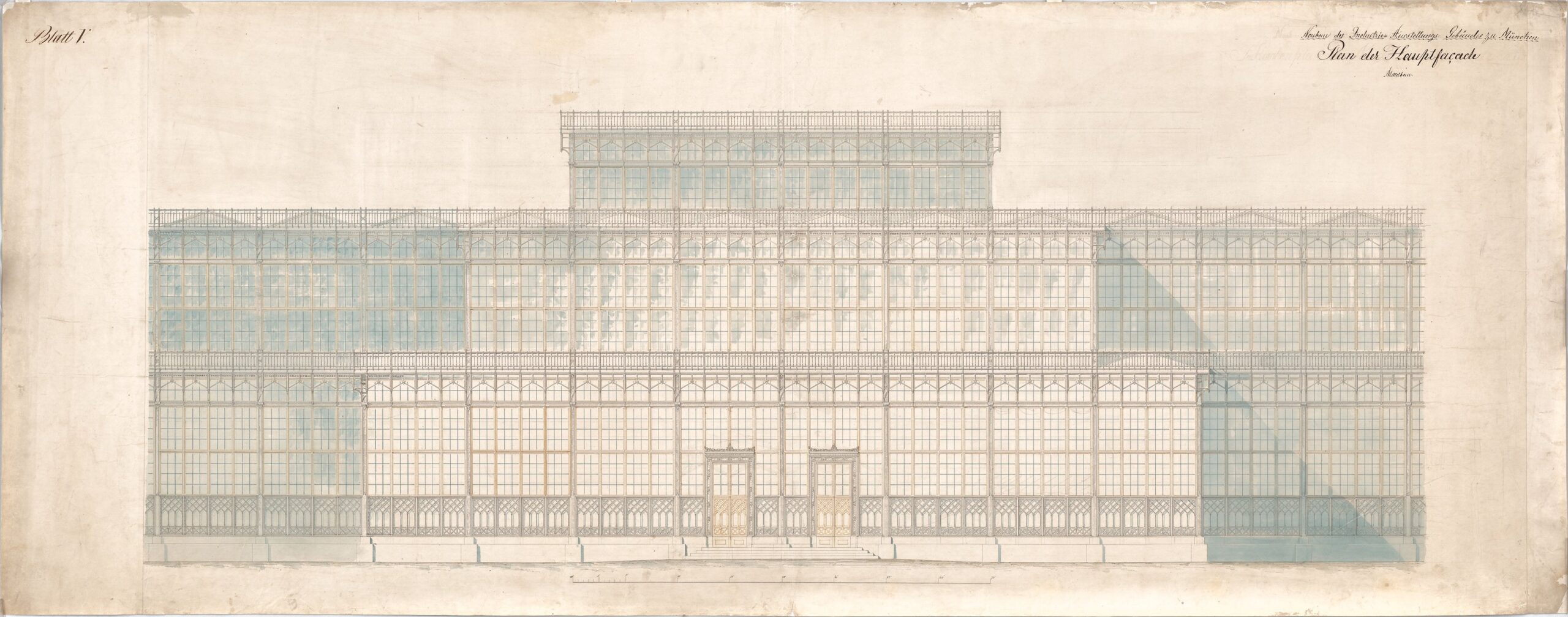
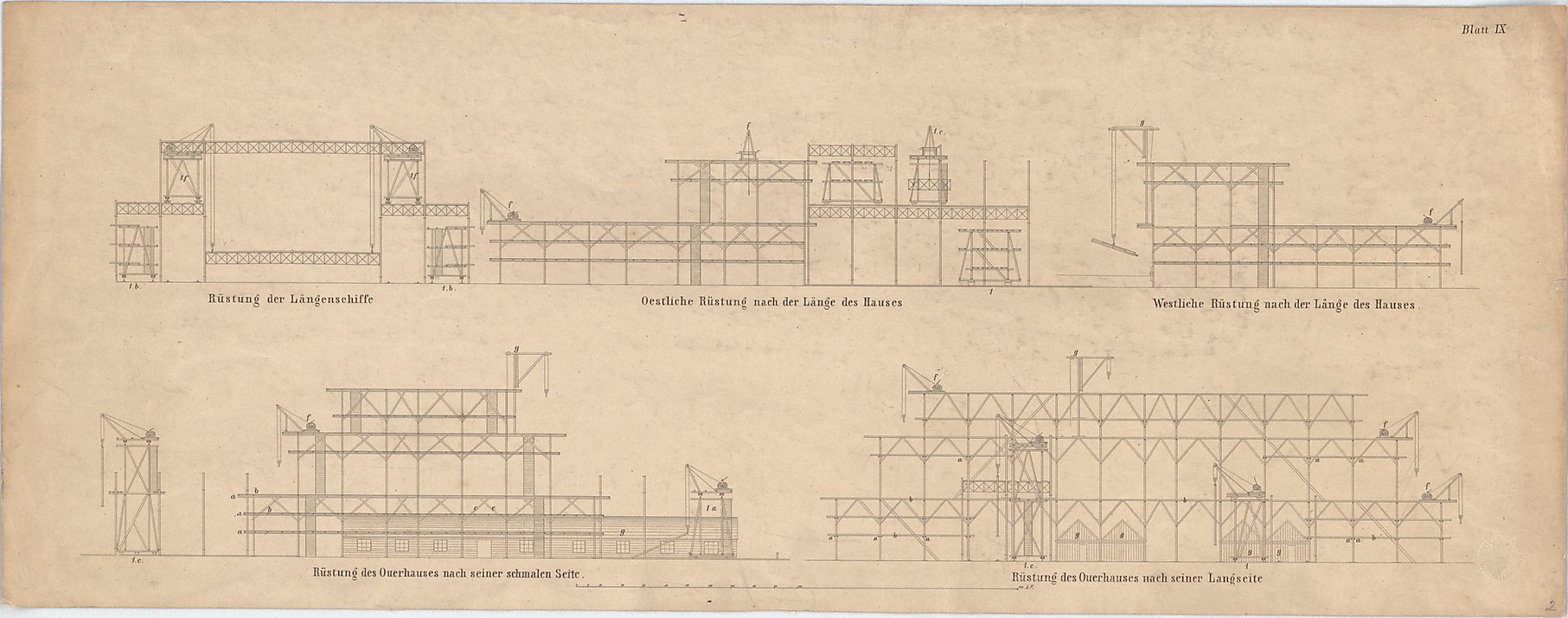
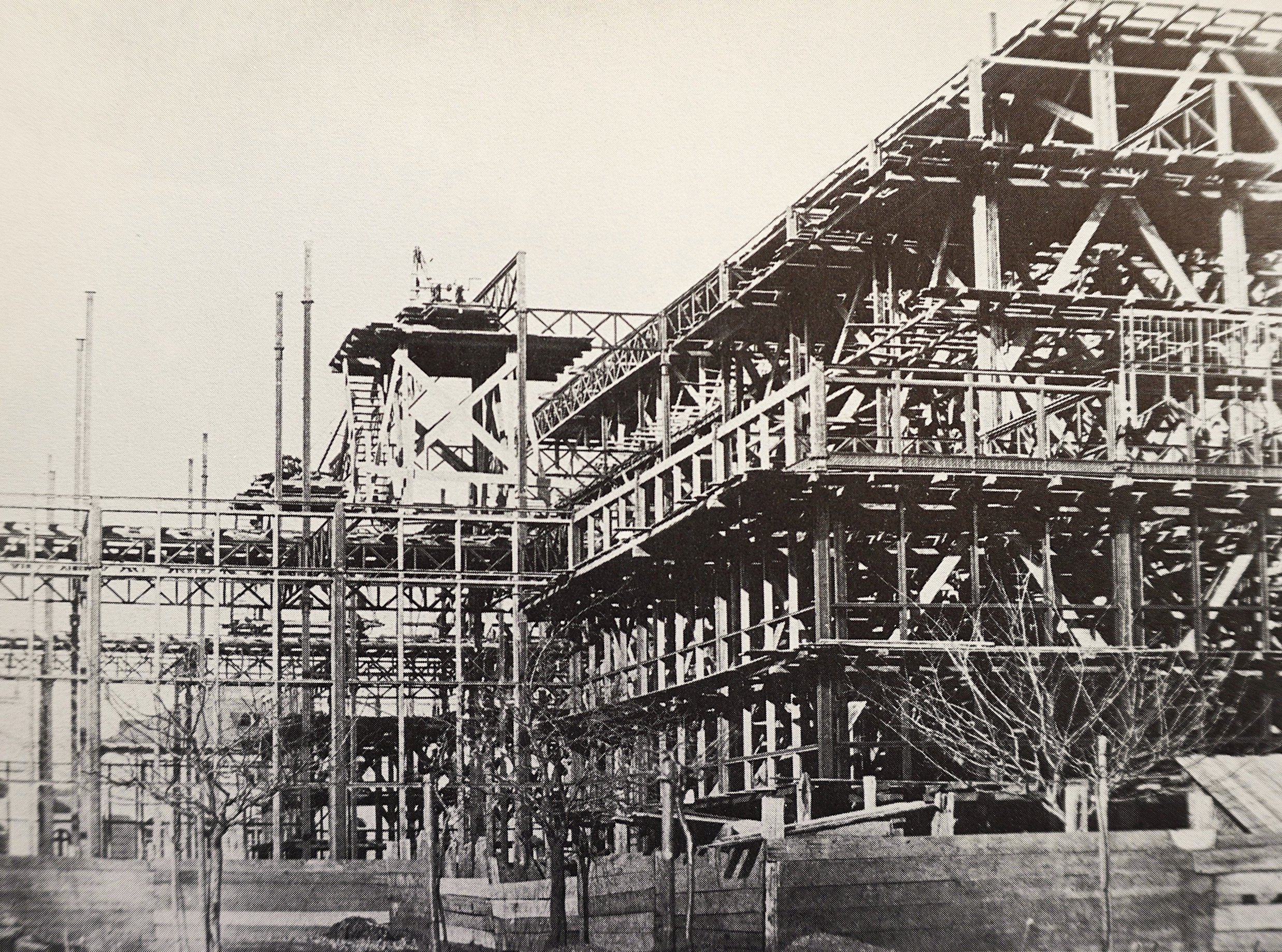
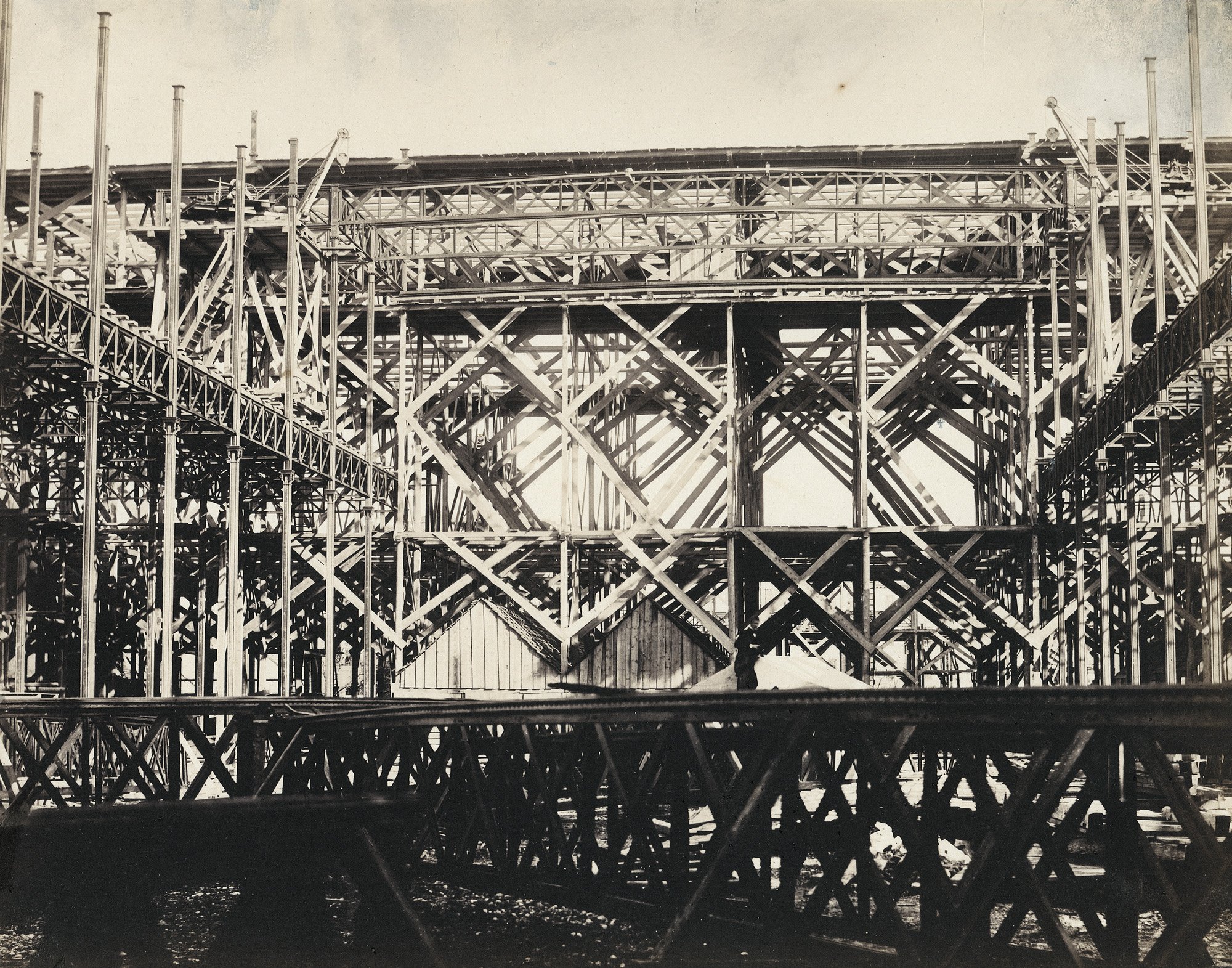
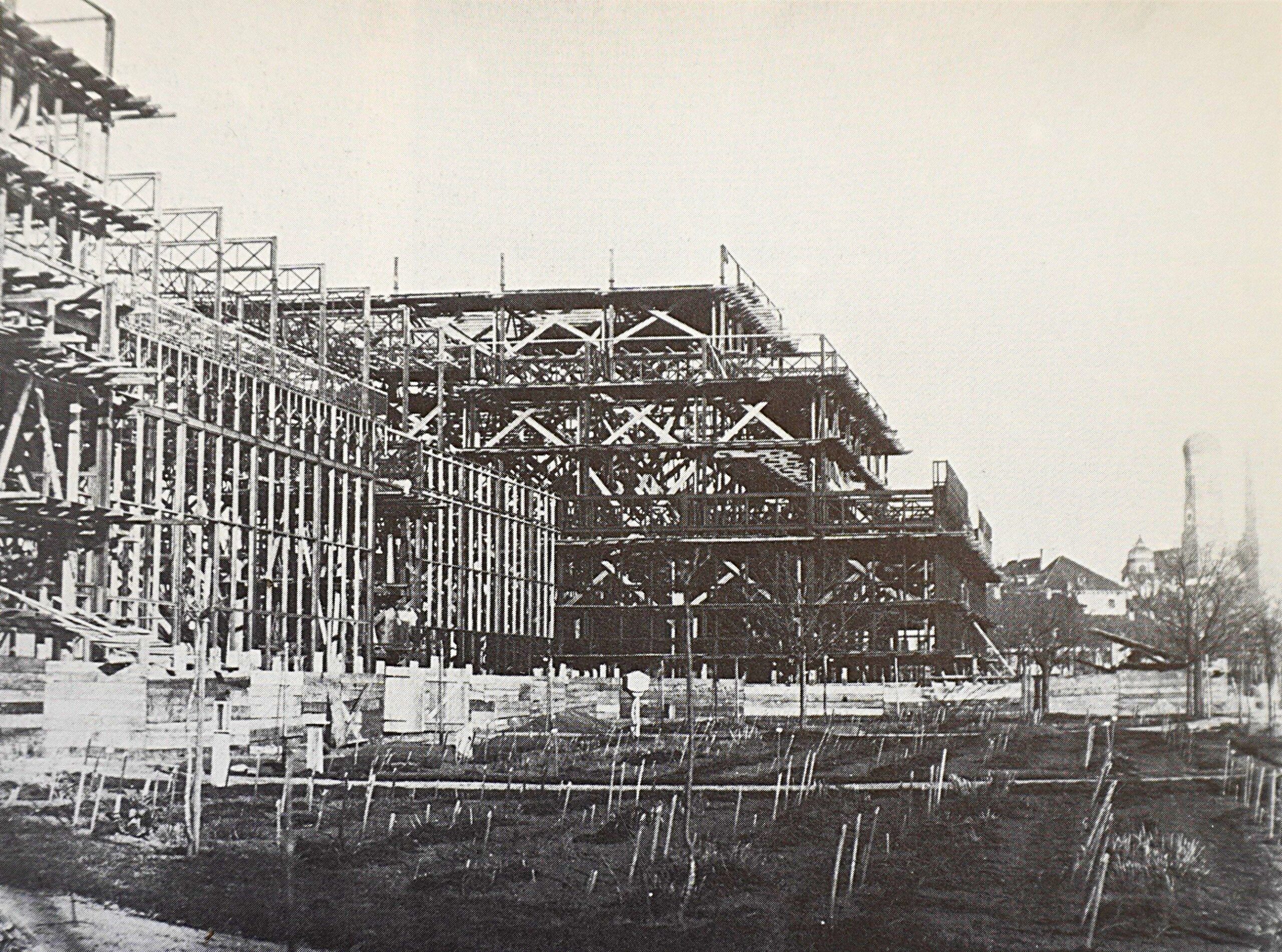
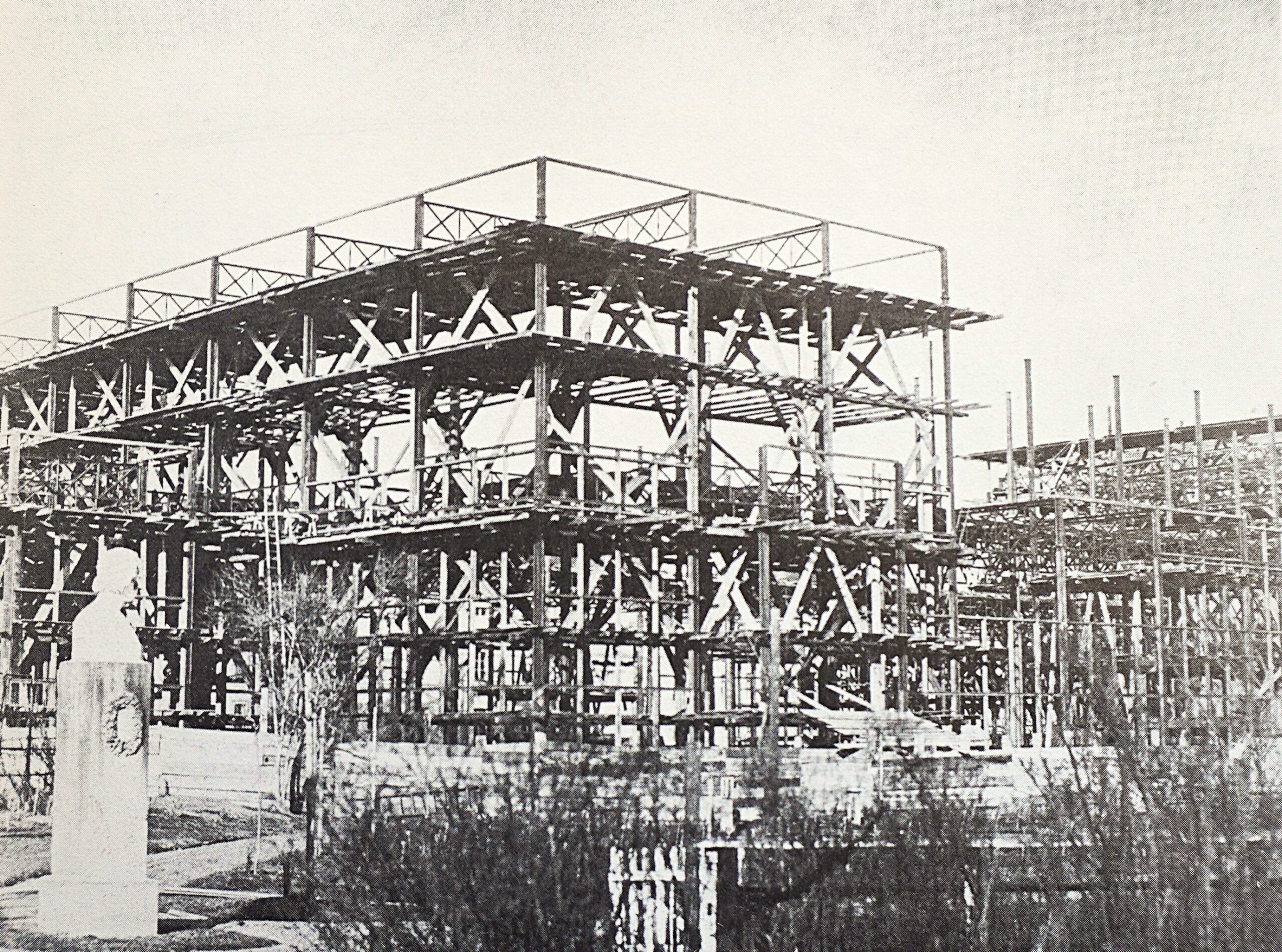
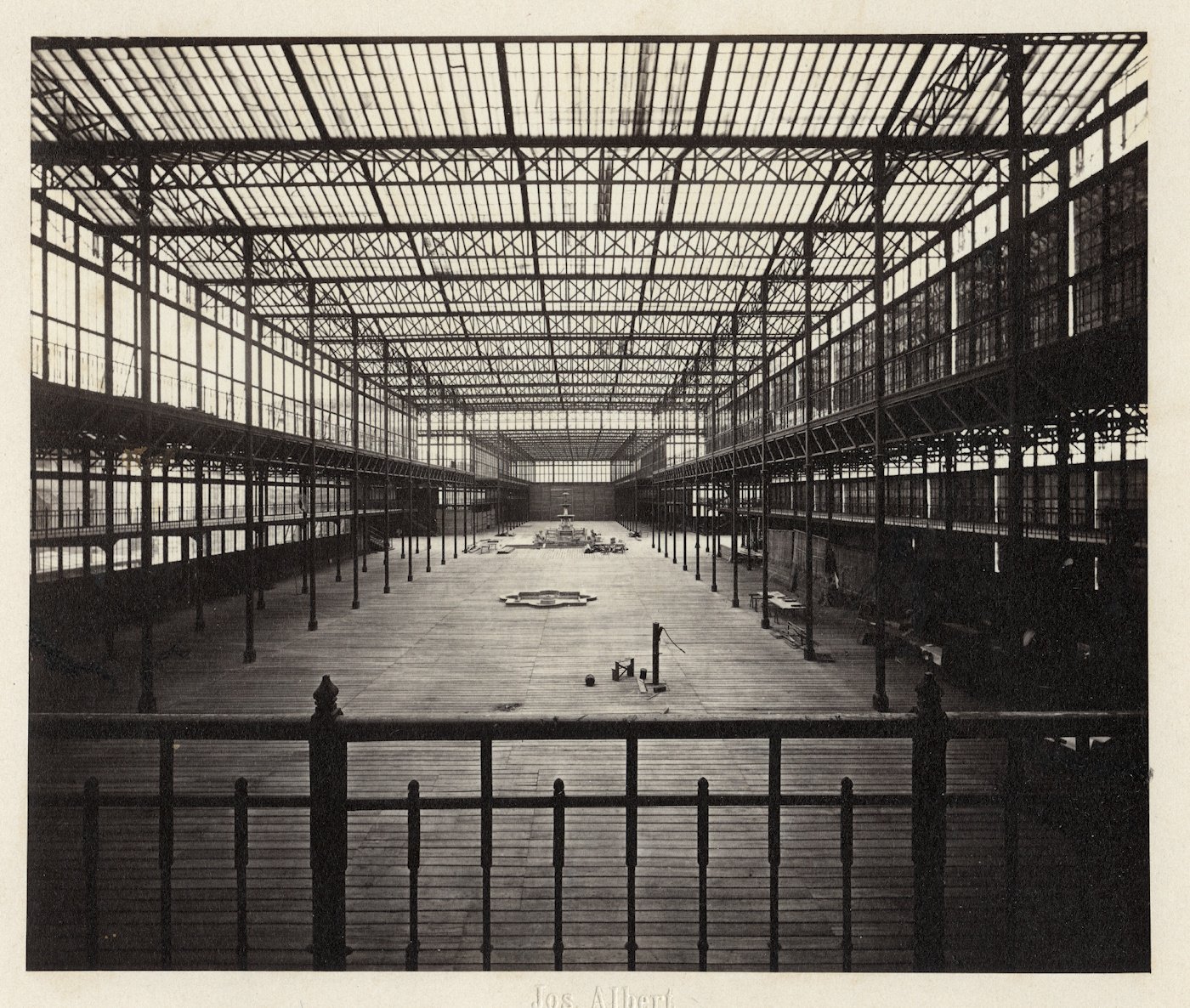
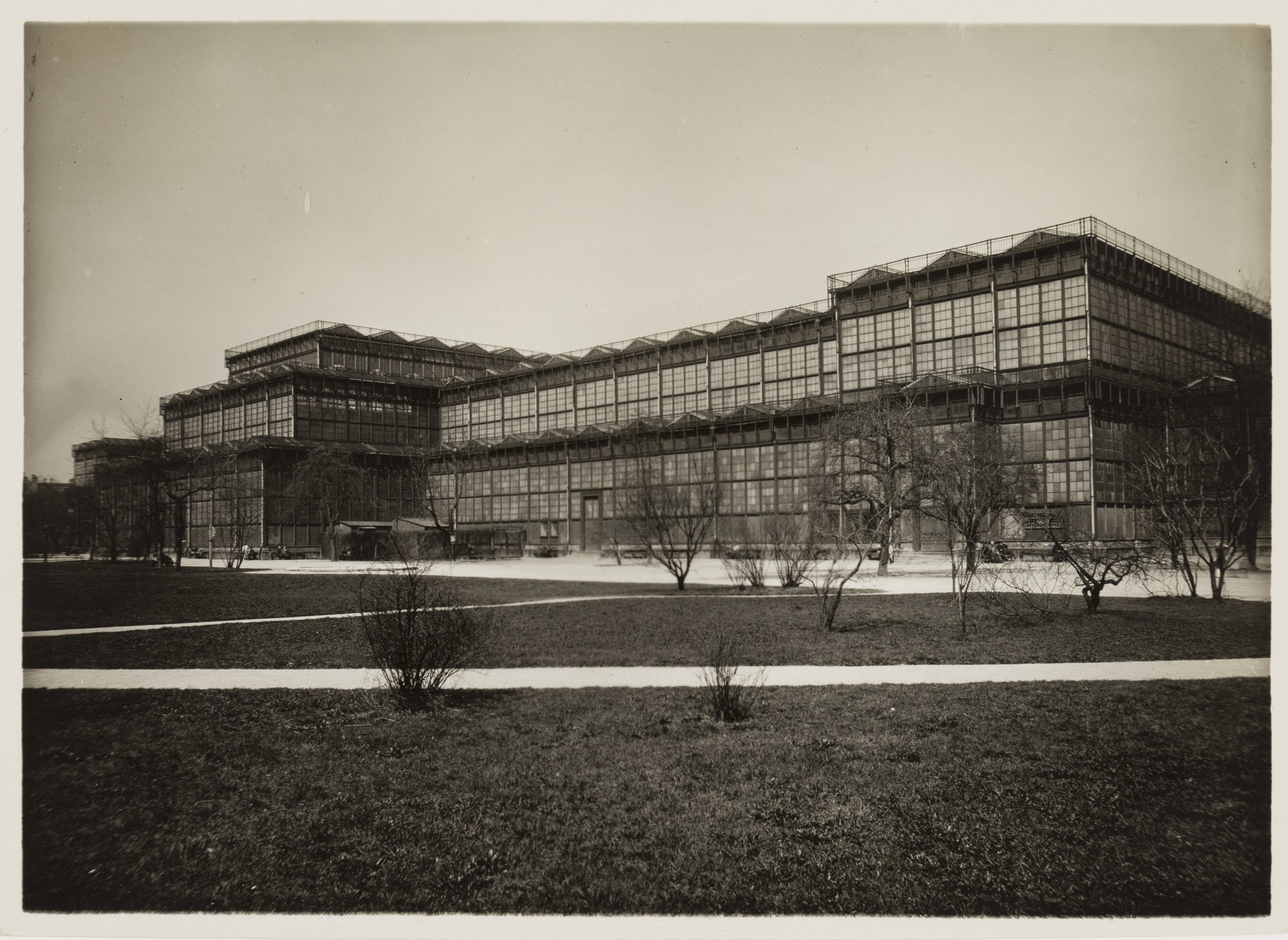
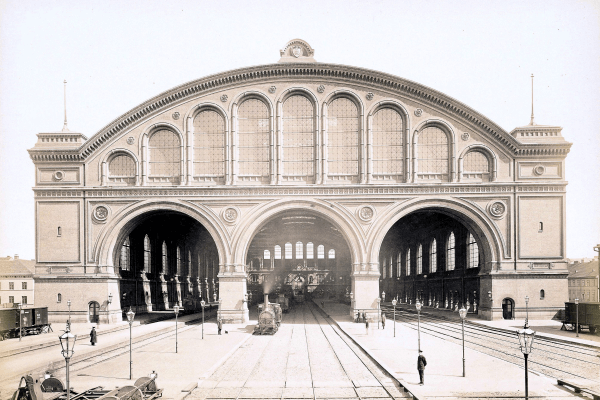
The Munich Glass Palace was built in 1854 as a prestigious royal project – a structure meant to make progress and cultural grandeur visible.
Although it was open to the public, not all groups had equal opportunities to exhibit there; for example, female artists were only marginally represented.
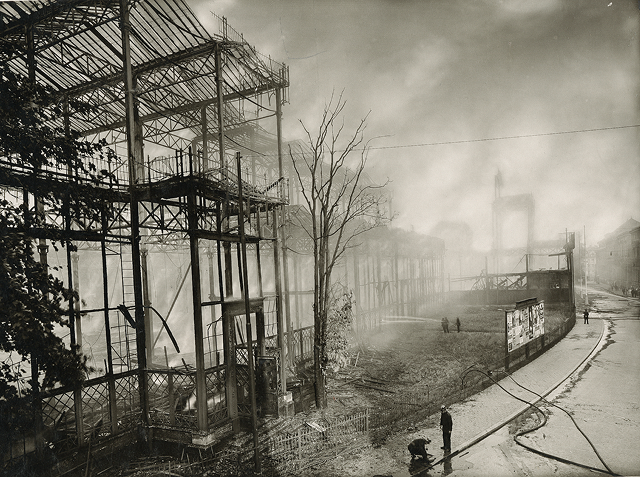
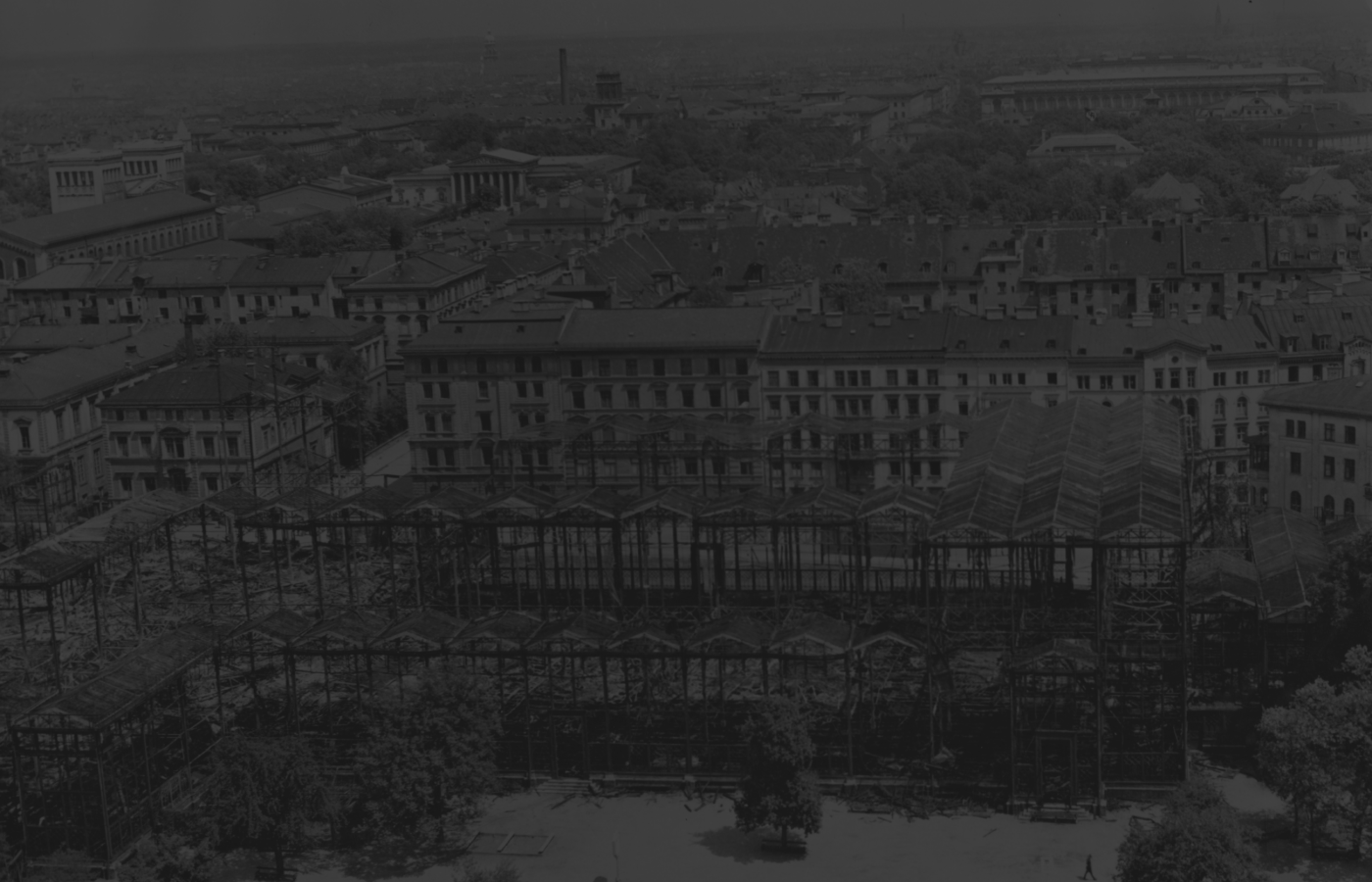
The Glass Palace stood until the devastating fire in the night of June 6, 1931. The exact cause of the blaze remains unclear — possibilities included spontaneous combustion, a technical defect, or arson. More than 3,000 artworks were lost, among them important works of German Romanticism.
Today, art and culture are regarded as democratic goods. Museums and exhibitions present themselves as open spaces, yet not all voices are heard equally.
The Glass Palace reminds us: the path from royal representation to democratic participation is a long one. The question remains as relevant as ever — who is visible in art and culture, and who remains unseen?